Introduction: Contest Success Is About More Than a Great Camera
If you have ever wondered what separates a contest-winning image from the hundreds of technically competent photographs that never make it past the first round, the answer is usually not gear alone. Judges tend to respond to photographs that combine intention, originality, emotional clarity, and presentation. In that sense, understanding photography contests is a lot like reviewing a thoughtfully assembled creative toolkit: the inspiration that shapes your eye, the output device that controls your final print, and the paper that gives the work physical presence.
For photographers trying to understand what judges are really looking for, several products available from Unique Photo help frame the discussion in a practical way. You Are What You Do - Daniel Arnold and What the Rain Might Bring - Dylan Hausthor represent two very different but equally compelling examples of photographic voice. The Epson SureColor P5370 17-Inch Professional Photographic Printer speaks directly to the importance of presentation, especially in print-based competitions. And Hahnemühle Photo Rag Bright White 310gsm papers underscore just how much surface, tone, and material choice can influence a judge's experience of an image.
In other words, if photography contests are judged on vision, coherence, and finish, these products collectively form a strong review case for what actually matters.

What Judges Notice First: Distinctive Vision
The most consistent thing judges look for is a point of view. Not just subject matter, but authorship. A familiar scene can still stand out if the photographer sees it differently, edits it intelligently, or reveals a deeper layer of feeling or meaning. This is where studying strong photobooks becomes useful, because books show how photographers build visual language over time rather than relying on one lucky frame.
You Are What You Do - Daniel Arnold
Daniel Arnold's work is a reminder that judges often reward immediacy, instinct, and human sensitivity. The book suggests a photographic approach rooted in observation rather than over-explanation. For contest entrants, that matters. Judges routinely review many entries that are polished but emotionally flat. Work influenced by a sharp observational voice can feel alive in comparison.
What makes this book relevant to contests is its emphasis on seeing rather than decorating. It reinforces the idea that a winning photograph often contains tension, timing, and specificity. It does not try too hard to impress; it simply feels undeniable.

What the Rain Might Bring - Dylan Hausthor
Dylan Hausthor's What the Rain Might Bring points toward another quality judges value: atmosphere and cohesion. Some contests award single images, while others evaluate series. In both cases, mood and consistency matter. A photograph that creates a fully realized world often lingers longer in a judge's mind than an image that is merely sharp or dramatic.
This book is especially useful for photographers entering fine art, documentary, or book-oriented competitions because it shows how ambiguity, sequencing, and tonal control can become strengths. Judges are often looking for images that suggest more than they explain. When a body of work feels intentional and immersive, it tends to carry more authority.

Key Features That Matter in Contest-Ready Work
1. Originality Over Trend-Chasing
Judges see trends come and go. Whether it is a certain color grade, drone composition, cinematic portrait style, or artificial mood treatment, formulas become easy to spot. Originality does not necessarily mean photographing something no one has ever seen before. It means bringing your own experience, timing, and editorial discipline to the image.
Books like Daniel Arnold's and Dylan Hausthor's help photographers understand that originality often comes from consistency of vision. Judges can usually tell when an image belongs to a photographer's true practice versus when it was engineered to mimic current contest aesthetics.
2. Technical Control That Serves the Idea
Technical quality matters, but mainly in service of expression. Exposure, sharpness, color accuracy, tonal range, and print fidelity are all important, yet judges rarely reward technique in isolation. They reward technique that strengthens the message of the work.
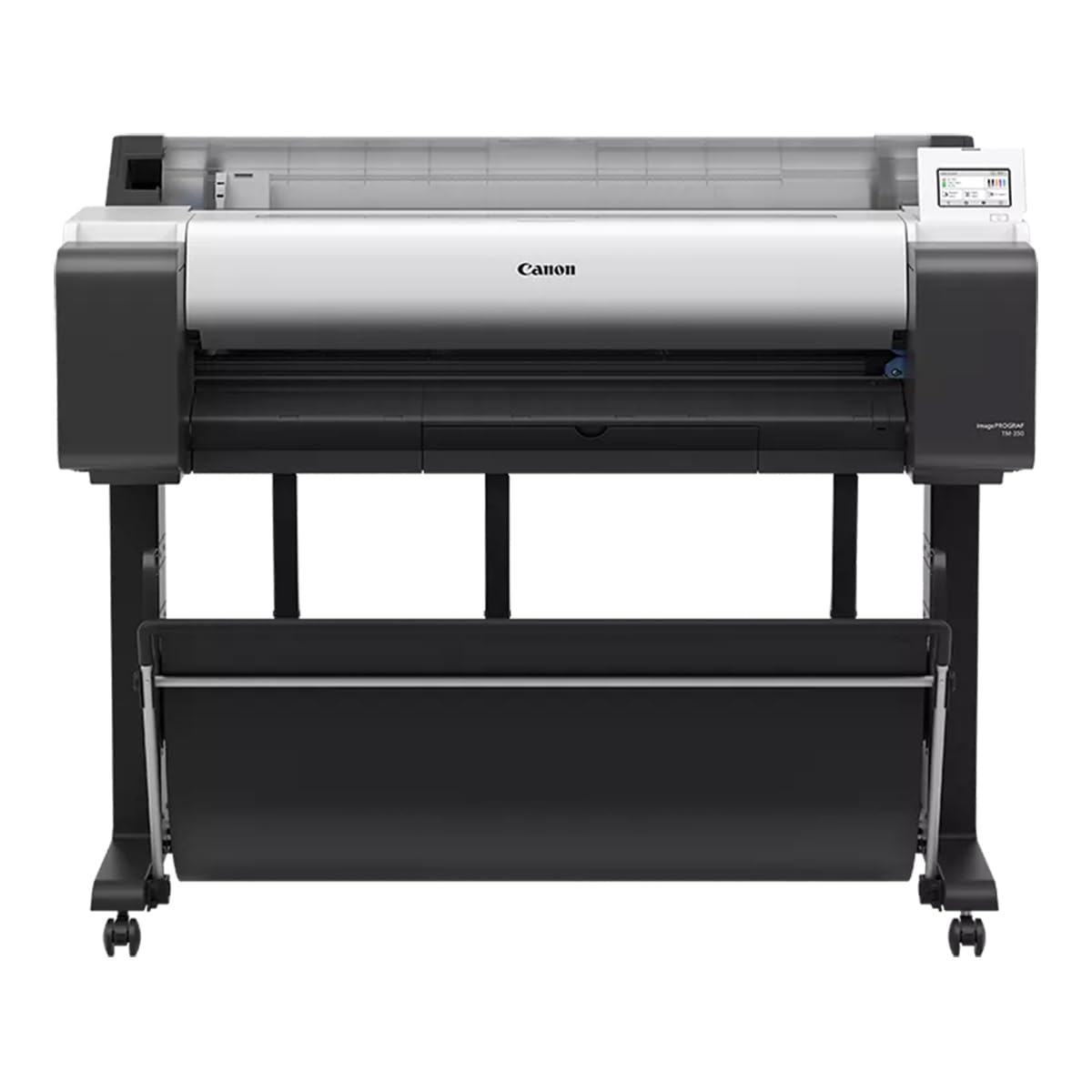
This is where a printer like the Epson SureColor P5370 17-Inch Professional Photographic Printer becomes directly relevant. In print competitions especially, the gap between a good file and a great print can be decisive.

Epson SureColor P5370 17-Inch Professional Photographic Printer
The P5370 is the kind of printer serious contest entrants should pay attention to because it addresses one of the most overlooked judging factors: presentation. Judges are influenced by blacks that hold depth, highlights that retain nuance, and color transitions that feel smooth and believable. A high-end photographic printer helps preserve the intent of the photographer all the way to the final object.
For photographers submitting to juried exhibitions, print competitions, or portfolio reviews, the Epson P5370 positions itself as more than a hardware upgrade. It is a finishing tool. It allows entrants to take control over the exact visual impression a judge receives, instead of outsourcing that final step and hoping for consistency.
Its professional orientation makes it particularly compelling for photographers whose work depends on subtle gradation, monochrome fidelity, or gallery-quality output. When judges hold a print in their hands, precision and material quality are impossible to fake.

3. Print Surface and Material Choice
One of the clearest signs of experience in contest presentation is choosing paper intentionally. Judges may not always comment on paper by name, but they absolutely perceive the effect it has on contrast, texture, brightness, and the emotional tone of a photograph.
Hahnemühle Photo Rag Bright White 310gsm, available in multiple roll sizes, is exactly the kind of fine art paper that can elevate contest submissions. Its reputation and physical character make it an ideal match for photographers who want a refined, museum-quality presentation.
Hahnemühle Photo Rag Bright White 310gsm
Whether in 24-inch, 36-inch, or 44-inch roll formats, this paper line is well positioned for photographers producing exhibition prints or large contest entries. The bright white base can add clarity and presence to contemporary color work while also giving black-and-white prints a crisp, elegant separation. The substantial 310gsm weight helps a print feel serious and collectible, which matters more than many entrants realize.
Judges often spend only moments with each piece initially. A print that looks and feels resolved creates confidence immediately. That first impression can influence how generously the image is read.

What Judges Commonly Reward
Across genres, most judges tend to respond to a combination of the following:
- Clarity of intent: The image knows what it is trying to say.
- Emotional or intellectual resonance: It leaves a lasting impression.
- Strong editing: Nothing unnecessary distracts from the core idea.
- Craft: The technical execution supports the concept.
- Consistency: In a series, every image belongs.
- Presentation: The print or final file feels complete and deliberate.
That is why this mix of books, printer, and paper works so well as a practical review framework. The books teach vision. The printer preserves quality. The paper shapes the final encounter.
Pros and Cons
Pros
- You Are What You Do - Daniel Arnold is excellent for understanding observational voice and authenticity.
- What the Rain Might Bring - Dylan Hausthor is valuable for studying mood, cohesion, and poetic sequencing.
- Epson SureColor P5370 is a strong choice for contest photographers who need high-end print control.
- Hahnemühle Photo Rag Bright White 310gsm provides premium presentation suitable for juried prints and exhibitions.
- Together, these products address the full contest pipeline from inspiration to final output.
Cons
- Photobooks are inspirational tools, not direct contest instruction manuals.
- The Epson P5370 is a serious investment and best suited to committed printmakers.
- Fine art paper choices require testing, profiling, and workflow discipline to get the best results.
- Even great presentation cannot compensate for weak editing or unclear concept.
Verdict: The Real Answer to What Judges Want
What judges are really looking for in photography contests is not simply perfection. They are looking for photographs that feel necessary. Images that reveal a distinct eye, carry emotional or conceptual weight, and arrive in a finished form that respects the medium. In that context, You Are What You Do - Daniel Arnold and What the Rain Might Bring - Dylan Hausthor are highly worthwhile references for photographers developing stronger taste and authorship. The Epson SureColor P5370 is an excellent professional tool for anyone who wants complete control over contest prints, and Hahnemühle Photo Rag Bright White 310gsm is the kind of paper that helps serious work look fully realized.
If you are preparing for your next competition, the lesson is clear: judges respond to vision first, but presentation can absolutely seal the outcome. For photographers looking to build both sides of that equation, Unique Photo is an excellent place to buy these books, printing tools, and fine art papers.