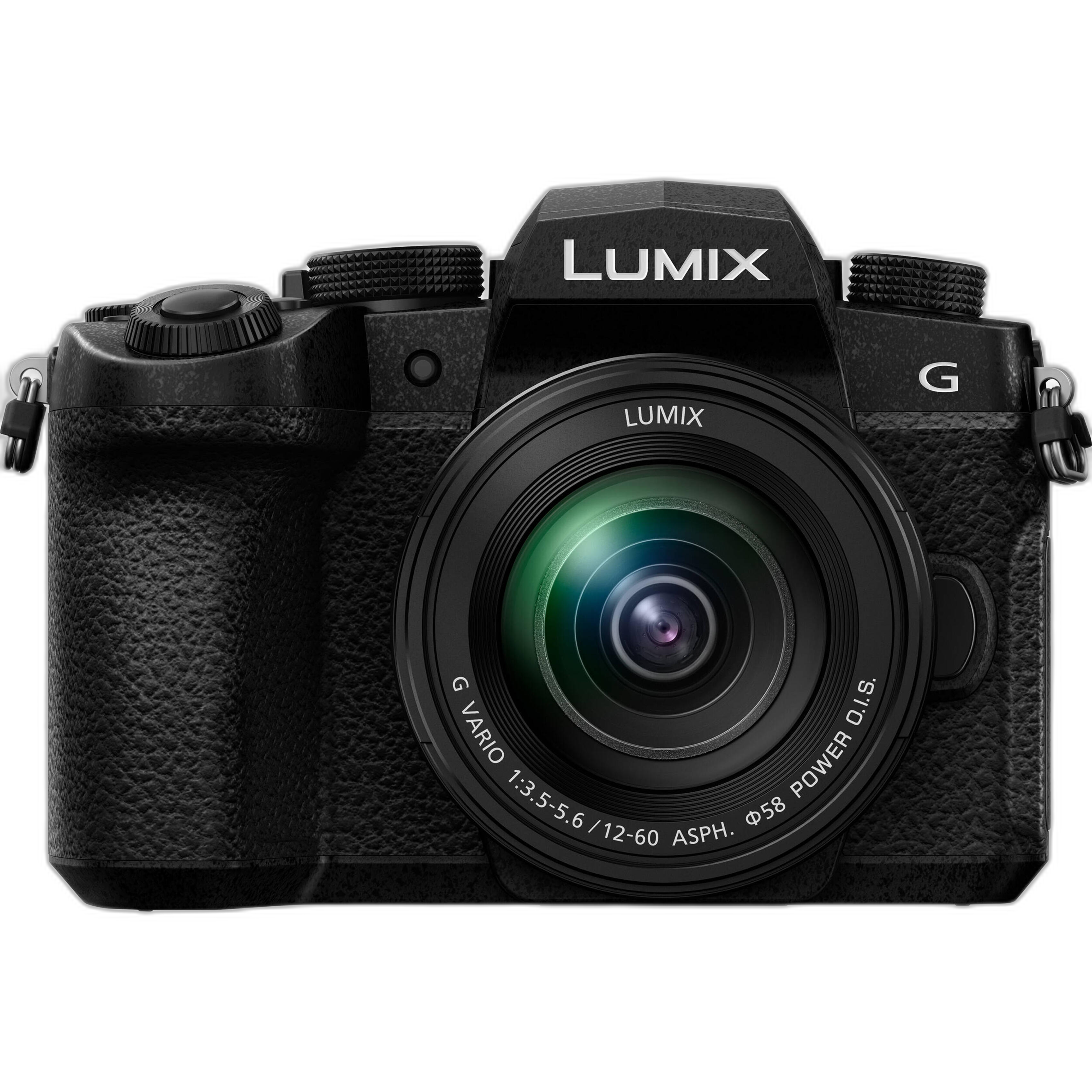
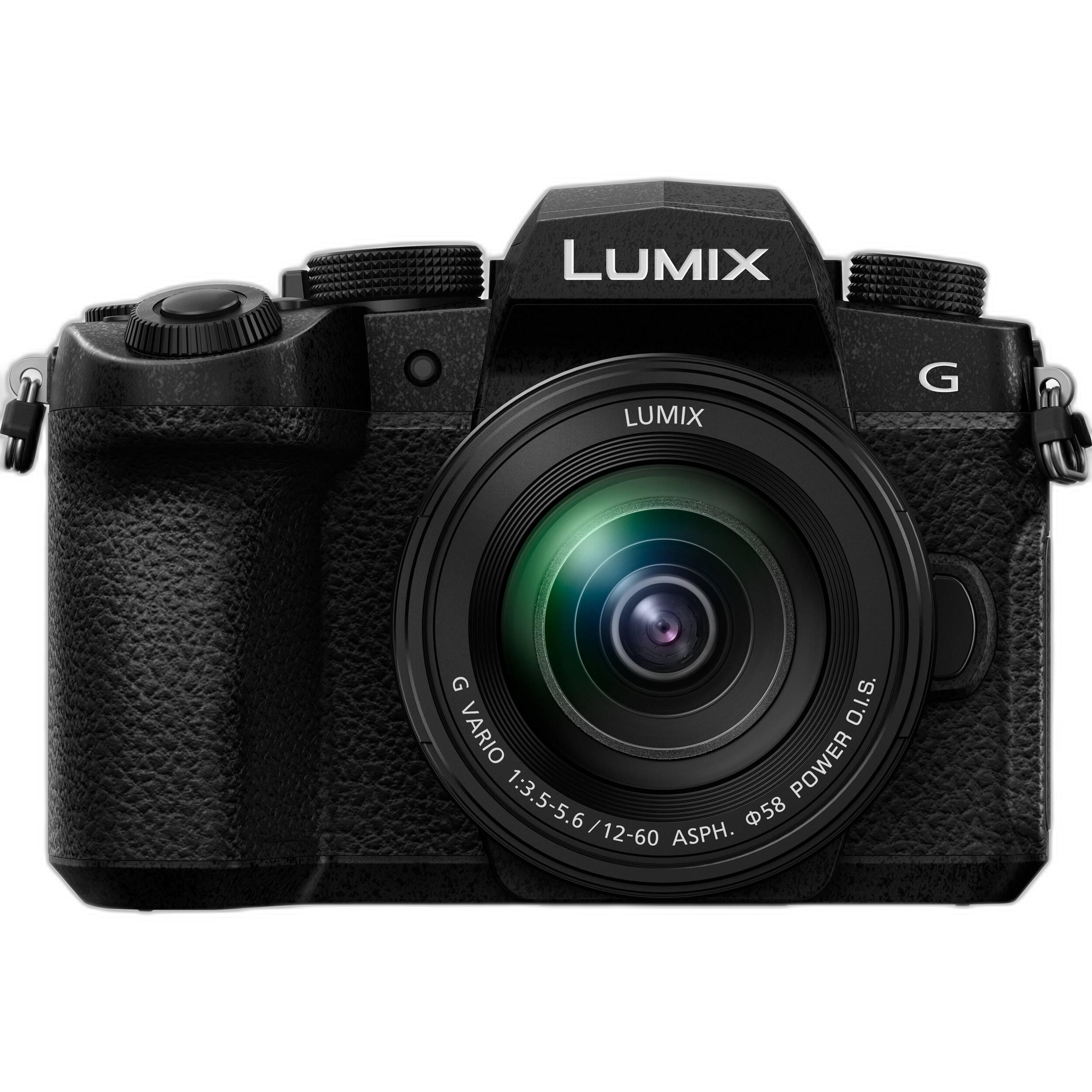
Panasonic has announced the Lumix G9, a new flagship Micro Four Thirds camera aimed squarely at photographers who prioritize speed, handling, and high-end still-image performance. While Panasonic had already built a strong reputation in hybrid and video-centric cameras, the G9 arrives in late 2017 as a different kind of statement: a professional-grade Lumix G body designed first and foremost for still shooters, especially those working in wildlife, action, sports, and travel.
At launch, the Panasonic Lumix G9 enters the market with a 20.3MP Micro Four Thirds sensor, 20 fps continuous shooting with AF-C, in-body image stabilization rated to 6.5 stops, and the versatile Micro Four Thirds mount. With a U.S. launch price of $1,699, Panasonic is positioning the G9 as a premium enthusiast and professional tool that combines compact system advantages with serious performance.
A New Flagship Direction for Lumix G
The Lumix G9 is notable not only because of what it offers on paper, but because of what it represents within Panasonic’s lineup. By 2017, the company was already deeply associated with capable mirrorless cameras, particularly among filmmakers and multimedia creators. The G9 broadens that identity and reinforces Panasonic’s commitment to dedicated photographers who need fast response, dependable stabilization, and a body designed to be used hard in the field.
In practical terms, this makes the G9 an important camera in the history of Micro Four Thirds. The format had long appealed to photographers who valued portability and lens choice, but flagship bodies helped prove that compact systems could also be serious action and wildlife platforms. Panasonic’s approach with the G9 leans into that strength. Rather than simply adapting a video camera for stills, Panasonic shaped the G9 as a stills-first machine with pro-style ergonomics and speed as central priorities.
20.3MP Micro Four Thirds Sensor
At the center of the G9 is a 20.3MP Micro Four Thirds sensor. In 2017, that resolution placed the camera in a strong position for enthusiasts and professionals alike, offering enough detail for publication, commercial work, travel, nature, and everyday editorial applications, while preserving the format’s benefits in size and lens ecosystem depth.
The Micro Four Thirds sensor size has always involved a balance of advantages. Compared with larger formats, it allows for smaller camera bodies and especially smaller telephoto lenses, a major benefit for birding, sports from the sidelines, and hiking with a complete kit. That equation becomes more compelling when paired with a camera body engineered for rapid shooting and handheld flexibility. The G9’s sensor, therefore, should be understood not in isolation but as part of Panasonic’s broader system logic: delivering high-level still-image performance in a package that can remain relatively compact and mobile.
Built for Speed: 20 fps with Continuous AF
One of the headline specifications of the Lumix G9 is its burst shooting capability of 20 frames per second with continuous autofocus. That is a major announcement point, and it immediately places the G9 among the most aggressive mirrorless stills cameras of its era in terms of raw shooting speed.
For wildlife and sports photographers, high burst rates can mean the difference between an almost-good frame and the frame. Fast wing positions, fleeting gestures, changes in expression, or the instant an athlete breaks through the line all happen in fractions of a second. Panasonic is clearly pitching the G9 as a camera ready for those moments. Just as importantly, the inclusion of AF-C in the quoted burst rate underscores that this is not just speed for static subjects; it is speed intended for moving ones.
That kind of performance also helps define the G9’s identity against assumptions that smaller formats were only for travel or casual use. Panasonic is making an argument here that Micro Four Thirds can be a legitimate action system, especially when portability and lens reach are part of the assignment.
6.5 Stops of In-Body Image Stabilization
The G9’s in-body image stabilization, rated to 6.5 stops, is another major part of its launch appeal. Stabilization had become one of the great practical advantages of mirrorless camera development, and Panasonic’s implementation here is especially significant for field photography. Whether shooting in fading natural light, working with long lenses, or trying to keep ISO levels under control, robust stabilization expands what photographers can realistically accomplish handheld.
For travel and documentary shooters, that can mean less dependence on tripods. For nature photographers, it can improve agility when conditions change quickly. For photographers using telephoto lenses in the Micro Four Thirds system, it complements one of the mount’s biggest strengths: meaningful reach without the bulk associated with larger-format equivalents.
In a release-period context, 6.5 stops is not just a technical claim; it is part of Panasonic’s larger pitch that the G9 is built for real-world shooting rather than spec-sheet theater. The company appears to be emphasizing that this camera should feel responsive and usable in the hand, not merely impressive in marketing copy.
Micro Four Thirds Mount and System Depth
The Lumix G9 uses the Micro Four Thirds mount, and that matters as much as any single specification. By late 2017, Micro Four Thirds had matured into one of the most diverse mirrorless lens ecosystems available. That gave G9 buyers access to a broad selection of optics spanning compact primes, professional zooms, macro lenses, and long telephotos.
System depth is especially important for a flagship camera. A high-performance body only becomes truly useful when photographers can match it with the right glass for the job. The G9 enters an environment where Micro Four Thirds users can build kits for landscape, travel, portraiture, wildlife, and sports while maintaining a level of portability that remains one of the format’s chief advantages.
This is part of the reason the G9’s release carries historical weight. It was not introducing a format from scratch; it was elevating an already-established system with a body designed to show what that system could do at a professional level.
Handling, Positioning, and Market Context
Although Panasonic’s announcement centers on performance, the G9’s broader significance is about positioning. The camera arrives as a clear declaration that Panasonic understands a division within the mirrorless audience. Some users want video-first hybrids. Others want a camera that feels unapologetically tuned for the still-image experience. The G9 is aimed at the second group.
That makes the launch particularly interesting in the context of 2017. Mirrorless cameras were rapidly maturing, and competition across formats was intensifying. Panasonic’s answer was not to abandon the strengths it already had, but to refocus them. The company took the speed, electronic sophistication, and stabilization expertise it had developed and applied them to a camera whose identity is strongly photographic.
At $1,699 in the U.S. at launch, the G9 is priced as a premium body, but not outside the reach of serious enthusiasts stepping up into advanced territory. That pricing also signals Panasonic’s confidence that there is a substantial audience for a top-tier Micro Four Thirds stills camera.
Why the G9 Matters Historically
Looking at the Lumix G9 as a historical release, its importance lies in how clearly it defined a role within Panasonic’s lineup and within the Micro Four Thirds market more broadly. It helped reinforce the idea that a smaller-format mirrorless camera could be a flagship not in spite of its format, but partly because of it. Speed, stabilization, manageable telephoto kits, and mature lens support all come together in the G9’s concept.
The camera also stands as a marker of Panasonic’s willingness to segment its products thoughtfully. Rather than expecting one body to satisfy everyone equally, the company introduced a model that catered directly to still photographers who wanted pro-oriented performance and a confident shooting experience.
For many photographers in 2017, that distinction mattered. The G9 was not just another mirrorless release. It was Panasonic saying that still photography remained central to the future of Lumix G.
Final Thoughts
The Panasonic Lumix G9 arrives as one of the most purposeful camera announcements of 2017: a stills-first flagship built around a 20.3MP Micro Four Thirds sensor, 20 fps AF-C burst shooting, 6.5-stop in-body image stabilization, and the established versatility of the Micro Four Thirds mount. With a launch price of $1,699, it enters the market as a serious option for photographers who want speed, reach, and mobility in one system.
As an archival milestone, the G9 represents Panasonic at a key moment, sharpening its message to photographers and helping define what a high-performance Micro Four Thirds camera could be. To learn more about Panasonic cameras, explore current gear, or shop the Lumix system, visit Unique Photo.