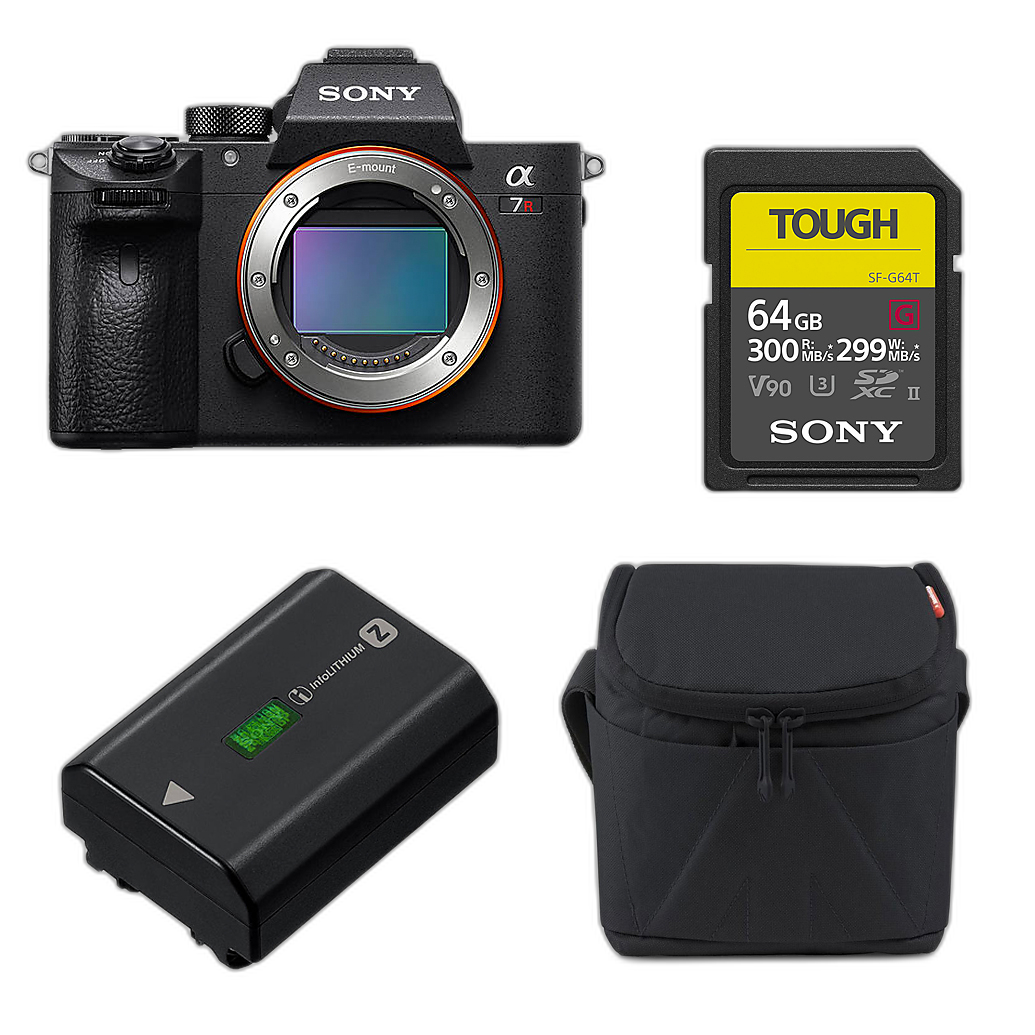
With the announcement of the Sony a7R III on October 25, 2017, Sony sharpened the identity of the modern high-resolution mirrorless camera. The a7R line had already earned a reputation for detail-rich files and compact full-frame design, but this third-generation model arrived with a clearer message: resolution no longer had to come with major compromises in speed, handling, or all-around usability. For many photographers watching the market in late 2017, that was the real story.
At launch, the Sony a7R III combined a 42.4MP full-frame BSI sensor, Sony E mount versatility, and burst shooting up to 10 fps, all at a launch price of $3,199. On paper alone, it looked like a serious step forward. In practice, it quickly became one of the cameras that helped convince working professionals that a high-resolution mirrorless body could serve as far more than a specialty tool.
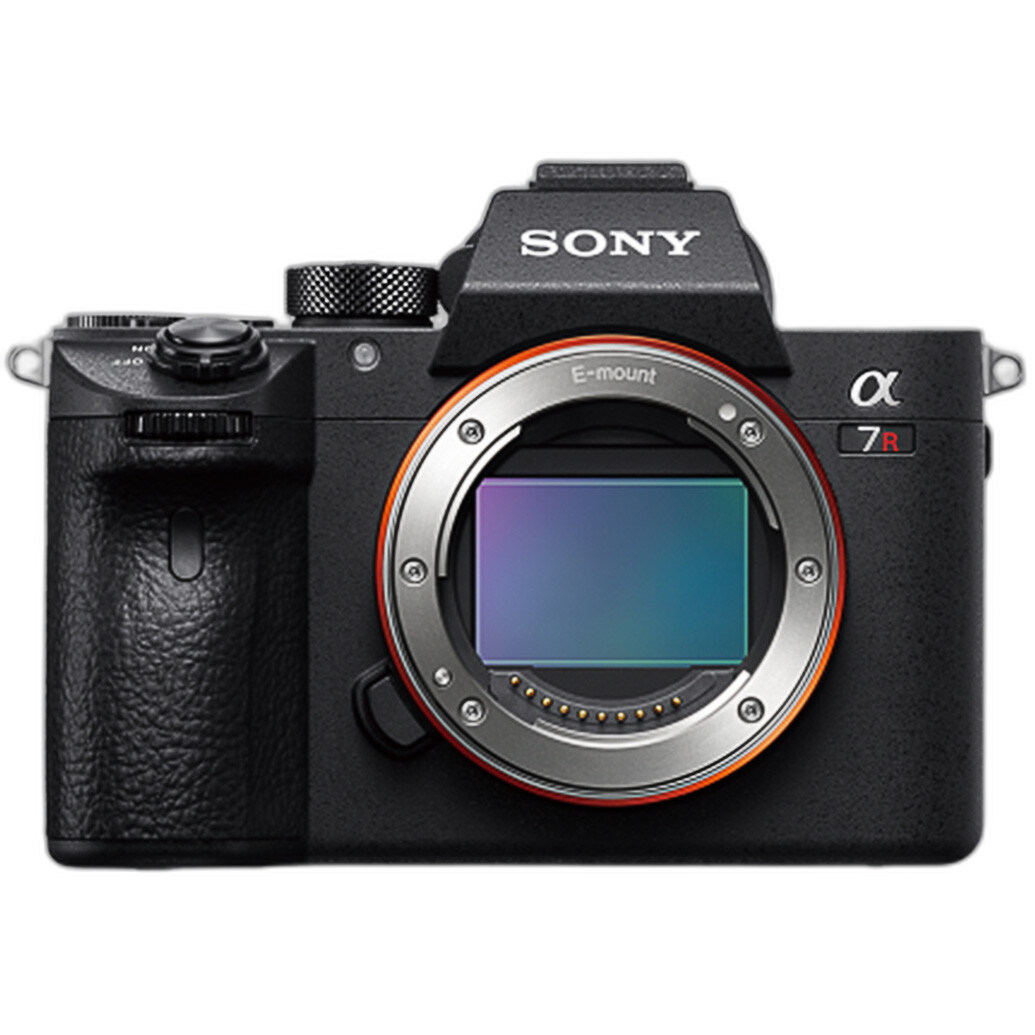
A Major 2017 Announcement for Sony’s Full-Frame Mirrorless System
By 2017, Sony had already become one of the most disruptive forces in the camera industry. Its full-frame Alpha mirrorless system was maturing quickly, and each release seemed aimed at a long-standing assumption about what mirrorless cameras could or could not do. The original a7 series had emphasized portability and innovation. The a7R models, in particular, drew landscape, studio, commercial, and architectural photographers who wanted large files from a body much smaller than a traditional DSLR.
But high-resolution cameras had often been seen as slower, more deliberate tools. That expectation was exactly what the a7R III challenged. Sony’s framing of the camera was not just about adding pixels. It was about refining the photographic experience for shooters who needed detail, dynamic imaging potential, and professional-level responsiveness in one body.
The Core of the Camera: 42.4MP Full-Frame BSI Sensor
At the heart of the a7R III is a 42.4MP full-frame back-side illuminated sensor. In the late 2010s, that specification carried real weight. This was a resolution level that appealed strongly to photographers making large prints, handling demanding commercial assignments, or relying on cropping flexibility in post-production.
The BSI design was equally important to the conversation. Sony had already built a strong reputation in sensor technology, and the a7R III reinforced the idea that high resolution could coexist with strong image quality expectations beyond just sharpness. For photographers evaluating a camera in 2017, the appeal was straightforward: the a7R III promised the kind of detailed files associated with dedicated high-megapixel bodies, but in a mirrorless system that was becoming increasingly well-rounded.
That combination helped the camera cross category lines. It was not only for landscape specialists or studio portraitists. Wedding photographers, editorial shooters, and commercial professionals could look at the a7R III and see practical benefits in the extra resolution without feeling locked into a slow-paced workflow.
10 fps: Speed Changes the Meaning of “R”
One of the most attention-grabbing parts of the a7R III announcement was its 10 fps burst capability. That number stood out because it pushed against the old tradeoff between resolution and speed. Historically, photographers choosing a high-resolution body often expected to give up some action-friendly performance. Sony’s move suggested that compromise was becoming less necessary.
For event photographers, portrait shooters working with fleeting expressions, and even some sports or wildlife users who prioritized cropping latitude, 10 fps made the a7R III much more than a studio or tripod camera. It became easier to imagine this body covering a broad range of assignments in a professional bag.
This was part of why the a7R III resonated so strongly after its announcement. It was not merely a refinement for existing Sony users. It was also a camera that invited DSLR photographers to reconsider what a high-resolution body could be in everyday professional use.
Sony E Mount and System Growth
The Sony a7R III launched within the Sony E mount ecosystem, which by 2017 had become one of the most important parts of Sony’s momentum. A camera body can generate headlines, but photographers buying into a system look beyond the body itself. They want lens options, upgrade paths, and confidence that the mount will continue to grow.
That context mattered enormously. The a7R III was attractive not just because of its own specifications, but because it sat inside a full-frame mirrorless system that was expanding in both native lens support and professional credibility. Sony E mount had evolved from a daring alternative into a serious working platform. The a7R III benefited from that timing.
For photographers considering a system switch in 2017, Sony’s message was stronger than ever: here was a high-resolution camera that did not feel isolated or experimental. It belonged to a rapidly maturing lineup with broad creative potential.
Launch Price and Market Position
At a launch price of $3,199, the Sony a7R III entered the market as a premium camera, but not an outlier in the professional full-frame category. Given its 42.4MP full-frame BSI sensor and 10 fps burst capability, the price positioned it as a serious investment for advanced enthusiasts and working professionals alike.
That pricing also reflected Sony’s growing confidence. By this point, the company was no longer presenting full-frame mirrorless as merely a compact alternative. It was positioning cameras like the a7R III as flagship-level tools capable of competing directly with well-established professional systems.
For buyers in late 2017, the value proposition centered on versatility. A camera that could deliver very high resolution, operate at impressive speed, and tap into the Sony E mount system represented a compelling package, especially for photographers who wanted one body to cover multiple genres.
Why the a7R III Mattered So Much at Release
Looking at the a7R III from the vantage point of its release period, its importance becomes clear. It was not just another iteration in the Alpha line. It was one of the cameras that helped normalize the idea that mirrorless could lead, rather than follow, in the professional space.
Earlier in the decade, photographers often discussed mirrorless in terms of what it might become. By the time the a7R III was announced, Sony was making a stronger argument about what mirrorless already was. The camera’s blend of high resolution and strong burst performance gave professionals fewer reasons to separate their gear into “high detail” and “high speed” categories.
That mattered especially in real-world assignments. Many photographers do not work in only one mode. A wedding photographer may need portraits, candid action, and environmental detail in the same day. A commercial shooter may need both large files and responsive handling. The a7R III fit this reality unusually well for its moment.
An Archival View of a Modern Classic
In hindsight, the Sony a7R III stands as one of the pivotal releases of the late-2010s mirrorless era. It arrived at a moment when many professionals were still deciding whether mirrorless systems were ready for primary-duty use. Sony’s answer was increasingly hard to ignore. With a 42.4MP full-frame BSI sensor, 10 fps shooting, Sony E mount compatibility, and a $3,199 launch price, the a7R III made a persuasive case that high-resolution cameras could also be practical, fast, and flexible.
More than many announcement-day cameras, the a7R III felt significant immediately. It spoke directly to photographers who wanted fewer compromises and a more unified tool for demanding work. That is a large part of why it was so widely embraced: it did not simply raise numbers on a spec sheet. It changed expectations.
For photographers and collectors looking back at this important chapter in Sony history, the a7R III remains an essential model to understand. To learn more about Sony cameras, explore current gear, or shop for equipment, visit Unique Photo.