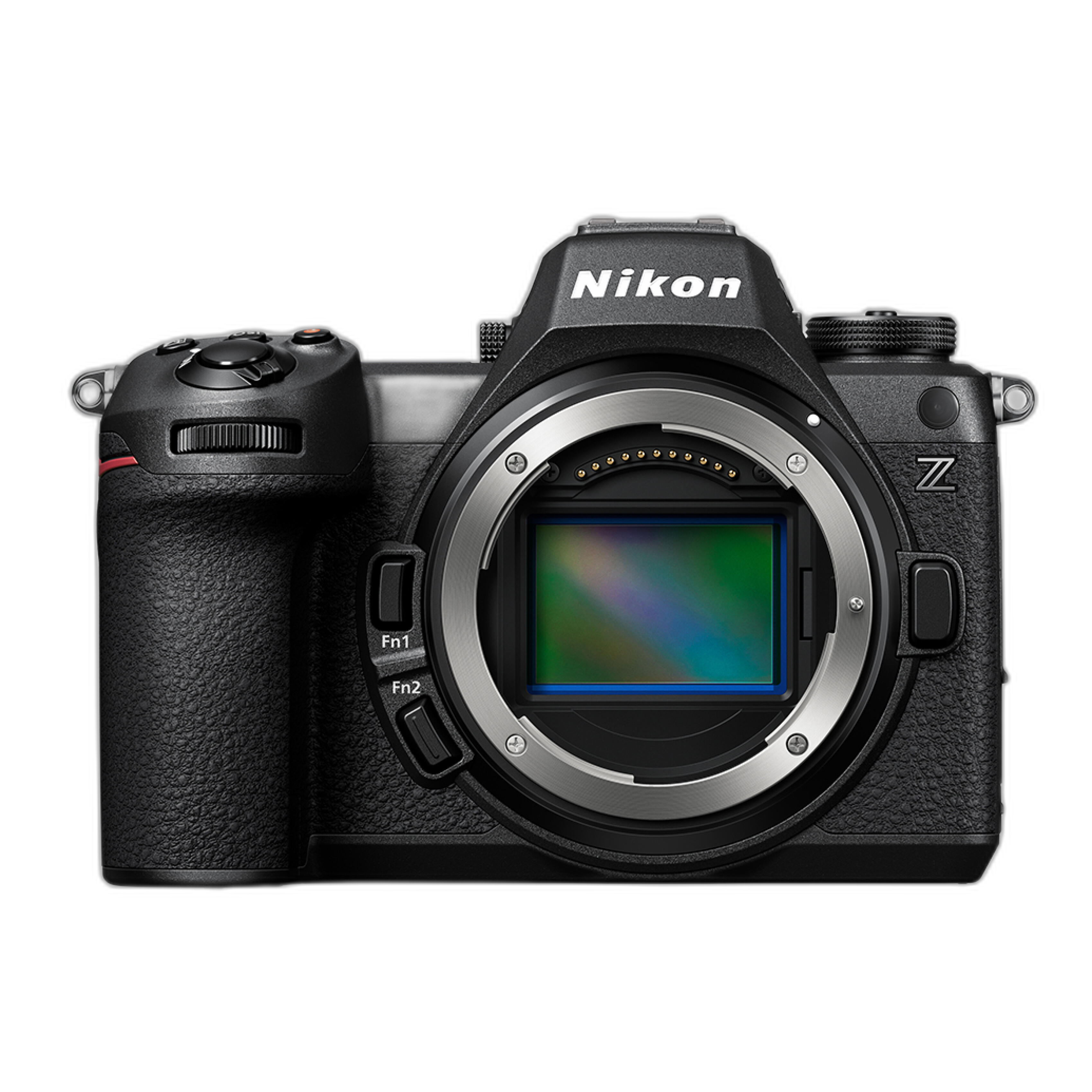
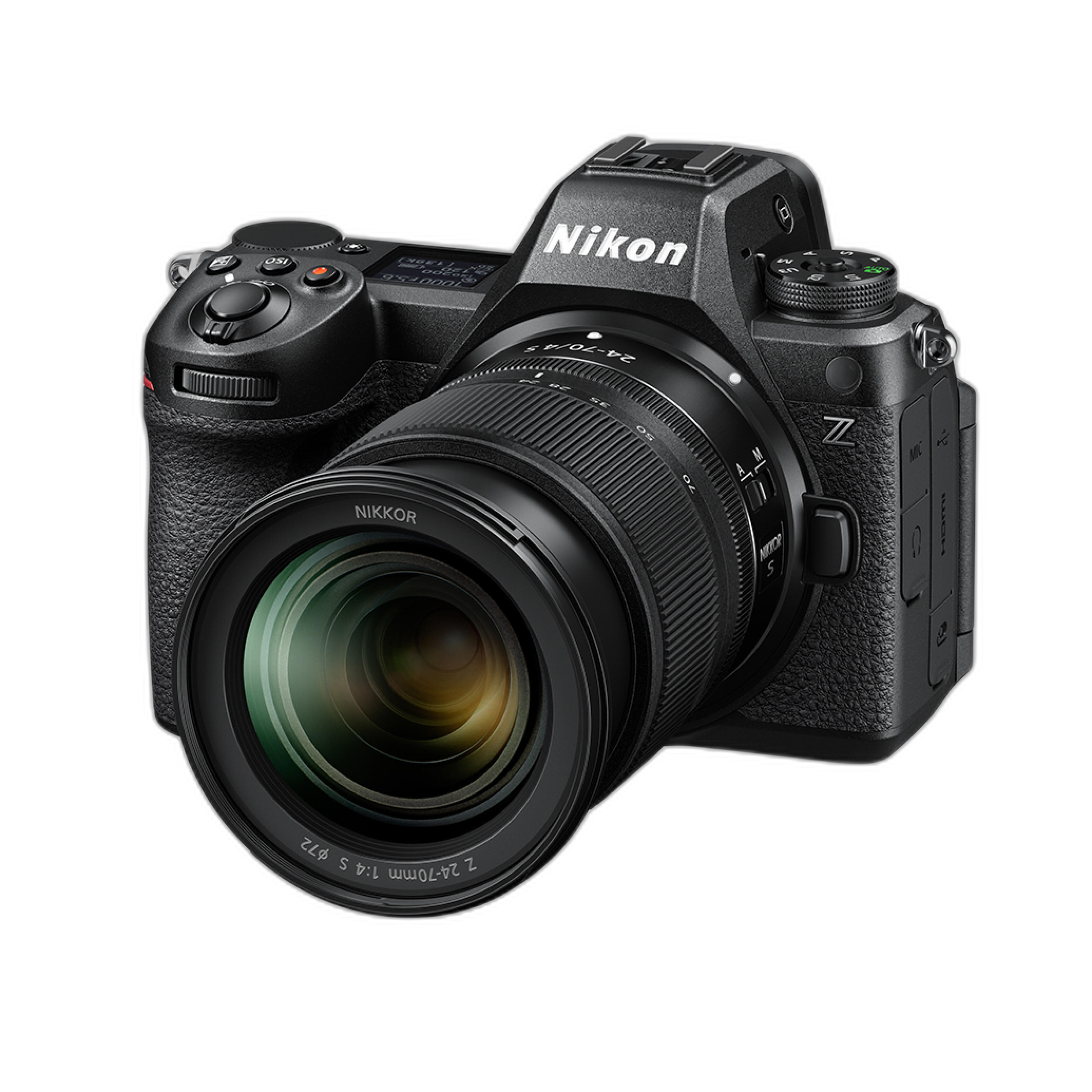
In June 2024, Nikon officially announced the Nikon Z6 III, a new full-frame mirrorless camera that immediately stood out for one headline feature: what Nikon described as the world’s first partially-stacked full-frame sensor. Positioned within the company’s Z-mount lineup as the next major evolution of the Z6 series, the Z6 III arrived with a strong balance of stills performance, speed, and advanced video capabilities, while aiming to remain relatively attainable compared to the flagship tier.
At launch, the Nikon Z6 III combined a 24.5MP partially-stacked full-frame sensor, Nikon Z mount compatibility, and ambitious video specifications including 6K60 RAW. With a U.S. launch price of $2,499, Nikon clearly placed the camera in a competitive segment for hybrid creators, enthusiasts, and working professionals looking for a high-performance all-rounder.
A Major Moment for the Z6 Line
The Z6 series has long occupied an important role in Nikon’s mirrorless strategy. From the beginning, the line represented a practical middle ground: more accessible than the top-end professional bodies, but serious enough for demanding photographic work. With the Z6 III, Nikon did not simply refresh the formula. Instead, it introduced a more significant technological step, centered on sensor design and overall responsiveness.
The phrase partially-stacked sensor became the defining talking point around the announcement. In broad terms, stacked sensor architectures are associated with faster data readout, improved burst and autofocus responsiveness, and stronger video performance. Nikon’s framing of the Z6 III as the first full-frame camera of its kind to use a partially-stacked design suggested an effort to bring some of the speed-related benefits of more premium sensor technologies into a lower price class.
That mattered historically because the full-frame mirrorless market in 2024 was intensely competitive. Buyers expected much more than image quality alone. They wanted cameras that could comfortably shift between still photography, high-end video, fast subject tracking, and modern workflow demands. Nikon’s announcement of the Z6 III signaled that the company understood those expectations and intended the Z6 line to remain central to that conversation.
The Headline Feature: A 24.5MP Partially-Stacked Full-Frame Sensor
At the core of the Nikon Z6 III is its 24.5-megapixel partially-stacked full-frame sensor. Resolution-wise, this places the camera in familiar territory for photographers who value a balanced file size: enough detail for most editorial, portrait, event, wedding, documentary, and commercial applications, while avoiding the larger workflow burdens associated with ultra-high-resolution bodies.
What made the Z6 III especially notable at launch was not merely the megapixel count, but the architecture behind it. Nikon’s emphasis on the partially-stacked design suggested improved speed in sensor readout and overall camera response. In practical terms, this was important for the kinds of users Nikon was targeting: hybrid shooters who need a camera to react quickly, support advanced video modes, and handle fast-moving subjects without requiring a jump to the very top of the product ladder.
Historically, sensor design has often been one of the clearest markers separating mainstream cameras from flagship models. By introducing this sensor concept in the Z6 III, Nikon effectively gave the Z6 line a new identity. Rather than being viewed only as the company’s capable midrange generalist, the Z6 III could be understood as a technologically ambitious body with genuine innovation at its center.
Built for Hybrid Shooting
By 2024, the term hybrid camera had become more than marketing shorthand. It described a real and growing class of users: photographers who also produce video, filmmakers who regularly capture stills, and creators whose assignments may shift from social media clips to event coverage to long-form production in the same week. The Nikon Z6 III was announced squarely into that environment.
Its 6K60 RAW video capability was one of the clearest signs of Nikon’s intent. That specification placed the Z6 III in serious company for creators who wanted strong internal video potential from a relatively compact full-frame body. RAW recording at 6K/60p conveyed that this camera was not just designed for occasional clips, but for high-end video workflows where latitude, quality, and flexibility matter.
Just as importantly, Nikon did not abandon the still-image side of the equation. The 24.5MP full-frame format remained an appealing sweet spot, especially for photographers who prioritize low-light usability, reasonable file sizes, and all-purpose versatility. That combination of sensible resolution and ambitious video support is exactly why the Z6 class has historically resonated with so many users, and the Z6 III pushed that philosophy further.
Nikon Z Mount Compatibility
The Nikon Z mount remained a key part of the Z6 III’s appeal. Since its introduction, the Z mount has been central to Nikon’s mirrorless future, enabling the company to build a modern lens ecosystem around a large-diameter mount and short flange distance. By the time of the Z6 III announcement, the mount was already supported by a growing range of native lenses spanning fast primes, workhorse zooms, specialist optics, and options from third-party manufacturers.
For buyers considering the Z6 III at launch, this mattered just as much as the body itself. A camera is only as useful as the system around it, and the Z mount gave Nikon a strong foundation for photographers and filmmakers who wanted room to grow. Whether someone was entering full-frame mirrorless for the first time or upgrading within the Nikon ecosystem, the Z6 III benefited from being part of a maturing and increasingly flexible lens platform.
Launch Price and Market Position
Nikon announced the Z6 III at a launch price of $2,499 in the U.S., a figure that immediately defined the camera’s place in the market. It was not a budget model, nor was it intended to be. Instead, Nikon appeared to be positioning it as a premium enthusiast and professional hybrid camera that could deliver advanced technology without reaching flagship pricing.
That pricing was significant because it framed the Z6 III as an aggressive value proposition in context. Buyers were being offered a full-frame Nikon Z body with a newly emphasized sensor design and robust video credentials at a cost below the company’s highest-end models. For many users, that would have made the camera especially attractive as a primary all-purpose body or as a second body complementing a more specialized setup.
Why the Announcement Mattered
Looking back at the Z6 III’s release, the announcement represented more than the debut of another camera body. It illustrated Nikon’s broader confidence in the Z system and its willingness to push meaningful technological changes into a model line with wide appeal. The “world’s first partially-stacked full-frame sensor” language gave the launch a genuine historical hook, while the 6K60 RAW video capability underscored Nikon’s awareness of where the market was heading.
For Nikon users, the Z6 III signaled that the company was serious about keeping the middle of its mirrorless lineup fresh and competitive. For the broader industry, it showed how quickly advanced sensor and video technologies were moving into cameras intended for a wider range of creators rather than only elite flagship buyers.
Early Historical Takeaway
From the vantage point of its 2024 release period, the Nikon Z6 III looked like one of Nikon’s most important mirrorless announcements in the midrange full-frame category. It carried forward the practical strengths that made the Z6 series appealing in the first place, but added a stronger technological identity of its own. The combination of a 24.5MP partially-stacked full-frame sensor, 6K60 RAW recording, Nikon Z mount versatility, and a $2,499 launch price gave the camera a clear and confident position in Nikon’s lineup.
For photographers and hybrid creators following the release in real time, the Z6 III was easy to read as a statement product: not just an update, but a sign of Nikon’s ambitions for what a broadly useful, modern full-frame mirrorless camera could be.
If you want to buy the Nikon Z6 III, compare Nikon Z-mount gear, or learn more about the history of important camera releases, Unique Photo is a great place to shop and explore the system.