If you're stepping up from a hybrid camera or an entry-level video setup, choosing the right cinema camera body can shape your entire indie filmmaking workflow. This guide is for filmmakers who care about image quality, color, monitoring, codecs, audio, rigging flexibility, and overall production efficiency. While the topic centers on the Blackmagic Pocket Cinema Camera 6K Pro vs Sony FX30, the currently available options here point toward a closely related real-world decision: whether to go with the Blackmagic Pocket 6K Pro or move into Sony cinema with the FX3, including used and open-box paths that may fit an indie budget.
For many buyers, this is really a question of workflow and shooting style. Do you want a camera that feels purpose-built for cinematic acquisition with Blackmagic RAW and a bright integrated screen? Or do you want a compact Sony cinema body with strong autofocus, low-light performance, and easy run-and-gun usability? Below, we break down which option makes the most sense for different kinds of indie productions.
Quick Answer: Which Camera Fits Your Filmmaking Style?
The Pocket 6K Pro is often the better fit for controlled productions, short films, music videos, interviews, and passion projects where you want maximum grading flexibility. Sony's cinema ecosystem, represented here by the FX3 options, makes more sense if your work leans toward documentary, solo operating, event coverage, or hybrid commercial production where autofocus and mobility matter more than a RAW-first workflow.
Blackmagic Pocket 6K Pro vs Sony FX30: What Indie Filmmakers Should Really Consider
Even though the Sony FX30 itself is not among the available products listed here, it sits conceptually between these two worlds: a more affordable Super 35 Sony cinema option versus Blackmagic's cinema-first Pocket 6K Pro. In practice, many upgraders cross-shop the Pocket 6K Pro against Sony cinema bodies because the decision usually comes down to a few key priorities:
- Image pipeline: Blackmagic RAW and DaVinci Resolve integration vs Sony's efficient production-friendly ecosystem
- Autofocus: Sony generally leads for solo operators and fast-moving shoots
- Monitoring and usability: Blackmagic offers a large bright touchscreen and built-in NDs on the 6K Pro
- Low-light performance: Sony cinema bodies tend to be more forgiving in available light
- Rigging needs: Blackmagic often rewards a more deliberate cinema build, while Sony can stay lighter for handheld work
- Lens strategy: EF on the Pocket 6K Pro can be attractive for filmmakers with existing DSLR glass collections
If your heart is set on a pure indie cinema workflow, the Pocket 6K Pro remains compelling. If your projects demand flexibility, speed, and confidence when working alone, Sony's cinema line deserves serious attention.
Side-by-Side Comparison
| Feature | Blackmagic Pocket 6K Pro | Sony FX3 |
|---|---|---|
| Best For | Narrative, music videos, controlled indie sets | Run-and-gun, documentary, solo operator productions |
| Sensor Class | Super 35 / 6K cinema-oriented capture | Full-frame cinema body |
| Lens Mount | EF | E-mount |
| Internal ND | Yes | No built-in ND |
| Autofocus Priority | Manual-focus filmmaking strength | Strong autofocus advantage |
| Color/Codec Appeal | Blackmagic RAW workflow | Sony cinema workflow and broad production flexibility |
| Low-Light Use | Strong when lit intentionally | Better choice for demanding low-light jobs |
| Budget Strategy | Excellent value for cinematic features | Higher investment, but versatile for paid work |
Product Recommendations
Blackmagic Design Pocket Cinema Camera 6K Pro
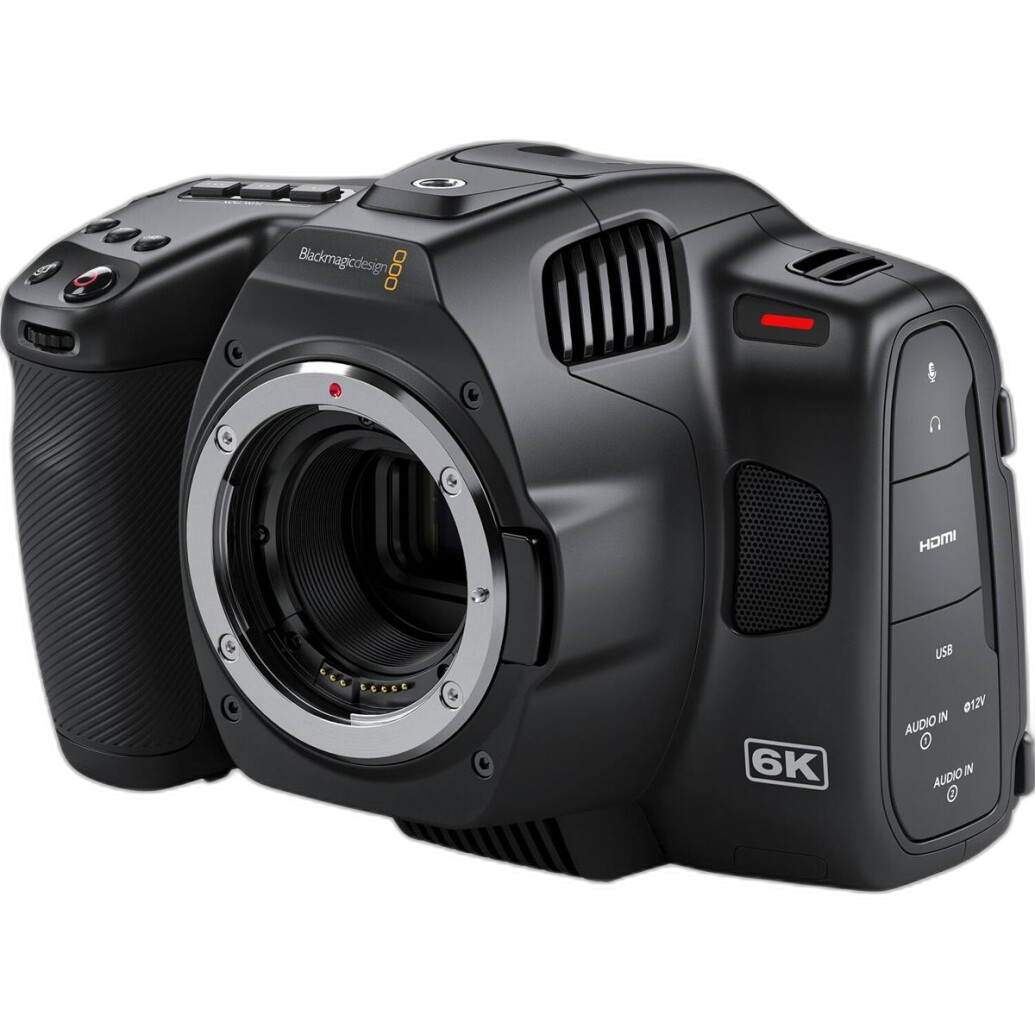
The Blackmagic Design Pocket Cinema Camera 6K Pro is the strongest recommendation here for indie filmmakers who want a cinema-first tool without jumping to a much more expensive body-and-accessories ecosystem. It delivers the features many filmmakers actually need on set: a large bright display, internal ND filters, pro-oriented recording options, and a workflow that integrates beautifully into post.
This camera makes the most sense if you storyboard, light scenes, pull focus intentionally, and want to preserve as much grading flexibility as possible. It's especially attractive for filmmakers who already own EF lenses, since that can significantly reduce total upgrade cost. Compared to many hybrid cameras, it feels more purpose-built for cinema work and less like a stills camera adapted for video.
Why indie filmmakers choose it:
- Excellent value for cinematic image quality
- Internal ND filters simplify outdoor shooting
- Blackmagic RAW is highly appealing for color-heavy workflows
- Large integrated screen helps on smaller crews
- EF mount can make lens ownership more affordable
Best for: short films, indie narrative, interviews, music videos, commercial passion projects, and filmmakers who prioritize image character over autofocus convenience.
Used Blackmagic Design Pocket Cinema Camera 6K Pro - Excellent
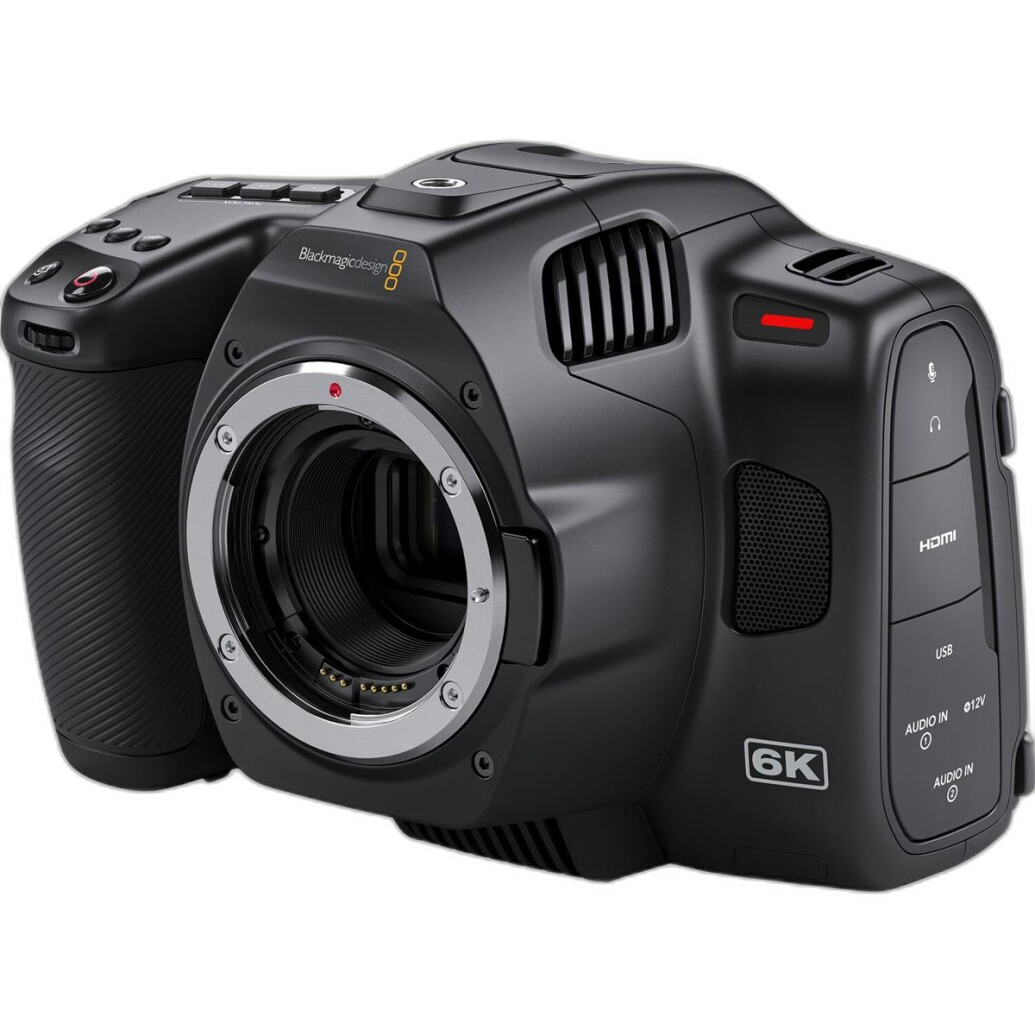
If you're upgrading on a strict budget, the Used Blackmagic Design Pocket Cinema Camera 6K Pro - Excellent can be one of the smartest buys in this category. Indie filmmakers often need to allocate money not just to the camera body, but also to lenses, media, batteries, audio, lighting, and support gear. Choosing a used body in excellent condition can free up room for the accessories that have a real impact on production quality.
This is a particularly smart route for filmmakers who already know the Pocket 6K Pro fits their workflow and want to maximize value without sacrificing the core feature set that makes the camera so appealing.
Best for: budget-conscious creators, students moving into serious filmmaking, and owner-operators building a full production kit for the first time.
Sony FX3 Full-Frame Cinema Camera
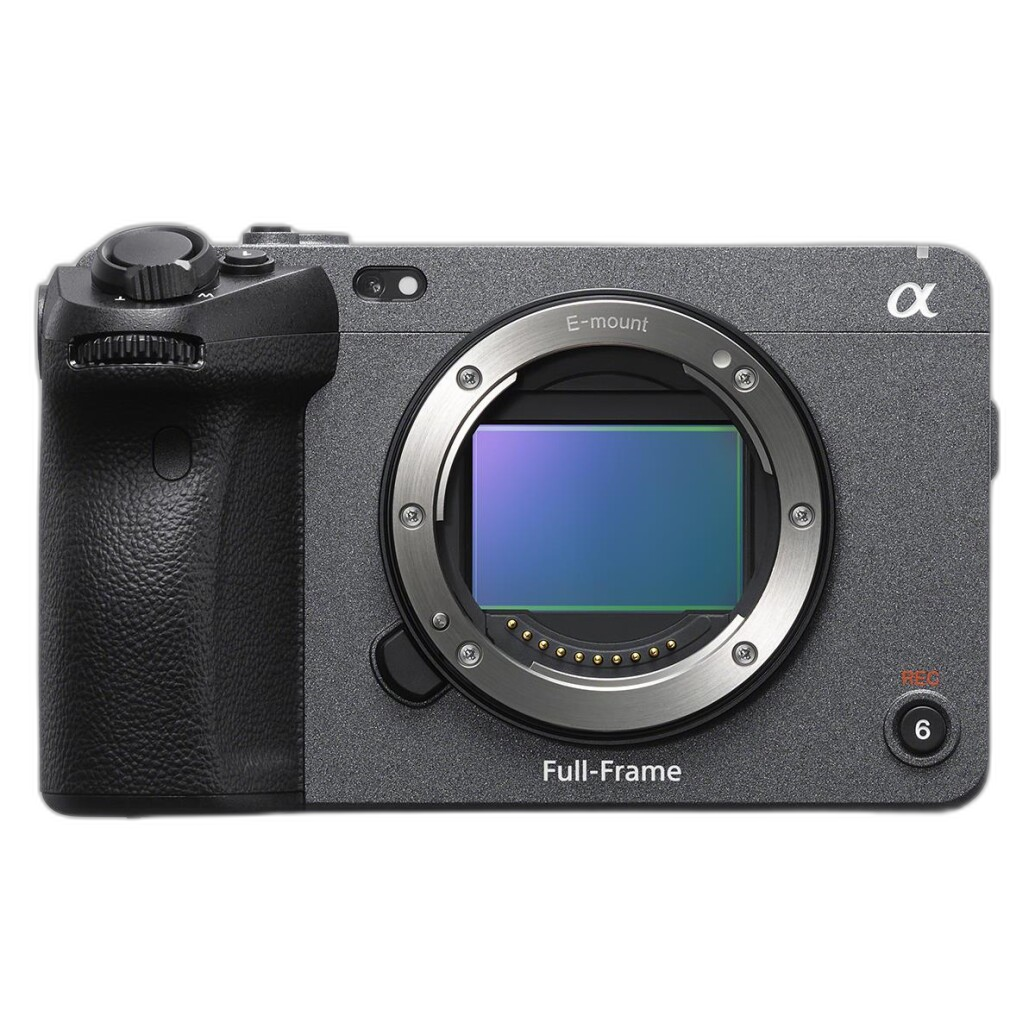
While the topic compares the Pocket 6K Pro to the Sony FX30, the Sony FX3 Full-Frame Cinema Camera offers a useful look at the strengths of Sony's cinema ecosystem for filmmakers considering that direction. If your work requires compact size, better autofocus performance, and reliable results in changing lighting conditions, the FX3 is a powerful alternative.
For many indie filmmakers, the FX3 is less about a pure cinema ritual and more about getting the shot with minimal friction. It can be a better fit for documentaries, guerrilla filmmaking, client work, behind-the-scenes capture, and solo operation where speed matters. It also offers a full-frame look that some creators strongly prefer for certain visual styles.
Why filmmakers choose Sony cinema bodies:
- Strong autofocus support for solo shooting
- Excellent low-light capabilities
- Compact, production-friendly design
- Versatile for narrative, documentary, and commercial work
Best for: filmmakers who balance passion projects with paid gigs and need one camera that can adapt to many situations.
Used Sony FX3 Full-Frame Cinema Camera - Excellent Condition
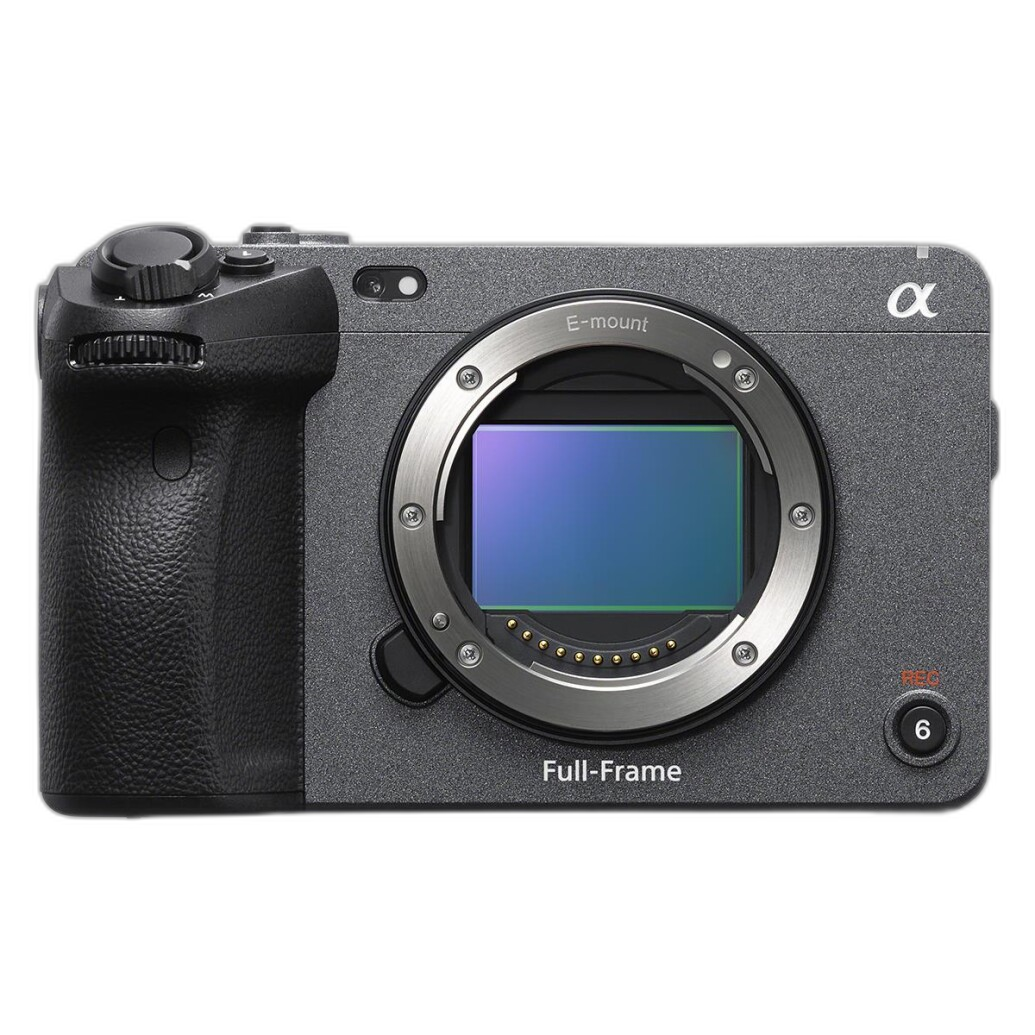
The Used Sony FX3 Full-Frame Cinema Camera - Excellent Condition is a compelling path for indie filmmakers who want to enter Sony cinema without paying full new-price cost. If you love the Sony look, value autofocus, and need a body that can support documentary and commercial gigs as well as narrative work, buying used can make the system far more attainable.
This option is particularly appealing if you're coming from Sony mirrorless cameras already and have E-mount glass in your bag. In that situation, your upgrade path becomes much easier and more cost-effective.
Used Sony FX3 Full-Frame Cinema Camera - Good Condition
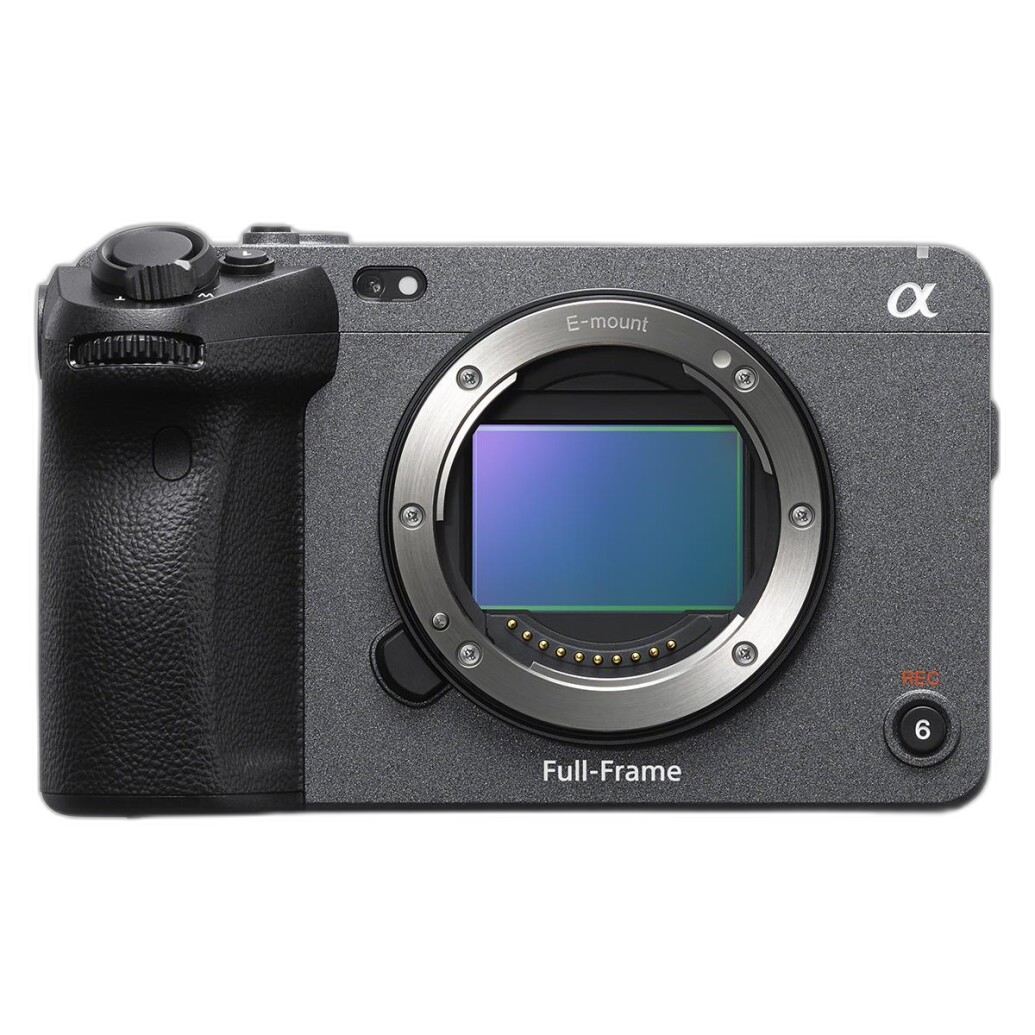
The Good Condition used FX3 option is ideal for pragmatic filmmakers who care more about performance than cosmetics. For working creators, this can be one of the best value moves available, especially if you want Sony's strengths but need to protect budget for lighting, sound, cards, and stabilization.
Used Sony FX3 Full-Frame Cinema Camera - Fair
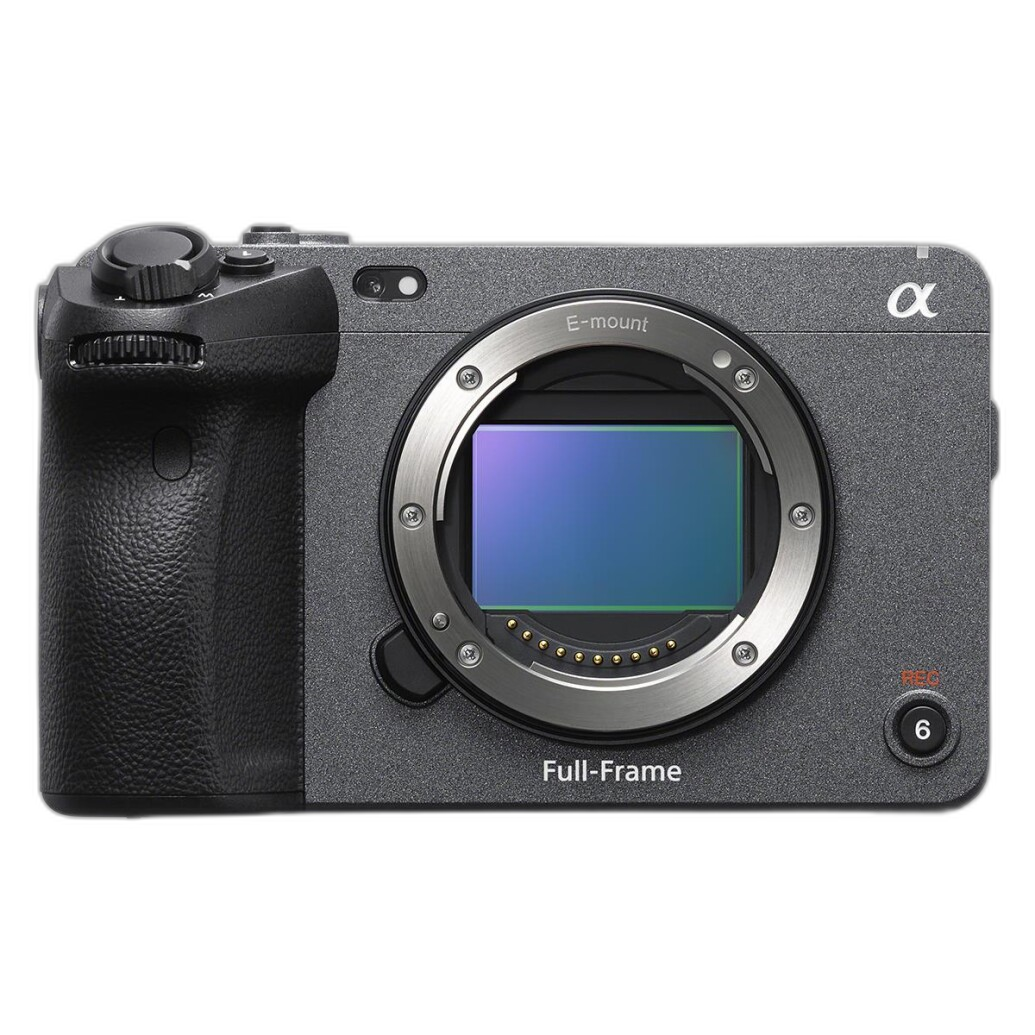
If lowest possible cost is the goal and you want access to Sony cinema features, a Fair condition body may be worth considering. For indie filmmakers who prioritize function over appearance, this can create room in the budget for lenses or audio upgrades that may improve finished results even more than the camera body itself.
*Open Box Sony FX3 Full-Frame Cinema Camera

The Open Box Sony FX3 can be a sweet spot between buying new and buying fully used. It may appeal to filmmakers who want a near-new purchase experience while still saving money. If you're building a professional kit around Sony for both indie and client-facing work, open box can be a very smart compromise.
Which One Should You Buy?
Choose the Blackmagic Pocket 6K Pro if:
- You want the most cinema-focused experience for the money
- You care deeply about color grading and post flexibility
- You like shooting with manual focus and a deliberate crew-based style
- You want built-in ND filters and an easy on-camera monitoring experience
- You already own EF lenses or want affordable access to them
Choose a Sony cinema body like the FX3 if:
- You need dependable autofocus and mobility
- You shoot run-and-gun, documentary, events, or commercial gigs
- You work often in low light
- You want one camera to serve both indie films and client production
- You already own Sony E-mount lenses
Final Recommendation
For most indie filmmakers specifically looking to upgrade into a more cinematic workflow, the Blackmagic Design Pocket Cinema Camera 6K Pro is the standout choice. It offers a compelling blend of image quality, filmmaking features, and overall value that makes it especially well suited to narrative and creative production. If budget is tighter, the used Pocket 6K Pro in excellent condition is an even smarter route.
If your filmmaking style is more fast-paced, client-driven, or solo-operated, Sony's cinema ecosystem remains highly attractive, and the various FX3 new, used, and open-box options can offer excellent flexibility.
Whichever direction you take, shopping with Unique Photo gives you access to trusted new, used, and open-box camera options to help build the right indie filmmaking kit for your goals.