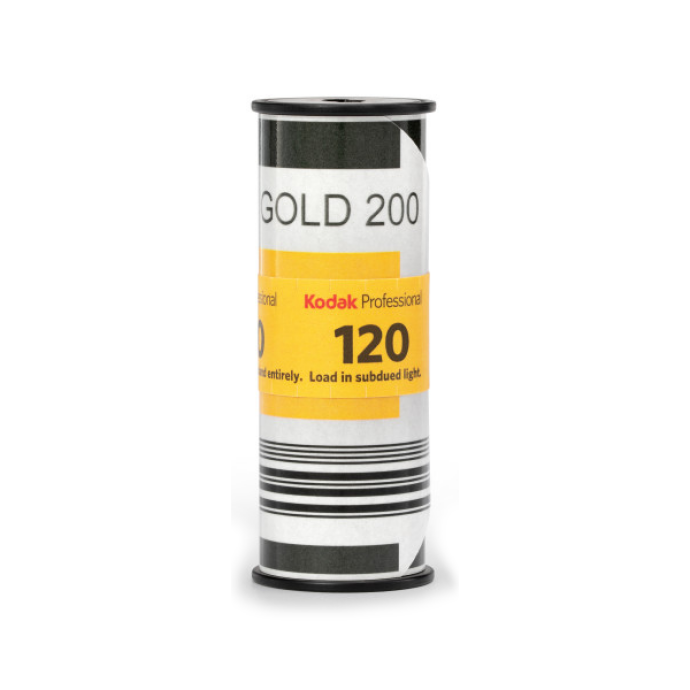
For many film shooters, Kodak’s consumer color negative lineup is where everyday photography begins. These are the rolls people load for family outings, weekend walks, travel snapshots, point-and-shoot cameras, and casual portrait sessions—not because they are simple in a lesser sense, but because they are practical, forgiving, and full of character. Among the most discussed options in Kodak’s current consumer range are Kodak Gold 200, Kodak UltraMax 400, and Kodak ColorPlus 200. All three are familiar names, all three are accessible entry points into 35mm color film, and all three can produce excellent results. But they do not look identical, nor do they suit the same lighting conditions equally well.
This comparison is best understood as a guide to speed, grain, color, price per roll, and the kinds of light each film suits best. Rather than asking which one is universally “best,” the more useful question is which one matches the way you actually shoot. If your camera is a compact with a modest lens and limited flash range, one answer may rise to the top. If you mainly shoot outdoors in daylight and want the cleanest look possible at a lower speed, another may make more sense. And if value matters as much as color, that changes the calculation again.
Three Kodak Everyday Films, Three Different Priorities
Kodak Gold 200, UltraMax 400, and ColorPlus 200 all occupy the broad category of consumer color negative film, but they sit in slightly different places within that tradition. Gold 200 has long been associated with warm, sunny snapshots and classic Kodak consumer color. UltraMax 400 adds an extra stop of speed for more flexibility in mixed and lower light. ColorPlus 200, meanwhile, has often been regarded as the budget-friendly everyday option in Kodak’s family, valued for affordability and a look many photographers describe as simple, pleasant, and distinctly film-like.
All three are designed to be forgiving enough for casual use, especially in negative film’s traditionally broad exposure latitude. But the differences matter. ISO 200 versus ISO 400 is not just a number on the box; it changes shutter speed options, handheld usability, flash dependence, and even how a film behaves in lower light. Grain structure matters too, especially if you plan to scan and enlarge your images. Color rendering, while subjective, is often the deciding factor for photographers who want a certain nostalgic warmth, neutral balance, or punchier palette.
Speed: The First Real Decision
Kodak Gold 200
At ISO 200, Gold 200 is best thought of as a daylight-friendly film. It thrives outdoors, particularly in bright sun, open shade, and generally well-lit daytime scenes. In practical use, ISO 200 offers a useful balance: faster than slower fine-grain films of the past, but still optimized for situations where there is enough available light to keep shutter speeds comfortable. For users of manual cameras, Gold 200 is straightforward and dependable in daytime shooting. For point-and-shoot users, it generally performs best when there is ample light or when flash is available indoors.
Kodak UltraMax 400
UltraMax 400 brings a full extra stop of speed, and that makes it the most flexible of the three in changing conditions. That added speed is valuable for late afternoon, overcast weather, interiors with window light, and cameras with slower zoom lenses. If you are walking around all day and do not want to think too much about whether the light is slipping away, UltraMax 400 is often the safest choice. It is especially useful for beginners using compact cameras, since the extra speed can help preserve handholdable shutter speeds before the flash becomes necessary.
Kodak ColorPlus 200
Like Gold, ColorPlus 200 is an ISO 200 film and is therefore most at home in good daylight. It shares the same broad advantage and limitation as Gold 200: plenty capable outdoors, but less flexible than ISO 400 once light falls. In bright and moderate daytime scenes, ColorPlus 200 can be a very sensible everyday film. Indoors or near dusk, however, it typically asks more of either the lens, the camera’s flash, or the steadiness of the photographer.
Grain: Cleanliness vs Flexibility
Grain is one of the most visible ways these films separate themselves. In general terms, the two ISO 200 films—Gold 200 and ColorPlus 200—are typically chosen when photographers want a somewhat cleaner, less grainy image than a 400-speed consumer film can provide. That does not make them grainless; rather, it means they usually offer a smoother look when exposure is strong and scans are handled well.
Gold 200 is often favored by photographers who want that classic consumer Kodak color with relatively moderate grain for a budget-friendly daylight film. It can look crisp and bright in sun, with grain present but not overpowering.
ColorPlus 200 is similarly attractive for those seeking an affordable ISO 200 option. Depending on scanning and exposure, many photographers find it a touch rougher or more modest in overall polish than Gold, but still entirely pleasing and characterful. It often appeals precisely because it does not look overly refined.
UltraMax 400, as expected from the faster speed, generally shows more visible grain than either Gold 200 or ColorPlus 200. For many users, that is not a drawback. In fact, it is part of UltraMax’s appeal: the film trades a bit of smoothness for practical versatility. In snapshots, travel photos, and everyday scenes, the extra grain often reads as part of the film aesthetic rather than a flaw.
Color: Warmth, Punch, and Everyday Kodak Character
Color is where debates over these films become most personal. None of the three is a clinical, neutral studio stock in the way photographers sometimes discuss professional emulsions. These are consumer films, and their appeal has always included a pleasing, accessible rendering of the world.
Kodak Gold 200 is widely associated with warm, cheerful color and that quintessential sunlit snapshot look. Skin tones can appear inviting, and scenes with yellows, reds, and greens often carry the kind of brightness many people immediately associate with family albums from the late film era. For shooters chasing “classic Kodak” in a familiar consumer register, Gold 200 is often the emotional favorite.
UltraMax 400 is often described as vibrant and versatile, with enough punch to keep everyday scenes lively even when conditions are not ideal. It has become a go-to recommendation for photographers who want one film they can load and forget about for most situations. If Gold feels especially tied to bright daylight nostalgia, UltraMax often feels more all-purpose.
ColorPlus 200 tends to be appreciated for a simpler, softer, and sometimes more understated palette. That is exactly why some photographers love it. It can deliver an unfussy color negative look that feels approachable and economical without losing Kodak identity. If Gold is the classic sunny crowd-pleaser and UltraMax the pragmatic all-rounder, ColorPlus is often the value-minded traditionalist.
Price Per Roll: Where Value Matters Most
Price remains one of the biggest reasons photographers compare these three films in the first place. Exact retail prices change over time, especially in the modern film market, so it is wiser to discuss them in relative rather than fixed terms. Historically and in current buying behavior, ColorPlus 200 is often the most budget-conscious option of the three when available. That makes it especially appealing for students, frequent shooters, and anyone bulk-buying everyday rolls for casual use.
Gold 200 usually sits as a mainstream consumer favorite: still accessible, but often chosen as much for its look as for its price. For many photographers, paying a bit more than the cheapest option is easy to justify if Gold’s warm rendering is the result they specifically want.
UltraMax 400, because of its speed and flexibility, can be worth a premium in practical terms even if its per-roll cost is somewhat higher than a 200-speed alternative. If one roll lets you shoot from sun into shade and later into interiors more comfortably, that utility can outweigh a small price difference.
Which Light Each Film Suits Best
Choose Gold 200 for bright daylight
Gold 200 makes the most sense for photographers who primarily shoot outdoors in good light and want classic warm Kodak color with moderate grain. It is especially satisfying for beach days, parks, road trips, backyard gatherings, and travel scenes under the sun.
Choose UltraMax 400 for changing or lower light
UltraMax 400 is the strongest all-around choice if your shooting conditions vary. It is the best match here for cloudy days, evening light, indoor snapshots, and point-and-shoot cameras that benefit from extra speed. If you only want to keep one general-purpose consumer Kodak film on hand, UltraMax 400 is often the most forgiving answer.
Choose ColorPlus 200 for economical daylight shooting
ColorPlus 200 is ideal for photographers who shoot mostly outside, like the look of consumer color negative film, and want to keep costs under control. It is a practical option for casual photo walks, experimentation, and high-volume shooting when daylight is plentiful.
So, Which Everyday Kodak Film Should You Buy?
If your priority is the most flexibility, choose Kodak UltraMax 400. Its higher speed makes it the easiest recommendation for mixed lighting, compact cameras, and general everyday use.
If your priority is classic warm Kodak daylight color, choose Kodak Gold 200. It remains one of the most recognizable consumer film looks in photography.
If your priority is value, choose Kodak ColorPlus 200. It is the sensible pick for affordable daytime shooting and for photographers who simply want to shoot more rolls without overthinking it.
In truth, the enduring appeal of these three Kodak films is that none of them is wrong for everyday photography. They simply emphasize different strengths: Gold for warmth, UltraMax for speed, and ColorPlus for economy. If you are deciding what to load next, start with the light you most often shoot in. That one factor will usually tell you which roll belongs in your camera.
To shop Kodak film or learn more about analog photography, visit Unique Photo, where photographers can find film, cameras, processing options, and expert guidance.