Some films earn their reputation through technical ambition, while others become favorites because they simply make everyday photography easy and inviting. Kodak ColorPlus 200 belongs firmly in the second group. Long regarded as one of Kodak’s accessible consumer color negative films, ColorPlus 200 has built a following among new film shooters, casual photographers, and experienced users who appreciate its unmistakably warm, nostalgic rendering. In an era when film prices and availability are frequent topics of conversation, ColorPlus 200 remains especially notable as a practical, budget-minded stock that still delivers a distinctly classic Kodak look.
For photographers looking back at the film landscape around this period, ColorPlus 200 stands out as a film worth knowing not because it promises perfection in every condition, but because it offers something more approachable: straightforward color negative performance, a forgiving workflow through standard C-41 processing, and a visual character that feels instantly familiar. In good light, it can be charming in a way that more clinically neutral emulsions often are not.
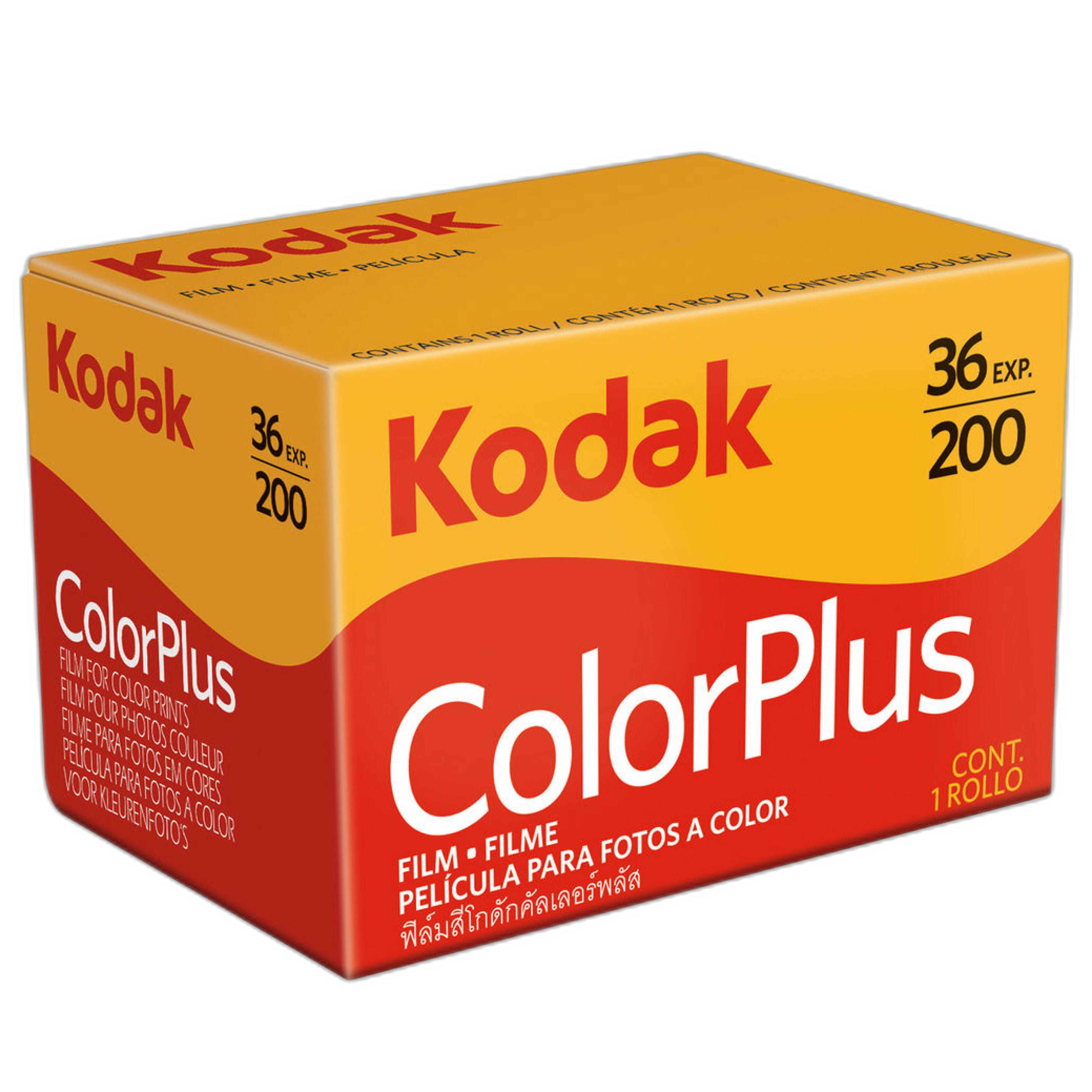
What Kodak ColorPlus 200 Is
Kodak ColorPlus 200 is a color negative film designed for the widely used C-41 process and rated at ISO 200. Those three facts alone explain much of its appeal. As a color negative stock, it is intended for everyday color photography and produces negatives that can be printed optically or scanned digitally. Because it uses C-41 chemistry, it can be processed by the same labs that handle most standard consumer and professional color negative films. And at ISO 200, it sits in a familiar middle ground: versatile enough for daylight and brighter overcast conditions, but best suited to scenes where there is enough light to let the film show its strengths.
ColorPlus 200 has often been discussed as an entry-level or economical Kodak color film, but reducing it to price alone misses the reason it continues to matter. It has a recognizable visual identity. Its images tend toward a warm, vintage look, one that many photographers actively seek out when they want photographs to feel relaxed, slightly nostalgic, and rooted in the visual language of consumer film photography from past decades.
The Look: Warmth, Simplicity, and Vintage Appeal
If there is a single phrase that captures ColorPlus 200, it is this: warm and vintage. That warmth is central to the film’s personality. Skin tones can feel inviting, sunlit scenes often take on a pleasing golden cast, and everyday subjects—cars, storefronts, family gatherings, neighborhood walks—can gain a touch of old-school familiarity even when photographed in the present day.
This is not necessarily a film chosen for strict neutrality. Photographers searching for highly restrained color or maximum flexibility in difficult light may gravitate elsewhere. But ColorPlus 200’s appeal has never depended on total neutrality. Instead, it succeeds because it gives ordinary scenes an easygoing, approachable character. The “vintage” quality associated with it is not just nostalgia for nostalgia’s sake; it is a rendering style that complements subjects many film photographers enjoy most: travel snapshots, portraits in sunlight, suburban and urban details, and day-to-day moments that benefit from warmth rather than analytical precision.
Scanned today, ColorPlus 200 can also bridge older and newer workflows in an especially satisfying way. It often works well for photographers who want negatives that do not feel sterile. Even in digital editing environments, its baseline character is part of the attraction. Many shooters prefer to start with a frame that already leans toward warmth and softness of mood rather than having to impose that feeling entirely in post.
Why ISO 200 Matters
An ISO 200 rating places ColorPlus 200 in a very familiar category of daylight-friendly general-use film. Historically, ISO 200 color negative films have appealed to photographers who shoot outdoors, travel during the day, or work in situations where flash is available if needed. The speed is fast enough to be broadly useful, but it is not a low-light specialist. That matches ColorPlus 200’s reputation well.
This is a film that is best in good light. Give it sunlight, bright shade, or solid daytime conditions, and it has the opportunity to show why it remains popular. Under those conditions, ColorPlus 200 can produce the kind of cheerful, warmly rendered images that define the casual consumer-film aesthetic many photographers continue to chase. It feels especially at home in spring and summer daylight, on vacation, during walks with a compact 35mm camera, or whenever the goal is to photograph life as it unfolds without making the process feel overengineered.
In dimmer environments, its ISO 200 speed naturally imposes more limitations. That is not a flaw so much as a reminder of what the film is designed to do well. Historically, consumer color films like this were often part of a simple, practical approach: use them when there is enough light, and let the look of the emulsion do the rest.
ColorPlus 200 in the Kodak Family
Kodak’s film history is filled with emulsions aimed at different users, from professionals with exacting demands to consumers who wanted dependable, attractive color from everyday cameras. ColorPlus 200 fits the latter tradition. It represents the long-running importance of affordable color negative film within Kodak’s broader lineup—a category that helped define how generations of people documented their lives.
That heritage matters. Film photography is often discussed in terms of premium stocks, but the medium’s visual history was built just as much on accessible consumer films. Birthday parties, road trips, school events, backyard portraits, and local scenes were often captured on films designed to be easy to buy, easy to process, and pleasant to look at. ColorPlus 200 preserves some of that spirit. It is part of the reason the film continues to feel culturally familiar even to photographers who did not grow up shooting it in its original consumer context.
In archival and historical terms, that makes ColorPlus 200 more than just a low-cost option. It is a surviving example of a kind of film that once formed the backbone of mainstream amateur color photography. Its continued relevance says a great deal about what many shooters still want from film: not perfection, but character, accessibility, and a visual result that immediately feels like film.
Who It Is For
New Film Shooters
For beginners, ColorPlus 200 is easy to understand. It is a standard C-41 color negative film, so processing is widely available, and its warm rendering offers a clear sense of what different films can contribute aesthetically. It helps newcomers learn the relationship between light, exposure, and film character without demanding an especially technical approach.
Budget-Conscious Photographers
Its reputation as a budget-friendly stock is one of the first reasons many people try it. For photographers shooting often, experimenting with different cameras, or simply wanting to keep film photography sustainable as a regular hobby, that affordability has long been part of ColorPlus 200’s identity.
Photographers Chasing Nostalgia
Not every film needs to look modern. ColorPlus 200’s warm palette and vintage feel make it especially attractive to photographers who want an unmistakably analog atmosphere straight from the negative. It is well suited to those who value mood as much as technical refinement.
Best Uses for Kodak ColorPlus 200
Because it performs best in good light, ColorPlus 200 is especially comfortable in a few classic roles. Daylight street photography, family snapshots, travel photography, portraits outdoors, and everyday documentary work all fit naturally. Compact point-and-shoot cameras and simple manual-focus 35mm cameras are especially good companions for a film like this, since its personality aligns with a more relaxed, spontaneous way of working.
It is also an excellent film for photographers who want to slow down and enjoy the process. There is a directness to shooting ColorPlus 200: find the light, compose simply, and trust the film’s natural warmth to shape the mood. That quality has helped the emulsion remain attractive not only to first-time users but also to experienced shooters who want a break from overthinking every frame.
Why ColorPlus 200 Endures
Kodak ColorPlus 200 endures because it does something deceptively difficult: it makes color film photography feel open to almost anyone. It offers standard C-41 convenience, a useful ISO 200 speed, and a warm, vintage look that many photographers still find deeply appealing. It may be described as an economical film, but its legacy comes from more than price. It persists because it reminds photographers of what color negative film can be at its most approachable—simple, expressive, and full of character when used in the light it likes best.
For those exploring film history or choosing a stock for bright-day shooting, ColorPlus 200 remains a film worth understanding. It represents an important thread in Kodak’s consumer-film story and continues to earn its place in camera bags through charm rather than hype. To buy Kodak ColorPlus 200 or learn more about film photography, processing, and camera gear, visit Unique Photo.