Few color negative films have earned a reputation as practical and approachable as Kodak UltraMax 400. In an era when photographers often want one film that can move from bright sidewalks to overcast afternoons, family snapshots to travel candids, UltraMax 400 has long stood out as a dependable choice. This archival profile looks at what makes the film so enduring: a versatile ISO 400 speed, the flexibility of the C-41 color negative process, and a signature rendering often described as warm, saturated, and forgiving in mixed light.
For many photographers, UltraMax 400 represents the idea of an everyday film done right. It is not positioned as an exotic specialty stock or a slow, highly controlled studio emulsion. Instead, it belongs to that important tradition of consumer-friendly Kodak color films designed to make photography easier, more portable, and more rewarding across a wide range of conditions. That broad usefulness is exactly why it remains a familiar name in the film world.
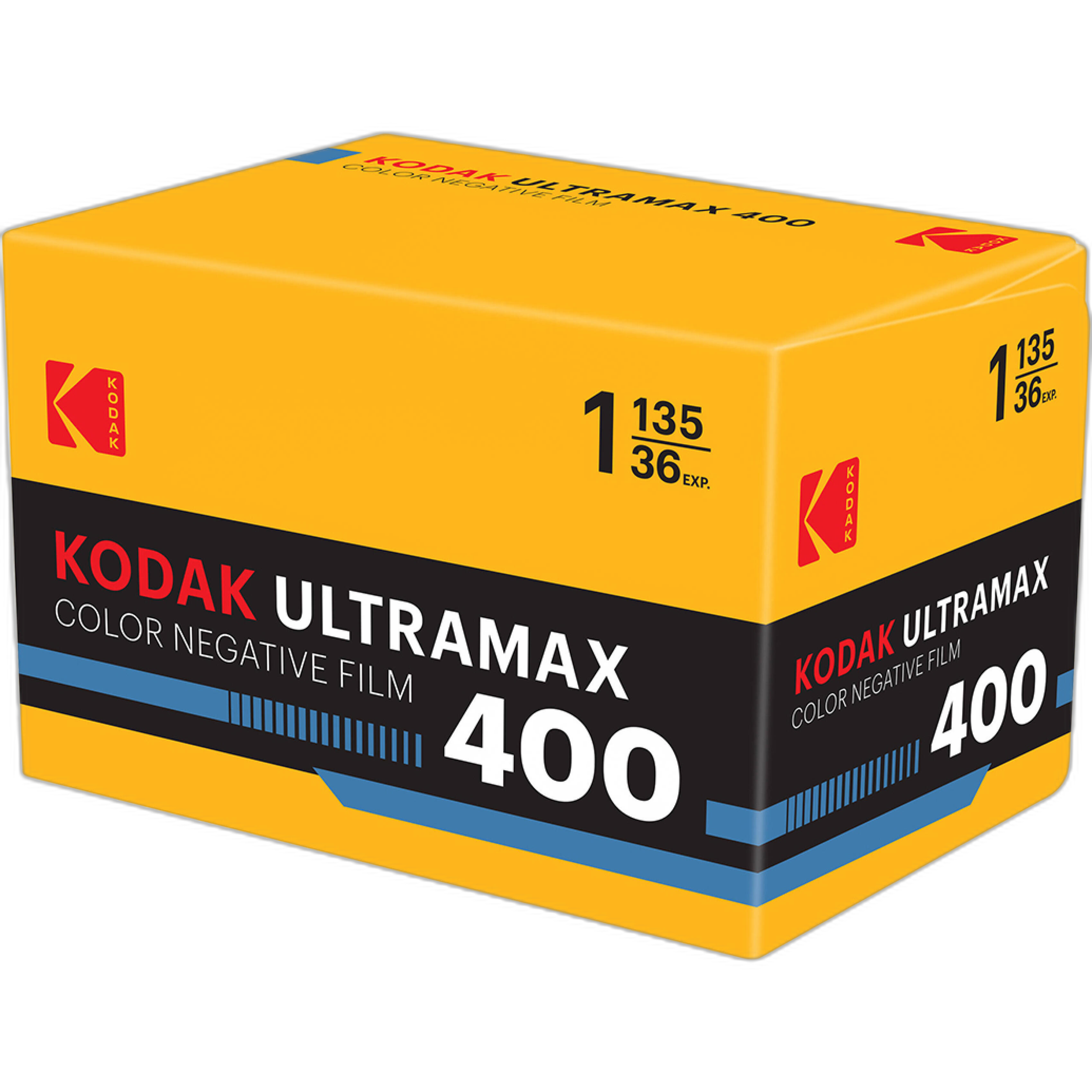
What Kodak UltraMax 400 Is
Kodak UltraMax 400 is a color negative film processed in C-41 chemistry. Its ISO 400 rating puts it squarely in the classic all-purpose speed range: fast enough to handle less-than-ideal light, but still very much a daylight-and-everyday film rather than a highly specialized low-light stock. In practical use, that balance is a major part of its identity.
Color negative film at ISO 400 has historically occupied an especially useful place in photography. It gives casual users and serious shooters alike enough speed to keep shutter speeds workable, while also offering the broad exposure latitude that has made color negative film so beloved. UltraMax 400 fits directly into that lineage. Its appeal is rooted not in technical extremity, but in versatility.
The Signature Look
Among photographers, UltraMax 400 is widely associated with a look that is warm, saturated, and generally forgiving in mixed light. Those qualities are key to understanding why the film has such broad appeal.
Warm Color Rendering
Warmth in a color film can make everyday scenes feel inviting and familiar. Skin tones, late afternoon light, storefronts, suburban streets, and travel scenes often benefit from a subtle sense of warmth that adds emotional accessibility without requiring heavy post-processing. UltraMax 400 has often been appreciated for exactly this quality: it can make ordinary scenes feel a little more welcoming and a little more vivid.
Saturated but Accessible
Saturation is another reason UltraMax 400 has remained popular. Rather than aiming for an especially muted or deliberately restrained palette, the film is known for color that has presence. Blues, reds, greens, and yellows can feel lively and confident, helping snapshots and casual documentary images read clearly and memorably. For photographers who want a color negative film that feels energetic without being difficult to use, UltraMax 400 has long been an appealing option.
Forgiving in Mixed Light
One of the most practical descriptions of UltraMax 400 is that it is forgiving in mixed light. That matters because so much real-world photography happens in imperfect lighting conditions: window light mixed with indoor lamps, cloudy daylight interrupted by shade, city streets with varied color sources, or social gatherings where lighting is anything but controlled. A film that handles such conditions gracefully becomes especially useful for travel, family photography, and everyday carrying. UltraMax 400 built much of its reputation on this kind of flexibility.
Why ISO 400 Matters
The ISO 400 speed is central to UltraMax 400's identity as a go-anywhere film. In practical terms, ISO 400 offers a strong compromise between convenience and image quality. It is fast enough to reduce the risk of camera shake compared with slower films, especially in handheld shooting, while still being suitable for bright outdoor use.
Historically, 400-speed color negative films became a natural recommendation for photographers who did not want to carry multiple film types. If you were loading one roll for a day out, a vacation, or a family event, ISO 400 made sense. It could adapt to sunshine, shade, and indoor situations more easily than slower films. UltraMax 400 belongs firmly to that tradition. It is the sort of film many photographers think of when they picture a single-roll solution.
A Film for Everyday Cameras
Another important part of UltraMax 400's story is the type of cameras it complements. This is a film that feels at home in a huge variety of 35mm systems, from simple point-and-shoots to autofocus SLRs and manual-focus classics. In consumer photography, that broad compatibility matters as much as any look or technical specification.
In compact cameras, UltraMax 400 gives users a practical speed that works well for candid snapshots and travel scenes. In SLRs, it offers enough flexibility for general photography without demanding highly specialized technique. For newcomers returning to film, it is often an intuitive place to start because the film's overall behavior tends to be approachable. For experienced photographers, it can serve as a reminder that not every great film image requires an especially niche emulsion.
Its Place in Kodak's Color Film Tradition
Kodak's history in color negative film is one of balancing accessibility, color appeal, and mass-market reliability. UltraMax 400 sits within that larger tradition as a product aimed at broad usability. While some Kodak films have become especially identified with portraiture, fine-grained detail, or more specialized aesthetic goals, UltraMax 400 has often been valued for simply being ready for almost anything.
That may sound modest, but historically it is significant. The films that become staples are often not the most exotic. They are the ones photographers trust when they want results across changing conditions. UltraMax 400's reputation as an all-around color film speaks to that longstanding role in Kodak's lineup and in film photography more generally.
Who UltraMax 400 Appeals To
Travel Photographers
Travel photography often demands flexibility above all else. Light changes quickly, scenes are unpredictable, and opportunities can appear with little warning. UltraMax 400's ISO 400 speed and forgiving nature make it an obvious fit for photographers who want one film that can reasonably cover an entire day of exploration.
Family and Everyday Shooters
For family pictures and informal documentation, the film's warm and saturated rendering can be particularly appealing. It flatters everyday life rather than distancing it. That sense of warmth helps explain why films like UltraMax 400 have remained meaningful not only as technical products, but as emotional tools for preserving memory.
New Film Photographers
For people discovering or rediscovering 35mm photography, UltraMax 400 is often a sensible film to know. The combination of C-41 processing, a versatile speed, and a forgiving visual character lowers the barrier to entry. It encourages shooting rather than hesitation.
Why It Endures
The enduring appeal of Kodak UltraMax 400 comes down to a handful of strengths that are easy to recognize and difficult to replace. It is fast enough for daily use, easy to process through the standard C-41 workflow, visually appealing in a broad range of subjects, and notably tolerant of the mixed and imperfect light that defines real life. That combination has kept it relevant across changing photographic eras.
In historical terms, UltraMax 400 stands as a reminder of something important about film photography: usefulness is part of character. A film does not need to be rare or technically extreme to become beloved. Sometimes the most lasting photographic materials are the ones that photographers can trust to deliver warmth, color, and consistency wherever they go.
Closing Thoughts
Kodak UltraMax 400 remains a classic example of the all-purpose color negative film: a C-41 stock with ISO 400 speed and a look defined by warmth, saturation, and forgiving performance in mixed light. For photographers who want a single film that feels ready for everyday life, it has long made a compelling case for itself.
To buy Kodak film, explore current availability, or learn more about film photography past and present, visit Unique Photo.