Choosing the best 35mm film stock for portraits usually comes down to four things: color rendition, skin tones, grain, and price. Whether you are just getting into film photography or refining a portrait workflow, the conversation almost always circles around the same question: which film gives you the look you want without blowing the budget?
At Unique Photo, we regularly see film shooters compare classic portrait favorites with more affordable alternatives, especially when they want flattering skin tones, manageable grain, and consistent scans. This guide breaks down the most discussed 35mm film stocks for portrait work and explains how to choose the right emulsion for your style.
What is the best 35mm film stock for portraits?
The best 35mm film stock for portraits depends on the look you want:
- Kodak Portra 400 for balanced color, soft contrast, and highly flattering skin tones
- Kodak Portra 160 for cleaner grain and a brighter, more controlled portrait look
- Kodak Gold 200 for warm, nostalgic color at a lower price
- Fujifilm 400-speed consumer stocks for cooler greens and blues with casual versatility
- Cinestill 800T for stylized portraits in mixed or tungsten light
If you want a safe recommendation for portrait work, Portra 400 remains the benchmark because it handles overexposure well, keeps skin tones natural, and scans beautifully. But if affordability matters most, consumer films can still deliver strong results with the right lighting.
35mm film color rendition compared
Color rendition is one of the biggest reasons photographers stay loyal to a specific film stock. Two films may have the same ISO, but the way they interpret reds, greens, yellows, and skin can be completely different.
Kodak Portra films are known for restrained, elegant color. They do not usually oversaturate a scene, which is why they are so popular for portraits, weddings, and editorial work. Skin tends to look natural rather than aggressively warm.
Kodak Gold 200 leans warmer and more nostalgic. It often gives portraits a sunny, familiar look that many people associate with family snapshots and lifestyle work. Gold can be a great fit if you want a more casual aesthetic.
Fujifilm consumer stocks, when available, are often appreciated for cooler overall rendering and stronger greens and blues. Some photographers prefer this look outdoors, especially in leafy environments or when trying to avoid overly warm skin.
Cinestill 800T is different from traditional daylight portrait films because it is designed for tungsten-balanced situations. It can create dramatic blues and cinematic mixed-light color shifts, making it a creative choice rather than a neutral one.
At Unique Photo, many film photographers shopping for portrait film are really choosing between neutral and forgiving versus stylized and affordable. That is usually the clearest way to frame the decision.
Which 35mm film has the best skin tones?
When photographers talk about the best skin tones on 35mm film, Kodak Portra almost always leads the discussion. There is a reason for that. Portra is designed to render skin smoothly across a range of lighting situations and complexions, with gentle contrast and pleasing highlight roll-off.
Portra 400 is especially loved because it combines flattering skin tones with flexibility. You can rate it at box speed, overexpose it slightly, or use it in changing light without losing its signature look.
Portra 160 is often preferred for more polished portrait sessions in good light. It delivers finer grain and a cleaner palette, making it ideal for studio-style natural light portraits or outdoor sessions where you want subtlety.
Gold 200 can also produce beautiful skin, but it tends to be warmer and less refined. For some portrait photographers, that warmth is exactly the point. For others, it can feel a bit too yellow or nostalgic depending on scanning and exposure.
Fuji consumer films can work very well for skin tones too, especially if you prefer a cooler balance. However, results may vary more depending on lab scans and lighting conditions.
In short:
- Most flattering and consistent: Portra 400
- Cleanest and finest portrait rendering: Portra 160
- Warm budget-friendly portraits: Gold 200
- Cooler alternative look: Fuji consumer 400-speed films
35mm film grain comparison for portrait photography
Grain matters in portraits because it affects how smooth skin appears and how much texture shows up in scans or prints. Some photographers want creamy, low-grain results. Others want grain as part of the mood.
Here is the general breakdown:
- Portra 160: finest grain among common color portrait films
- Portra 400: very good grain for ISO 400, especially when overexposed
- Gold 200: moderate grain with a classic consumer-film look
- Fuji 400-speed consumer films: more visible grain than Portra, often part of the charm
- Cinestill 800T: more pronounced grain and a stylized texture, especially in low light
If your portrait style leans clean and professional, lower-speed films usually make more sense. If you like a more documentary or nostalgic feel, moderate grain can add personality. Many photographers today intentionally choose grainier film because it helps portraits feel less clinical and more emotional.
Affordable alternatives to Portra for 35mm portraits
Portra is excellent, but it is not always the most affordable option. That is why so many discussions focus on alternatives that still look good on people.
Kodak Gold 200 is probably the most frequently recommended lower-cost alternative for portraits. It is easy to like, especially in daylight. The warmth, punch, and classic color can work beautifully for outdoor portraits, travel portraits, and casual sessions.
Kodak Ultramax 400 is another common budget choice. It has stronger saturation and more visible grain than Portra, but it offers flexibility in variable light and can be a practical option for everyday portrait shooting.
Fujifilm 400 consumer stocks have long been suggested as budget-friendly alternatives when available. They can give portraits a cooler, slightly different palette that some photographers specifically seek out.
Harman Phoenix and other newer color films may interest experimenters, but for dependable portrait results, most shooters still gravitate toward established Kodak and Fuji options.
The key is setting expectations correctly. Budget films do not always give you the same subtle skin rendering or exposure latitude as Portra, but they can absolutely produce memorable portraits with strong character.
Portra 400 vs Gold 200 for portraits
This is one of the most common 35mm portrait film comparisons, and the answer comes down to intent.
Choose Portra 400 if you want:
- Natural skin tones
- Wide exposure latitude
- Softer contrast
- Professional-looking scans
- Flexibility in changing light
Choose Gold 200 if you want:
- Lower cost per roll
- Warmer, more nostalgic color
- A classic snapshot aesthetic
- Daylight portrait sessions on a budget
Portra 400 is more forgiving and more universally flattering. Gold 200 is more opinionated, but also more affordable and often more fun for casual use. For many photographers, the ideal setup is simple: use Portra for important sessions and Gold for personal work and experimentation.
How overexposure affects 35mm portrait film
One reason certain portrait films become favorites is how nicely they respond to overexposure. Many film photographers rate their color negative film one stop slower than box speed to get brighter negatives, softer shadows, and smoother skin tones.
Portra 400 rated at 200 or 250 is a very common portrait approach. It often produces airy tones and especially pleasing skin, assuming your lab scans accordingly.
Gold 200 overexposed slightly can also look great, often becoming richer and a little softer. However, consumer films may not always hold highlights as gracefully as Portra.
Portra 160 can reward careful exposure with very refined results, but because it is slower, it works best when you have enough light or control over the scene.
When shopping at Unique Photo for film shooting accessories or cameras, it helps to think about your actual working conditions. Outdoor golden hour portraits, indoor window light, and nighttime street portraits all push film in different ways.
Best 35mm film for outdoor portraits
For outdoor portraits, the strongest options are usually:
- Portra 160 in bright daylight
- Portra 400 for all-around versatility
- Gold 200 for warm sunlit portraits
- Fuji consumer 400 for cooler greens and outdoor scenes
Outdoor portrait photographers often choose film based on how they want foliage, sky, and skin to balance together. Portra keeps things controlled and elegant. Gold emphasizes warmth. Fuji often gives outdoor scenes a slightly cooler personality.
If you are newer to film, Portra 400 is usually the easiest outdoor recommendation because it handles shifting conditions better than slower or more contrasty options.
Best 35mm film for indoor portraits and low light
Indoor portrait work is where film choice becomes more complicated. Lower-speed daylight films can struggle unless you have strong window light, flash, or a tripod.
Portra 400 is again the safest general recommendation for indoor portraits because it offers flexibility without sacrificing skin tones.
Cinestill 800T becomes attractive if you are shooting under tungsten or mixed practical lighting and want a cinematic look. The tradeoff is more pronounced grain and a more stylized color response.
Ultramax 400 can also work for lower-cost indoor portraits, though it will usually look less refined than Portra.
If you plan to scan and share online, any of these can be effective. If you want cleaner enlargements or very smooth skin detail, better light and a slower film stock are still hard to beat.
How lab scans influence film comparisons
One important detail often overlooked in online film comparisons is that lab scanning changes everything. Two photographers can shoot the same film stock and get dramatically different color simply because of different scanners, scan settings, or editing choices.
That is why sample images in discussion threads can be helpful but also misleading. Film stock matters, but so do:
- Exposure accuracy
- Lighting conditions
- Lens rendering
- Lab scanning style
- Post-processing after scanning
When comparing 35mm film for portraits, look for patterns rather than one-off examples. If a film is consistently described as warm, cool, smooth, grainy, or forgiving, that pattern is more useful than any single image.
What camera and lens setup works best for 35mm portrait film?
Film stock is only part of the portrait look. Your camera and lens also shape contrast, sharpness, and the overall feel of the image. For photographers getting started with 35mm film, a simple used film camera can be a practical entry point.
Unique Photo often serves photographers exploring both analog and hybrid workflows, and that can mean pairing classic film shooting with modern scanning or cinema-inspired visual references. While the available gear mix may vary, the goal stays the same: choose tools that support the look you want.
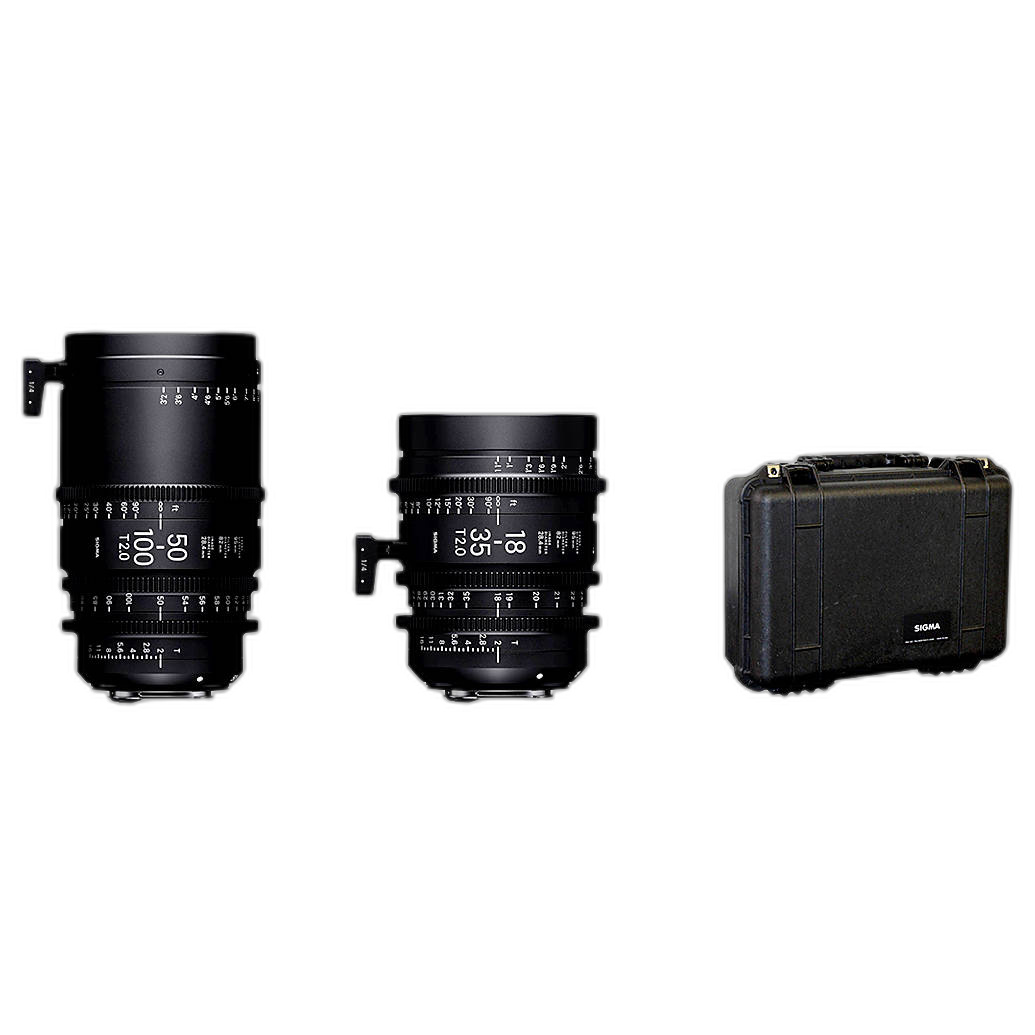
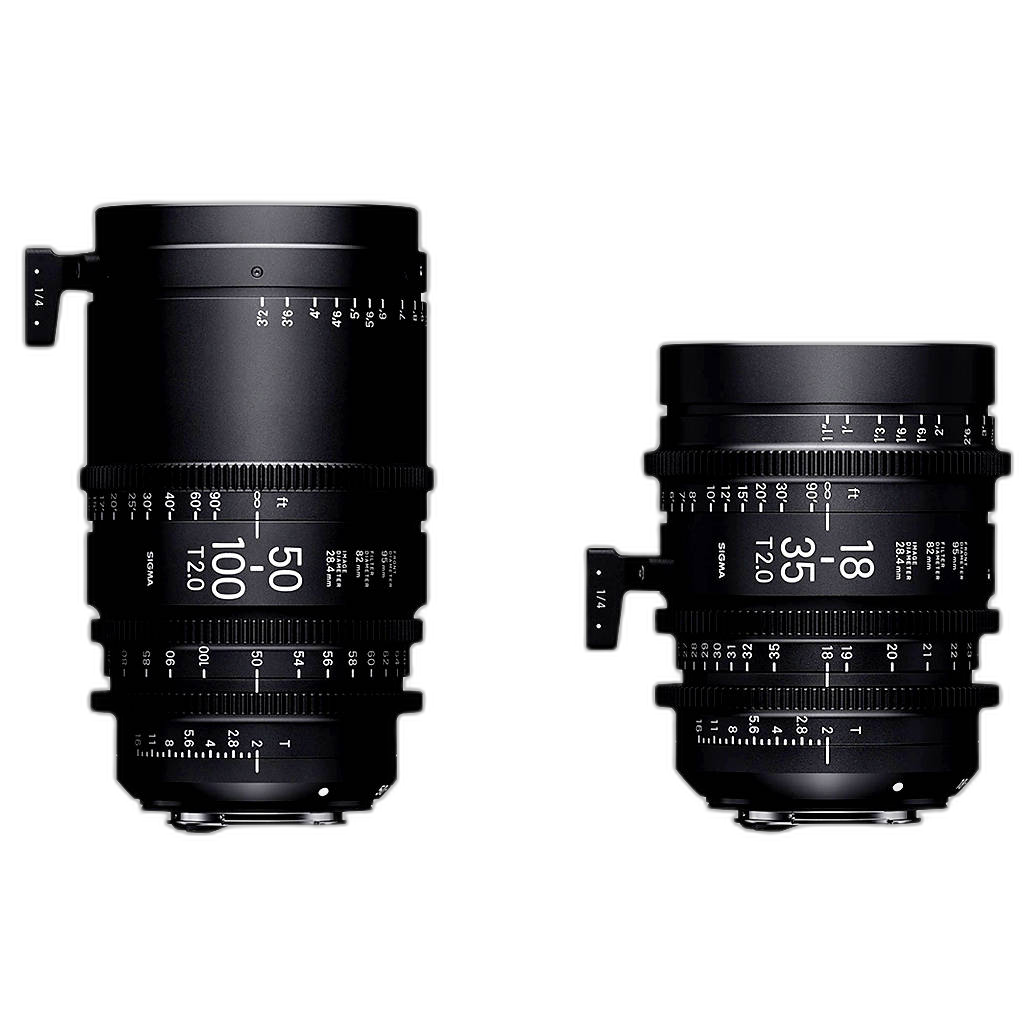
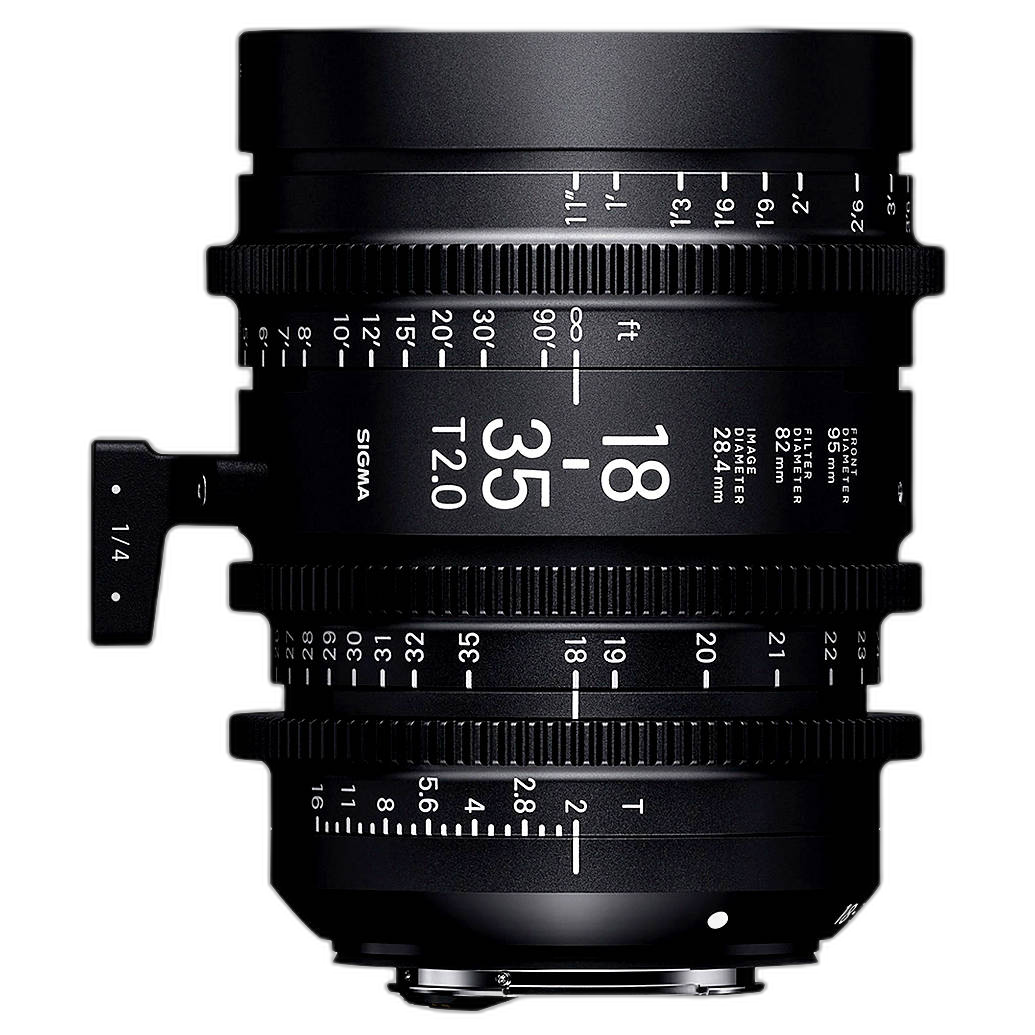
For example, photographers interested in visual storytelling may also appreciate cinema glass for digital projects alongside their film work, such as Sigma cine lens kits available through Unique Photo. Even though these are not 35mm still-film lenses, they reflect the same broader interest in color, tonal rendering, and character that drives many film stock comparisons.
Final thoughts: choosing the right 35mm film stock for your portrait style
If you want the short answer, here it is:
- Best overall 35mm portrait film: Kodak Portra 400
- Best fine-grain portrait film: Kodak Portra 160
- Best affordable portrait film: Kodak Gold 200
- Best cooler alternative look: Fuji 400 consumer film
- Best stylized low-light option: Cinestill 800T
The best film stock is ultimately the one that matches your lighting, budget, and taste. If flattering skin tones and consistency matter most, Portra remains the standard. If you want a lower-cost option with personality, Gold and other consumer films are still worth shooting.
At Unique Photo, film photographers can explore gear, accessories, and imaging tools that support both traditional and modern workflows. For related internal linking opportunities, consider pointing readers to pages on film cameras, used camera gear, scanning solutions, portrait lenses, and film developing services to help them build a complete portrait workflow.