Introduction: IBIS vs. Gimbal Is Really a Question of Shooting Style
Few video topics generate more debate than whether in-body image stabilization is enough for handheld shooting, or whether a dedicated gimbal is still essential. Real-world experience usually lands somewhere in the middle: modern IBIS can make handheld footage look dramatically better, especially for static shots, short moves, and documentary-style work, but once you want consistent walking shots, cleaner horizon control, repeatable motion, or heavier camera setups, a true gimbal still changes the game.
The DJI RS 4 Gimbal Stabilizer is positioned exactly for shooters who have reached that point. It is not a replacement for good handheld technique, and it does not make IBIS irrelevant. Instead, it fills the gap where internal stabilization starts to show its limits. For creators comparing body stabilization against tools they have used in the field, the RS 4 feels like the answer for anyone who wants more control, smoother movement, and a more dependable handheld video workflow.
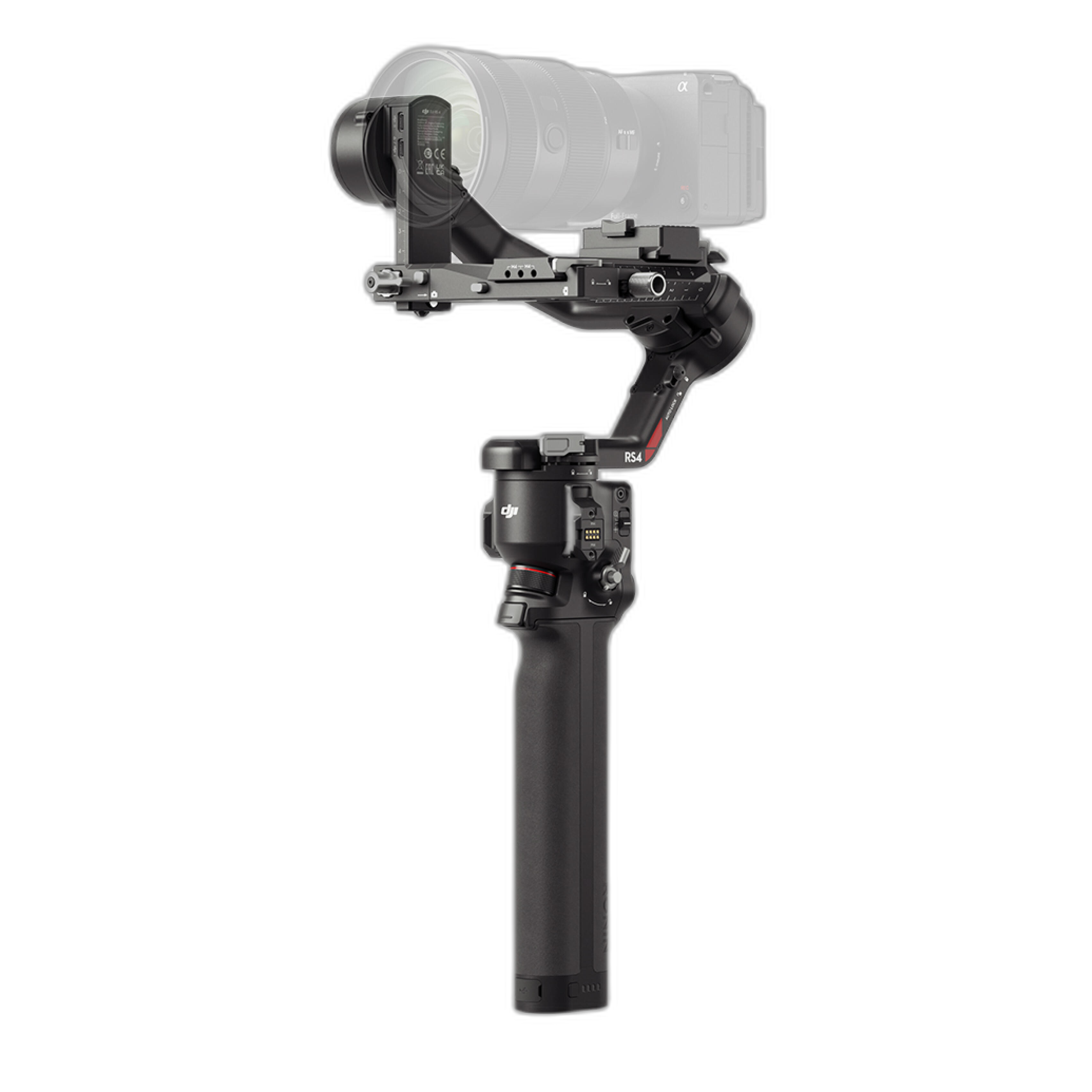
Compared with smaller stabilizers such as the Zhiyun CRANE M3S Handheld Gimbal Stabilizer Combo, or more support-oriented systems like the Tilta Float Handheld Gimbal Support System for DJI RS2/3 - Gold Mount, the RS 4 sits in a sweet spot. It is serious enough for dedicated video shooters, but still practical for hybrid creators who may only bring out a gimbal when a project truly calls for it. That makes it one of the most relevant products in the IBIS-versus-gimbal conversation.
Key Features
3-Axis Mechanical Stabilization That Solves Problems IBIS Cannot
The biggest reason to choose the DJI RS 4 is simple: mechanical stabilization still handles movement differently from sensor-shift stabilization. IBIS helps reduce micro-jitters and minor hand movement, but it often struggles with footsteps, directional drift, and the visual warping or correction artifacts that can appear during wider moves. A gimbal like the RS 4 physically stabilizes pan, tilt, and roll, which leads to motion that looks more intentional and more cinematic.
In practice, that means if your handheld footage looks fine when standing still but falls apart once you start walking, the RS 4 addresses the exact problem area. It also helps on shots where you want controlled reveals, low-angle tracking, push-ins, and smoother orbit-style movement that IBIS alone usually cannot make truly polished.
Better Platform for Heavier or More Serious Camera Builds
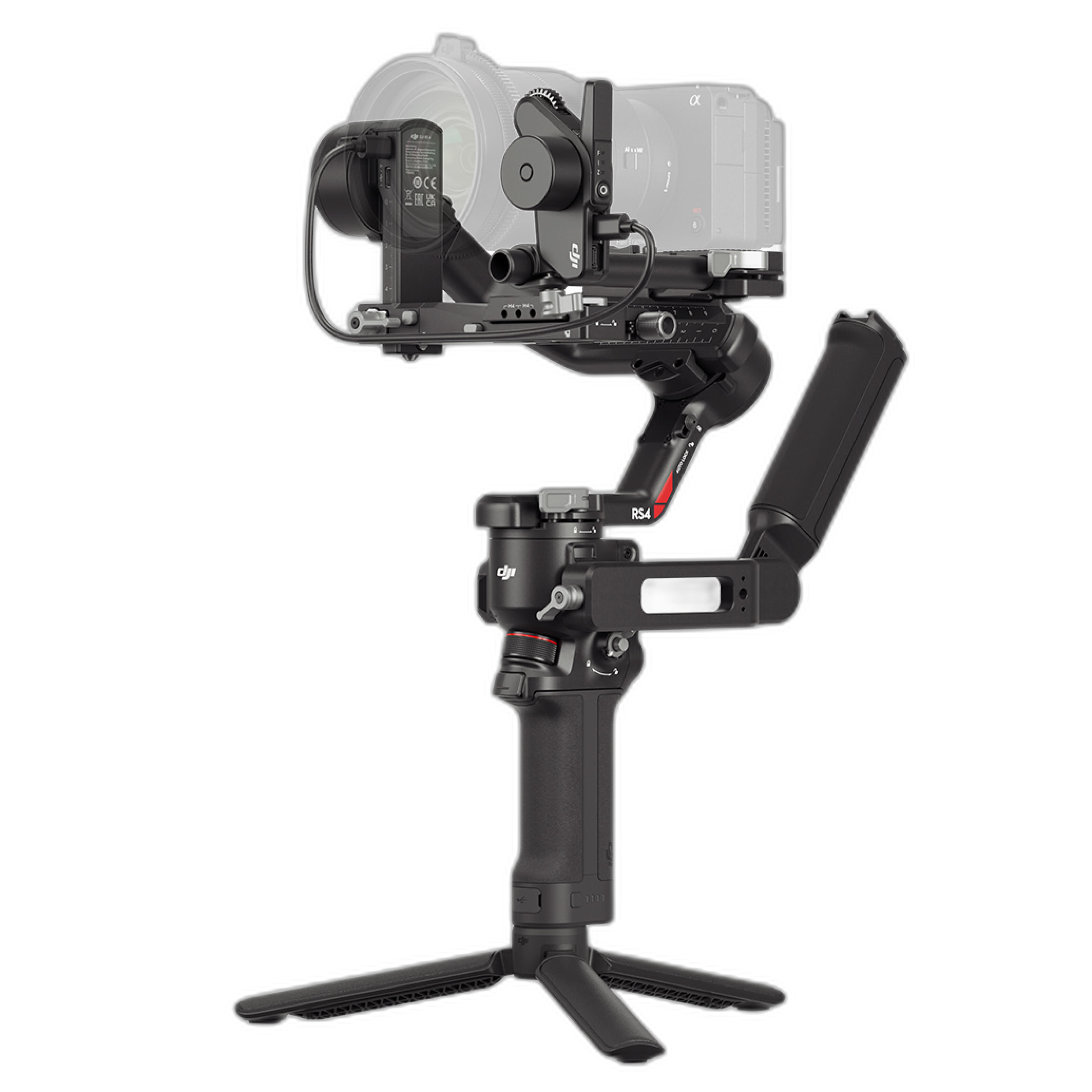
Another recurring lesson from shooters is that IBIS tends to feel best with lighter setups and wider lenses. Once you add a fast zoom, external monitor, focus motor, shotgun mic, or other accessories, handheld shooting gets harder and internal stabilization no longer carries as much of the burden. The DJI RS 4 is a more realistic platform for those expanded rigs.
This matters because many creators start by assuming IBIS will save them from buying a gimbal, only to realize their actual paid-work setup is larger, front-heavier, or more demanding than the basic body-and-prime-lens combination used in casual testing. The RS 4 is the kind of stabilizer that supports a more production-ready camera package while still staying manageable for solo operators.
More Consistent Results Than Handheld Stabilization Alone
The hidden advantage of a gimbal is not just smoother footage. It is consistency. With IBIS, results can vary significantly depending on lens choice, operator technique, body tuning, digital stabilization settings, and how aggressively the move is performed. With the RS 4 properly balanced, the footage becomes far more predictable. That reliability is a major benefit for event shooters, wedding filmmakers, real estate creators, and commercial videographers who do not have time to guess whether a walking shot will be usable.
In debates about whether a gimbal is overkill, consistency is often the deciding factor. A camera with excellent IBIS may get you 70 to 80 percent of the way there for some uses. The RS 4 is about getting the remaining percentage that clients notice.
Practical Ergonomics for Dedicated Motion Work
One reason some shooters resist gimbals is fatigue and setup time. That concern is real. Yet among dedicated stabilizers, the DJI RS 4 represents a practical balance between capability and usability. It is better suited to frequent use than older or less refined options, and it avoids some of the compromises seen in bargain or aging used gimbal systems.
For example, older products like the Used Nebula 4000 Lite 3-Axis Handheld Gimbal Stabilizer - Good or the Used ikan PIVOT Angled 3-Axis Handheld Gimbal Stabilizer - Excellent may appeal on price, but newer stabilization platforms generally offer a more modern operating experience, stronger ecosystem support, and a workflow better matched to current hybrid cameras. Likewise, smaller units such as the Used Excellent Zhiyun CRANE M3S Handheld Gimbal Stabilizer can be great for compact systems, but the RS 4 feels like the more serious tool for creators who routinely work with mirrorless bodies and expanded rigs.
Upgrade Path for Shooters Considering Support Systems
The RS 4 also makes sense because it sits within a broader support ecosystem. If your shoots become longer or your camera package grows more demanding, accessories and support systems can extend what the gimbal can do. That is where something like the Tilta Float Handheld Gimbal Support System for DJI RS2/3 - Gold Mount becomes relevant, especially for operators dealing with fatigue during all-day handheld production. Even if you are not ready for that level of support, the RS 4 is the kind of purchase that reflects a more scalable video setup.
Real-World Performance
In actual use, the DJI RS 4 makes the strongest case for itself when shooting moving subjects while the operator is also moving. That is the condition where IBIS often starts to show limitations, and where the RS 4 delivers footage that feels cleaner and more deliberate. Walkthroughs, venue tours, behind-the-scenes coverage, music-video movement, and dynamic establishing shots all benefit.
It is equally valuable for hybrid shooters who do not want to overuse digital stabilization in post. Heavy digital correction can crop the image, introduce artifacts, and sometimes produce a floaty or overly corrected look. The RS 4 gives you a steadier source file from the start, which is especially useful if you want the option to preserve full image quality.
That said, the old argument remains true: a gimbal is not automatically the answer for every handheld clip. If your work is mostly static talking-head coverage, quick documentary capture, or intentionally organic handheld motion, good IBIS may be enough. But when the job specifically calls for smooth camera travel, the RS 4 is far more than a luxury accessory. It becomes a core production tool.
Pros and Cons
Pros
- Delivers smoother walking and tracking shots than IBIS alone in most real-world scenarios
- Provides more consistent, repeatable handheld video results
- Better suited for heavier mirrorless builds and accessory-loaded camera setups
- Strong option for creators moving from casual handheld shooting into more polished production work
- Useful middle ground between compact gimbals and larger support-rig solutions
Cons
- Still adds setup time compared with simply relying on in-camera stabilization
- Less convenient for spontaneous run-and-gun shooting than shooting handheld with IBIS only
- Can introduce operator fatigue during longer sessions without added support
- May be more stabilization than necessary for shooters who mostly capture static or lightly moving footage
Verdict: The Right Choice When Smooth Motion Is Non-Negotiable
The DJI RS 4 Gimbal Stabilizer is an excellent answer to the long-running IBIS-versus-gimbal debate because it shows that the two tools are not really direct substitutes. IBIS is valuable and often impressive, but it is not the same as a well-balanced 3-axis gimbal when your footage depends on smooth movement. If your video work includes walking shots, client-facing production, event coverage, or any scenario where stable camera travel matters, the RS 4 makes a compelling upgrade.
For shooters who have been trying to make handheld IBIS do everything, this is the kind of tool that clarifies the difference immediately. It will not replace technique, and it will not be necessary for every project, but when you need controlled motion, it is the stronger solution. For creators ready to step up from stabilization as a convenience feature to stabilization as a serious production tool, the DJI RS 4 is easy to recommend.
You can buy the DJI RS 4 Gimbal Stabilizer from Unique Photo, a trusted source for camera gear, accessories, and expert support.