If you’re stuck between the Panasonic S5II and Sony FX30 for hybrid work, you’re asking exactly the right question. For creators balancing client video, social clips, interviews, events, portraits, and stills, this is less about which camera is “better” and more about which upgrade path makes more sense for how you actually work.
At Unique Photo, we talk to plenty of photographers and filmmakers who are trying to future-proof their kit without overbuying. In this comparison, we’ll break down where the Panasonic S5II makes the most sense, where the Sony cinema-style route starts to pull ahead, and what to think about if your long-term goal is eventually moving deeper into professional video.
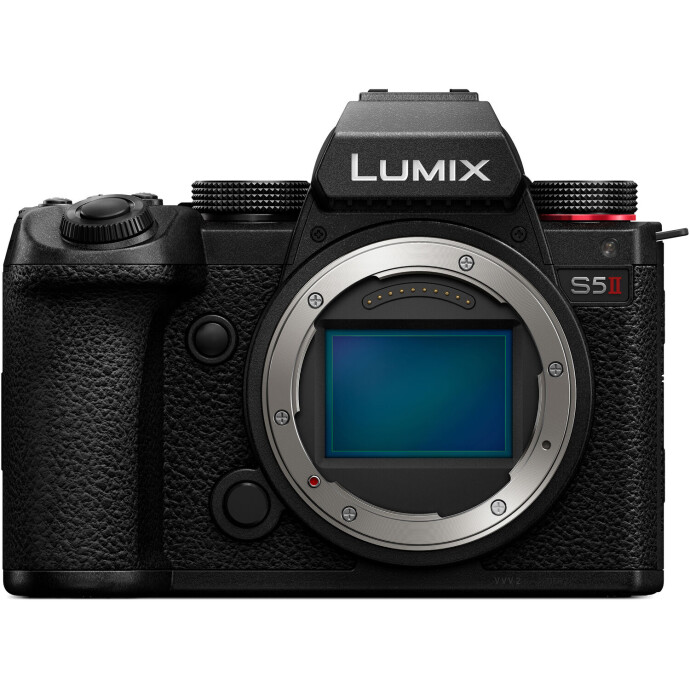
Panasonic S5II vs Sony FX30 for hybrid work: what’s the real difference?
The biggest difference is simple:
- Panasonic S5II is a full-frame hybrid mirrorless camera built to handle both strong still photography and serious video.
- Sony FX30 is a cinema-focused APS-C/Super 35 video camera that can shoot stills, but is really designed around filmmaking workflows.
So if your job includes both photography and video in meaningful amounts, the S5II usually feels like the more balanced tool. If your “hybrid” work is really becoming mostly video with occasional frame grabs or simple stills, the Sony cinema path becomes more compelling.
This is where the buying decision often gets confusing. The FX30 may seem like the more “pro video” choice, but the S5II often provides more flexibility for creators who truly need one camera to do everything well.
Is the Panasonic S5II better for photo and video shooters?
For many hybrid creators, yes. The Panasonic LUMIX S5II Hybrid Full Frame Mirrorless Camera stands out because it combines:
- Full-frame sensor advantages
- Strong video features
- Reliable autofocus improvements over earlier Panasonic bodies
- A more traditional mirrorless shooting experience for stills
- Better depth-of-field flexibility for portrait and low-light work
If you shoot weddings, events, branding sessions, portraits, travel content, product photography, or corporate interviews, the S5II is often easier to recommend as a one-body solution. It gives you a camera that feels equally at home capturing a still image gallery and a polished video deliverable.
For shoppers at Unique Photo looking for value, the Used Panasonic LUMIX S5II Hybrid Full Frame Mirrorless Camera - Excellent can also be a smart way to step into full-frame hybrid production while managing budget.

Why some creators still lean toward the Sony FX30 upgrade path
Even though the FX30 isn’t listed here directly, the reason people consider it usually has less to do with stills and more to do with the Sony cinema ecosystem. If you’re drawn to the FX30, you’re probably thinking about:
- A video-first body design
- Cinema-oriented controls and handling
- Easy integration into a broader Sony video setup
- A path toward higher-end Sony cinema bodies later
That matters. If your plan is to grow from a smaller cinema camera into a body like the Sony FX3 Full-Frame Cinema Camera, then the Sony route starts to make strategic sense. The FX3 represents the kind of upgrade many serious video creators eventually target when they want full-frame cinema performance in a compact package.
At Unique Photo, this is often where the conversation shifts from “Which camera is better today?” to “Which system do I want to build around for the next three to five years?”
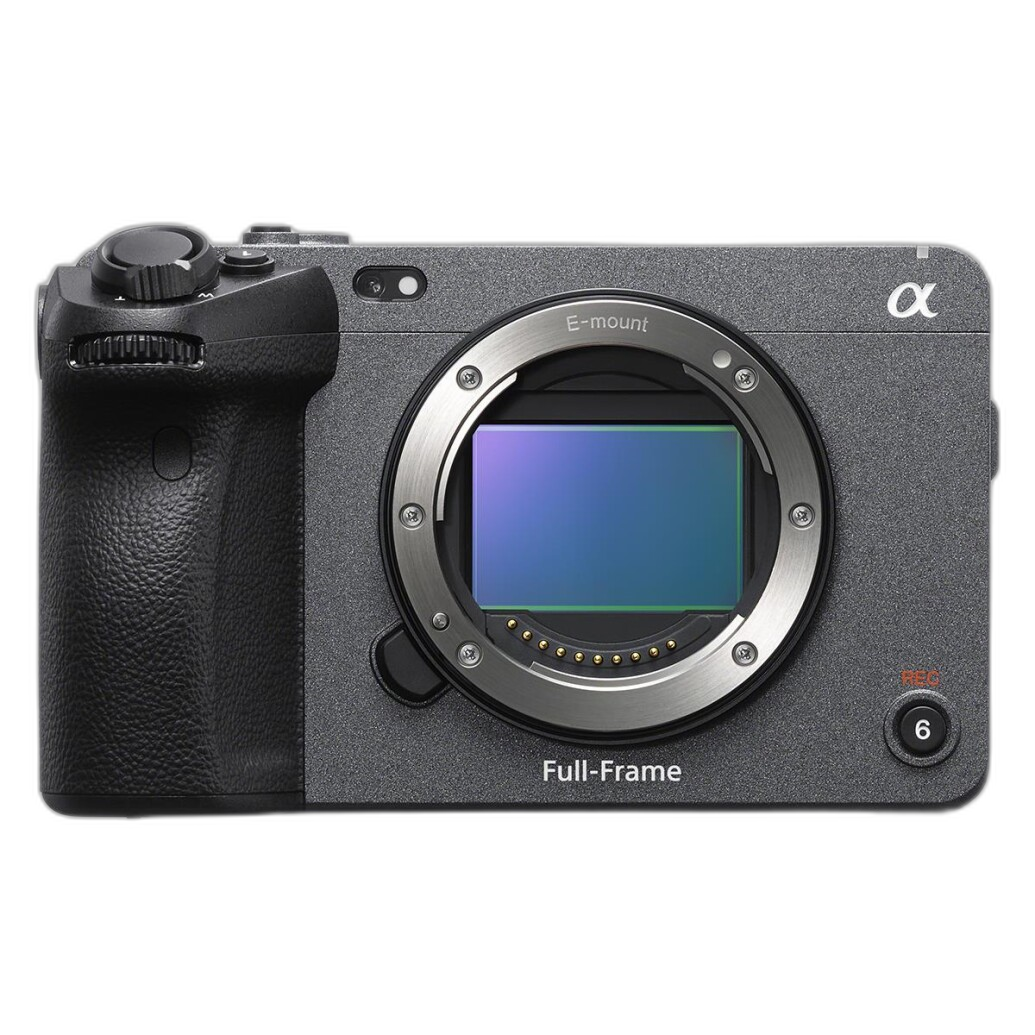
Panasonic S5II vs Sony FX30 for low light and full-frame look
If low-light performance and the classic full-frame aesthetic are high priorities, the Panasonic S5II has a clear advantage on paper. Full-frame capture can make a real difference for:
- Event coverage in dim venues
- Indoor interviews with limited lighting
- Portrait sessions with smoother background separation
- Night scenes and documentary-style shooting
The FX30’s Super 35/APS-C format is still highly usable and often preferred in cinema workflows, but if your work regularly crosses into photography, the full-frame sensor on the S5II tends to feel more versatile.
This is especially true for creators who want one camera body to handle both client portrait work and polished video without compromise.
Which camera is better for YouTube, commercial content, and client work?
The answer depends on what percentage of your income comes from stills versus video.
Choose the Panasonic S5II if:
- You shoot both photos and video every week
- You want one camera to cover portraits, events, products, and video interviews
- You value full-frame image characteristics
- You want a more balanced all-around creator camera
Lean toward the Sony cinema path if:
- You are moving heavily into video production
- You care more about cinema ergonomics than photography ergonomics
- You expect to upgrade into bodies like the Sony FX3 later
- You want consistency within a Sony video-focused workflow
For solo creators, agencies, and production teams, this distinction is huge. A hybrid shooter needs convenience and flexibility. A filmmaker often wants workflow continuity more than maximum still-image versatility.
Does it make sense to skip the FX30 and save for a Sony FX3?
For some buyers, yes. If your heart is really set on a Sony cinema workflow, it may be smarter to think beyond the FX30 and consider whether your actual long-term destination is the Sony FX3 Full-Frame Cinema Camera. That can help clarify the decision:
- If you need a hybrid camera now, buy the S5II.
- If you really want to become video-first in the Sony ecosystem, consider whether saving toward an FX3 is the cleaner upgrade path.
The FX3 is a meaningful step up for creators who prioritize professional video production. Unique Photo also offers options like used and open box Sony FX3 inventory, which can be worth watching if you want to stretch your budget while entering a serious cinema platform.

Best upgrade path if you are coming from an older hybrid mirrorless camera
If you’re upgrading from an older entry-level or midrange mirrorless body, the S5II is often the smoother jump. Why? Because it improves your video capabilities without forcing you to change how you work as a photographer.
You still get a familiar mirrorless form factor, solid still-image usability, and a more balanced feature set. For many creators, that translates into a faster return on investment.
If instead you’re already thinking like a filmmaker—building rigs, working with monitors, recording long-form content, and prioritizing video delivery over still galleries—then the Sony cinema route becomes easier to justify.
Lens ecosystem and system planning matter more than most buyers expect
When comparing Panasonic S5II vs Sony FX30, don’t just compare bodies. Think about:
- The lenses you’ll need in the next 12 months
- Whether you need photo-first or cinema-first ergonomics
- How often you shoot low light
- Whether you will eventually add a second body
- Your resale and upgrade strategy
This is one reason Unique Photo shoppers often benefit from thinking in stages. A camera purchase isn’t just one product—it’s the start of a system. If you need immediate hybrid versatility, full-frame value, and a body that can handle both paid stills and video, the S5II is extremely compelling. If you’re trying to build toward a dedicated cinema setup, Sony’s lineup becomes more attractive as you move upmarket.
Final advice: Panasonic S5II or Sony FX30 for hybrid creators?
Here’s the short version:
- Pick the Panasonic S5II if you are truly a hybrid creator and need one camera that handles both photography and video at a high level.
- Pick the Sony cinema path only if your work is trending strongly toward filmmaking and you care more about future cinema integration than still-image versatility.
For most people asking this exact question, the Panasonic S5II is the safer and smarter hybrid buy. It covers more kinds of paid work, gives you full-frame flexibility, and makes sense for creators who can’t afford to compromise on stills.
But if you already know your future is video-first, then it may be worth thinking bigger than the FX30 and exploring the Sony FX3 ecosystem through new, used, or open-box options at Unique Photo.
To continue your research on Unique Photo, consider linking readers to related categories such as mirrorless cameras, cinema cameras, used camera gear, and Panasonic or Sony camera system pages to compare upgrade options side by side.