Field Test Results: Sony Ultra-Wide and Standard Zoom Lenses for Real-World Landscape Work
For landscape photographers, spec sheets only tell part of the story. On paper, Sony’s FE 12-24mm f/2.8 GM, 12-24mm f/4 G, and 20-70mm f/4 G each make a strong case depending on your budget, shooting style, and need for speed or flexibility. But once you get out into real locations—windy overlooks, blue-hour coastlines, bright midday trails, and changing weather—the differences become much clearer.
In this comparison, we’re looking at two ultra-wide options and one highly versatile wide-to-standard zoom to see how they stack up for actual landscape photography. The goal is simple: help you decide whether maximum width, better low-light performance, or broader focal range matters most for your shooting.
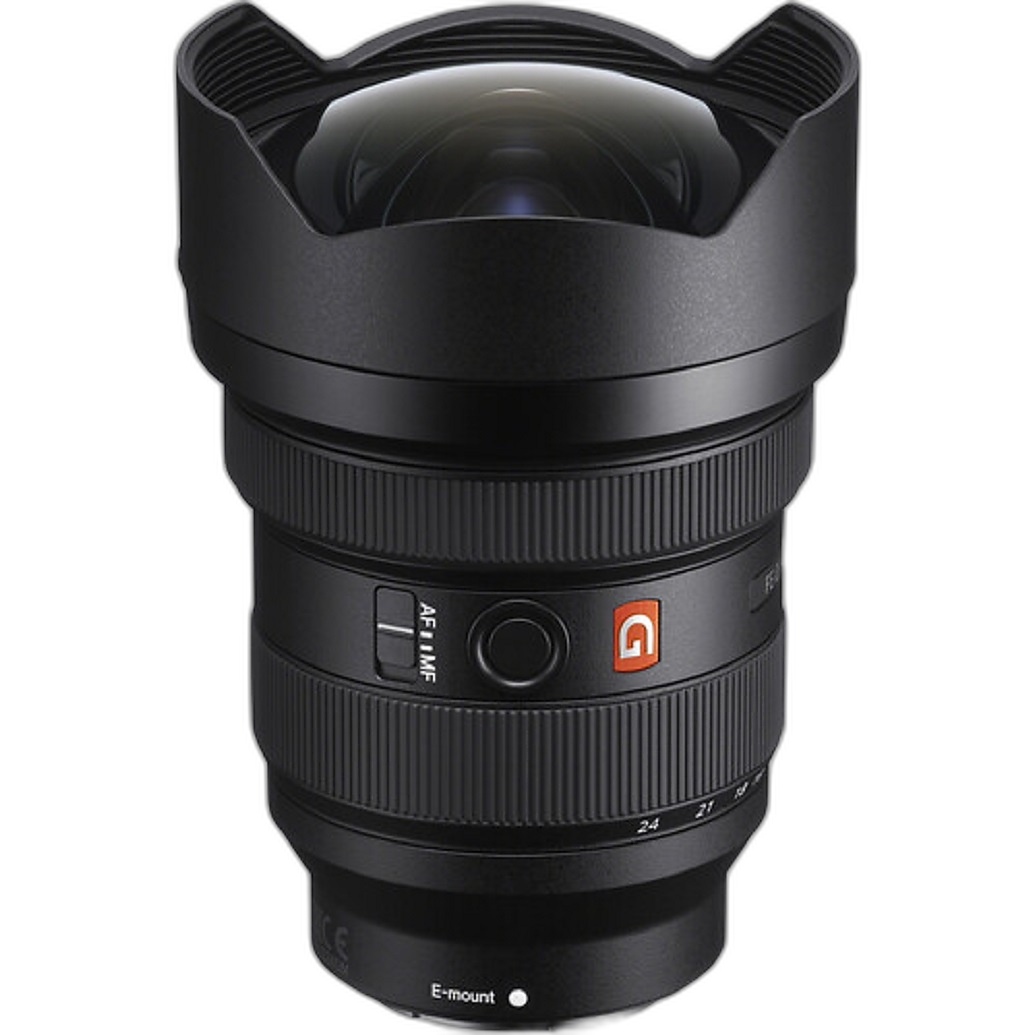
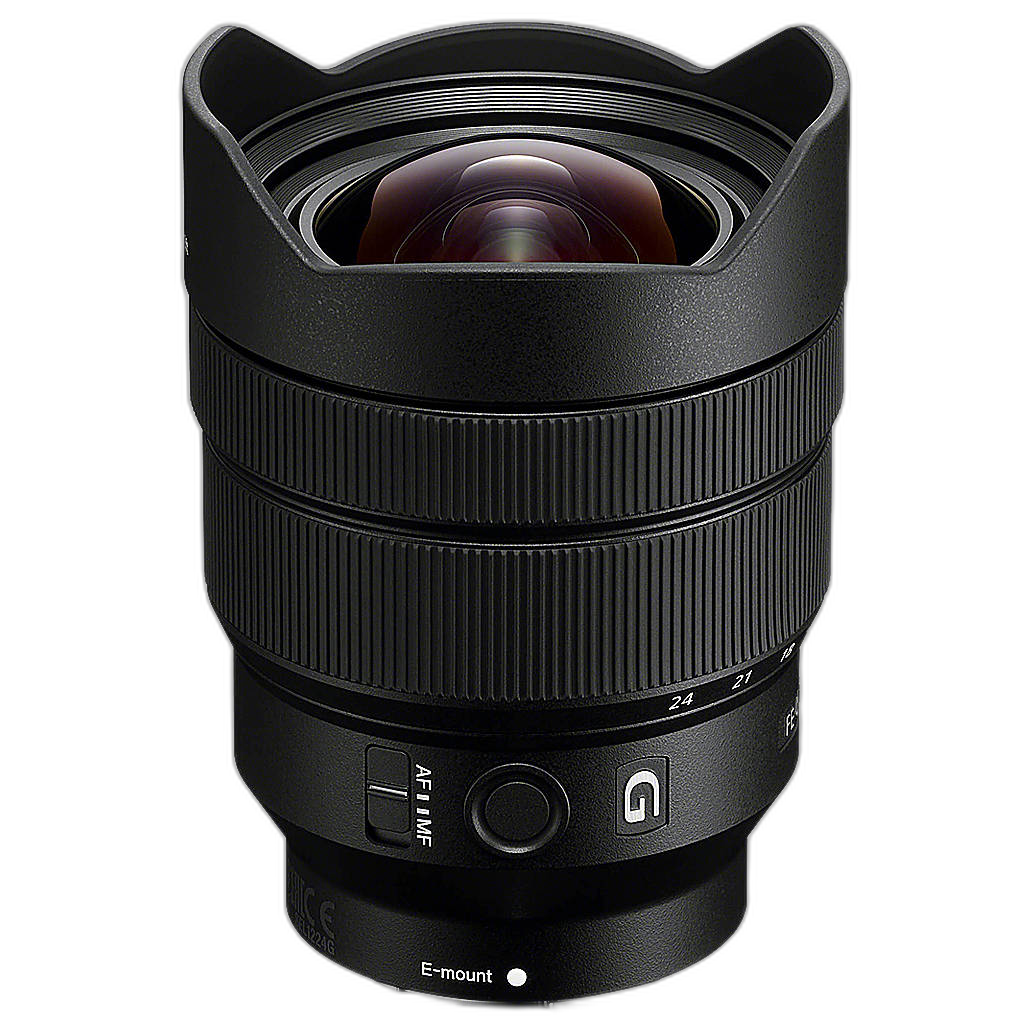
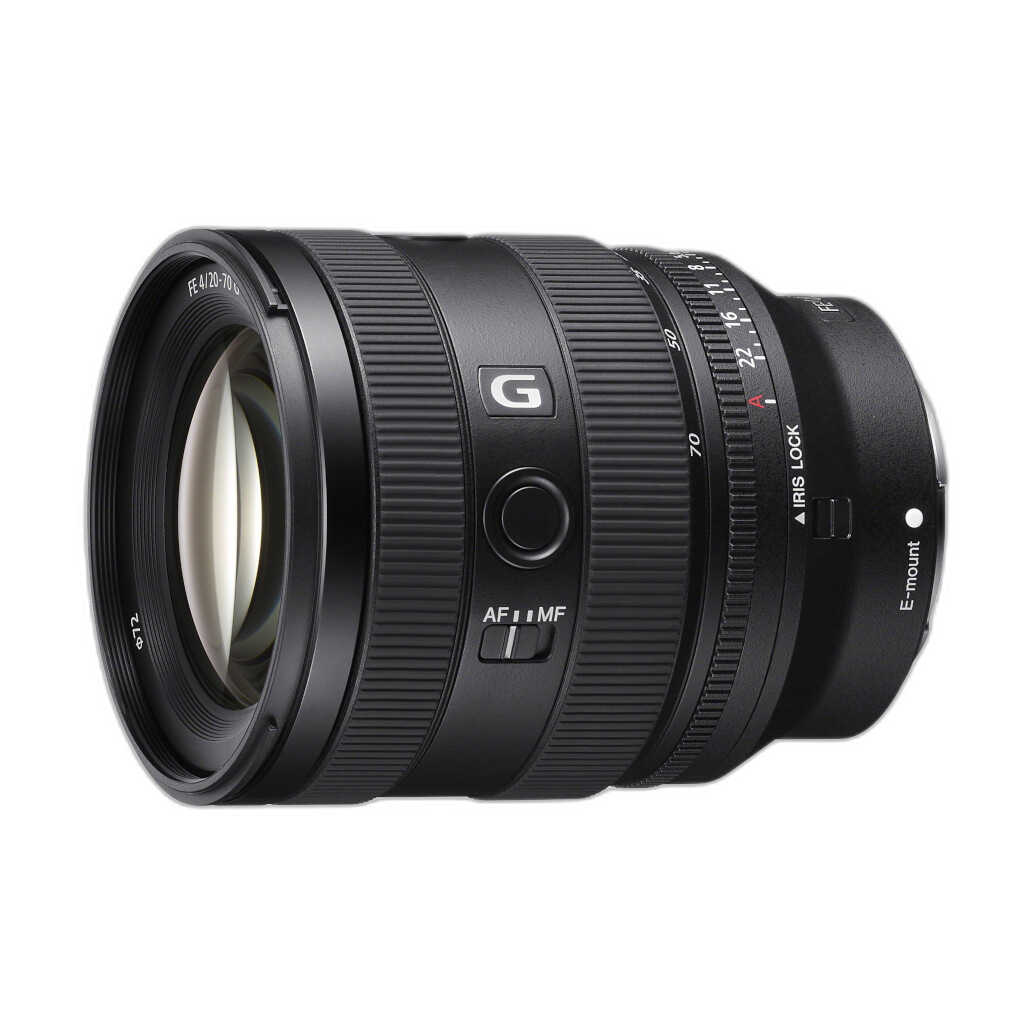
Side-by-Side Specs Comparison
| Lens | Focal Range | Max Aperture | Landscape Strength | Tradeoff |
|---|---|---|---|---|
| Used Sony FE 12-24mm f/2.8 GM Lens - Excellent | 12-24mm | f/2.8 | Maximum width plus strong low-light and astro-friendly performance | Higher cost and more specialized range |
| Used Sony 12-24mm f/4 G - Excellent | 12-24mm | f/4 | Ultra-wide coverage in a lighter, more approachable package | One stop slower for dawn, dusk, and night work |
| Used Sony FE 20-70mm f/4 G Lens - Excellent | 20-70mm | f/4 | Best versatility for travel landscapes and mixed subjects | Not nearly as dramatic at the wide end as a 12mm lens |
How These Lenses Behave in Real Landscape Conditions
Field of View and Scene Coverage
The biggest difference in real-world landscape shooting is obvious the moment you raise the camera to your eye: 12mm sees dramatically more than 20mm. If you shoot canyon walls, waterfalls in tight spaces, interiors of old structures, or foreground-heavy compositions with leading lines, both 12-24mm lenses have a clear advantage. That extra width lets you exaggerate scale and create images with more depth.
Between the two 12-24mm options, compositionally they feel similar. In the field, both excel when you need to work close to rocks, flowers, driftwood, or trail edges while still including a huge sky or distant mountain range. If your landscape style depends on immersive, sweeping frames, either ultra-wide makes immediate sense.
The 20-70mm f/4 G is different. It starts wide enough for many scenic views, but it does not deliver the same visual drama as 12mm. What it does offer is flexibility. On the same hike, you can capture a broad vista at 20mm, then zoom to 35mm, 50mm, or 70mm to isolate ridgelines, patterns in light, or layers in the distance. For photographers who prefer varied framing over extreme width, that flexibility is a major advantage.
Sharpness Across the Frame
For landscapes, edge-to-edge performance matters. In practical use, the FE 12-24mm f/2.8 GM is the lens that feels most premium in demanding scenes. It is the kind of lens you reach for when you know you’ll be printing large, shooting detailed foreground textures, or working in scenes where corner quality matters.
The 12-24mm f/4 G still performs very well for landscape work, especially when stopped down as many landscape shooters already do. In real outdoor use at typical landscape apertures, it remains highly capable and gives up less than many photographers might expect unless they are especially critical about the outer edges.
The 20-70mm f/4 G offers a different kind of strength: consistency across a highly useful zoom range. It may not be the specialized ultra-wide landscape tool the 12-24mm lenses are, but for photographers who move between wide vistas and tighter environmental compositions, it produces a very practical balance of detail and usability.
Low-Light, Sunrise, Sunset, and Astro Use
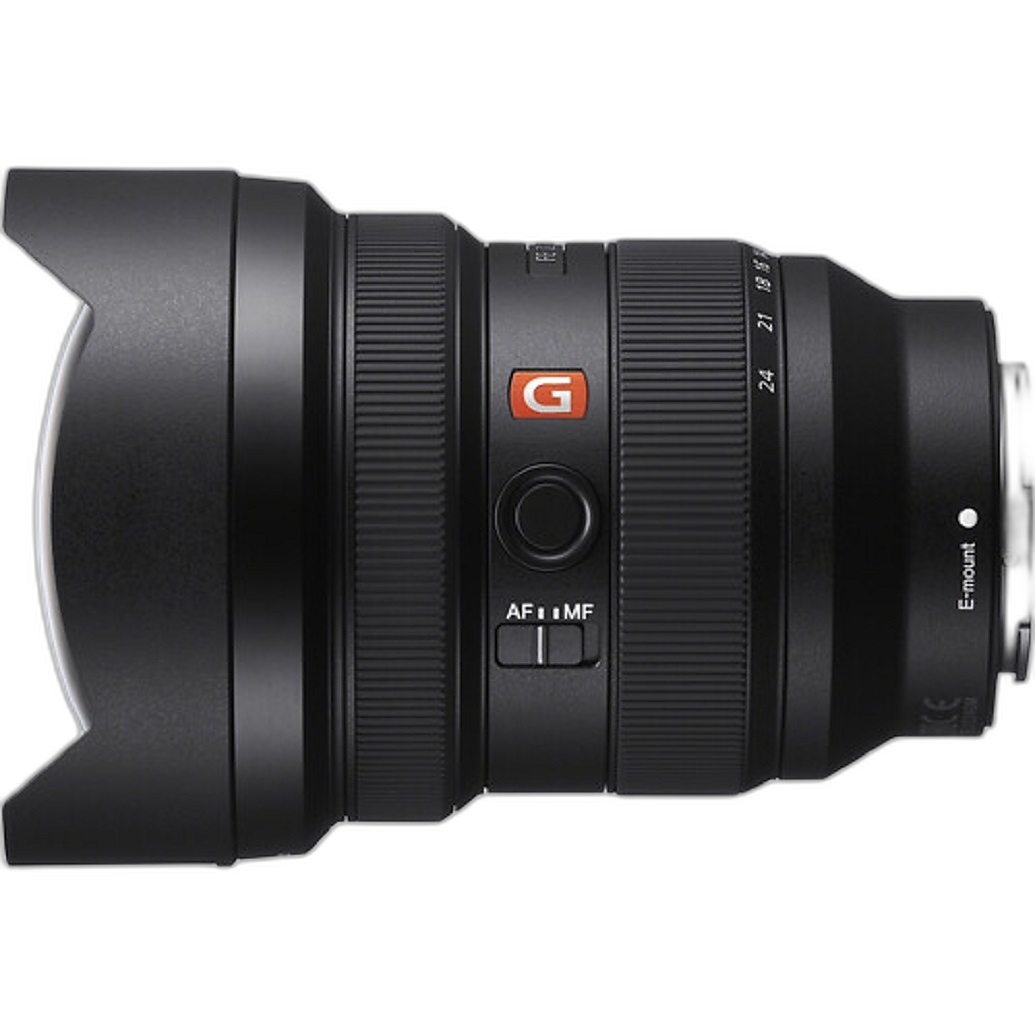
This is where the FE 12-24mm f/2.8 GM separates itself most clearly. Landscape photography often starts before sunrise and ends after sunset. That extra stop over the f/4 lenses can be valuable when you’re trying to keep ISO in check, freeze moving clouds or foliage slightly better, or shoot night skies with cleaner results.
For astrophotography, the f/2.8 GM is the strongest option in this group by a wide margin. Pairing 12mm with f/2.8 gives you a combination of expansive sky coverage and stronger light gathering that the f/4 lenses simply can’t match.
The 12-24mm f/4 G can still be effective for tripod-based blue-hour landscapes, especially if your subject is static and you don’t mind longer exposures. But if night sky work is part of your landscape routine, the GM has a meaningful real-world advantage.
The 20-70mm f/4 G is perfectly usable at sunrise and sunset, especially for travel shooters or those who commonly use a tripod. It just is not the first choice when low-light capability is the deciding factor.
Versatility on the Trail
If you are walking long distances and want one lens that can stay on the camera all day, the 20-70mm f/4 G is the easiest recommendation. It covers classic wide landscape views, environmental portraits, detail shots, roadside scenes, and compressed compositions without forcing a lens change. In actual travel and hiking use, that kind of range often matters more than having the absolute widest focal length.
By contrast, both 12-24mm lenses are more specialized. They are excellent when the mission is clearly ultra-wide landscape work, architecture, interiors, or dramatic perspective. But if your day includes everything from establishing views to medium tele-style compositions, you may feel the limitations of stopping at 24mm.
Value and Buying Decision
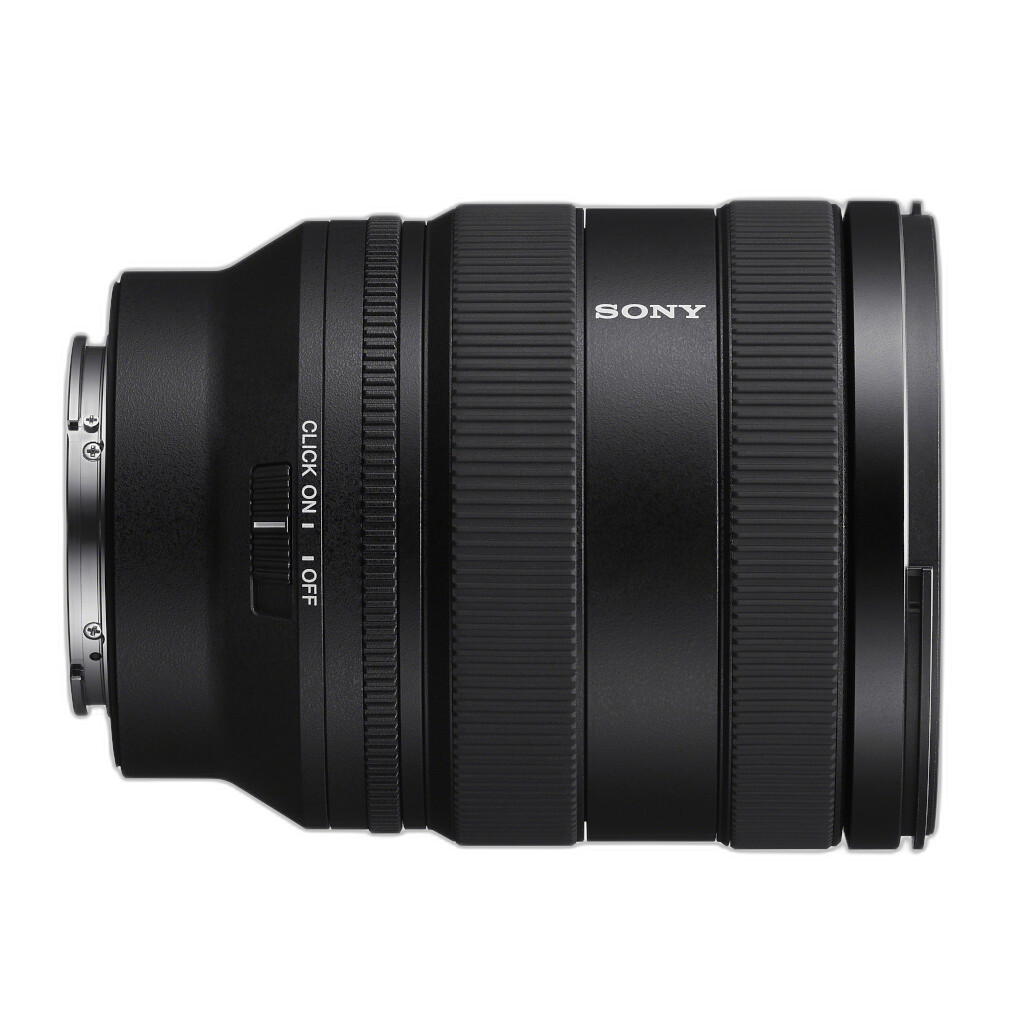
For many photographers, the real choice is not just performance, but whether that performance matters enough to justify the lens type. The FE 12-24mm f/2.8 GM is the premium pick. If landscapes are your serious focus and you routinely shoot dramatic foregrounds, twilight scenes, or astro images, its advantages are easy to appreciate.
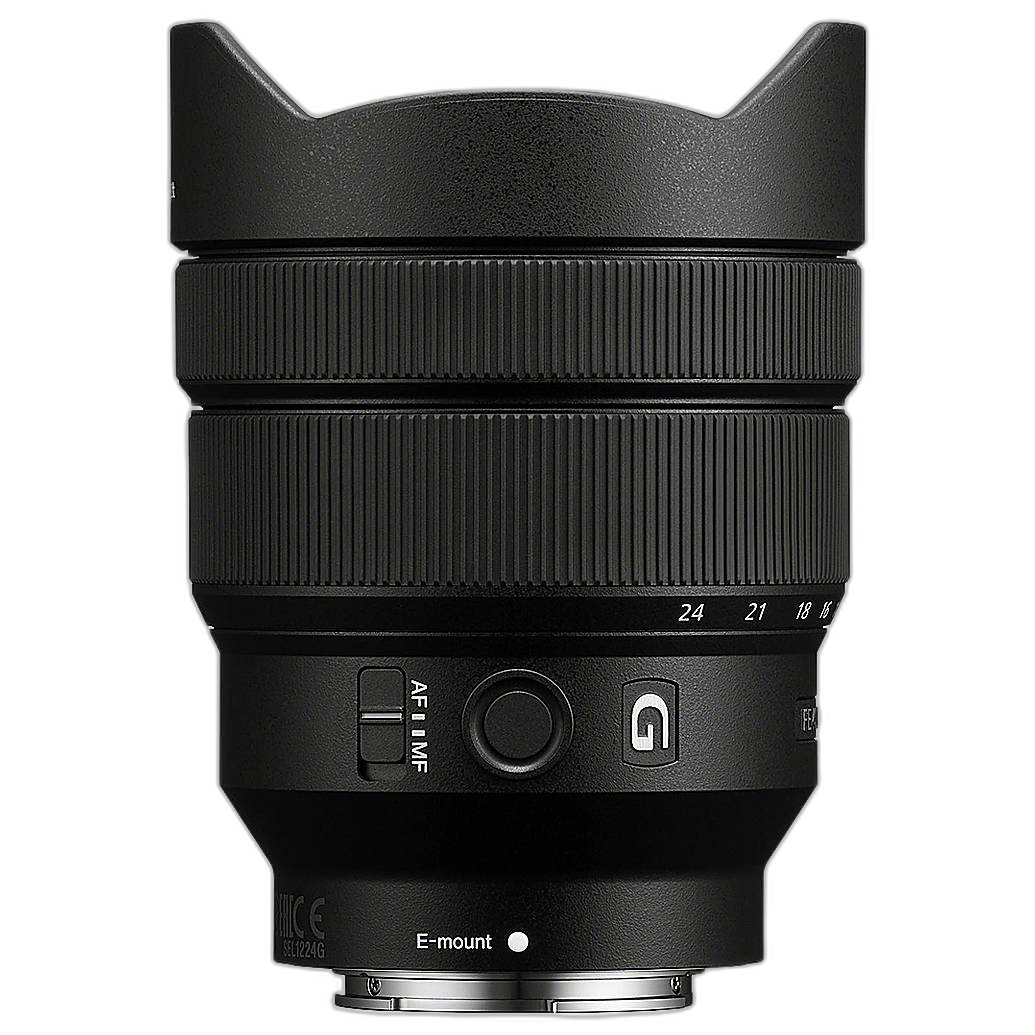
The 12-24mm f/4 G is the practical ultra-wide option. You still get the expansive 12mm perspective that makes landscape imagery feel immersive, but without stepping into the highest-end tier. For many shooters, especially those working mostly stopped down in daylight, this lens represents strong real-world value.
The 20-70mm f/4 G may actually be the smartest buy for the broadest group of landscape photographers. Not because it is the most extreme lens here, but because it is the one most likely to handle an entire trip without compromise. If you photograph landscapes as part of a wider travel or outdoor workflow, that matters a lot.
Our Pick
Our Pick: Used Sony FE 20-70mm f/4 G Lens - Excellent
For the widest range of real-world landscape photographers, the Used Sony FE 20-70mm f/4 G Lens - Excellent is the best overall choice. It may not match the visual impact of 12mm, and it cannot touch the FE 12-24mm f/2.8 GM for astro or premium ultra-wide work, but in actual field use it is the lens that adapts best to changing scenes. From expansive overlooks to tighter compositions of distant layers, it covers more situations with fewer lens changes.
If your photography is specifically built around dramatic ultra-wide compositions or night landscapes, step up to the Used Sony FE 12-24mm f/2.8 GM Lens - Excellent. If you want ultra-wide coverage at a more approachable level, the Used Sony 12-24mm f/4 G - Excellent remains a very compelling option.
Conclusion
In beta tests and spec comparisons, it is easy to focus on aperture numbers and focal lengths alone. But in real-world landscape shoots, the best lens is the one that matches how you actually work. The Sony FE 12-24mm f/2.8 GM is the high-end specialist, the 12-24mm f/4 G is the value-minded ultra-wide, and the 20-70mm f/4 G is the flexible all-arounder that will suit the largest number of shooters.
If you’re ready to compare used Sony lenses for your next landscape trip, Unique Photo is a great place to explore dependable options and find the right fit for your style.