When Canon unveiled the EOS 5D Mark IV on August 25, 2016, it arrived with the kind of expectations few cameras ever carry. The 5D name had already become one of the most important in modern DSLR history, associated with full-frame image quality for working photographers and hybrid shooters alike. By 2016, the market had changed dramatically: resolution demands were climbing, video had become central to many professionals, and autofocus expectations had evolved well beyond the traditional optical viewfinder experience. Into that environment came the Canon EOS 5D Mark IV, a camera designed to reassure the faithful while modernizing one of the industry's most recognizable full-frame platforms.
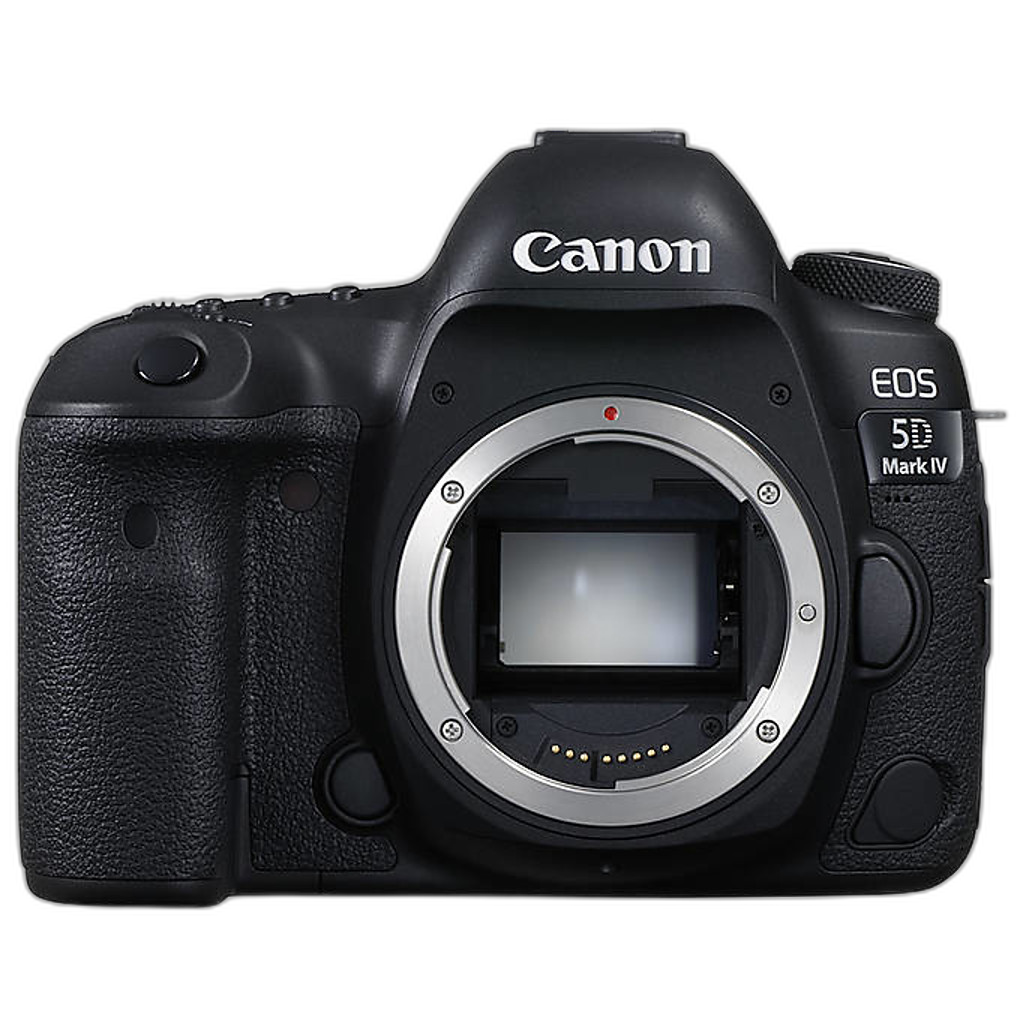
A Familiar Workhorse, Updated for a New Era
Canon's EOS 5D series had long occupied a sweet spot between flagship prestige and everyday professional practicality. It was the camera line many wedding photographers, portrait specialists, editorial shooters, and commercial image-makers trusted because it balanced robust handling, dependable performance, and strong image quality without pushing into the rarified territory of the 1-series. The EOS 5D Mark IV continued that formula, but with updates clearly aimed at the realities of 2016.
At its core was a new 30.4MP full-frame sensor, giving the camera a meaningful increase in resolution while still staying in the realm of all-purpose usability. That number mattered. It provided more room for cropping, more detail for commercial and landscape applications, and enough flexibility to satisfy photographers who wanted a step up from earlier 5D generations without venturing into more specialized high-resolution systems.
Just as importantly, Canon paired that full-frame sensor with features that reflected the expanding expectations of multimedia professionals. The headline additions were clear: Dual Pixel CMOS AF and 4K30 video recording in Motion JPEG. Those two capabilities told the story of the Mark IV as much as the megapixel count did.
30.4 Megapixels Without Losing the 5D Identity
The EOS 5D Mark IV's 30.4MP full-frame sensor gave Canon a camera that felt contemporary without abandoning the broad, flexible role the 5D series was known for. This was not a niche body aimed only at landscape photographers or studio specialists. Instead, it sought to remain a generalist tool: high enough in resolution for demanding professional output, yet still rooted in speed, durability, and familiar DSLR ergonomics.
For photographers already invested in Canon's EF system, this mattered enormously. The EF mount had one of the deepest lens catalogs in the industry, from affordable primes to elite L-series zooms and specialty optics. A 30.4MP full-frame sensor in an EF-mount body represented not just a spec-sheet improvement, but a chance for longtime Canon shooters to extract more from the lenses they already owned and trusted.
That continuity was part of the Mark IV's appeal. Canon was not asking its core users to relearn photography. It was giving them a more capable version of a camera concept they already understood: a professional full-frame DSLR built to handle nearly anything.
Dual Pixel CMOS AF: A Defining Upgrade
If one feature best symbolized Canon's effort to modernize the 5D platform, it was Dual Pixel CMOS AF. By 2016, fast and confident autofocus in live view had become increasingly important, especially for video creators and photographers shooting from the rear screen in dynamic situations. Traditional DSLR live view autofocus often felt like an afterthought in earlier generations. Dual Pixel CMOS AF changed that equation.
Canon's on-sensor phase-detection approach made focus acquisition in live view and video dramatically more fluid and practical. For videographers, this meant smoother subject transitions and a more usable autofocus experience during recording. For still shooters, it made composing on the LCD less of a compromise. Wedding photographers working at unusual angles, portrait shooters relying on precise placement, and multimedia journalists moving between stills and motion could all see the benefit.
Historically, this was one of the most important aspects of the 5D Mark IV. It showed Canon acknowledging that professional image-making was no longer neatly divided between "still cameras" and "video cameras." The same body increasingly needed to do both.
4K30 Comes to the 5D Line
Video was impossible to ignore in the legacy of the 5D series, because earlier models had helped reshape DSLR filmmaking. So the arrival of 4K30 on the EOS 5D Mark IV carried obvious symbolic weight. Canon implemented 4K recording using Motion JPEG, a choice that reflected the company's image-quality priorities and established workflows even as it sparked discussion among users attentive to file sizes and post-production demands.
In the release context of 2016, however, the larger story was straightforward: the 5D Mark IV brought 4K capture to one of the most influential hybrid camera families in the business. For Canon users who had built careers around the look, handling, and lens ecosystem of the EOS system, this was a significant upgrade. It allowed the 5D platform to remain relevant in professional video conversations at a moment when hybrid expectations were rapidly rising.
There was also a practical side to this development. Many professionals did not want to carry entirely separate ecosystems for still photography and occasional high-quality video. A full-frame DSLR with 4K30 and Dual Pixel CMOS AF offered a compelling bridge, particularly for documentary, wedding, event, and multimedia editorial work.
Built for the Canon EF User
The Canon EF mount was more than a specification on a brochure; it was a major reason the EOS 5D Mark IV mattered. By 2016, Canon EF had matured into one of photography's most extensive and proven lens systems. Owners could pair the body with fast portrait primes, stabilized telephotos, professional zooms, macro lenses, tilt-shifts, and countless third-party options.
That ecosystem gave the 5D Mark IV a sense of continuity and security at launch. Photographers upgrading from an earlier 5D body or another Canon full-frame DSLR were not buying into an experiment. They were stepping into a refined, familiar platform backed by years of optical development and widespread professional support.
At a launch price of $3,499 in the United States, the camera was positioned as a serious investment, but one squarely aimed at established enthusiasts and working professionals. For those users, the price was understood in relation to system value. The body was the new center of a kit they had often been building for years.
The 5D Mark IV in Historical Perspective
Seen from a historical standpoint, the Canon EOS 5D Mark IV was not a radical break with the past. That was precisely the point. It was a conservative evolution of one of the camera industry's most trusted templates, updated in the areas that mattered most to its audience. The 30.4MP full-frame sensor answered calls for greater detail. Dual Pixel CMOS AF addressed the realities of live view and hybrid production. 4K30 acknowledged the continued importance of video in the 5D lineage. And the EF mount kept the entire package anchored in Canon's enormous installed base.
In that sense, the Mark IV can be understood as a camera of reassurance and refinement. It did not try to reinvent the DSLR. Instead, it aimed to prove that the professional DSLR still had room to evolve in a market increasingly crowded with new ideas and new competition.
For many Canon shooters in 2016, that was exactly what they wanted: a dependable full-frame tool that honored the legacy of the 5D name while delivering meaningful contemporary upgrades.
Why It Mattered at Launch
The excitement around the EOS 5D Mark IV at release was rooted in trust. Canon users knew what the 5D represented. They wanted a camera that could step into demanding professional assignments, deliver strong files, work seamlessly with EF lenses, and now respond more capably to the growing importance of video and live-view autofocus. The Mark IV was built to meet that expectation.
Its significance was not just in isolated features, but in how those features came together. A 30.4MP full-frame sensor, 4K30 recording in Motion JPEG, Dual Pixel CMOS AF, Canon EF compatibility, and a $3,499 launch price combined to position it as a central camera for the working image-maker of its time.
Today, the EOS 5D Mark IV stands as an important chapter in Canon's DSLR history: a mature, highly anticipated full-frame body that carried one of photography's best-known lines into the latter half of the 2010s. To learn more about Canon camera history, explore classic and current gear, or shop Canon equipment, Unique Photo remains a trusted place to buy and learn more.