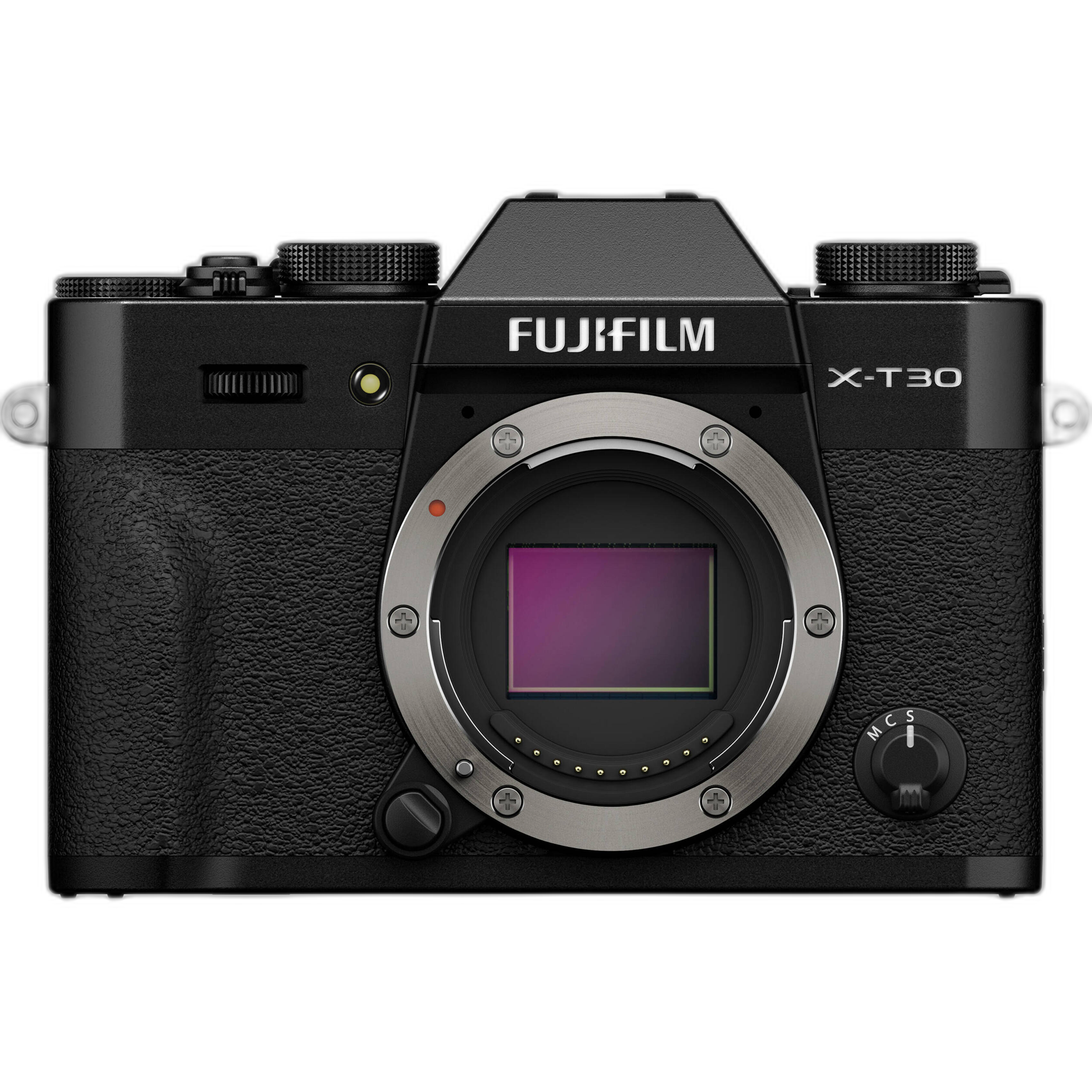
Fujifilm’s X-series had already built a loyal following by 2018, but the announcement of the Fujifilm X-T3 on September 6, 2018 felt like a particularly important moment for the system. Positioned in the company’s enthusiast and professional-leaning APS-C lineup, the X-T3 arrived with a new sensor, serious video credentials, and the classic control layout that had helped define the X-T family. At launch, it was clear Fujifilm was aiming not only to refine a beloved stills camera formula, but also to make a stronger case for APS-C as a legitimate hybrid format for both photographers and filmmakers.
With a 26.1MP X-Trans 4 APS-C sensor, 4K60 10-bit video, and a launch price of $1,499, the X-T3 immediately stood out as one of the most talked-about mirrorless announcements of its time. Looking back, it is easy to see why this model quickly became a fan favorite.
A Familiar Fujifilm Concept, Sharpened
By the time the X-T3 was introduced, Fujifilm had already established a recognizable identity in the digital camera market. The company’s X-mount system was built around APS-C sensors, compact bodies, tactile controls, and a strong lens lineup that appealed to photographers who wanted a more hands-on experience. The X-T series, in particular, had become known for its SLR-inspired shape, centrally placed viewfinder, and dedicated dials for exposure settings.
What made the X-T3 announcement so compelling was that it did not abandon that formula. Instead, Fujifilm evolved it. The camera retained the design language enthusiasts appreciated while delivering a meaningful generational leap in imaging hardware. In 2018, that balance mattered. Mirrorless cameras were advancing quickly, and photographers were increasingly asking for bodies that could handle both high-quality stills and professional-looking video without compromising usability.
The 26.1MP X-Trans 4 Sensor
At the core of the X-T3 was Fujifilm’s new 26.1-megapixel X-Trans 4 APS-C sensor. This was a headline feature from day one. Sensor updates always draw attention, but this one carried particular weight because it represented a new generation for the company’s imaging pipeline and image quality expectations.
Fujifilm’s X-Trans design had already become one of the system’s distinguishing characteristics. Rather than using a conventional Bayer color filter array, X-Trans sensors employed Fujifilm’s own pattern, intended to reduce moiré and support excellent detail rendition. For photographers invested in the X system, the move to X-Trans 4 signaled progress in resolution while staying within the philosophy that had made prior X-series cameras distinctive.
In practical terms, the X-T3’s 26.1MP sensor gave users a bit more room for cropping, printing, and commercial work while preserving the advantages that drew many photographers to APS-C in the first place: smaller bodies, lighter lenses, and an appealing balance of performance and portability. For travel photographers, street shooters, documentary users, and wedding professionals looking for a compact second system, that combination was especially attractive in 2018.
4K60 10-Bit: A Major Video Statement
If the sensor established the X-T3 as an important stills camera, the video specifications made it one of the biggest mirrorless announcements of the year. Fujifilm gave the X-T3 4K60 10-bit recording, a specification that immediately elevated conversation around the camera beyond the usual enthusiast photo audience.
In 2018, those numbers mattered. 4K at 60 frames per second suggested smoother motion capture and more flexibility for action, event, and creative production work. 10-bit recording was equally significant, indicating greater tonal information than the 8-bit capture many users were accustomed to seeing in this class. For color grading, skin tones, skies, and subtle transitions, that represented a serious advantage.
This was one of the reasons the X-T3 was received as more than a routine update. It was a statement that Fujifilm intended to compete in the hybrid market at a higher level. Creators who might previously have viewed Fujifilm primarily as a stills-first brand had a reason to take another look. The X-T3 suggested that a compact APS-C camera could be a legitimate production tool, not merely a travel companion or B-camera.
Why the X-T3 Felt Important at Launch
Historical camera announcements are often best understood in context, and the X-T3 arrived at a time when mirrorless competition was intensifying across every format. Full-frame models attracted major headlines, but Fujifilm continued to argue that APS-C remained a smart and capable choice for many photographers and filmmakers. The X-T3 was one of the company’s strongest arguments.
It brought together several qualities buyers were actively seeking:
- A proven mount: Fujifilm X-mount already had a mature and respected lens ecosystem.
- A new-generation sensor: The 26.1MP X-Trans 4 chip represented a meaningful advancement.
- Serious hybrid credentials: 4K60 10-bit video gave the camera relevance beyond still photography alone.
- A competitive price: At $1,499 at launch, it entered the market as an ambitious but attainable body for enthusiasts and working shooters.
That pricing was particularly notable. The X-T3 was not positioned as an entry-level camera, but it also did not demand the kind of investment associated with some higher-tier professional systems. For many buyers, it landed in a sweet spot: premium enough to feel future-facing, but still accessible enough to become the centerpiece of a serious kit.
The Continued Appeal of the X-Mount System
Any Fujifilm body announcement is also, in part, a lens-system announcement. The X-T3’s use of the Fujifilm X mount mattered because by 2018 the mount was already one of the company’s greatest strengths. Fujifilm had built a strong reputation for thoughtfully designed primes and zooms, many of which matched the brand’s emphasis on compactness and image quality.
For prospective buyers in the release period, the X-T3 was not simply an appealing camera body on its own merits. It was an invitation into a system that could support portraiture, street photography, travel, events, editorial work, and increasingly, video production. System depth often determines whether a camera becomes a long-term tool or a short-term curiosity. In the case of the X-T3, the X-mount ecosystem helped reinforce confidence that the body was a solid investment.
A Camera That Strengthened Fujifilm’s Identity
Some camera launches are memorable because they introduce something radically new. Others stand out because they refine a manufacturer’s identity so effectively that they become reference points for years afterward. The Fujifilm X-T3 belongs in the second category.
It did not reinvent the X-T concept. Instead, it sharpened it. The camera carried forward the elements users already associated with Fujifilm—APS-C commitment, tactile operation, and an enthusiast-friendly design philosophy—while making clear that the company could also compete aggressively on performance. That duality helped the X-T3 resonate with such a broad audience.
From a historical perspective, it is one of those models that helps explain why Fujifilm’s X system remained so culturally visible during a fast-moving mirrorless era. The X-T3 appealed to long-time Fujifilm users who wanted a meaningful upgrade, but it also attracted photographers and video creators from outside the system who saw in it a compelling mix of style, practicality, and capability.
Looking Back at the X-T3 Announcement
Seen from today’s vantage point, the X-T3’s announcement remains easy to understand as a pivotal Fujifilm release. Its core facts still summarize its appeal neatly: a 26.1MP X-Trans 4 APS-C sensor, 4K60 10-bit video, Fujifilm X mount, and a $1,499 launch price. But the reason it became a fan favorite goes beyond a tidy specification list.
The X-T3 represented confidence. It showed Fujifilm investing in APS-C at a high level, embracing hybrid use more seriously, and delivering a camera that felt both enthusiast-friendly and professionally credible. In the release period, that made it exciting. In hindsight, it makes the camera historically important within the X-series lineage.
For photographers and filmmakers interested in Fujifilm history—or those still exploring the long appeal of the X mount—the X-T3 remains one of the defining cameras of its generation. To learn more about Fujifilm cameras and lenses, or to shop current gear, visit Unique Photo.