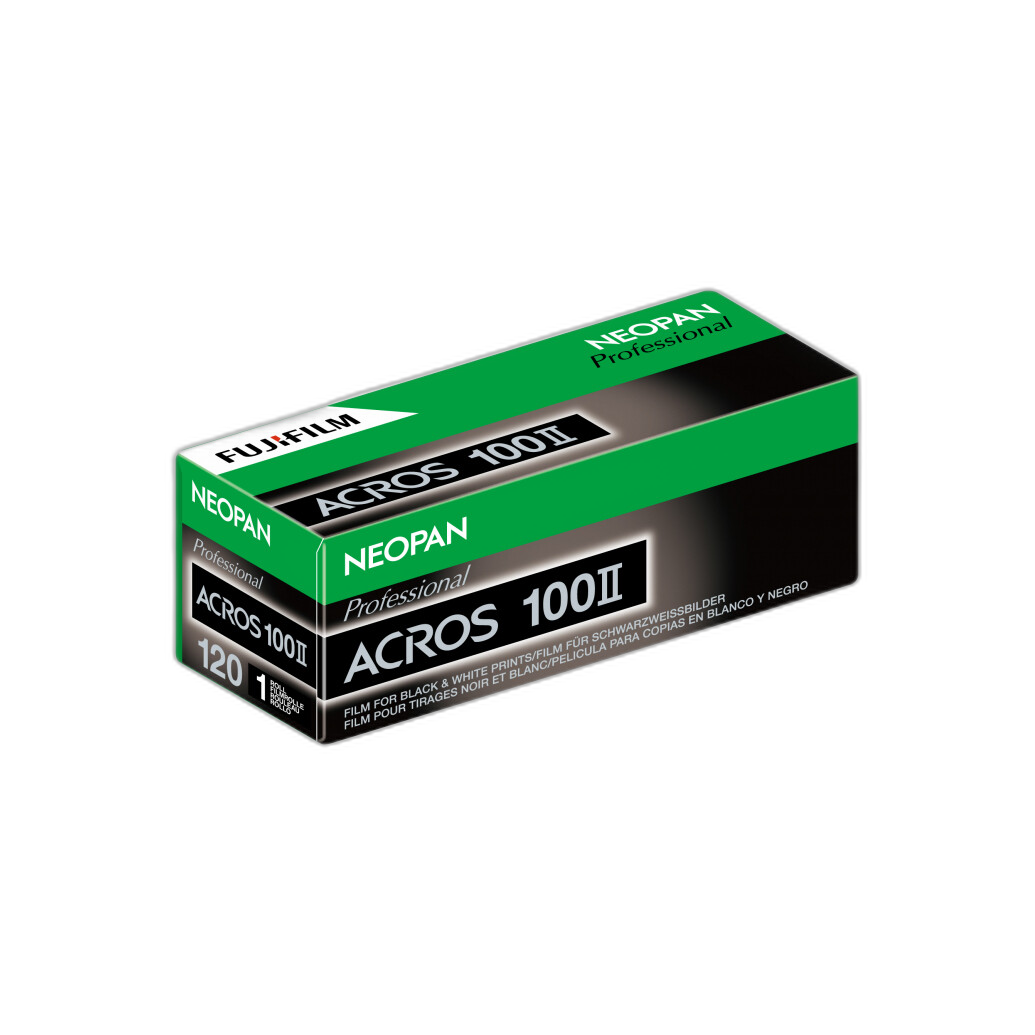
For black-and-white film photographers, few modern emulsions built the kind of reputation that Fujifilm Neopan 100 Acros did. It was admired for its exceptionally clean grain, impressive sharpness, and rich tonal rendering, making it a favorite for landscape, architecture, portraiture, and any work where subtle detail mattered. So when Fujifilm brought the stock back in 2019 as Fujifilm Neopan 100 Acros II, the return felt significant. In an era when film shooters were watching beloved emulsions disappear, the rebirth of Acros carried both practical and emotional weight.
This archival profile looks at the 2019 release of Acros II, what defined the film, and why the Acros name still held such power among black-and-white photographers at the time.
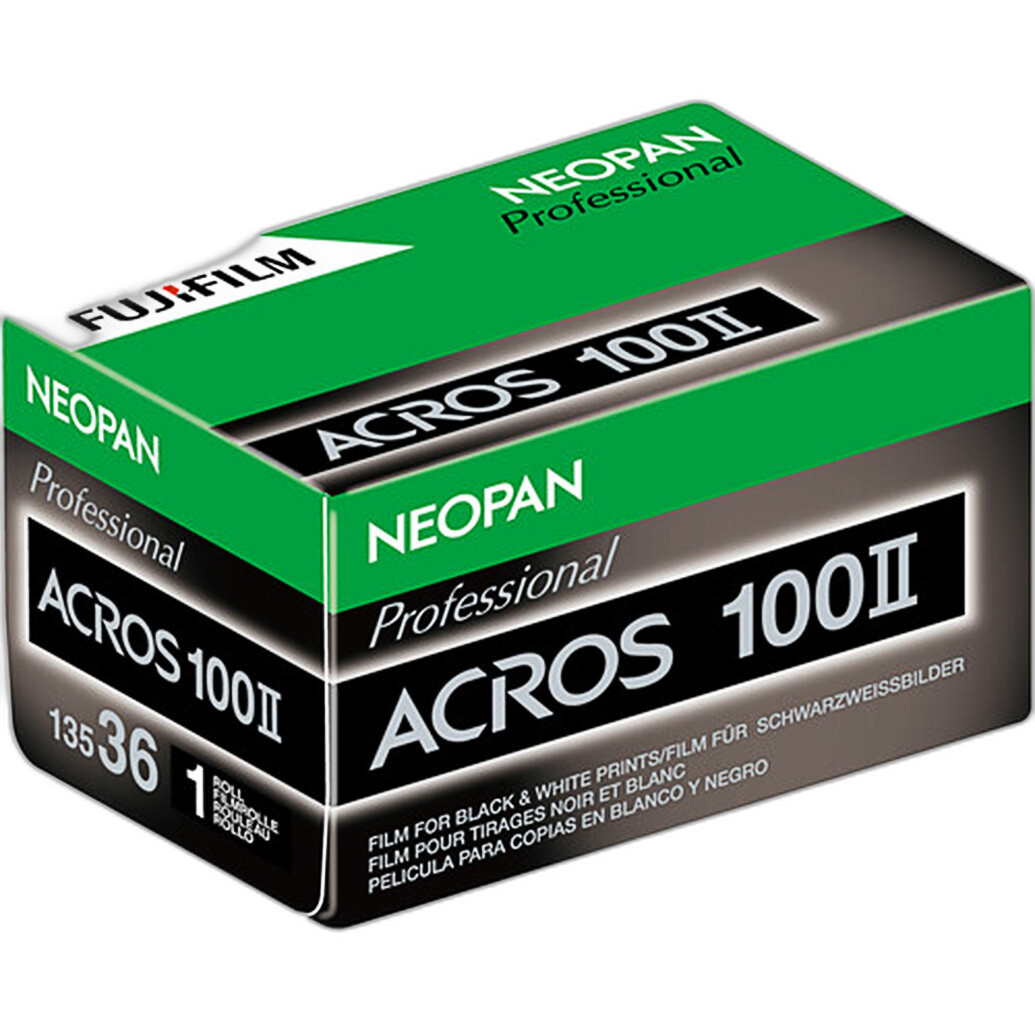
A Return of a Modern Black-and-White Classic
Released on 2019-11-22, Fujifilm Neopan 100 Acros II arrived as the revival of one of the company’s most respected monochrome films. The original Acros had earned a place in the bags of serious film photographers because it offered a rare combination: the polish and precision associated with modern film engineering, but with an expressive black-and-white character that never felt sterile.
That balance mattered. Many fine-grain black-and-white films can appear clinical if they emphasize resolution without tonal richness. Acros, by contrast, became known for delivering both clarity and mood. The new Acros II entered the market carrying those expectations, and naturally, early discussion around the release focused on how closely the new film would echo the look and working feel of the original.
As a black-and-white negative film rated at ISO 100, Acros II was positioned squarely in the classic slow-to-medium-speed category that has long appealed to photographers who value maximum image quality. That speed made it especially attractive for controlled shooting, daylight work, tripod-based landscape photography, and any application where fine detail and tonal nuance were priorities.
What Defines the Acros Look?
The essential visual identity of Acros II can be summed up in three qualities: ultra-fine grain, deep blacks, and a refined tonal scale. Those attributes are simple to list, but together they produce a highly distinctive image character.
Ultra-Fine Grain
One of the main reasons photographers gravitated to Acros was its remarkably tight grain structure. At ISO 100, fine grain is expected, but Acros developed a reputation for looking especially smooth and controlled. In smaller formats like 35mm, that quality helped negatives maintain a polished, almost medium-format elegance when exposed and processed well. In larger formats, it contributed to prints with a very clean, highly resolved appearance.
This fine-grained rendering made Acros II a natural choice for photographers who wanted to scan negatives with high detail retention or make darkroom enlargements without grain becoming a dominant visual element. Rather than calling attention to itself, the grain typically supported the image.
Deep Blacks
The second pillar of the Acros aesthetic is density and depth in the shadows. Photographers often described Acros images as having a convincing black point—blacks that felt rich and grounded instead of weak or muddy. That gave images structure. Architectural subjects gained stronger geometry; portraits could feel more sculptural; landscapes acquired a sense of weight and atmosphere.
Deep blacks are especially important in black-and-white photography because they help define tonal relationships across the frame. With Acros II, those darker values were a key part of its visual appeal, contributing to images that could look dramatic without abandoning subtlety.
Tonal Subtlety Between Highlights and Shadows
While the film’s deep blacks often get attention, Acros was never only about contrast. Its reputation rested just as much on how gracefully it moved through middle tones. Fine-grain films often succeed when they can render transitions smoothly—stone, skin, cloud cover, weathered surfaces, or gentle shifts in light. Acros II fit squarely within that tradition.
That meant photographers could use it in a broad range of styles. Some exposed it for luminous, delicate grayscale; others leaned into stronger contrast to take advantage of the film’s darker tonal foundation. In either case, Acros II was appealing because it did not force a single interpretation.
Why the 2019 Release Mattered
By late 2019, film photography had already proven its durability as more than a nostalgia trend. A growing number of younger photographers were discovering analog processes for the first time, while long-time film users were continuing to shoot despite a shrinking field of emulsions. In that climate, the reintroduction of a revered black-and-white stock was more than just another product announcement.
It signaled that a manufacturer still saw value in serving dedicated film users with a specialized product rather than only mass-market color film. Acros II therefore mattered symbolically as well as practically. For photographers who had shot the original, it represented continuity. For newcomers who knew Acros mainly by reputation, it was an opportunity to finally try a film they had heard about in darkrooms, forums, and camera-store conversations.
Historically, Fujifilm held an important place in black-and-white film, even if many photographers outside Japan more instinctively associated the company with color transparency and consumer color negative stocks. Acros stood apart in that lineup as a modern monochrome film with a devoted following. Its return helped preserve that part of the brand’s photographic legacy.
Best Uses for Fujifilm Neopan 100 Acros II
Given its ISO 100 speed and fine-grain profile, Acros II was especially well suited to photographers who worked deliberately. It was not a film built around speed in the low-light, handheld sense. Instead, it rewarded careful exposure, thoughtful composition, and subjects where detail and tonal precision mattered.
Landscape Photography
Landscape photographers were among the most natural Acros users. The film’s fine grain supported highly detailed rendering of foliage, rock, water, and distant textures, while its deep blacks could anchor compositions with strong foreground or shadow elements. In overcast or atmospheric conditions, the smooth tonal transitions also helped preserve mood.
Architecture and Urban Detail
Architecture is another area where Acros II’s character made immediate sense. Clean grain and strong blacks are ideal for emphasizing line, shape, and texture in built environments. Brick, concrete, metal, glass reflections, and repeating patterns all benefit from a film that can hold crisp definition without becoming harsh.
Portraiture
Although some photographers prefer slightly faster films for portrait work, a slow, refined black-and-white stock can be beautiful for controlled portrait sessions. Acros II’s tonal smoothness made it attractive for studio work, window light portraits, and carefully lit environmental portraits where nuance was more important than grit.
Acros II in the Broader Film Landscape
In the black-and-white film world, every major stock tends to develop a following based on a subtle mix of grain, contrast, speed, and emotional association. Some films are loved for their classic grain structure, some for flexibility, and some for a punchy, assertive look. Acros occupied a distinctive place because it felt especially refined.
That refinement gave it a somewhat modern identity within black-and-white photography. It was not necessarily the film photographers reached for when they wanted roughness, heavy texture, or overt vintage character. Instead, it was often chosen when they wanted elegance: controlled grain, clear detail, and blacks with real authority.
With Acros II, Fujifilm was reviving not just a product name, but a particular visual ideal in monochrome photography—one that prized precision without sacrificing expression.
An Important Film for the Analog Era
Seen from the vantage point of its 2019 release, Fujifilm Neopan 100 Acros II represented something rare: the return of a genuinely admired black-and-white negative film at a time when many film stories involved discontinuation rather than renewal. Its core appeal was straightforward but powerful. It offered ISO 100 flexibility for careful shooting, an ultra-fine grain structure that kept images clean and detailed, and deep blacks that gave prints and scans unmistakable presence.
For photographers who loved the original, Acros II arrived with history behind it. For those encountering the name for the first time, it offered a chance to understand why Acros had become such a respected part of Fujifilm’s film heritage.
If you want to explore classic and contemporary film stocks, learn more about analog photography, or shop for photographic materials and gear, Unique Photo remains a great place to buy, compare, and deepen your knowledge.