Photo Contest Copyright FAQ: Watermarks, Rights, and Safe Submission Tips
Entering a photo contest can be exciting, but it also raises important questions about copyright, image theft, and how much control you keep over your work after you upload it. At Unique Photo, we encourage photographers to pursue opportunities for exposure while taking smart, practical steps to protect their images and understand the rules before they submit.
Below, we answer the most common questions about watermarking, contest terms, and how to reduce risk when entering free online competitions.
Should I watermark my photos before submitting to a contest?
Usually, the answer depends on the contest rules. Many reputable competitions specifically require clean, unwatermarked files for judging because visible marks can distract from the image itself. If a contest prohibits watermarks, adding one could disqualify your entry. If the rules allow watermarking, a subtle mark may discourage casual misuse, but it can also reduce the presentation quality of your photo.
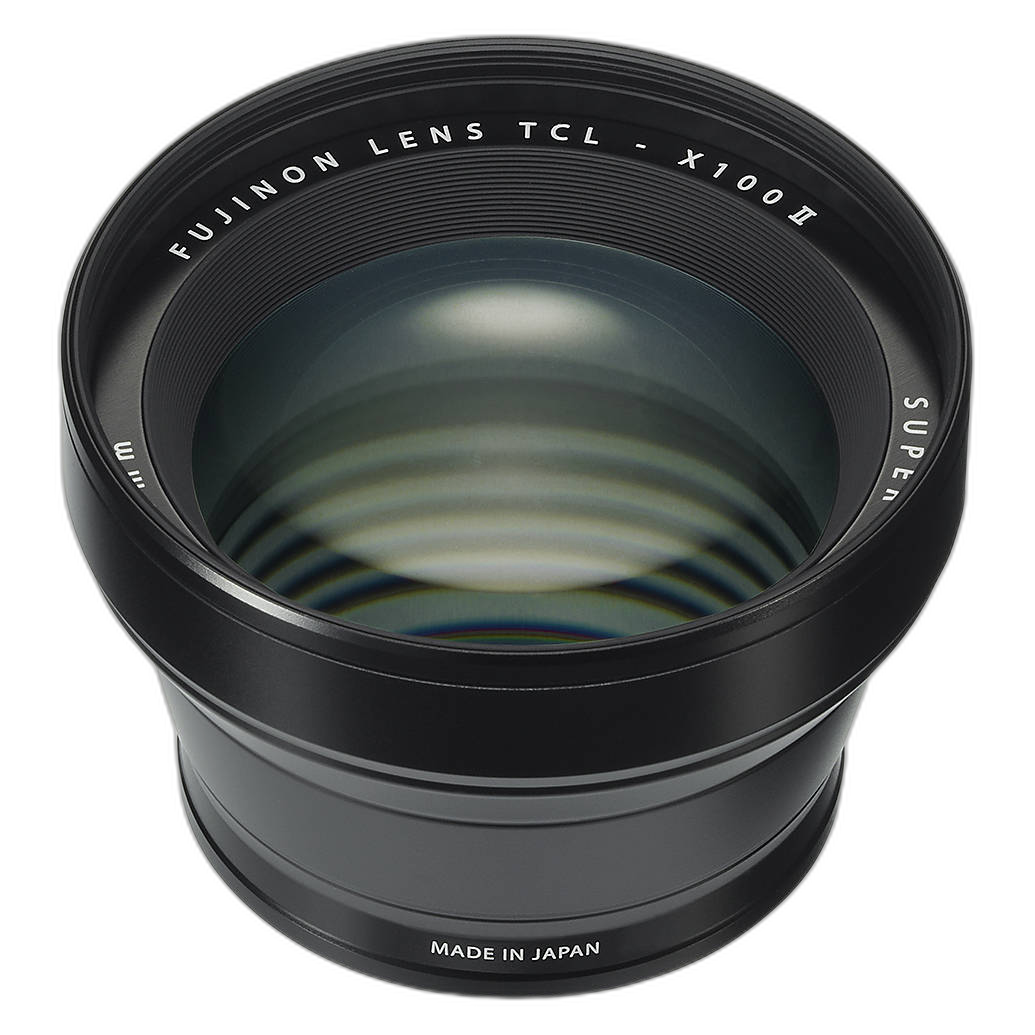
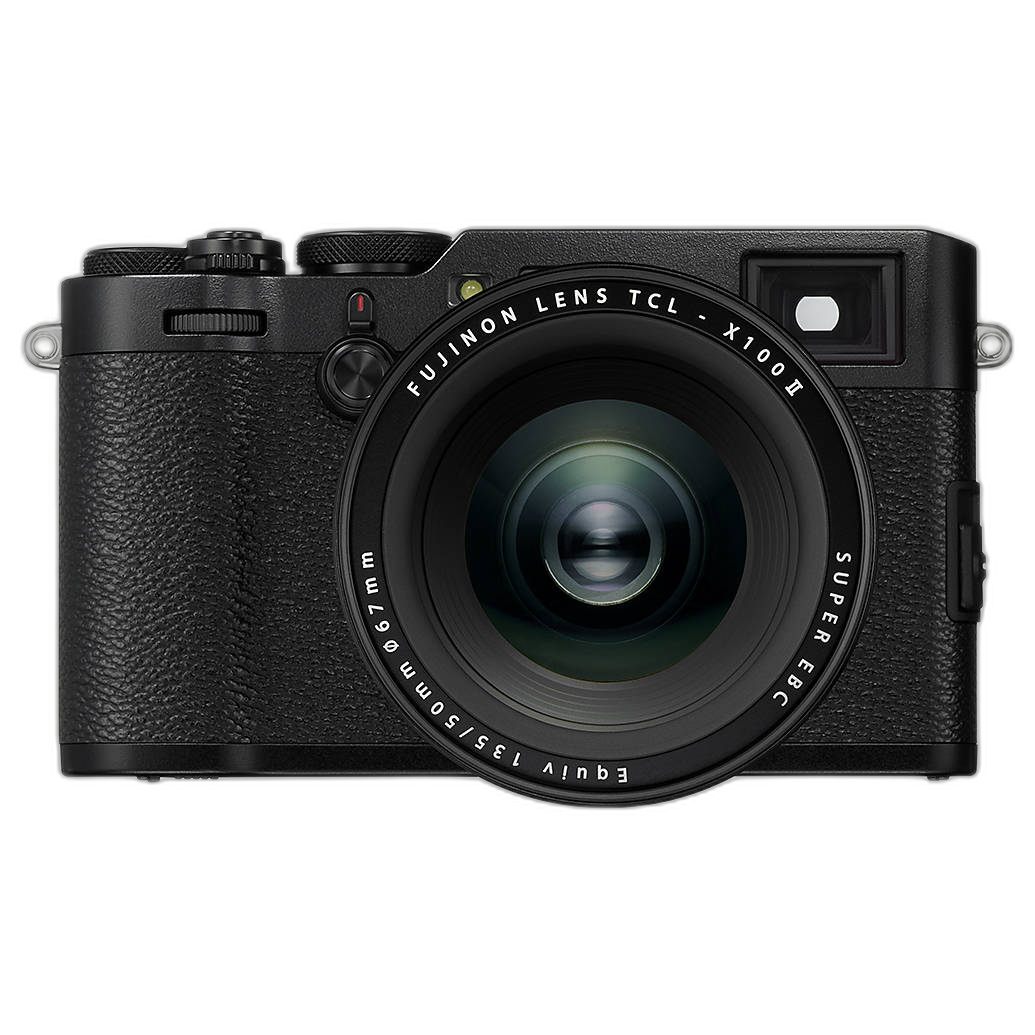
A better approach is often to submit exactly what the rules ask for while protecting yourself in other ways: use the smallest acceptable file size, strip out any unnecessary high-resolution deliverables until requested, and keep your original RAW files and export history. If you are shooting with a premium fixed-lens camera like the Fujifilm X100 series, accessories such as the Fujifilm TCL-X100 II Tele Conversion Lens can help you create a more distinctive perspective in-camera, which is often more valuable than relying on a watermark after the fact.
Are watermarks actually effective at protecting copyright?
Watermarks can discourage low-effort image sharing or casual reposting, but they are not a complete copyright solution. Cropping, cloning tools, and AI-based cleanup can often remove visible marks. In other words, a watermark may deter some misuse, but it does not replace legal copyright ownership, registration, or careful review of a contest's licensing terms.
For stronger protection, think in layers: register important images when appropriate, preserve metadata, archive original source files, and document when and where a photo was captured. Professional workflow habits matter just as much as visible branding. The more organized your image records are, the easier it is to prove authorship if a dispute arises.
What are the biggest risks of entering free online photo competitions?
The main risk is not always outright theft; more often, it is agreeing to overly broad usage rights without realizing it. Some free contests are legitimate marketing vehicles or community events, but others use submissions to build a large image library they can promote, publish, or sublicense with little or no compensation to photographers. That is why the terms and conditions are the most important part of the contest page.
Look for language that grants the organizer a limited license only for judging, promotion of the contest, and winner announcements. Be cautious if the rules say they can use your photo forever, in any media, for any purpose, without payment. Free contests can still be worthwhile, but only when the rights requested are reasonable and clearly explained.
Do photo contests ever claim rights to submitted work?
Yes, some do. There is an important difference between copyright ownership and a license to use the image. In most cases, you still own the copyright unless you explicitly assign it away, but contests may ask for a license that is so broad it functions like a major giveaway of value. For example, a non-exclusive, limited promotional license is common and often acceptable. A perpetual, worldwide, irrevocable, transferable license for any commercial purpose should get much closer scrutiny.
Before entering, read the sections covering intellectual property, usage rights, sublicensing, exclusivity, and compensation. If the language is vague, assume you need more clarity before submitting. Reputable contests should be able to explain exactly how images will be used and whether non-winning entries will ever appear in marketing materials.
How can I protect my photos before submitting them to a contest?
Start with practical file-management choices. Submit the lowest resolution that still meets the contest requirements. Avoid sending full-resolution masters unless the contest requests them after judging. Keep your RAW files, edited masters, and export versions organized and backed up. It is also wise to retain metadata and captions that help identify authorship and creation details.
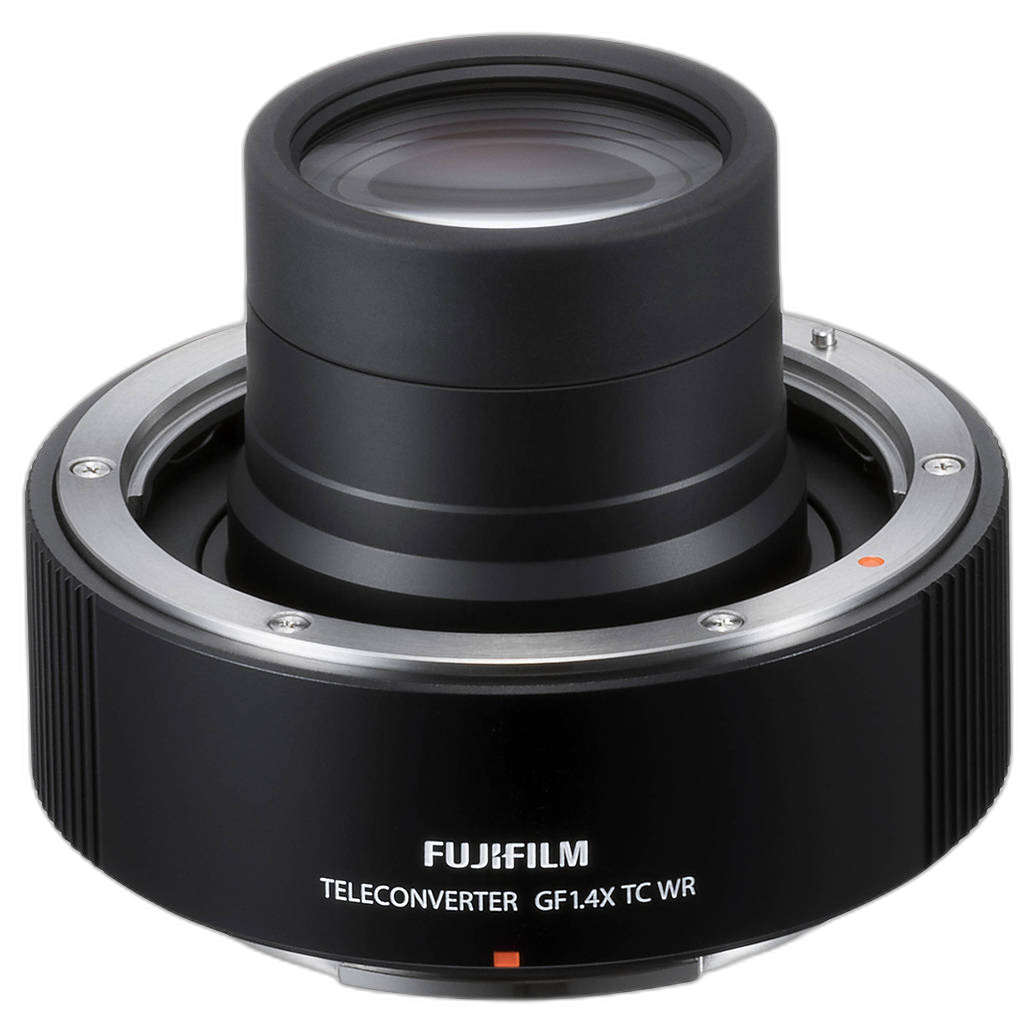
Another smart step is creating work that stands out through craftsmanship rather than depending on heavy after-the-fact protection. Distinctive focal lengths and optical rendering can make your images more recognizable as your own style. Medium format photographers working with the GFX system, for example, may appreciate the Fujifilm GF 1.4X TC WR Teleconverter when they need added reach without changing the overall system they trust in the field.
Is it safer to submit lower-resolution files?
In many cases, yes. A right-sized JPEG can be an effective compromise between meeting contest requirements and limiting the usefulness of unauthorized reproductions. A lower-resolution file may still be enough for web display or initial judging while reducing the chance that someone could make a large print from it. That said, always follow the published rules. If a contest asks for a specific pixel dimension, use that exact specification rather than guessing.
Keep your high-resolution master files offline or in a secure archive until they are legitimately needed. If you advance to a finalist stage, many reputable contests will then request a larger file for verification or exhibition printing.
What should I look for in a contest's terms and conditions?
Focus on a few key areas: who owns the copyright after submission, what license you grant, how long that license lasts, whether the organizer can sublicense your image to third parties, and whether your image may be used for commercial advertising beyond the contest itself. Also check whether the contest reserves the right to alter your work, remove your credit, or continue using your image even if it does not win.
Good terms are usually specific and narrow. They explain usage in plain language and keep the license tied to contest administration and promotion. Poor terms are broad, indefinite, and vague. If you cannot easily understand the rights section, that is a sign to slow down.
Does registering copyright matter for contest submissions?
For photographers who create commercially valuable or widely published work, copyright registration can be an important layer of protection. While you generally own your images the moment you create them, registration can strengthen your legal position if infringement occurs. It is especially useful for professionals, fine art photographers, and anyone regularly licensing images.
Registration may not be necessary for every casual contest entry, but it is worth considering for your strongest portfolio work. Think of it as part of a broader professional workflow that includes clear archiving, consistent naming conventions, backups, and documented originals.
Can gear choices help create more contest-worthy images without relying on heavy editing?
Absolutely. While copyright protection is mostly a legal and workflow issue, creating distinctive work starts in the field. Optical tools that expand your shooting options can help you produce images with stronger visual identity and cleaner composition straight out of camera. For X100 photographers, the Fujifilm TCL-X100 II Tele Conversion Lens adds reach while preserving the compact handling that makes the system so appealing for travel, street, and documentary work.
Likewise, medium format shooters who need a tighter angle of view may benefit from the Fujifilm GF 1.4X TC WR Teleconverter. Choosing the right optical accessory can reduce the need for aggressive cropping, helping you maintain image quality when contests eventually request larger files.
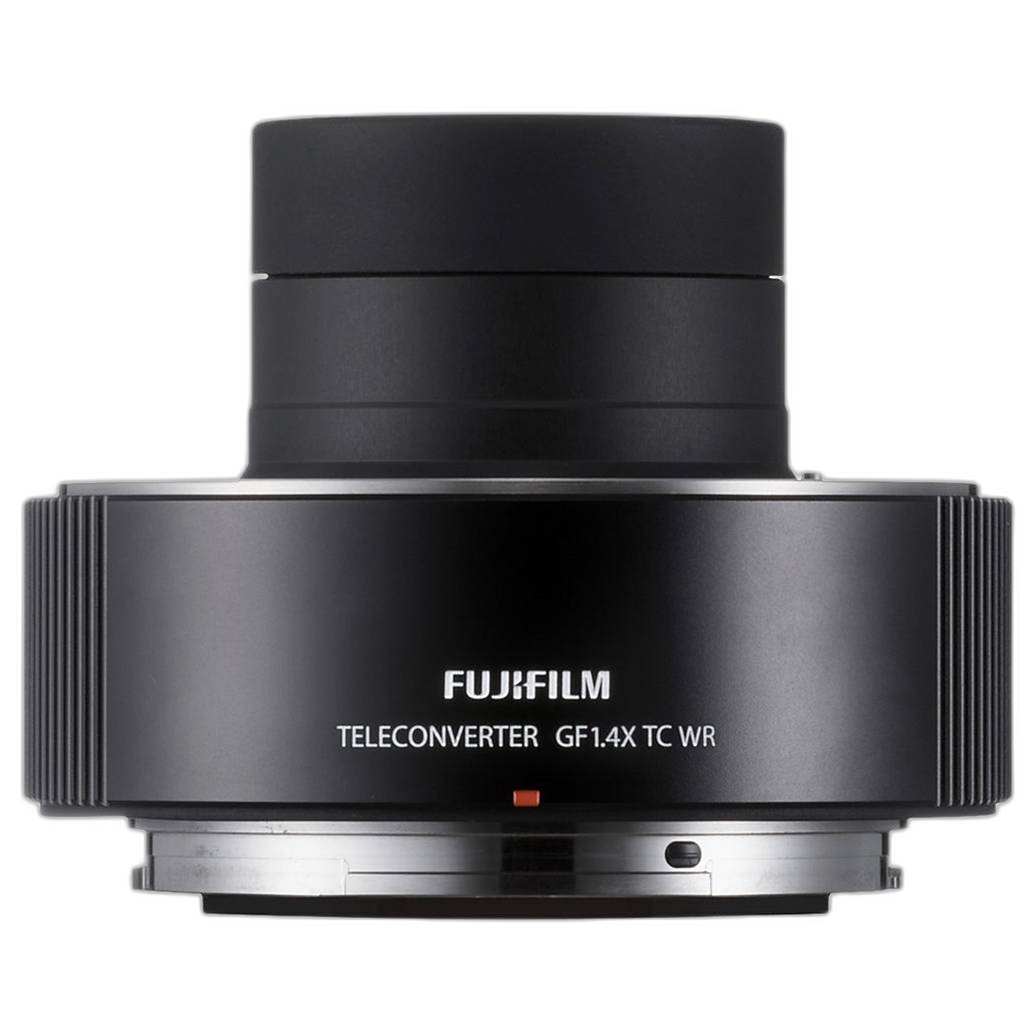
Photo contests can be valuable opportunities, but protecting your work starts with reading the rules carefully, understanding the license you are granting, and submitting files strategically. If you are looking to refine your workflow or expand your creative options with trusted Fujifilm accessories, Unique Photo is here to help you choose the right gear and submit your best work with confidence.