The Viltrox AF 50mm f/2 Full Frame Lens costs $199 for L-Mount, alongside the $176 20mm f/2.8 and $168 40mm f/2.5. All are available to order.
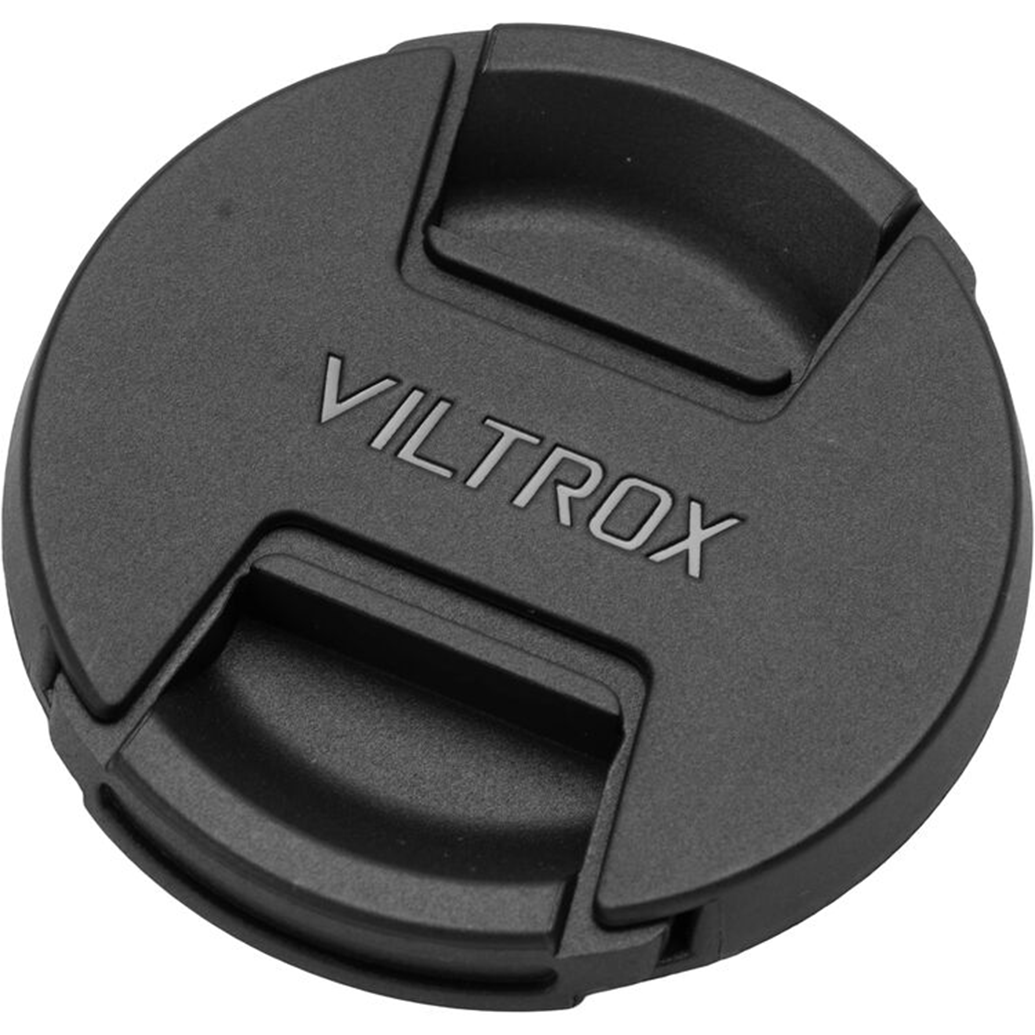
Three full-frame L-Mount primes, led by the $199 50mm
The Viltrox AF 50mm f/2 Full Frame Lens for L-Mount is a $199 autofocus prime with an approximately 205g bare-lens weight. It has the widest maximum aperture of this three-lens launch, making it the starting point for photographers who favor a normal focal length and want more light-gathering capacity.
Alongside it are the Viltrox AF 20mm f/2.8 Full Frame Lens for L-Mount at $176 and the Viltrox AF 40mm f/2.5 Full Frame Lens for L-Mount at $168. All three cover full-frame mirrorless sensors. The 20mm offers the broadest view; the 40mm provides a less pronounced step wider than the 50mm for everyday photography.
50mm f/2: aperture, optical design and close focus
The 50mm has a 47.4° diagonal angle of view and an aperture range of f/2 to f/16. Its f/2 maximum aperture admits one stop more light than f/2.8. At the same ISO, that allows a faster shutter speed in low light. It also provides scope for shallower depth of field, though subject distance and background placement still matter.
Viltrox lists 13 elements in nine groups, including three extra-low-dispersion elements, one aspherical element and four high-refractive elements. That glass mix is intended to control distortion and optical aberrations. The diaphragm has nine blades, and the lens takes 58mm filters.
Minimum focus distance is 20 inches, with maximum magnification of 0.11x. That is useful for tighter framing of everyday details, but it is not high-magnification close-up coverage. The approximately 205g bare-lens weight keeps the carrying load modest. Among these three lenses, the 50mm is the heaviest, but it is also the one with the largest maximum aperture.
STM autofocus, Exif support and no lens stabilization
All three lenses use STM stepping autofocus motors. Viltrox describes the focusing as quiet and smooth, characteristics that matter when changing focus during a video take. The 20mm also supports Eye AF on compatible camera bodies; that compatibility qualification matters more than simply seeing autofocus on a specification sheet.
The 50mm and 40mm support full Exif metadata transmission to the camera body, allowing lens information to accompany the image file. Viltrox also lists camera shooting-mode support for the 50mm through its electronic contacts.
None of the three lenses includes image stabilization. A wide aperture can help maintain a faster shutter speed, but it does not stabilize the image. Camera-body stabilization, if available, remains a separate part of the setup.
20mm f/2.8: a 91.6° view in a 157g lens
The 20mm is the option for fitting substantially more of a scene into the frame. Its 91.6° diagonal angle of view is much broader than the 50mm's 47.4°. That makes it a practical choice for landscapes and architecture, where backing up may not provide the framing needed. Viltrox also positions it for astrophotography.
It focuses as close as 19cm, with 0.17x maximum magnification. That combination allows a nearby foreground subject to occupy more of the frame while retaining a wide view of the surroundings. It is a different use of close focus from simply trying to isolate a small detail.
At 157g, the 20mm is the lightest of the three. It measures 65mm in diameter by 59.5mm long and uses 52mm filters. Inside are 10 elements in eight groups and a seven-blade diaphragm. An integrated USB-C port supports firmware updates.
40mm f/2.5: the middle field of view at $168
The 40mm offers a 56.7° diagonal angle of view, placing it between the other two lenses for framing. Compared with 50mm, it leaves more room around a subject without moving to the 20mm's ultra-wide view. That is useful for street photographs and environmental portraits where the setting needs to remain part of the picture.
Its aperture runs from f/2.5 to f/16. The optical design uses 10 elements in six groups, including one extra-low-dispersion element and three high-refractive elements. It has a seven-blade diaphragm.
Minimum focus distance is 34cm, with 0.14x maximum magnification. The lens weighs 180g and measures 68mm in diameter by 55.9mm long. Like the 20mm, it accepts 52mm filters, so those two lenses can share that filter size. The 50mm requires 58mm filters instead. The 40mm costs $168.
L-Mount lens prices and availability
These three individual L-Mount lenses are available to order from Unique Photo.
| Lens | Mount | Price | Availability |
|---|---|---|---|
| Viltrox AF 50mm f/2 Full Frame Lens | L-Mount | $199 | Available to order |
| Viltrox AF 20mm f/2.8 Full Frame Lens | L-Mount | $176 | Available to order |
| Viltrox AF 40mm f/2.5 Full Frame Lens | L-Mount | $168 | Available to order |
Prices at Unique Photo
- Viltrox AF 50mm f/2 Full Frame Lens for L-Mount: $199.00
- Viltrox AF 20mm f/2.8 Full Frame Lens for L-Mount: $176.00
- Viltrox AF 40mm f/2.5 Full Frame Lens for L-Mount: $168.00
Prices as of November 4, 2026. Browse more: Mirrorless Lenses, Viltrox at Unique Photo.
Frequently asked questions
How much does the Viltrox AF 50mm f/2 L-Mount lens cost?
It costs $199 and is available to order.
Is the Viltrox AF 50mm f/2 designed for full-frame cameras?
Yes. This version is designed for full-frame L-Mount mirrorless cameras.
Does the Viltrox AF 50mm f/2 have image stabilization?
No. It has STM autofocus, but no lens-based image stabilization.
What is the difference between the Viltrox 40mm f/2.5 and 50mm f/2?
The 40mm has a wider 56.7° diagonal view, weighs 180g and costs $168. The 50mm has a 47.4° view, a wider f/2 maximum aperture, an approximately 205g bare-lens weight and a $199 price.
What filter size does the Viltrox AF 50mm f/2 use?
It uses 58mm filters. The L-Mount 20mm f/2.8 and 40mm f/2.5 use 52mm filters.