Reviews

DSLR to Mirrorless FAQ: Pros, Cons, and Transition Tips

DSLR to Mirrorless FAQ: Pros, Cons, and Transition Tips Thinking about moving from a DSLR to a mirrorless camera? It is one of the biggest gear changes many…

UP
Unique Photo·Aug 28, 2026·7 min read
DSLR to Mirrorless FAQ: Pros, Cons, and Transition Tips

DSLR to Mirrorless FAQ: Pros, Cons, and Transition Tips

Thinking about moving from a DSLR to a mirrorless camera? It is one of the biggest gear changes many photographers make, and the right choice depends on what you shoot, how you work, and which features matter most in daily use.

At Unique Photo, we help photographers compare real-world tradeoffs every day. Here is a practical FAQ covering where mirrorless cameras shine, what DSLR users sometimes miss, and how to make the transition smoother.

What shooting scenarios do mirrorless cameras typically outperform DSLRs in?

Mirrorless cameras often stand out in fast-moving, high-precision situations where autofocus coverage, subject tracking, and real-time exposure preview make a noticeable difference. Events, weddings, travel, street photography, hybrid photo/video work, and low-light shooting are all areas where modern mirrorless bodies can feel more responsive and informative while you shoot. Because you see exposure, white balance, and picture settings in the electronic viewfinder before pressing the shutter, there is often less guesswork compared with an optical DSLR viewfinder.

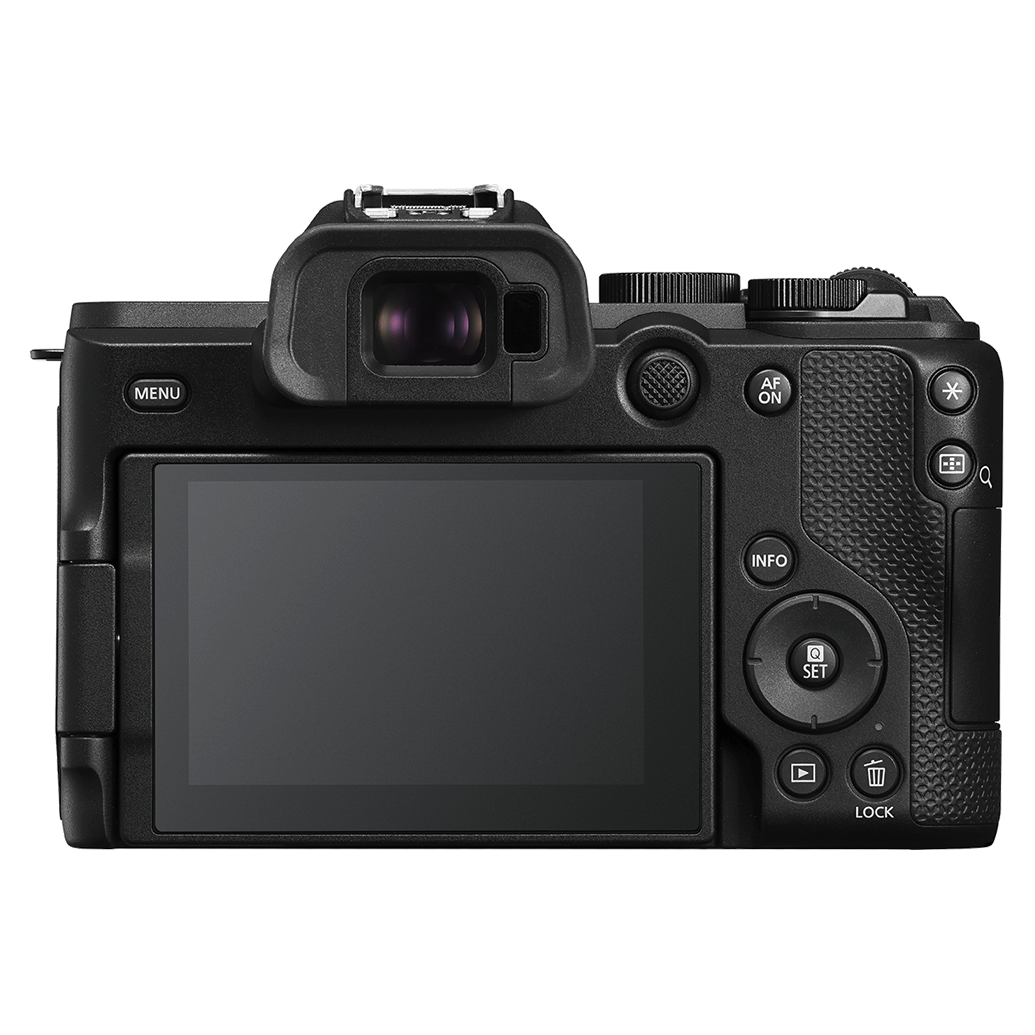
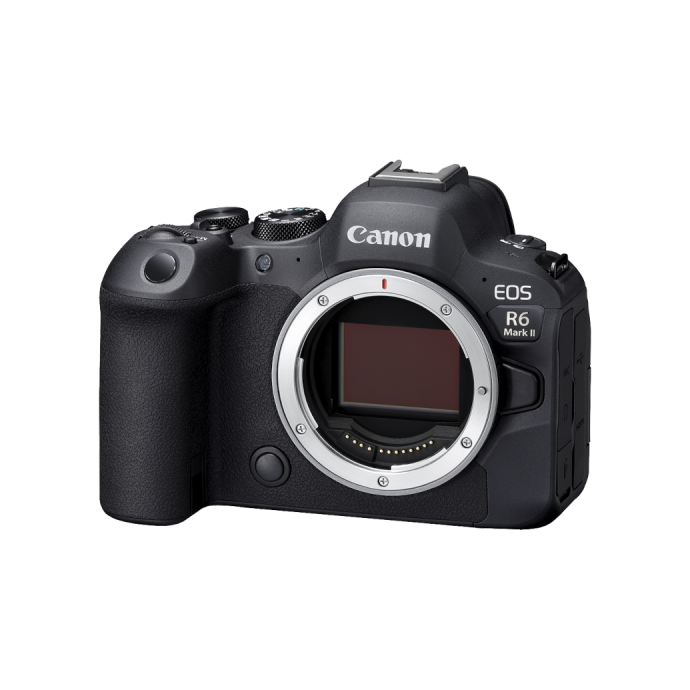
For photographers moving into action, event, or all-purpose professional shooting, a body like the Used Fair Canon EOS R6 Mirrorless Digital Camera (Body Only) is a strong example of why many users switch. Its full-frame mirrorless design suits photographers who want modern autofocus performance and a compact body without giving up serious capability.

Used Canon EOS R6 Mirrorless Digital Camera body only

Mirrorless can also be especially appealing for photographers who value portability. A camera such as the Used Sony Alpha a6400 Mirrorless Digital Camera with 16-50mm Lens is an easy recommendation for travel, everyday photography, and casual video creation because the smaller kit is easier to carry all day.

Used Sony Alpha a6400 Mirrorless Digital Camera with 16-50mm lens

Are there situations where a DSLR still feels better?

Yes. Even photographers who love mirrorless sometimes miss the simplicity and familiarity of a DSLR. Optical viewfinders provide a direct, lag-free view of the scene, which some shooters still prefer for long sessions, bright outdoor shooting, or certain sports applications. DSLR ergonomics can also feel more substantial in hand, especially with large telephoto lenses. In addition, many longtime DSLR users are simply faster with controls they already know by muscle memory.

If you are considering mirrorless but worry about giving up a traditional photographic feel, it can help to look at bodies designed with tactile control in mind. The Used Fujifilm X-Pro3 Mirrorless Digital Camera Body appeals to photographers who want a more deliberate, rangefinder-inspired shooting experience rather than a purely tech-forward interface.

Used Fujifilm X-Pro3 Mirrorless Digital Camera Body

What features do photographers most often miss after leaving DSLRs?

The two biggest things many former DSLR users mention are battery life and the optical viewfinder experience. Because mirrorless cameras rely on an electronic viewfinder or rear LCD, they usually consume more power than comparable DSLRs. That means carrying spare batteries becomes more important, especially for event coverage, travel days, or cold-weather shooting.

Some photographers also miss the feeling of using long-established DSLR lens systems without adapters or mount changes. If you already own a large collection of DSLR lenses, the transition may be less about image quality and more about deciding how you want to manage your existing gear. In many cases, the answer is to move gradually rather than replacing everything at once.

How does battery life affect real-world mirrorless workflow?

Battery life matters most when you shoot for extended periods without easy charging access. Wedding photographers, sports shooters, and travelers often need to plan more carefully with mirrorless than they did with DSLR bodies. The good news is that workflow adjustments are simple: carry extra batteries, turn off unnecessary display features, and use airplane mode or power-saving settings when possible.

For photographers who want a more substantial full-frame body and a bundled everyday zoom, the Used Panasonic Lumix DC-S1 Mirrorless Digital with 24-105mm can be especially appealing. A camera and lens combination like this is well suited to photographers who want one capable setup for portraits, landscapes, travel, and general assignment work.

Used Panasonic Lumix DC-S1 Mirrorless Digital with 24-105mm lens

The key is to treat battery management as part of your kit planning, just as you would memory cards, lens cloths, or backup storage.

How important is lens selection when switching from DSLR to mirrorless?

Lens selection is one of the most important parts of the move. Before switching, think beyond the camera body and look at the system you want to build over time. Ask yourself whether you need compact travel lenses, fast portrait primes, long telephotos, or hybrid video-friendly options. Your ideal mirrorless system should support the type of work you actually do, not just the body you want today.

For entry-level or lightweight shooters, a bundled kit like the Used Sony Alpha a6400 with 16-50mm Lens makes the transition easier because you can start shooting immediately without building a lens kit from scratch. For photographers who value minimal size in a compact interchangeable-lens body, the Used Canon EOS M6 Mirrorless Digital can also be attractive as a portable everyday option.

Used Canon EOS M6 Mirrorless Digital Camera

If you are moving into higher-end image quality expectations, mirrorless also opens doors to specialized platforms. The Fujifilm GFX100RF Mirrorless Digital Camera, available at Unique Photo in both black and silver, is a standout for photographers prioritizing premium image quality and a refined shooting experience.

Fujifilm GFX100RF Mirrorless Digital Camera black

Is mirrorless better for beginners making their first serious upgrade?

Often, yes. Mirrorless systems can be very beginner-friendly because the camera shows exposure changes in real time, autofocus points are easier to visualize, and many models are compact enough to encourage frequent use. For photographers stepping up from a phone or older entry-level camera, that live feedback can speed up learning.

A camera like the Used Sony Alpha a6400 with 16-50mm Lens is especially approachable for this reason. It is a practical choice for someone who wants better autofocus, interchangeable lenses, and a smaller kit for travel or daily shooting. For photographers who prefer Canon ergonomics in a smaller form factor, the Used Canon EOS M6 Mirrorless Digital can fill a similar role.

What tips make the transition from DSLR to mirrorless smoother?

The best transition plans are usually gradual and intentional. First, identify what frustrated you about your DSLR workflow. Was it autofocus coverage, weight, video limitations, or inconsistent results in fast-changing light? Once you know the problem you are solving, it becomes easier to choose the right mirrorless body.

Second, spend time customizing the camera. Mirrorless bodies reward setup work. Configure autofocus modes, assign custom buttons, tailor EVF or LCD behavior, and save shooting presets for your common scenarios. This helps the camera feel less foreign and more like an extension of your shooting style.

Third, start with one versatile lens or a complete everyday kit rather than overbuying immediately. A package such as the Used Panasonic Lumix DC-S1 with 24-105mm gives you broad coverage right away, while a compact kit like the Used Sony Alpha a6400 with 16-50mm Lens keeps things simple and portable.

Finally, allow yourself an adjustment period. The viewfinder experience, autofocus behavior, and menu systems can feel different at first. Most photographers become comfortable much faster once they use the camera in real assignments rather than testing it only at home.

Should you buy used mirrorless gear when making the switch?

Used gear can be a very smart way to move into mirrorless without committing to a brand-new system at full price. It allows you to test a new format, body style, or lens ecosystem while protecting your budget. That is especially valuable if you are not yet sure whether you want a compact APS-C body, a full-frame hybrid camera, or a more specialized premium system.

Unique Photo offers several compelling used options for DSLR users considering the jump, including the Used Fair Canon EOS R6, Used Panasonic Lumix DC-S1 with 24-105mm, Used Sony Alpha a6400 with 16-50mm Lens, and Used Fujifilm X-Pro3. If you want to explore top-tier image quality with a premium mirrorless platform, the Used Fujifilm GFX100RF Mirrorless Digital Camera is another noteworthy option.

Used Fujifilm GFX100RF Mirrorless Digital Camera black

Who benefits most from switching to mirrorless right now?

Photographers who benefit most are those prioritizing autofocus technology, lighter kits, live exposure preview, silent or quieter shooting options, and strong hybrid photo/video capability. Event photographers, content creators, travelers, street photographers, and enthusiasts upgrading older gear are often the happiest after the switch.

On the other hand, if you are deeply invested in DSLR lenses, love optical viewfinders, and are completely satisfied with your current performance, there may be no rush. A switch makes the most sense when it solves real workflow problems or opens new creative possibilities.

Whether you are looking for a capable used body like the Canon EOS R6, a travel-friendly Sony a6400, a versatile Panasonic S1 kit, or a premium Fujifilm mirrorless option, Unique Photo can help you compare systems and choose the right path forward. Explore our mirrorless selection online or connect with the Unique Photo team for expert guidance on your next upgrade.

Filed under:

Reviews

Comments