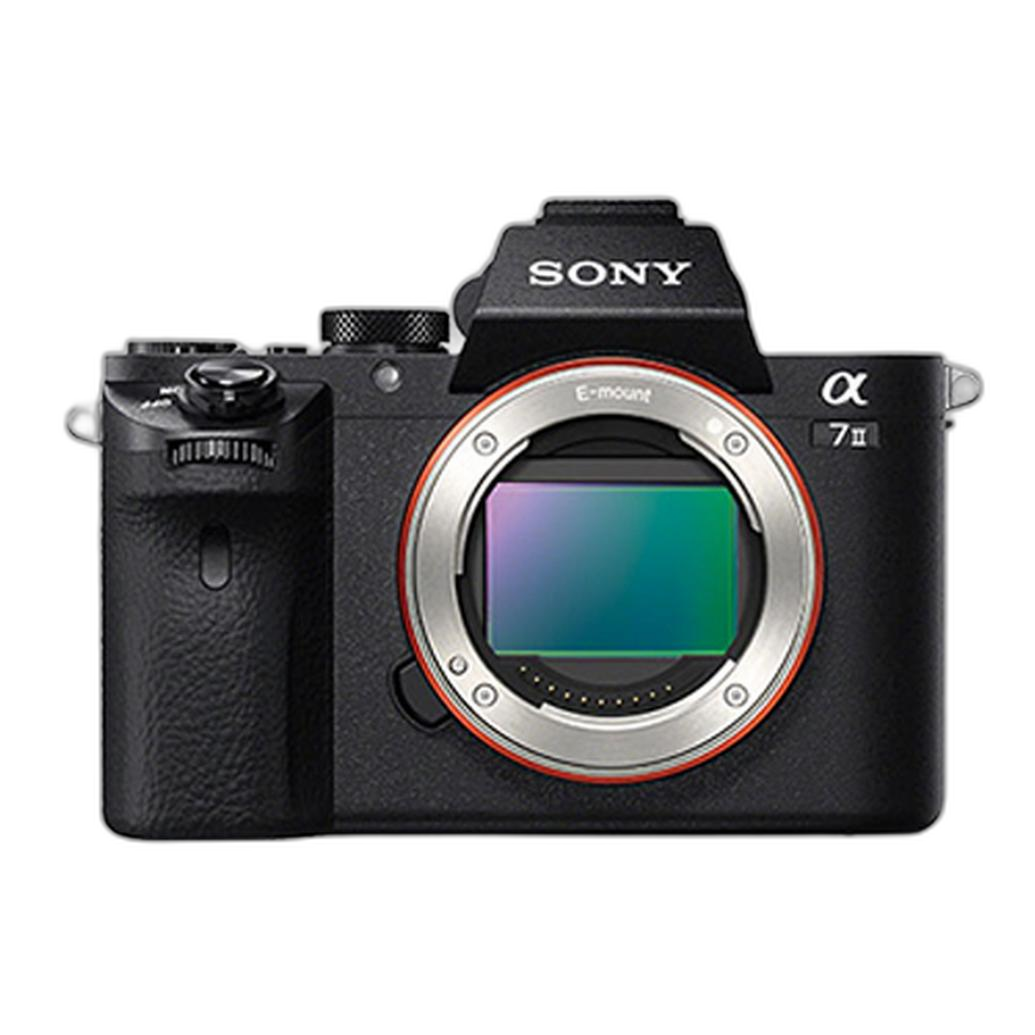
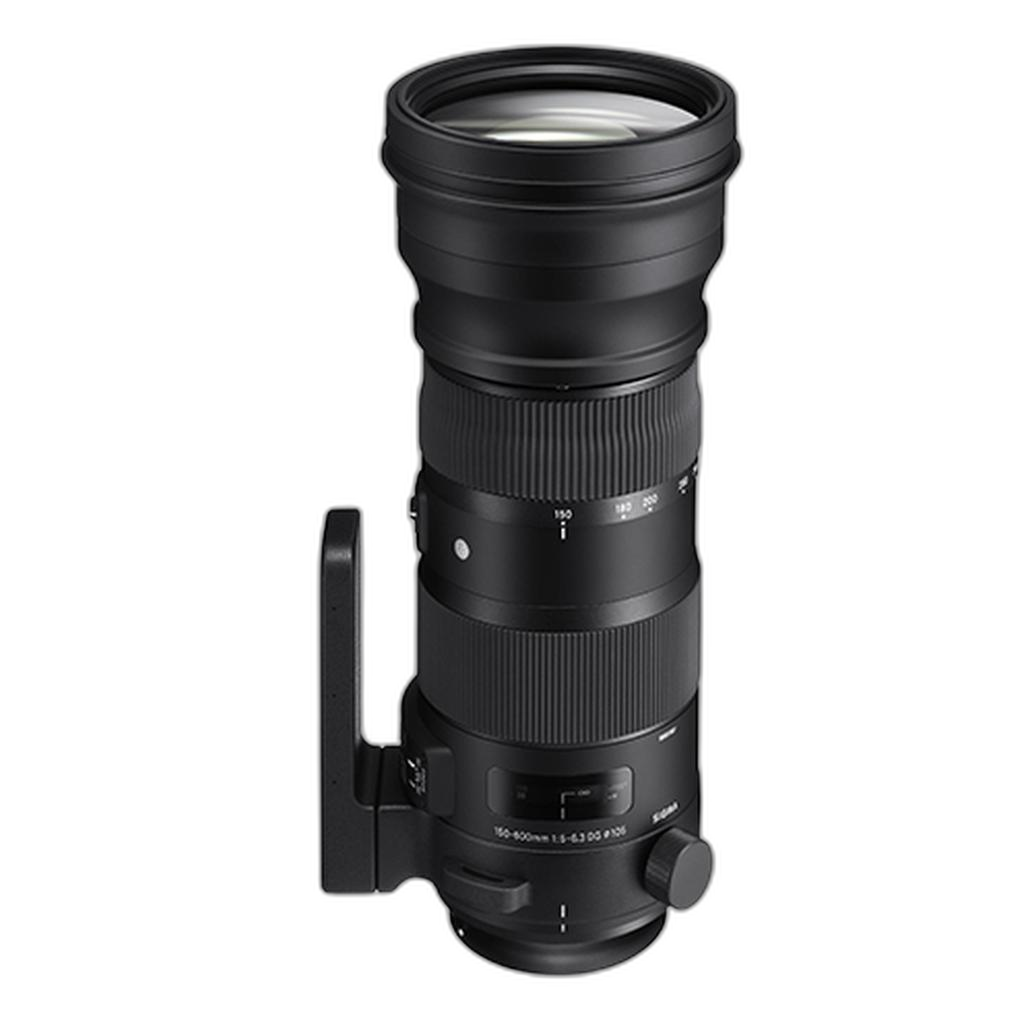
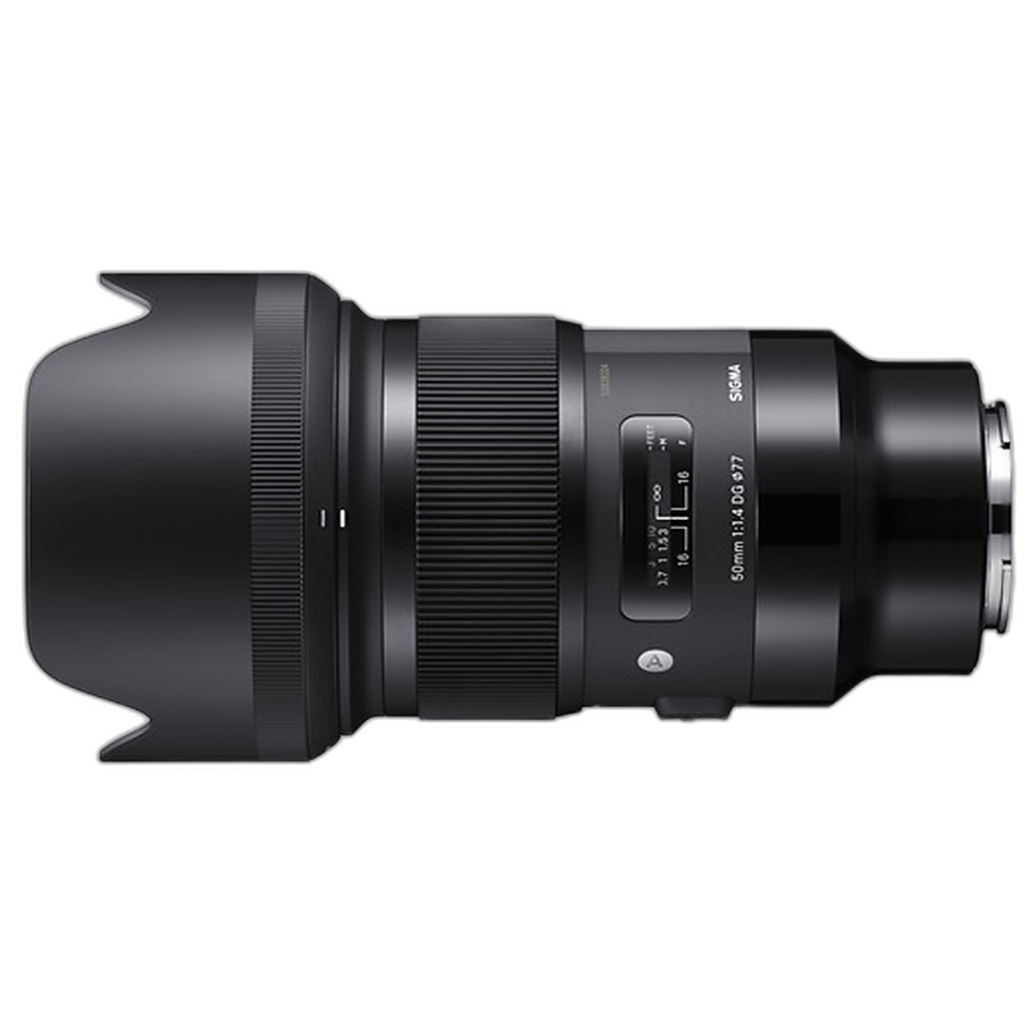
If you’re new to photo contests, it’s easy to feel overwhelmed. There are local club competitions, major international awards, online themed challenges, magazine calls for entry, and social-media-driven contests that promise exposure. This guide is for beginner photographers who want to enter competitions strategically, build confidence, and avoid wasting money on the wrong opportunities. Rather than chasing every contest you see, the smartest approach is to enter competitions that match your experience level, shooting style, and goals.
Below, we’ll break down which kinds of photo competitions are actually worth entering for beginners, what to look for before paying an entry fee, and a few useful products that can help you produce stronger submissions.
What Makes a Photo Competition Worth Entering?
For beginners, the best contests usually have a few things in common: clear judging criteria, reasonable fees or free entry, transparent rights policies, and categories that welcome emerging photographers. A worthwhile contest should help you do at least one of the following:
- Get constructive recognition for your work
- Build your portfolio or resume
- Give you a deadline that pushes you to shoot and edit with purpose
- Offer exposure through reputable organizations, galleries, or publications
- Provide a realistic chance of placing in your category
If a contest charges high fees, uses vague language about image rights, or seems built more around collecting entries than celebrating photography, it’s probably not the best use of your time or budget.
The Best Types of Contests for Beginners
1. Local Camera Club and Community Competitions
These are often the best place to start. Local contests usually have lower pressure, smaller entry pools, and categories that accommodate a wide range of skill levels. You may also get feedback from judges or peers, which can be more valuable than a prize.
These contests are worth entering if you want experience submitting work, writing captions or artist statements, and seeing how your images compare in a real judging environment.
2. Themed Online Contests with Low or No Entry Fees
Look for online contests focused on single themes like street photography, portraiture, black-and-white, landscape, or travel. These are especially good for beginners because they help you edit with discipline. Instead of entering your favorite random image, you learn to choose photos that fit a brief.
The best versions are run by reputable publications, photography organizations, and established brands with clear terms.
3. Student and Emerging Photographer Awards
If you’re a student, recent graduate, or early in your photography journey, beginner-friendly and emerging-artist categories can offer the best odds. You’re competing with peers instead of seasoned professionals with years of exhibition history.
4. Genre-Specific Contests
If you already know what you love to shoot, enter contests in that niche. A strong wildlife image may get lost in a broad open-call contest but stand out in a nature-specific competition. The same goes for portraits, street, documentary, film photography, and conceptual work.
Contests Beginners Should Be Careful About
Not every contest is a good opportunity. Be cautious with:
- Expensive international awards with many paid categories and little transparency
- Rights-grabbing contests that claim broad commercial use of all submitted images
- Popularity contests based mostly on likes or votes instead of judging quality
- Scam contests with unclear organizers, no visible past winners, or suspicious payment practices
Before entering, always read the rules carefully. Pay special attention to licensing terms, deadlines, file requirements, exclusivity clauses, and whether the contest returns value beyond the possibility of winning.
How to Choose the Right Contest for Your Work
| Contest Type | Best For | Cost | Competition Level | Beginner Value |
|---|---|---|---|---|
| Local club/community | First-time entrants | Low | Low to medium | Excellent |
| Online themed contests | Building editing discipline | Free to low | Medium | Very good |
| Student/emerging awards | New photographers seeking recognition | Low to medium | Medium | Excellent |
| Major international awards | Advanced portfolios | Medium to high | High | Limited for most beginners |
| Social media contests | Exposure and quick participation | Usually free | Varies | Good if rights are fair |
Our Pick
For most beginners, local competitions and reputable low-cost themed online contests are the best place to start. They’re affordable, less intimidating, and more likely to help you improve as a photographer. If you can enter a contest, learn from the process, and come away with a better understanding of sequencing, editing, and presentation, that’s already a win.
Gear and Resources That Can Help You Submit Stronger Work
You do not need exotic gear to enter a contest. Strong ideas, good timing, and careful editing matter more. Still, a few tools and resources can improve your technique and presentation.
You Are What You Do - Daniel Arnold

One of the best ways to get better at contests is to study photographers with a clear visual voice. You Are What You Do by Daniel Arnold is useful for beginners because it encourages stronger image selection and a more personal way of seeing. That matters in competitions, where judges often respond to originality and consistency as much as technical perfection.
If you’re not sure what to submit, spending time with thoughtful photography books can sharpen your eye faster than endlessly scrolling random images online.
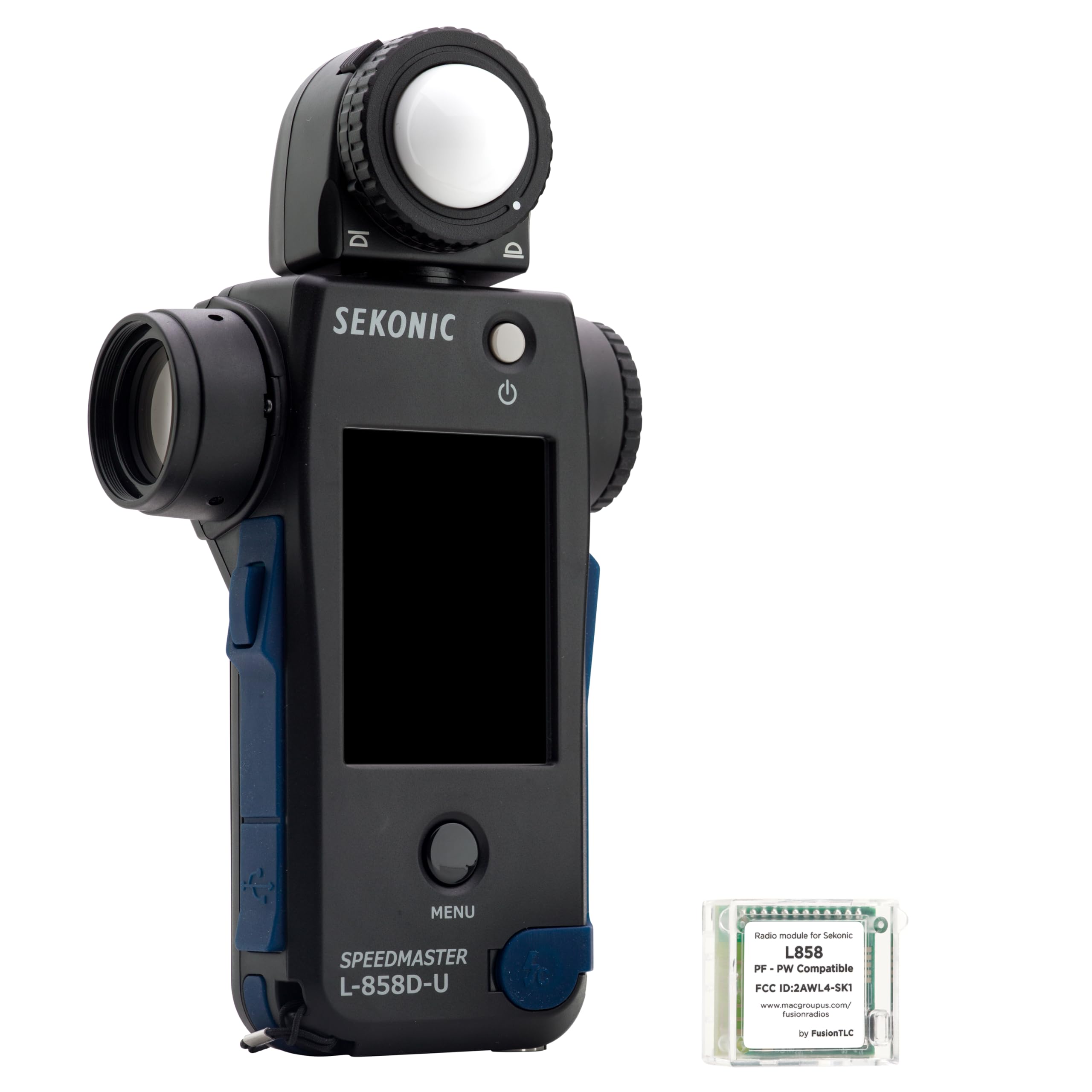
Sekonic L-478DR-U-PX Meter with Phottix ARES II Trigger and Receiver

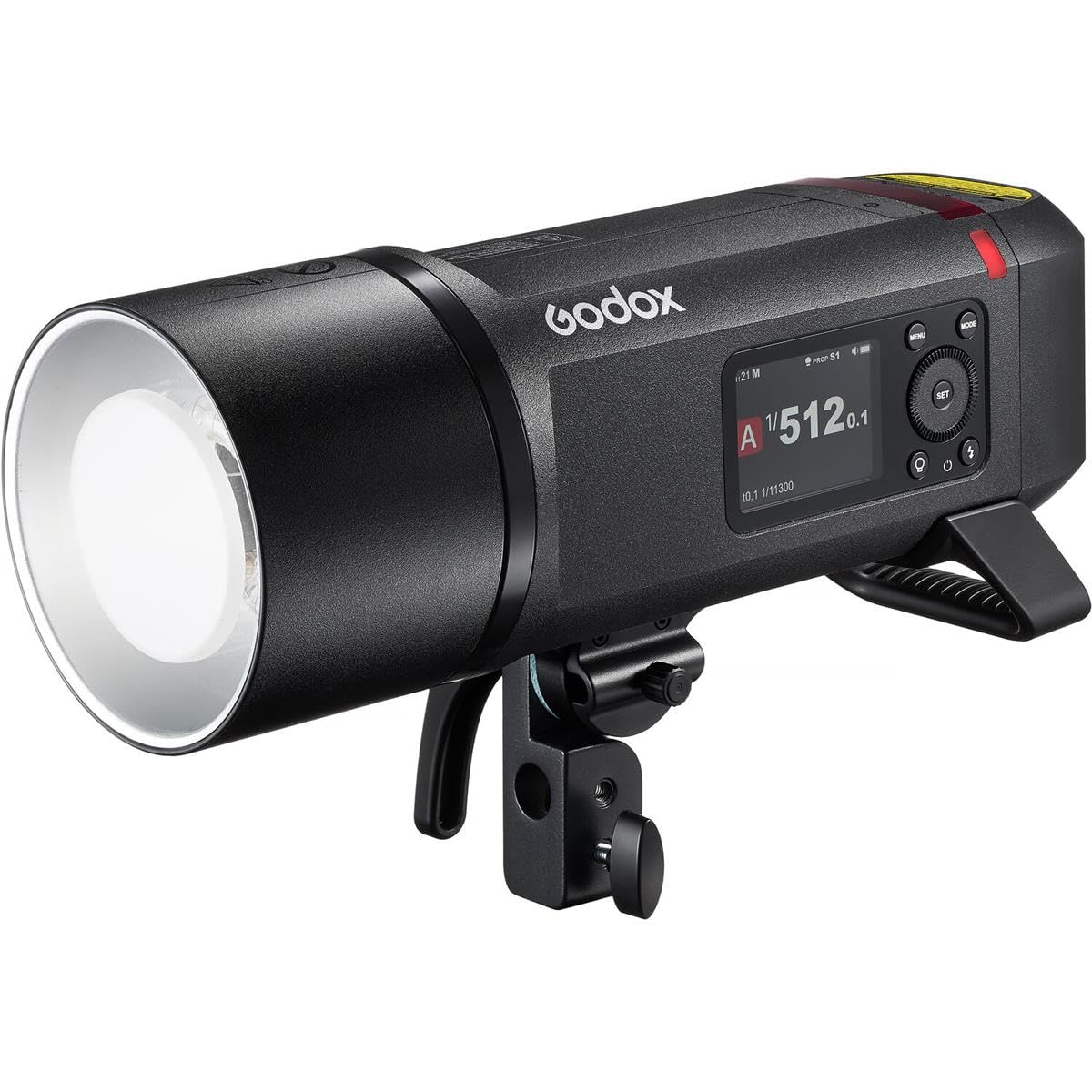
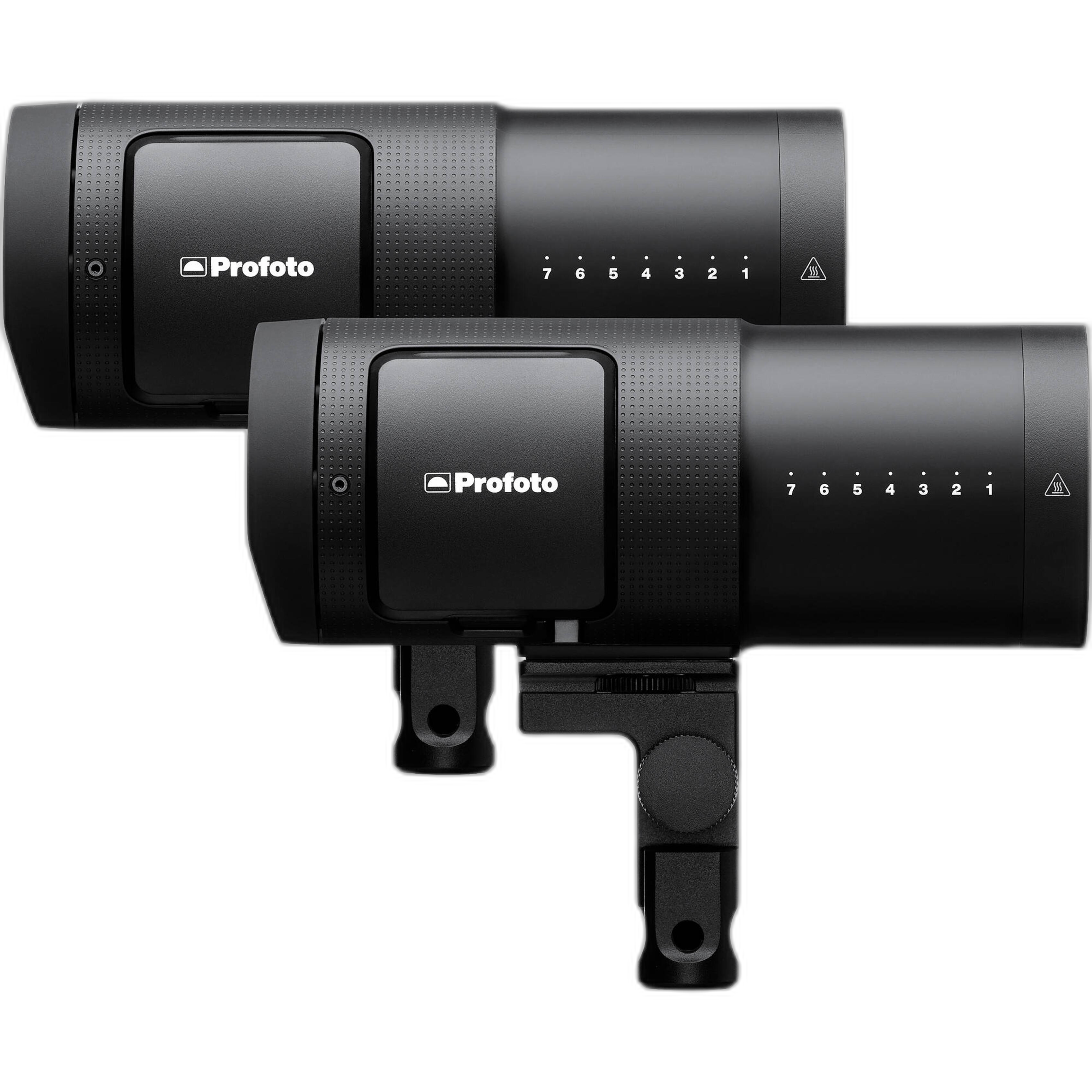
For portrait, still life, and studio-oriented contests, lighting consistency can elevate your entries. A dedicated meter like the Sekonic L-478DR-U-PX helps you dial in exposure and repeat results reliably, especially when using flash. Beginners entering portrait or fine-art competitions can benefit from more controlled lighting, cleaner skin tones, and polished presentation.
It’s not mandatory for everyone, but if your contest work depends on crafted light, this kind of tool can make your submissions look more intentional.
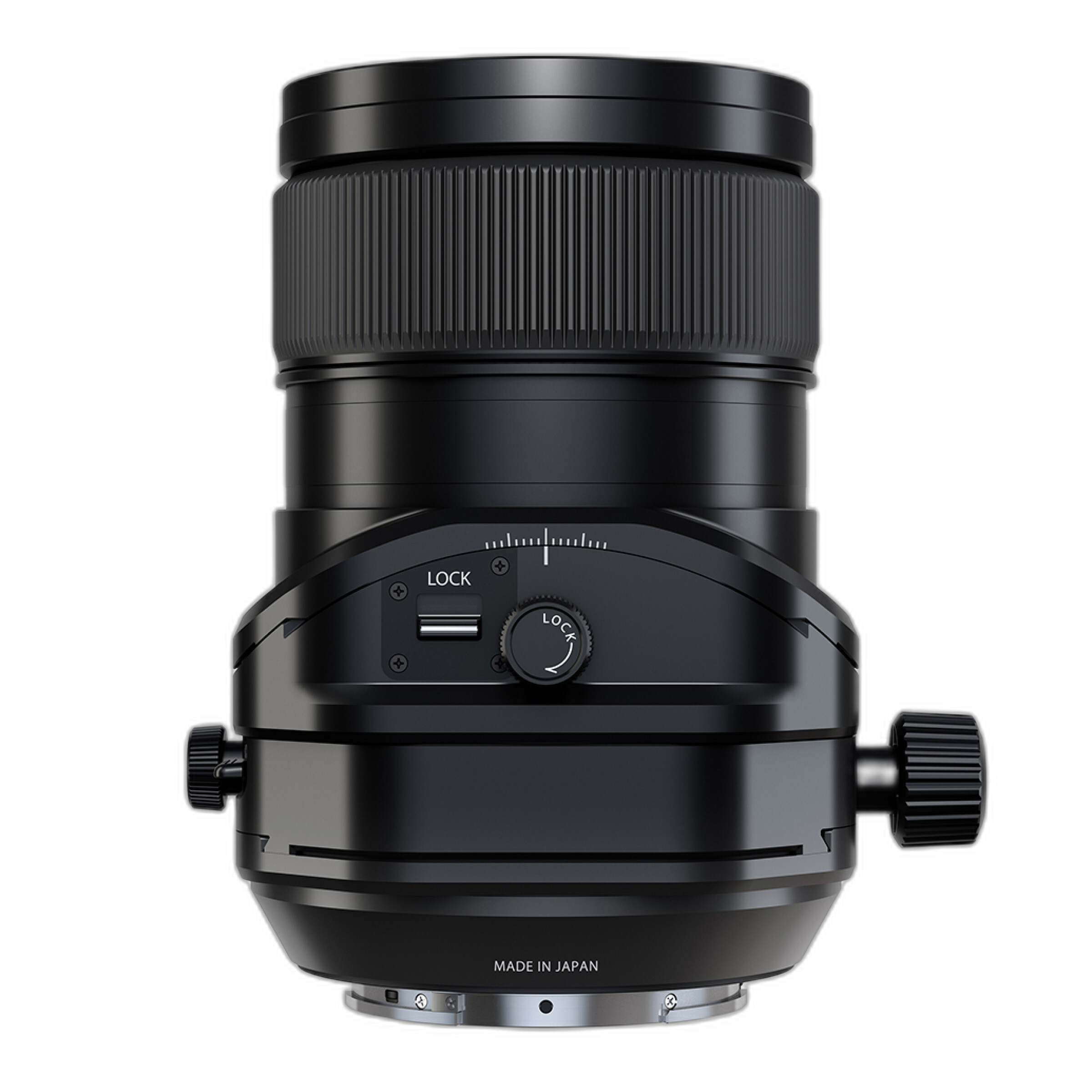
Fujifilm GF 1.4X TC WR Teleconverter for G-Mount Lenses

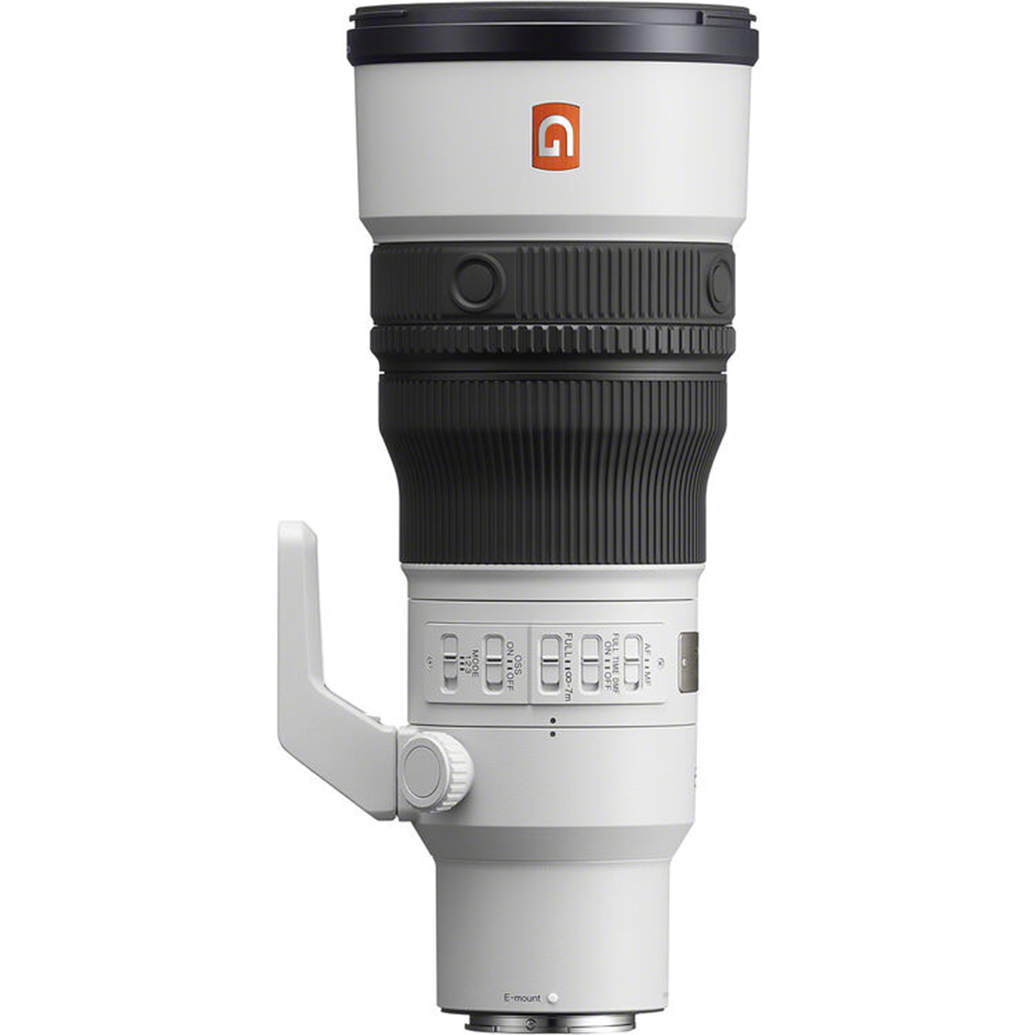
For wildlife, nature, and distant-subject competitions, reach matters. The Fujifilm GF 1.4X TC WR Teleconverter is a specialized option for G-Mount users who want to extend focal length without carrying a separate super-telephoto lens. If your contest entries revolve around detail, compression, or subjects you can’t physically approach, this accessory can help expand your shooting possibilities.
This is more niche than a general beginner purchase, but for the right photographer entering the right categories, it can be a smart addition.
Tips for Entering Your First Competition
- Read the rules carefully. Make sure your image size, file format, and subject matter meet the requirements.
- Enter your strongest single image first. Don’t submit five similar frames unless the contest asks for a series.
- Edit ruthlessly. The image you’re emotionally attached to may not be the one that reads best to judges.
- Match the category. A strong image entered in the wrong category often underperforms.
- Watch your post-processing. Overediting is one of the most common beginner mistakes.
- Keep a record of entries. Track deadlines, fees, rights terms, and results so you can enter smarter next time.
How Many Contests Should a Beginner Enter?
Start small. Enter one to three carefully chosen contests instead of scattering your budget across dozens. You’ll learn more by being intentional: selecting images, refining captions, and evaluating the results. As your portfolio becomes more focused, you can target larger competitions with more confidence.
Final Recommendation
If you’re just starting out, the photo competitions worth entering are the ones that help you grow: local contests, emerging-photographer awards, and reputable themed online competitions with fair rules and reasonable fees. Focus on contests that align with your style and offer genuine learning value, not just flashy prizes.
And if you need inspiration, tools, or accessories to help create stronger submissions, Unique Photo is a great place to start building your contest-ready kit.