Do You Need Pro Gear to Win Photo Contests?
Photography contests often spark the same debate: is winning mostly about talent and timing, or does premium gear create a real competitive edge? At Unique Photo, our view is simple: strong ideas, clean execution, and thoughtful presentation matter more than a luxury shopping list, but the right tools can absolutely help you refine your work and submit it at a higher level.
Whether you shoot with a dedicated camera, a film body, or even a phone, success in competitions usually comes down to matching your equipment and workflow to the image you want to make. Here are the most common questions photographers ask when preparing contest entries.
Do I need professional camera gear to be competitive in photo contests?
No. Professional-grade gear can make certain tasks easier, especially in low light, fast action, or large-format printing, but it is not a requirement for creating award-worthy work. Judges typically respond first to composition, subject matter, emotional impact, storytelling, timing, and technical polish. A compelling image made with modest equipment will usually outperform a forgettable image made with expensive gear.
Where higher-end equipment helps is consistency. Better lenses can improve sharpness and contrast. Cameras with stronger dynamic range can preserve highlights and shadows more gracefully. Specialty accessories can also expand what is possible in-camera. For example, landscape photographers entering nature or travel contests often benefit from tools like the LEE Filters .6ND Graduated Neutral Density Soft Edge 4x6, which helps balance a bright sky against a darker foreground and reduces the need for aggressive edits later.

If you are building a contest kit, focus on gear that solves a specific problem in your photography rather than assuming the most expensive option is automatically the best one.
What actually gives photographers an edge in competitions?
The biggest competitive advantages are usually vision, preparation, and editing discipline. Contest-winning images often feel intentional from start to finish. That means choosing the right light, waiting for the right moment, controlling distracting elements, and finishing the image carefully for the medium in which it will be judged.
Your edge may come from technical control, such as using filtration to hold detail in a dramatic sky, or from presentation, such as producing a high-quality print with excellent tonal separation. For photographers entering print competitions, output quality matters. The Epson SureColor P5370 17-Inch Professional Photographic Printer is a strong example of a tool that can elevate final presentation through rich color, strong black density, and dependable print consistency.

In other words, the edge is rarely one single piece of gear. It is the combination of a strong image and a workflow that preserves that image's quality all the way to submission.
Can mobile photography compete in serious contests?
Yes, in many categories it can. Mobile photography is entirely viable when the contest rules allow it and when the image concept suits the strengths of a phone camera. Phones are especially effective for street photography, travel, documentary work, and spontaneous storytelling because they are always available and discreet. A powerful moment captured cleanly on a phone can absolutely stand beside images made with larger cameras.
That said, phone photography has practical limitations. Extreme low light, long telephoto reach, and very large print output may reveal the advantages of interchangeable-lens systems. If the contest emphasizes technical perfection at large display sizes, a dedicated camera setup may provide more flexibility. But if the contest rewards originality, immediacy, and narrative impact, mobile work can be highly competitive.
The key is not the label of the device. It is understanding what your tool does well and editing the image with restraint so it still looks believable, polished, and intentional.
How important is editing software in contest photography?
Editing software is important, but it should support the photograph rather than rescue a weak one. Good post-production helps refine exposure, color balance, local contrast, cropping, spotting, and print preparation. It can also help you maintain a coherent style across a portfolio. However, overprocessing is one of the fastest ways to weaken an otherwise strong submission.
Before final export, it is worth viewing your image at full size and checking for halos, oversharpening, unnatural skin tones, clipped highlights, and distracting retouching artifacts. Judges may not know which software you used, but they will notice whether your file looks clean and purposeful.
If you plan to submit prints, pairing careful editing with dependable output is especially valuable. A printer like the Epson SureColor P5370 can help translate subtle tonal decisions from screen to paper more reliably than consumer-oriented options.

Are filters still useful for contest work in the digital era?
Absolutely. While software can simulate many effects, some tools still work best at capture. Neutral density and graduated neutral density filters remain relevant because they help preserve highlight detail and maintain a more natural tonal transition in scenes with bright skies or reflective surfaces.
The LEE Filters .6ND Graduated Neutral Density Soft Edge 4x6 is particularly helpful for landscapes where the horizon line is uneven or where a softer transition looks more natural. Using a filter like this can reduce the need for heavy HDR processing and give your final image a more refined, believable look. For contest entries, that natural feel can be a real advantage.
Using the right filter is less about gimmicks and more about making careful choices in the field so the final file starts from a stronger place.
Does print presentation matter as much as the photograph itself?
In print competitions, presentation matters a great deal. Even an excellent image can lose impact if the print lacks detail, shows color casts, or is mounted poorly. Judges respond not only to the image content but also to how confidently it is presented.
A dedicated photo printer such as the Epson SureColor P5370 17-Inch Professional Photographic Printer can be a smart investment for photographers who frequently enter juried shows or competitions. It allows greater control over paper choice, color management, and repeatable quality. If you trim your own display materials or presentation pieces, studio finishing tools can also support a polished workflow. For example, the Rotatrim Straight Edge 2600 102 Inch is the kind of precision finishing equipment useful in serious print presentation environments.


If you are entering a digital-only contest, presentation still matters in a different way: accurate resizing, sharpening for output, and clean file delivery can all affect how your image is perceived on screen.
Can older or used gear still produce contest-worthy images?
Yes. Used and legacy gear can still be very capable, especially when paired with a clear artistic purpose. In some categories, older optics or film cameras can even contribute a distinctive look that supports the concept of the image. Contest photography does not have to mean chasing the newest release. It means using tools you understand well.
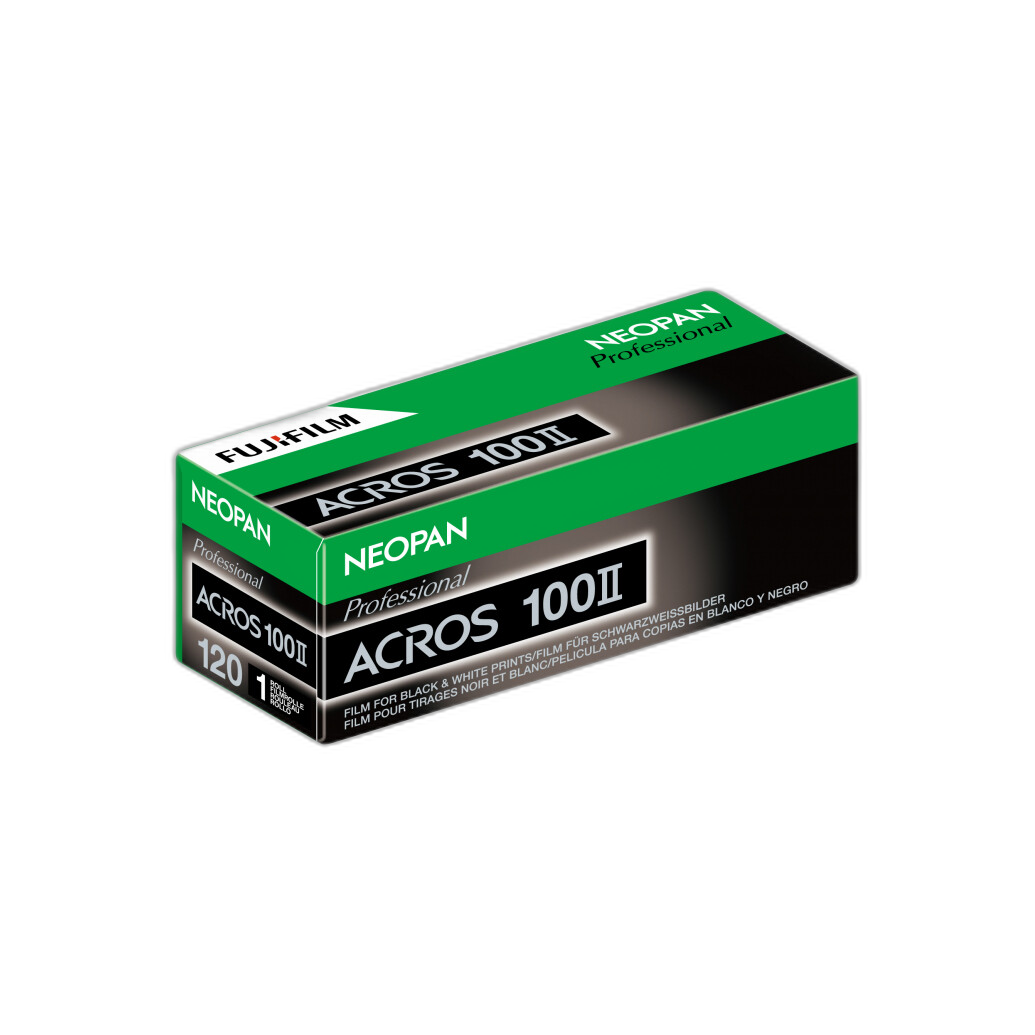
For photographers interested in a classic image-making approach, used gear can be an accessible way to experiment. A vintage film body such as the Used Ernemann Rigid Camera With 85MM F/1.8 Film Camera, or character-driven glass like the Used Leica 35MM F/2 Summicron Canada, may appeal to photographers exploring film-based or legacy aesthetics. As with any used equipment, condition and reliability should be evaluated carefully, especially if you are working toward an important deadline.
The practical lesson is that familiarity often beats novelty. A camera you know deeply is more likely to help you capture the image you imagined.
Should I invest in capture tools or presentation tools first?
That depends on where your current weaknesses are. If your images are already strong but your final prints lack impact, investing in presentation tools may yield the biggest return. A printer like the Epson SureColor P5370 can improve consistency and control over your contest submissions. If your main challenge is getting the scene right in-camera, a field tool such as the LEE Filters graduated ND filter may help more immediately.
For photographers creating educational content, behind-the-scenes explainers, or video contest entries, support tools can matter too. A product like the Prompter People PRO-15HB ProLine 15-inch High Bright Teleprompter, available at Unique Photo in used condition options, can help presenters deliver polished on-camera narration for multimedia submissions, artist statements, or promotional content surrounding their work.

The best investment is the one that removes a bottleneck in your own process. Contest success usually improves fastest when you strengthen your weakest link.
What is the smartest way to prepare an image for a contest submission?
Start by reading the rules carefully. Check category definitions, file size limits, color space requirements, AI or compositing restrictions, and whether heavy retouching is permitted. Then choose images that are not just technically strong, but also clearly aligned with the judging criteria.
From there, refine your file with a light hand. Make sure the crop is purposeful, the tonal range is controlled, and the subject is easy to read. If printing, soft-proof carefully and test on your chosen paper. If submitting digitally, export at the required dimensions and apply output sharpening appropriately. Finally, step away and review the image later with fresh eyes before sending it in.
Good contest preparation is a discipline. The photographers who do well repeatedly are often the ones who combine creative instinct with a reliable technical workflow.
If you are preparing for your next contest and want help choosing filters, printers, used gear, or presentation tools, Unique Photo can help you build a workflow that fits your goals and budget. Explore our selection online or connect with our team for expert guidance on the gear that supports your best work.