Choosing the Best Audio Setup for DSLR Video
For DSLR filmmakers, sound quality can make or break a project. The challenge is that “most versatile” means different things depending on how you shoot: run-and-gun interviews, weddings, documentaries, vlogging, or controlled productions with multiple microphones. In this comparison, we’re looking at several strong options from Tascam, Sennheiser, and Panasonic to determine which audio recorder or mic setup offers the broadest usefulness for DSLR video shooters.
We’re comparing compact DSLR-focused recorders like the Tascam DR-60DmkII and Tascam DR-70D, wireless systems like the Sennheiser XSW-D Portable ENG Set and Sennheiser AVX-835 SET, plus simpler on-camera mic solutions such as the Tascam TM-2X and Panasonic DMW-DMS1. We’ll also touch on the Tascam Model 16 and Model 24 for creators whose “DSLR video” setup extends into livestreaming, podcasting, or multi-source production.
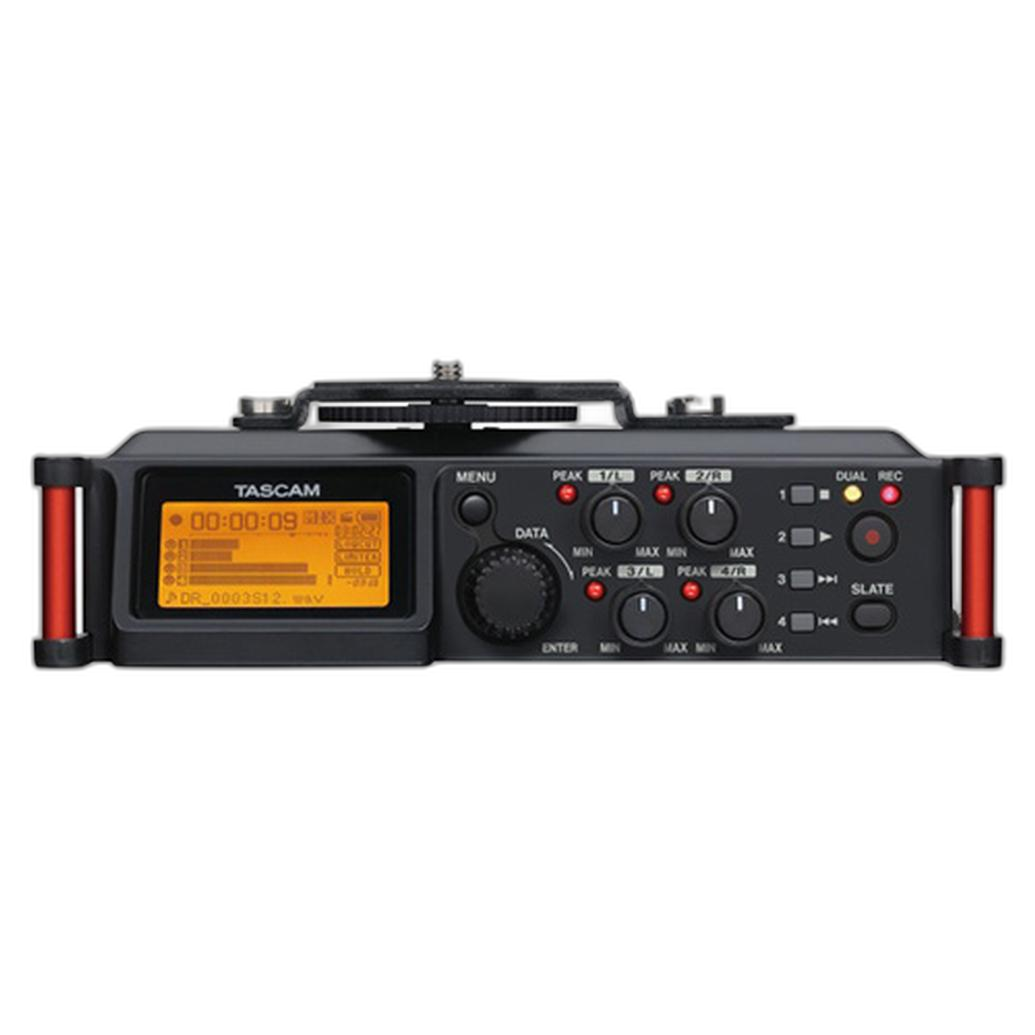
Side-by-Side Specs Comparison
| Product | Type | Best For | Key Strength | Portability | Versatility for DSLR Video |
|---|---|---|---|---|---|
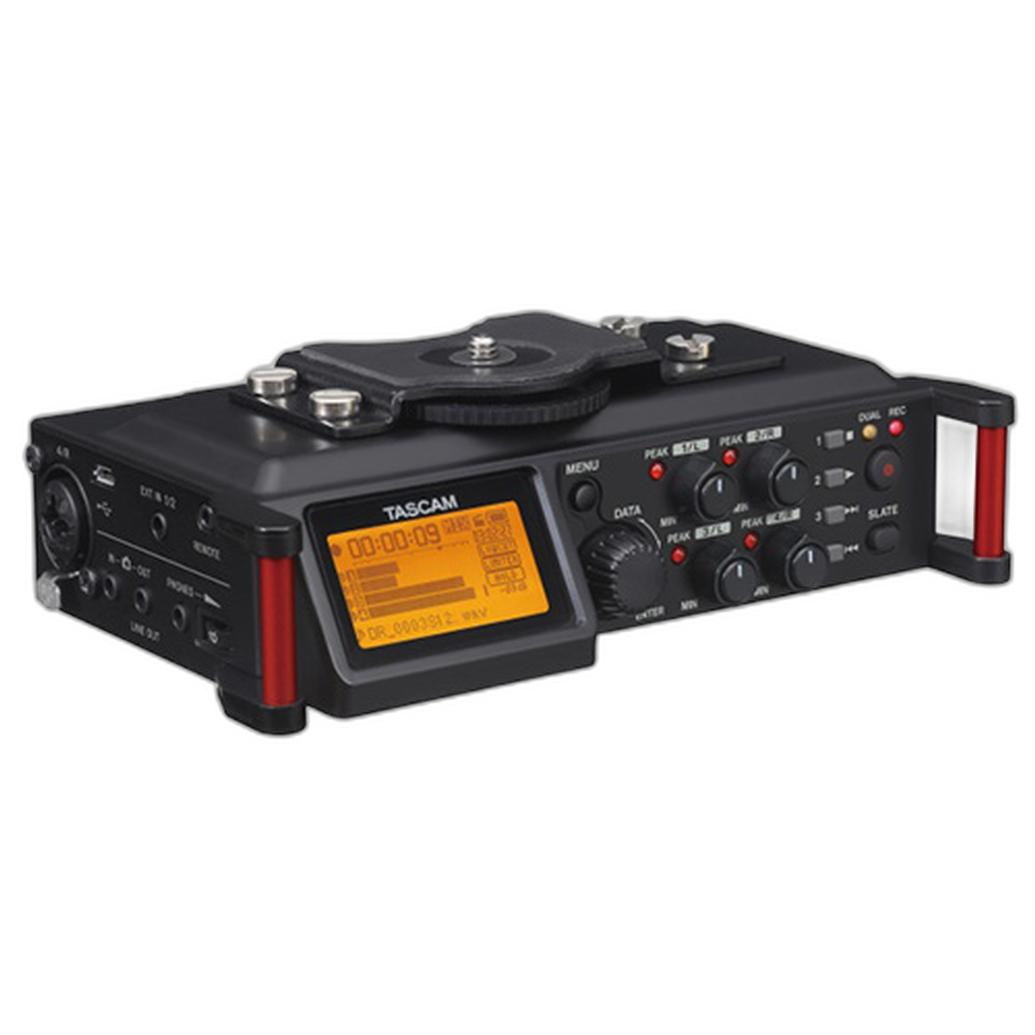
| Tascam DR-70D | 4-channel DSLR audio recorder | Multi-mic field recording | Dedicated camera-friendly recorder design | High | Excellent |
| Tascam DR-60DmkII | 4-channel portable recorder | DSLR shooters needing pro audio control | Compact recorder with DSLR integration | High | Excellent |
| Sennheiser XSW-D Portable ENG Set | Digital wireless cam-mount mic setup | Interviews, mobile video, ENG | Fast wireless workflow | Very High | Very Good |
| Sennheiser AVX-835 SET | Digital camera-mount wireless handheld system | Events, handheld interviews | Broadcast-style handheld wireless convenience | High | Very Good |
| Tascam TM-2X | Stereo XY condenser DSLR mic | Ambient sound, travel, simple rigging | Easy on-camera stereo capture | Very High | Good |
| Panasonic DMW-DMS1 | Multi-pattern shotgun microphone | On-camera directional capture | Pattern flexibility in a compact mic | Very High | Good |
| Tascam Model 16 | Digital mixer/recorder/interface | Studio, livestream, multi-input production | Expanded production hub | Low | Moderate |
| Tascam Model 24 | Digital mixer/recorder/interface | Larger productions and hybrid creators | Maximum I/O and workflow flexibility | Low | Moderate |
Comparing the Top Options for DSLR Shooters
Tascam DR-70D vs Tascam DR-60DmkII
If your goal is the most versatile DSLR audio setup, these two recorders are the most direct contenders. Both are purpose-built around DSLR and video-camera workflows, and both are far more flexible than relying on a camera’s built-in mic input alone.
The DR-70D is especially appealing for shooters who want to mount a recorder into a camera rig and work with multiple sources at once. That makes it ideal for documentary shoots, interviews with lavs plus a shotgun, or event coverage where backup tracks matter. It gives you room to grow into more complex audio setups without outgrowing the recorder right away.
The DR-60DmkII, meanwhile, remains one of the most practical DSLR audio tools for solo operators. It’s compact, field-friendly, and designed around the needs of camera-based production. If you want a dedicated recorder that adds professional control without making your rig overly complicated, this is a highly balanced choice.
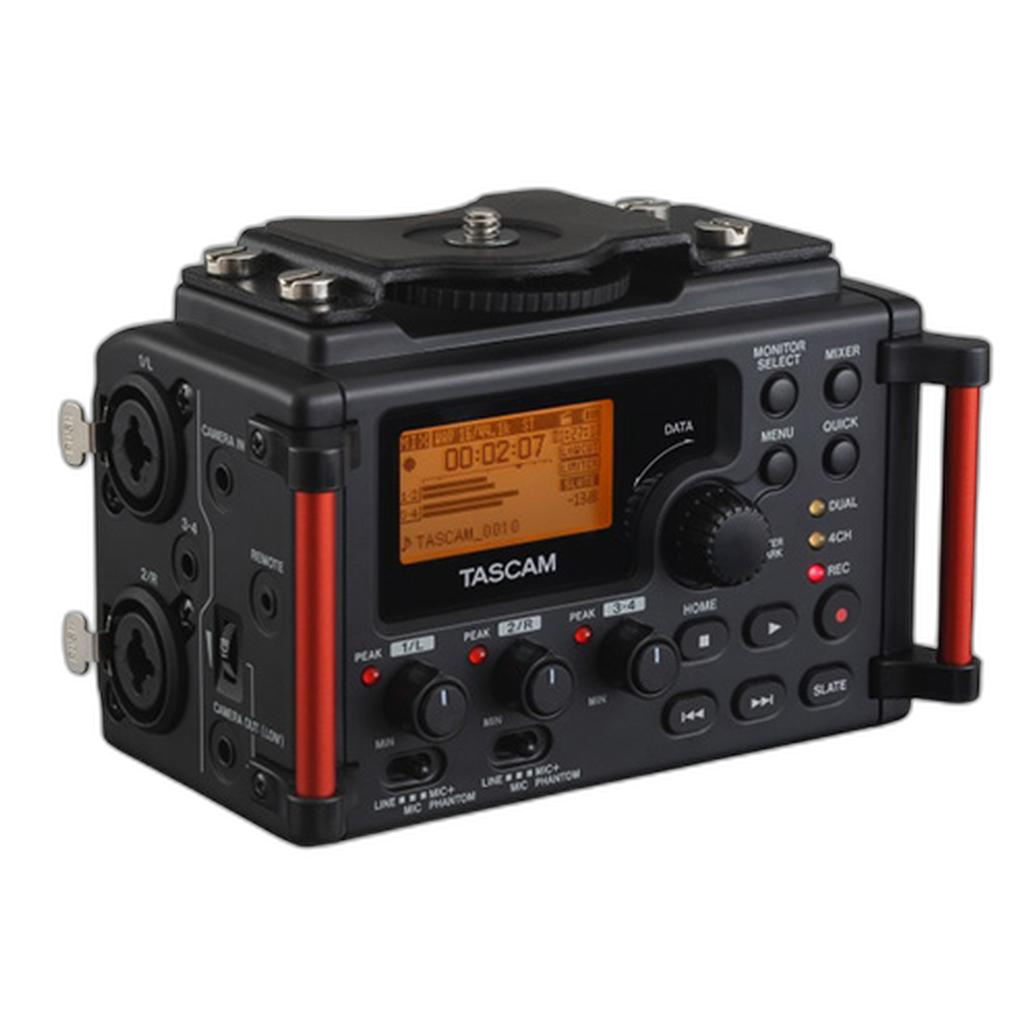
Bottom line: The DR-70D feels like the more expandable DSLR audio hub, while the DR-60DmkII is the simpler all-around field companion.
Sennheiser XSW-D Portable ENG Set vs Sennheiser AVX-835 SET
Wireless audio can completely change how fast and efficiently you work. If you shoot interviews, walk-and-talks, weddings, or corporate content, a wireless system may be more versatile in practice than a standalone recorder.
The Sennheiser XSW-D Portable ENG Set is the more flexible option for general DSLR video use. Its cam-mount ENG design suits creators who need quick deployment, mobility, and cleaner audio without building a larger rig. It’s a strong fit for interview shooters and videographers who need something fast, compact, and reliable.
The Sennheiser AVX-835 SET is more specialized. The handheld format is excellent for event coverage, red-carpet style interviews, and situations where the mic should be visible and easily passed between speakers. It’s extremely useful in those scenarios, but less universal than the ENG-style setup for everyday DSLR production.
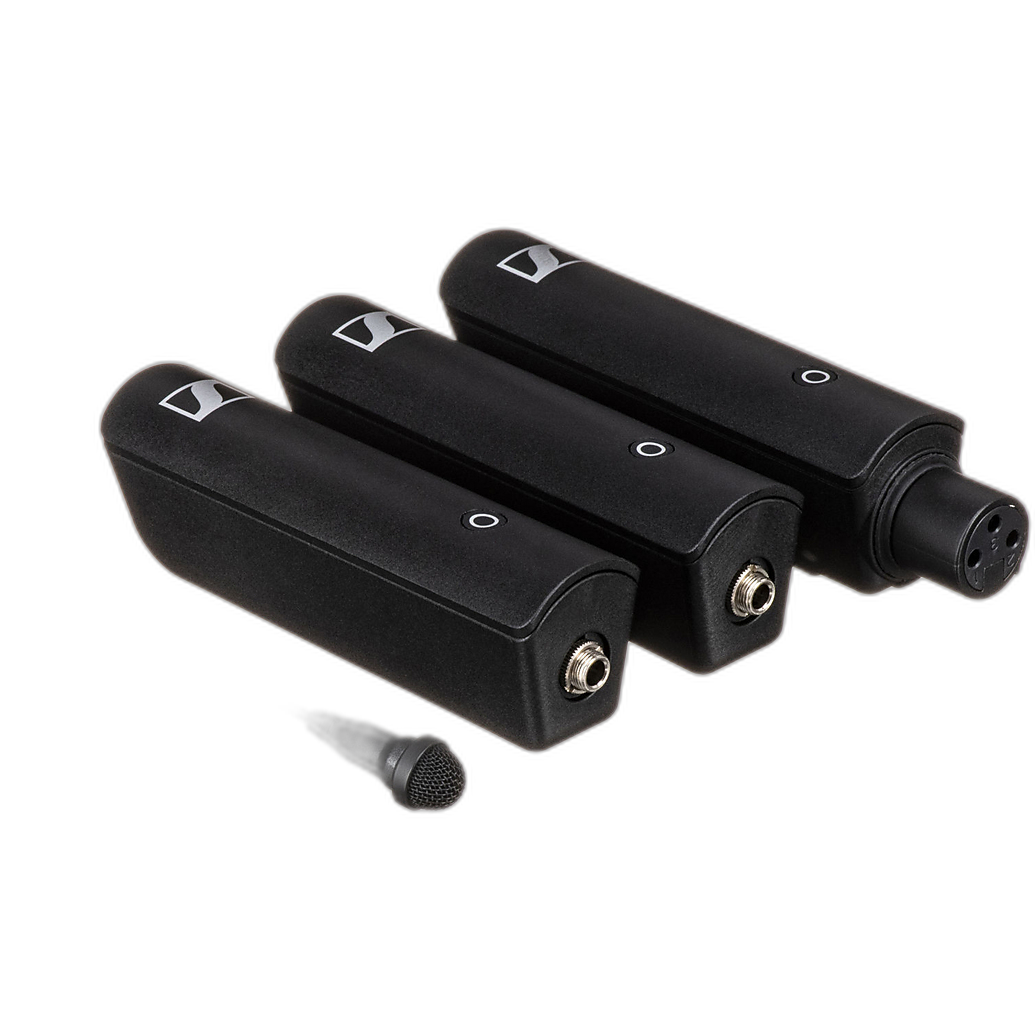
Bottom line: The XSW-D Portable ENG Set is the more broadly adaptable wireless choice for DSLR shooters, while the AVX-835 shines in handheld interview work.
On-Camera Simplicity: Tascam TM-2X vs Panasonic DMW-DMS1
Not every DSLR shooter needs a full recorder or wireless system. Sometimes the most versatile solution is the one you’ll actually keep mounted on the camera.
The Tascam TM-2X Stereo XY Condenser DSLR Microphone is a great match for creators capturing ambient sound, travel footage, behind-the-scenes clips, and natural stereo environments. It’s simple, lightweight, and easy to integrate into a minimalist rig.
The Panasonic DMW-DMS1 takes a more directional approach and adds flexibility through its multi-pattern design. That makes it appealing for shooters who want to adapt between focused dialogue pickup and broader environmental capture without carrying multiple microphones.
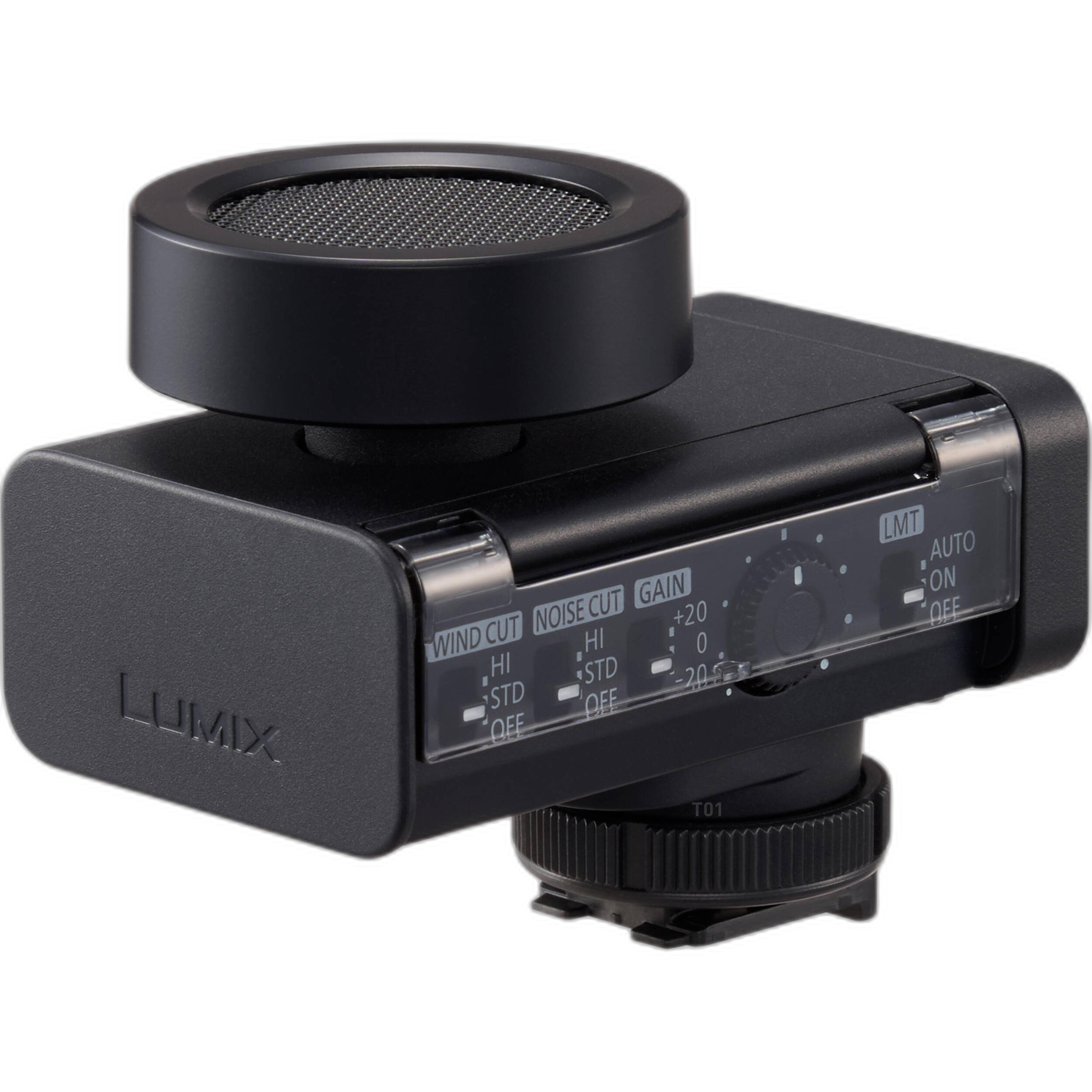
Bottom line: The TM-2X is excellent for simple stereo capture, but the DMW-DMS1 has the edge if you want more pickup-pattern flexibility from a compact on-camera mic.
Are the Tascam Model 16 and Model 24 Overkill for DSLR Video?
For pure field shooting, yes—most DSLR users will find the Tascam Model 16 and Model 24 much larger than necessary. But for hybrid creators who also record podcasts, music performances, livestreams, or multi-camera productions, these mixers can become the center of a broader content workflow.
The Model 16 is easier to justify for small production teams or creators building a compact studio-production space. The Model 24 is the better choice when channel count, routing flexibility, and larger-scale recording matter more than portability.
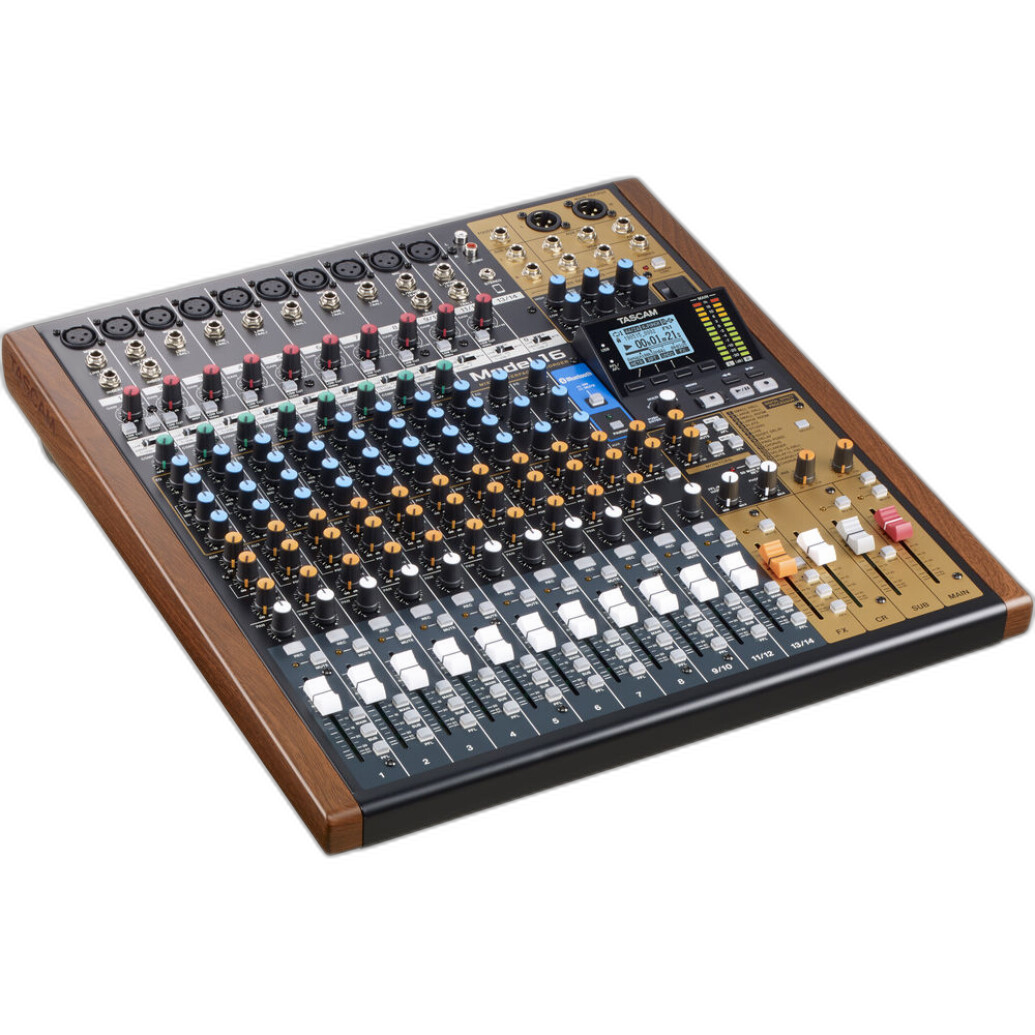
For DSLR-only work, these are not the most versatile day-to-day options. But for content creators who split time between field video and controlled audio/video production, they offer a kind of versatility that portable recorders and camera-mounted mics simply can’t match.
Our Pick
Our Pick: Tascam DR-70D
For most DSLR video shooters, the Tascam DR-70D 4-Channel Audio Recording Device for DSLR and Video Cameras stands out as the most versatile overall choice. It offers the right balance of portability, DSLR-friendly design, and multi-source recording flexibility. It can support simple shoots today and more advanced microphone setups later, which makes it a smart long-term investment for videographers who want room to grow.
Who Should Choose Something Else?
If you prioritize the smallest possible DSLR audio rig, the Tascam DR-60DmkII is still a fantastic option. If your work revolves around interviews and mobility, the Sennheiser XSW-D Portable ENG Set may be the more practical tool. And if you just want a compact step up from internal camera audio, the Panasonic DMW-DMS1 or Tascam TM-2X makes sense.
Conclusion
The best audio setup for DSLR video depends on whether you need maximum control, wireless speed, or lightweight simplicity. For the widest range of DSLR filmmaking scenarios, the Tascam DR-70D earns the nod as the most versatile choice, with the DR-60DmkII close behind for shooters who value a slightly more streamlined field setup. If you’re ready to upgrade your camera audio, Unique Photo offers these recorder and microphone options for creators building a better video workflow.