Introduction: Why Copyright Terms Matter as Much as the Image Itself
Entering a photo contest can be exciting, but the fine print often matters just as much as the photograph you submit. In this review-style guide, we’re taking a practical look at how photographers should evaluate contest rules, copyright clauses, licensing language, and image-rights demands before uploading their best work. Think of this as a review of the contest-entry process itself: what holds up, what to watch out for, and what can cost photographers control over their images.
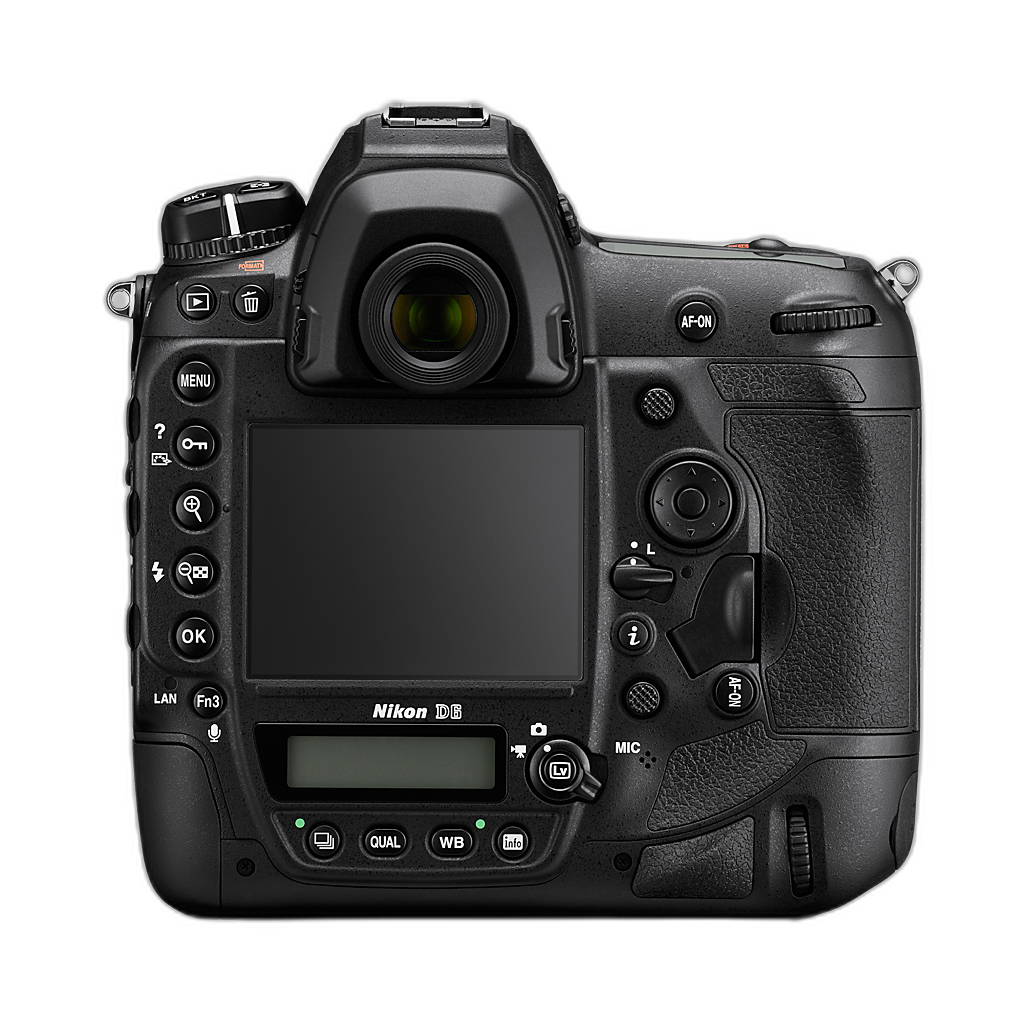
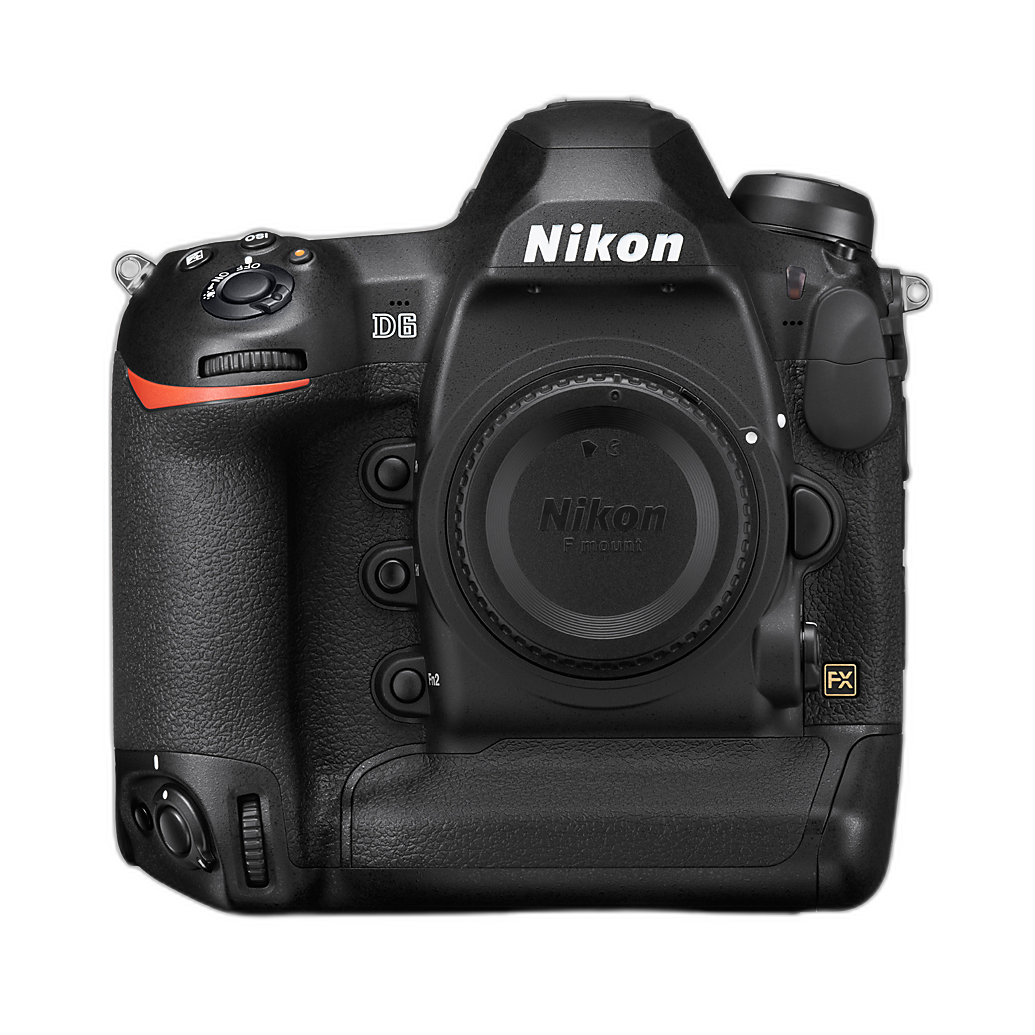
For serious contest shooters, a professional workflow helps protect both creative quality and business value. A camera like the Nikon D6 FX-Format Digital SLR Camera is built for high-stakes photography, where images may end up in editorial, sports, wildlife, or commercial contexts that carry real licensing value. That makes it especially important not to give away broad usage rights unintentionally.
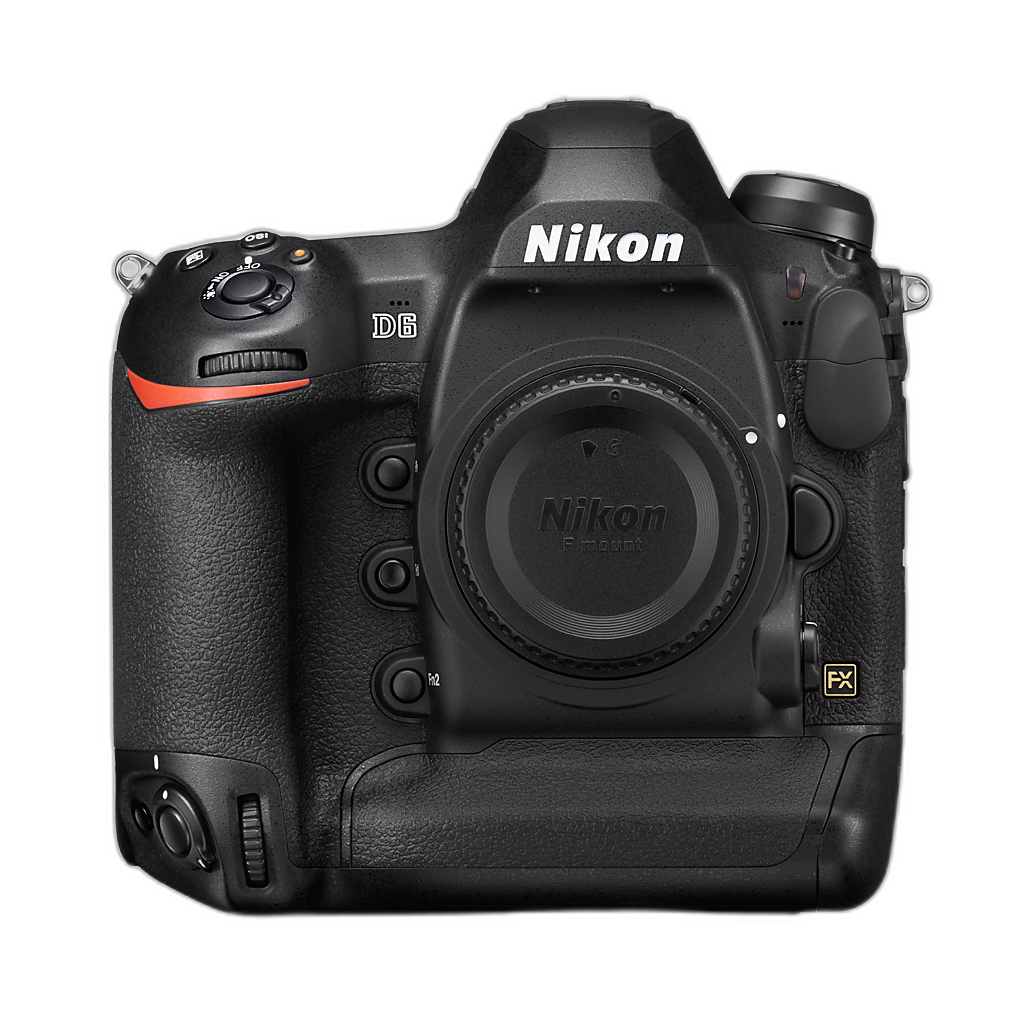
When reviewing contest terms, the goal is simple: keep your copyright, understand the license you are granting, and make sure the contest organizer is asking only for rights reasonably related to administering and promoting the competition. If you’re building a contest-ready kit, Unique Photo is a strong place to buy gear like the Nikon D6, used Nikon D6 bodies, and travel solutions such as the Think Tank Airport Navigator V2.
What You Actually Own: Copyright vs. Contest License
Copyright Should Usually Stay With the Photographer
In most reputable contests, you retain copyright as the creator of the image. That is the baseline standard photographers should expect. If the rules state that entering means you “assign,” “transfer,” or “forfeit” copyright, that is a major red flag. A contest should not need ownership of your image just to judge or publicize winners.
A License Is Not the Same as Ownership
Many contests require a license to use submitted images for judging, exhibition, website galleries, social posts, or future promotion of that specific contest. That can be reasonable. The problem starts when terms become perpetual, irrevocable, worldwide, sublicensable, royalty-free rights for any purpose whatsoever, including advertising unrelated products or services. That kind of language may effectively strip your image of future licensing value even if you technically still hold copyright.
Reviewing Contest Terms Like a Pro
Look for Narrow, Purpose-Built Usage Language
The best contest rules limit image usage to administration, judging, winner announcements, exhibition, and direct promotion of the contest. This is the gold standard because it matches the organizer’s legitimate needs without overreaching.
Watch for “In Any Media, For Any Purpose” Clauses
This phrase is one of the most common warning signs. It may sound routine, but it often grants the organizer far broader rights than necessary. If a contest can use your image forever, in any medium, for any purpose, that may include marketing campaigns, sponsorship materials, or commercial uses far beyond the original event.
Check Whether the License Is Exclusive or Non-Exclusive
A non-exclusive license is generally far safer because it allows you to continue licensing, selling, printing, and publishing your own work elsewhere. An exclusive license can restrict your ability to do business with your own photograph. Unless the prize and prestige are exceptional, exclusive terms are usually hard to justify.
Understand Sublicensing Rights
If the organizer can sublicense your image to sponsors, partners, affiliates, or media outlets without further approval or payment, your image could travel much farther than you intended. Reputable contests are often more precise and transparent about who can use submitted work and for what reason.
Model Releases, Property Releases, and Third-Party Rights
Your Copyright Is Only One Piece of the Puzzle
Even if you own the photo, recognizable people, private property, artwork, logos, and certain locations can introduce additional rights issues. Some contests require entrants to warrant that all necessary permissions have been obtained. That means the burden is on you, not the organizer.
Editorial vs. Commercial Use Matters
If a contest only uses entries in an editorial or documentary context, releases may be less of a concern depending on jurisdiction and subject matter. But if the contest terms permit promotional or advertising use, a model release or property release may become essential. Read the rules carefully and assess whether the contest could place your image into commercial-looking uses.
How Gear Fits Into a Contest Strategy
Nikon D6: Built for High-Value Image Capture
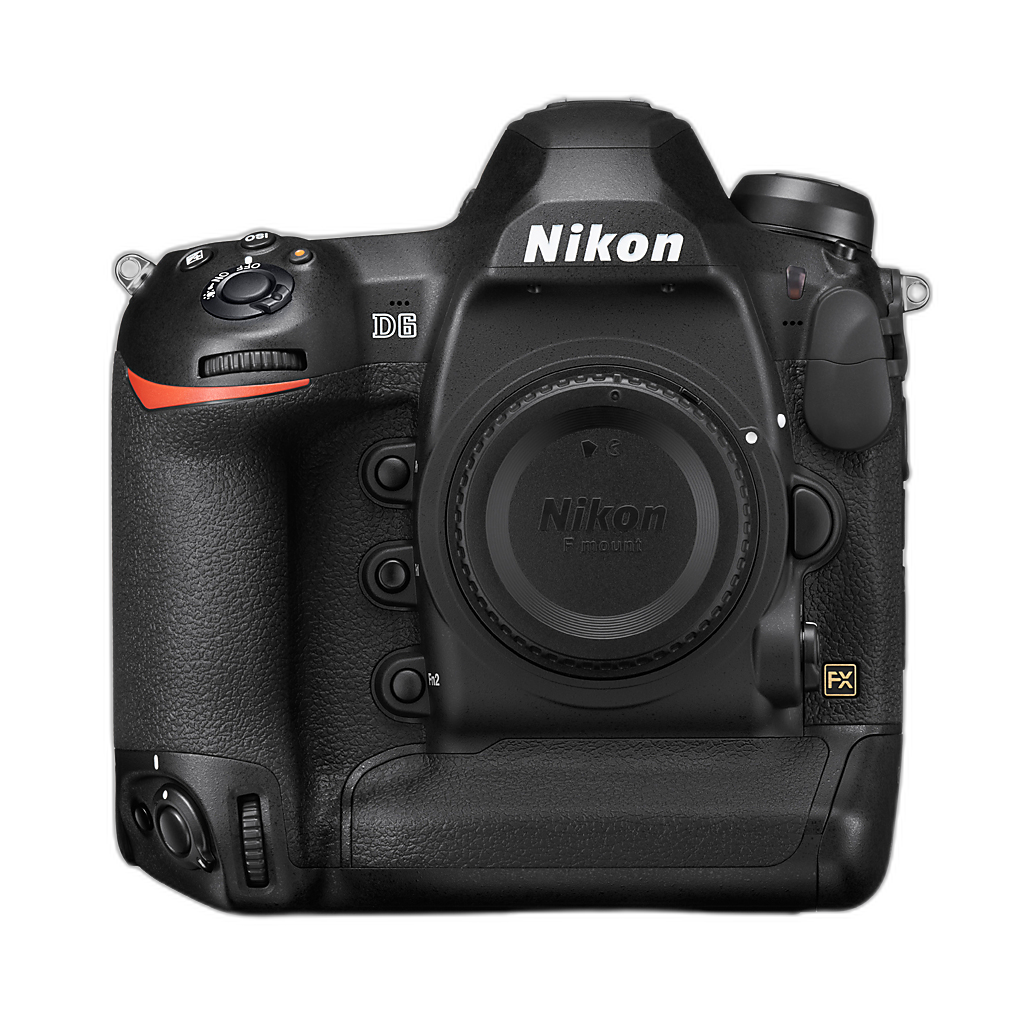
The Nikon D6 is a flagship DSLR designed for photographers who often create images with strong editorial and commercial potential. Fast action, wildlife, news, and event photographs can all carry substantial downstream value. That makes rights awareness especially important. If you capture a contest-winning image with a camera of this class, you should be just as careful with contracts as you are with exposure and timing.
Photographers shopping with budget in mind may also consider used options from Unique Photo, including the Used Nikon D6 FX-Format Digital SLR Camera in Excellent or Good condition.
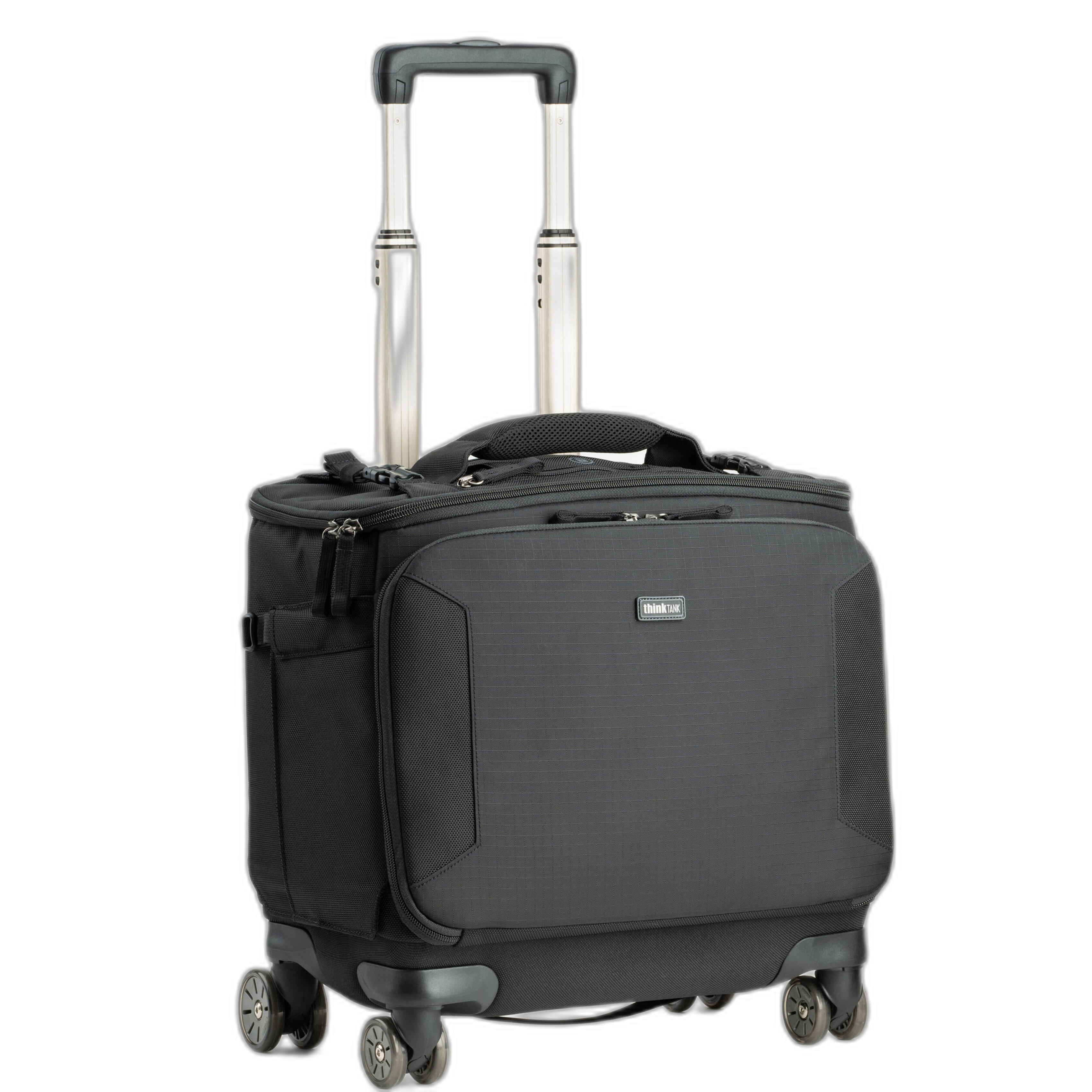
Think Tank Airport Navigator V2: Smart for Contest Travel and File Security
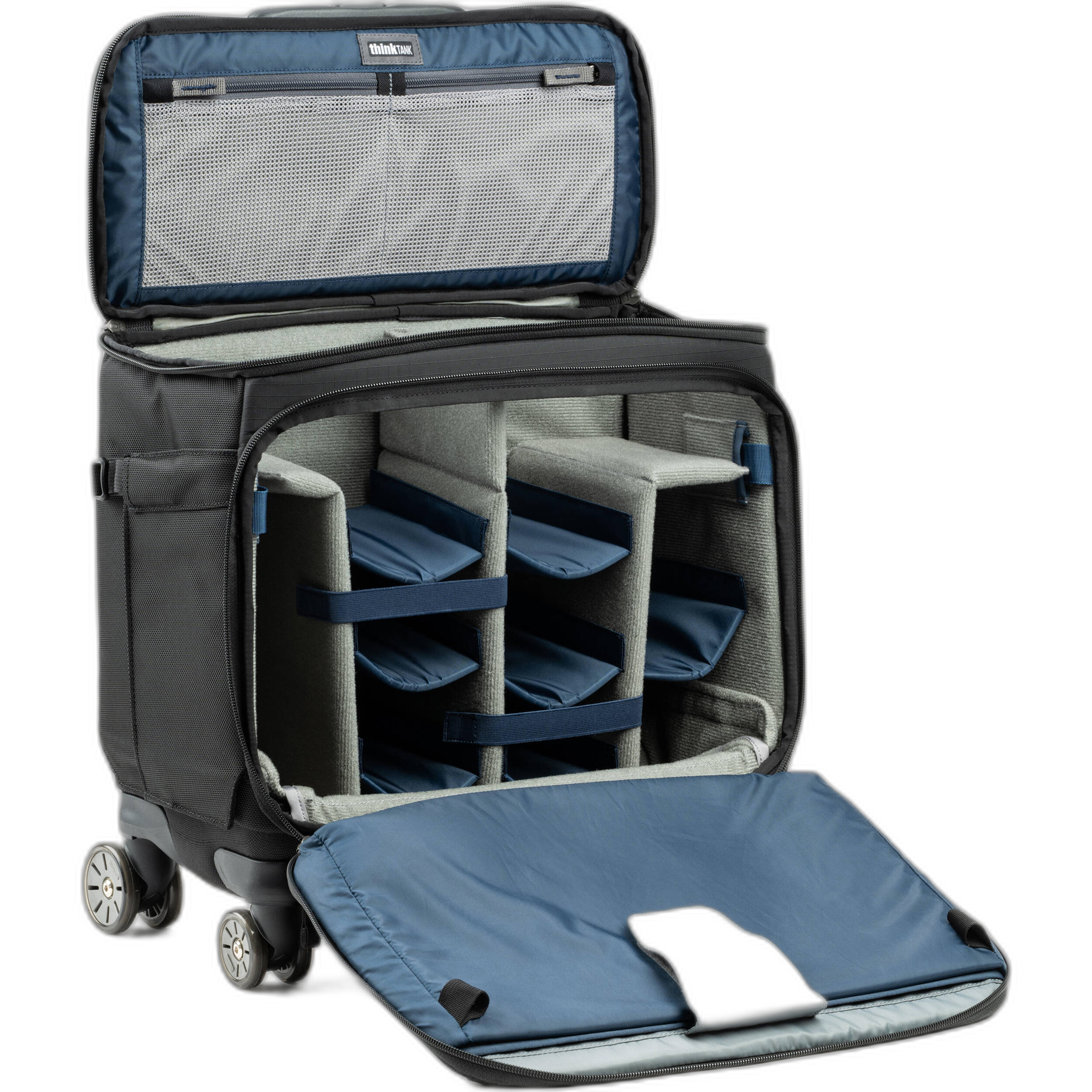
If your contest work involves travel, on-location shooting, or event coverage, the Think Tank Airport Navigator V2 4-Wheel Rolling Bag is a practical support piece. While a bag does not affect legal rights directly, a professional transport solution helps protect the cameras, lenses, cards, and workflow tools behind your submissions. Reliable organization matters when contest deadlines are tight and your original files need to remain secure and accessible.
Red Flags That Make a Contest Hard to Recommend
Overreaching Ownership Terms
If the contest claims ownership of every submission, that is an immediate concern. You should rarely, if ever, need to transfer copyright to enter a legitimate competition.
Permanent Commercial Rights Without Compensation
If the sponsor can use your image indefinitely for branding, advertising, packaging, or unrelated campaigns without payment, the contest may be monetizing submissions more than celebrating photographers.
No Credit Requirement
While not every use legally requires attribution, a contest that avoids promising photo credit can signal weak photographer-friendly standards. Credit does not replace licensing fees, but it is still an important professional courtesy.
Vague Rules and Broad Legal Disclaimers
If the terms are unclear, extremely broad, or difficult to interpret, proceed carefully. Ambiguity often favors the organizer, not the entrant.
Green Flags That Indicate a Better Contest
Clear Statement That Entrants Retain Copyright
This is the first thing many photographers look for, and for good reason.
Limited Non-Exclusive License
The best contests ask for only what they reasonably need: judging, display, archives, and promotion of the competition itself.
Defined Timeframe and Purpose
Rights tied to a specific event, season, exhibition, or promotional cycle are far more acceptable than open-ended usage forever.
Transparent Credit Practices
A contest that states how photographers will be credited is generally showing stronger respect for contributors.
Pros and Cons of Entering Photo Contests from a Rights Perspective
Pros
- Can provide exposure, credentials, and portfolio value
- May open doors to publication, networking, or assignments
- Good contests preserve photographer copyright
- Winning images can strengthen personal branding and professional credibility
- Some contests offer fair, limited-use licensing terms
Cons
- Some contests include overly broad or exploitative rights grabs
- Ambiguous terms can reduce future licensing value of your images
- Sponsors may seek sublicensing rights to partners or advertisers
- Commercial promotional use can create release issues
- Many photographers focus on prizes and overlook long-term rights consequences
Best Practices Before You Submit
Read Every Rights Clause
Do not rely on summaries or assumptions. Search the rules for terms like copyright, license, perpetual, irrevocable, sublicensable, exclusive, royalty-free, advertising, promotion, affiliate, and derivative works.
Evaluate the Value Exchange
If a contest wants sweeping rights, ask whether the prize, exposure, or prestige truly compensates for that loss of control. Often, it does not.
Keep Release Documentation Organized
If your image includes people or private property, maintain clear records. If a contest later uses your image in promotional materials, you will want documentation ready.
Protect High-Value Images Carefully
If an image has strong commercial or editorial value, think twice before entering contests with aggressive rights language. Your best image may be worth more than the entry opportunity.
Verdict: A Critical Eye Wins Twice
Our review takeaway is straightforward: entering photo contests can absolutely be worthwhile, but only when the rights terms are fair. The best contests respect photographers by letting them retain copyright and granting only a limited, non-exclusive license tied to the event. The worst contests use legal language to turn free submissions into a content pipeline.
For photographers creating contest-worthy work with serious tools like the Nikon D6, or building a travel-ready setup around accessories like the Think Tank Airport Navigator V2, protecting the value of your images is part of the craft. Buy your camera gear from Unique Photo, but when it comes to contest entry forms, bring the same scrutiny you would to any professional contract.
Recommendation: Enter contests selectively, favor organizations with transparent and limited rights terms, and never confuse “great exposure” with fair compensation for broad image use.