Introduction
Photo contests can be exciting career builders, but experienced forum members often warn that the fine print matters as much as the image itself. Rights grabs, perpetual usage clauses, vague sublicensing language, and broad promotional permissions can turn a seemingly attractive opportunity into a long-term licensing mistake. In that context, the Hasselblad XCD 135mm f/2.8 Lens with 1.7x Teleconverter stands out as the kind of premium, deliberate image-making tool that deserves equally deliberate rights management. If you are creating high-value work for competitions, editorial submissions, or commercial portfolios, this lens encourages the sort of intentional photography that should never be handed away carelessly.
As a review product, the XCD 135mm f/2.8 with bundled 1.7x teleconverter occupies a specialized position: it is a medium format short-telephoto solution for portrait, fashion, landscape detail, and compressed perspective work, aimed at photographers who care deeply about rendering, subject separation, and image quality. It is not a casual entry point lens. Instead, it is a serious creative investment for photographers whose files may have meaningful licensing value. That makes it especially relevant to the broader discussion around contests and copyright: when your work is this polished, your rights deserve protection too.
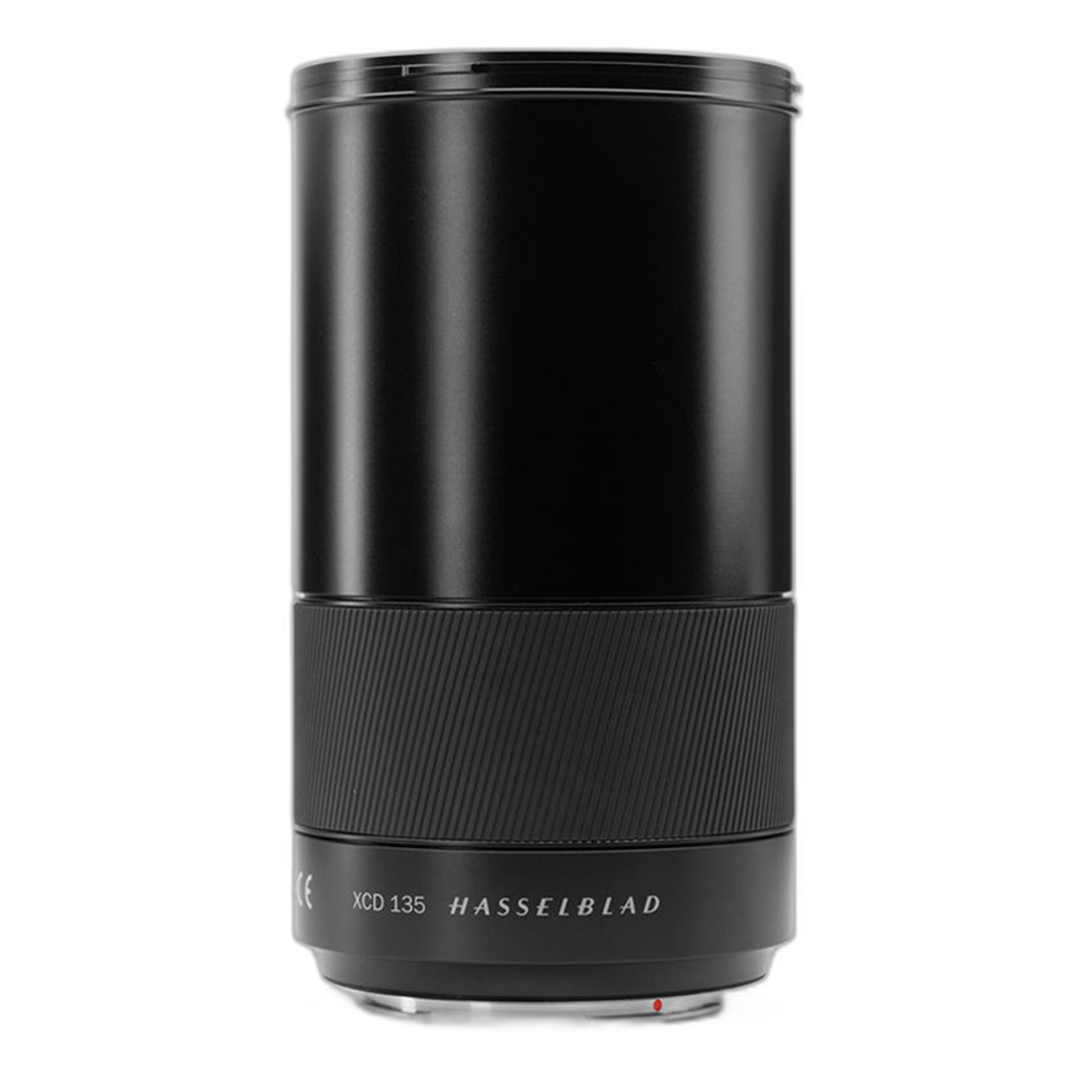
Build Quality and Product Positioning
The Hasselblad XCD 135mm f/2.8 is clearly designed for photographers working in a high-end ecosystem. Its focal length is ideal for flattering portraits, isolated subject studies, and elegant compression in outdoor scenes. With the included 1.7x teleconverter, the lens becomes even more flexible for photographers who want extra reach without abandoning the refined optical character expected from the X System.
Forum discussions about contest pitfalls often center on a simple point: do not give premium work away under broad, exploitable terms. That advice feels especially appropriate here. This is the type of lens photographers use when creating signature images, not disposable entries. If you are investing in medium format optics of this caliber, then reading contest terms with the same precision you bring to focusing and composition is essential.
Key Features
Medium Format Portrait Reach with Premium Rendering
The 135mm focal length on the Hasselblad X System is a natural fit for portraiture and compressed compositions. It provides flattering facial perspective, strong subject isolation, and a polished look that helps images feel intentional and high-value. In practical terms, that means files produced with this lens can be especially attractive to contests, publications, and brands. It also means you should be cautious about entering any contest whose terms request unlimited promotional use without fair compensation.
The lens is at its best when the goal is controlled, elegant imagery rather than general-purpose convenience. It rewards thoughtful setup, measured framing, and photographers who want a distinct visual signature.
Included 1.7x Teleconverter Adds Versatility
One of the strongest selling points of this package is the included 1.7x teleconverter. Rather than purchasing reach separately, photographers get an integrated solution that extends the lens into a more specialized long-telephoto role. This is useful for tighter portrait crops, distant landscape details, and selective compression where physical movement is limited.
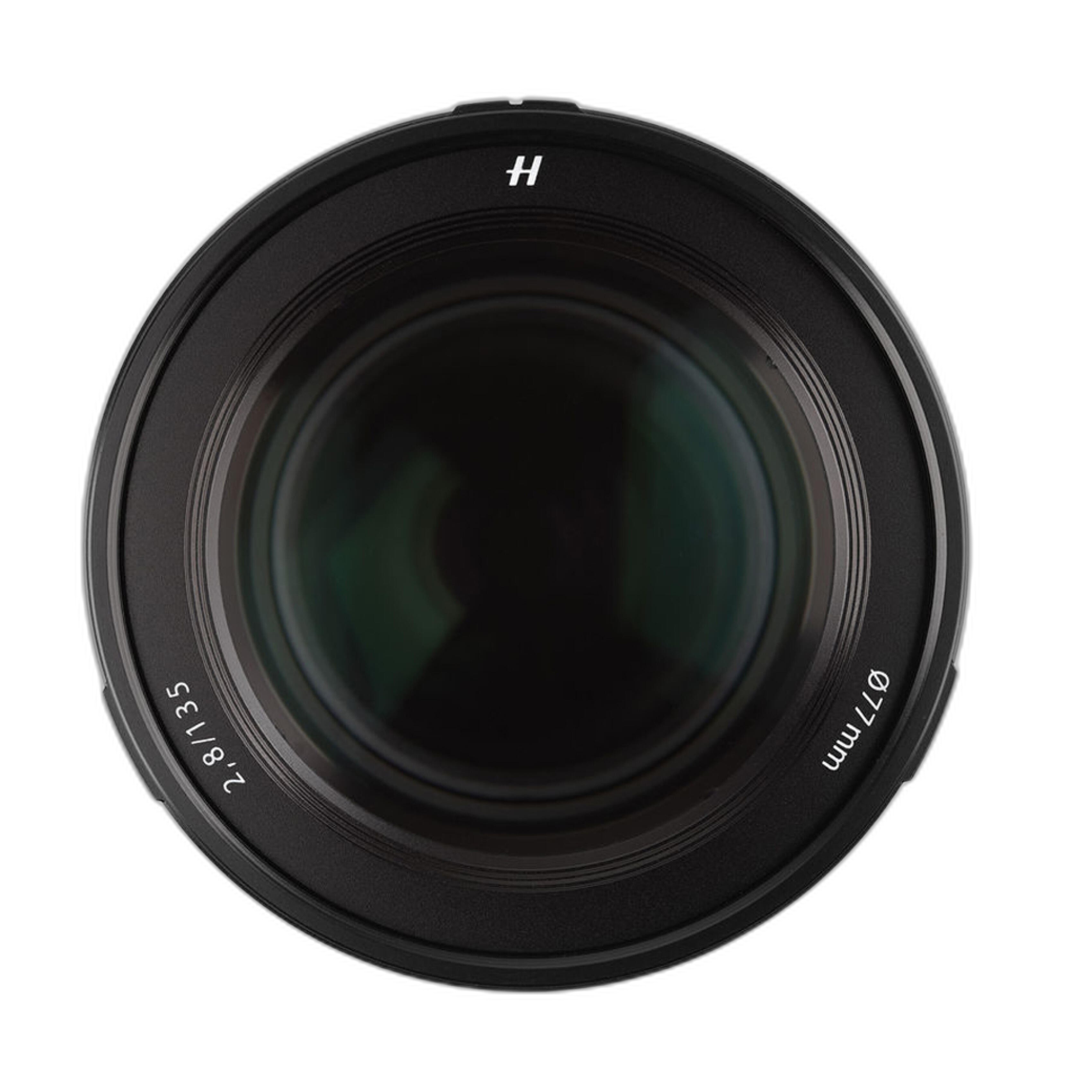
For photographers submitting to contests, this added reach can help create a different class of image than the typical wide or normal-lens entry. Distinctive perspective often helps images stand out. But again, if a contest is using that uniqueness to build its own marketing library, participants should carefully evaluate whether the rights exchange is worth it.
Optical Performance for High-Value Files
Hasselblad optics are chosen for a reason: photographers expect crisp detail, strong micro-contrast, beautiful tonal transitions, and refined out-of-focus rendering. In a medium format context, these qualities become even more important because they contribute directly to the premium feel of the final image. The XCD 135mm f/2.8 appears purpose-built for creators who prioritize final file quality over all-in-one convenience.
This matters in the legal and contest context because quality increases value. A beautifully rendered portrait or landscape detail is not just an image; it may be a licensable asset. Forum members are right to caution entrants about terms that allow organizers to use submissions forever, in any medium, without additional payment or approval. Gear like this helps create work worth protecting.
Specialized Rather Than Universal
This is not the lens for every assignment. It is a more focused tool, and that is part of its appeal. For photographers who know exactly what they want from focal length, compression, and subject separation, it is compelling. For more casual users, it may feel too narrow in purpose and too costly for occasional use.
That same idea parallels the best contest advice: be selective. Not every contest deserves your best image, just as not every shooting situation calls for a premium medium format telephoto. Intentional choices tend to lead to better outcomes.
Real-World Relevance to Contest and Copyright Concerns
Although this is a product review, the user topic around photo contest legality is worth addressing directly. Photographers on forums frequently share cautionary tales about entering contests that claim broad rights to submitted images, including rights to reproduce, adapt, distribute, or sublicense work for promotional and commercial purposes. When using a lens like the Hasselblad XCD 135mm f/2.8 with 1.7x Teleconverter, the images you create may be among your most marketable. That makes it even more important to:
- Read the full terms and conditions, not just the contest summary.
- Watch for phrases like “irrevocable,” “perpetual,” “royalty-free,” and “worldwide.”
- Check whether the organizer claims rights only for winning entries or for all submissions.
- Look for sublicensing clauses that let third parties use your work.
- Confirm whether you retain copyright or merely nominal ownership while granting broad practical usage.
- Be wary of contests that demand extensive rights for minimal prizes or exposure.
In short, this lens is a premium creative instrument. Treat the resulting files like premium intellectual property.
Pros and Cons
Pros
- Excellent focal length for portraits, detail work, and compressed compositions
- Included 1.7x teleconverter increases versatility and value
- Strong fit for photographers seeking premium medium format rendering
- Likely to deliver high-end image character suitable for professional portfolios
- Ideal for creating distinctive images that stand out in competitive environments
Cons
- Highly specialized and not a general-purpose everyday lens
- Premium positioning means it is best suited to committed Hasselblad system users
- Telephoto medium format shooting demands deliberate technique
- The kind of valuable work it produces can make bad contest rights agreements especially costly
Verdict
The Hasselblad XCD 135mm f/2.8 Lens with 1.7x Teleconverter is a focused, high-end lens package for photographers who value image quality, subject separation, and compositional precision. It is particularly appealing for portrait, fashion, and compressed landscape work, and the included teleconverter broadens its usefulness without diluting its premium identity. This is a lens for photographers who want to make images with intention and impact.
That makes it a fitting symbol for the forum advice surrounding photo contests and rights management: when you create exceptional images, do not treat them casually. If a contest asks for broad usage rights in exchange for limited benefit, it may not deserve files made with tools like this. For photographers invested in both craftsmanship and ownership, the XCD 135mm f/2.8 with 1.7x teleconverter is easy to admire.
If you are ready to add this premium Hasselblad optic to your kit, Unique Photo is the place to buy it.