Sony Zooms for Action Photography: What to Look for in Lens Comparisons
Choosing a zoom lens for sports, wildlife, and other fast-moving subjects takes more than scanning a spec sheet. Comparison tools can be useful for narrowing the field, but action photography demands a deeper look at autofocus behavior, focal length, light transmission, handling, and how a lens performs in real shooting conditions.
At Unique Photo, we recommend treating any lens comparison platform as a starting point rather than the final word. Below, we answer common questions about evaluating Sony-mount zooms for action work and explain how to interpret lens data more effectively before you buy.
1. Which zoom characteristics matter most for autofocus speed and accuracy in action photography?
For sports and wildlife, the most important lens traits are fast, repeatable focus acquisition, stable tracking, and predictable performance when subjects change distance quickly. A comparison tool may point you toward lenses with strong optical designs or wide apertures, but autofocus performance also depends on the camera body, firmware, subject contrast, and shooting mode. In practice, lenses that maintain strong contrast, transmit plenty of light, and balance well on your camera often give the autofocus system more to work with.
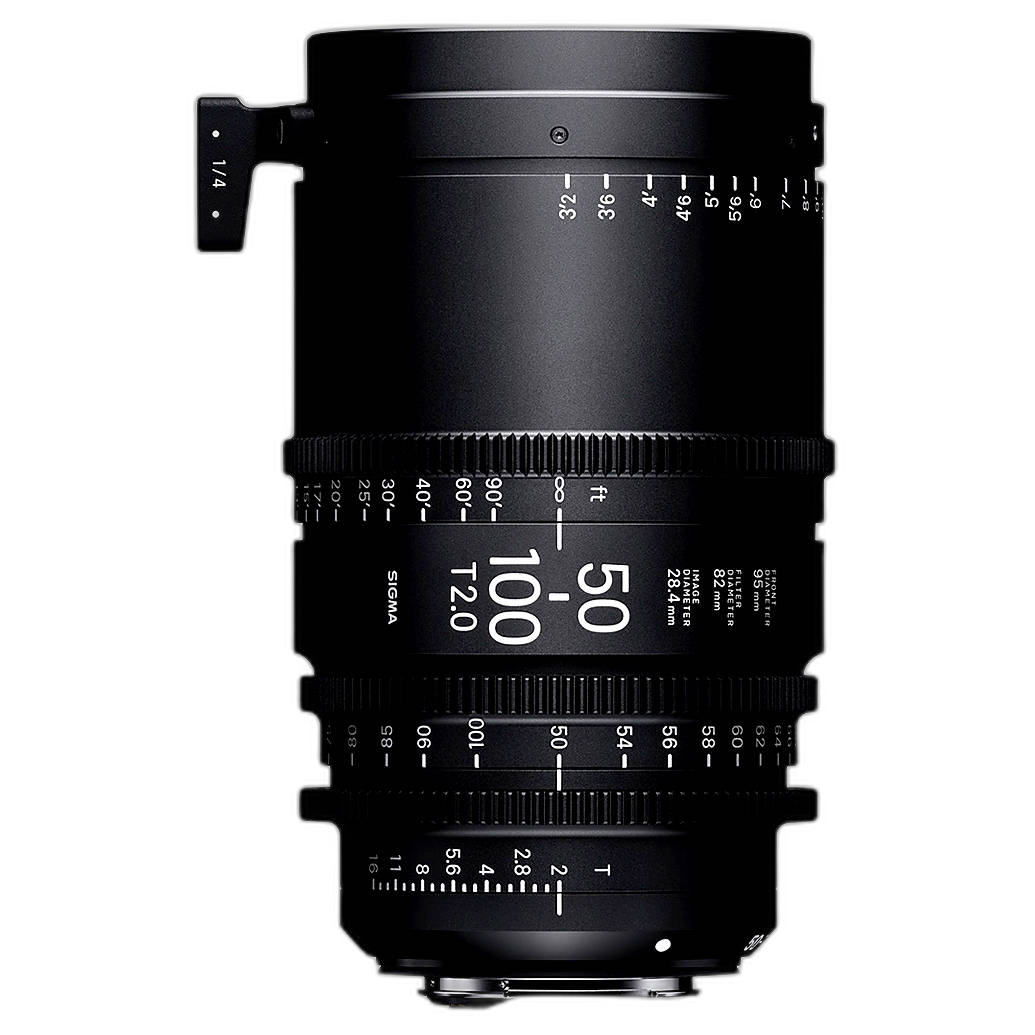
When you review compare results, prioritize maximum aperture, focal-length range, and intended use. A brighter zoom can help the camera focus more confidently in indoor arenas, under stadium lights, or during dawn and dusk wildlife sessions. For example, cinema zooms like the Sigma 50-100mm T2 High-Speed Zoom Lens (Sony E) offer a fast T2 transmission and a useful short-telephoto range that can suit controlled video capture or certain sideline shooting scenarios where brightness is a priority.
2. Are there shortcomings in a beta comparison tool when judging lenses for fast-moving subjects?
Yes. Beta comparison tools can be helpful, but they rarely tell the whole story for action photography. A comparison page may summarize focal length, aperture, build, or optical features, yet it may not reflect how a lens behaves when tracking a player sprinting toward the camera, a bird changing direction mid-flight, or a race car moving across the frame at high speed.
Some of the biggest limitations include lack of real-world tracking data, limited information about focus breathing or drive behavior, and little context about how the lens performs on different Sony bodies. A lens can look excellent on paper and still feel less responsive in practical use. That is why field testing, hands-on demos, and real shooting experience remain critical.
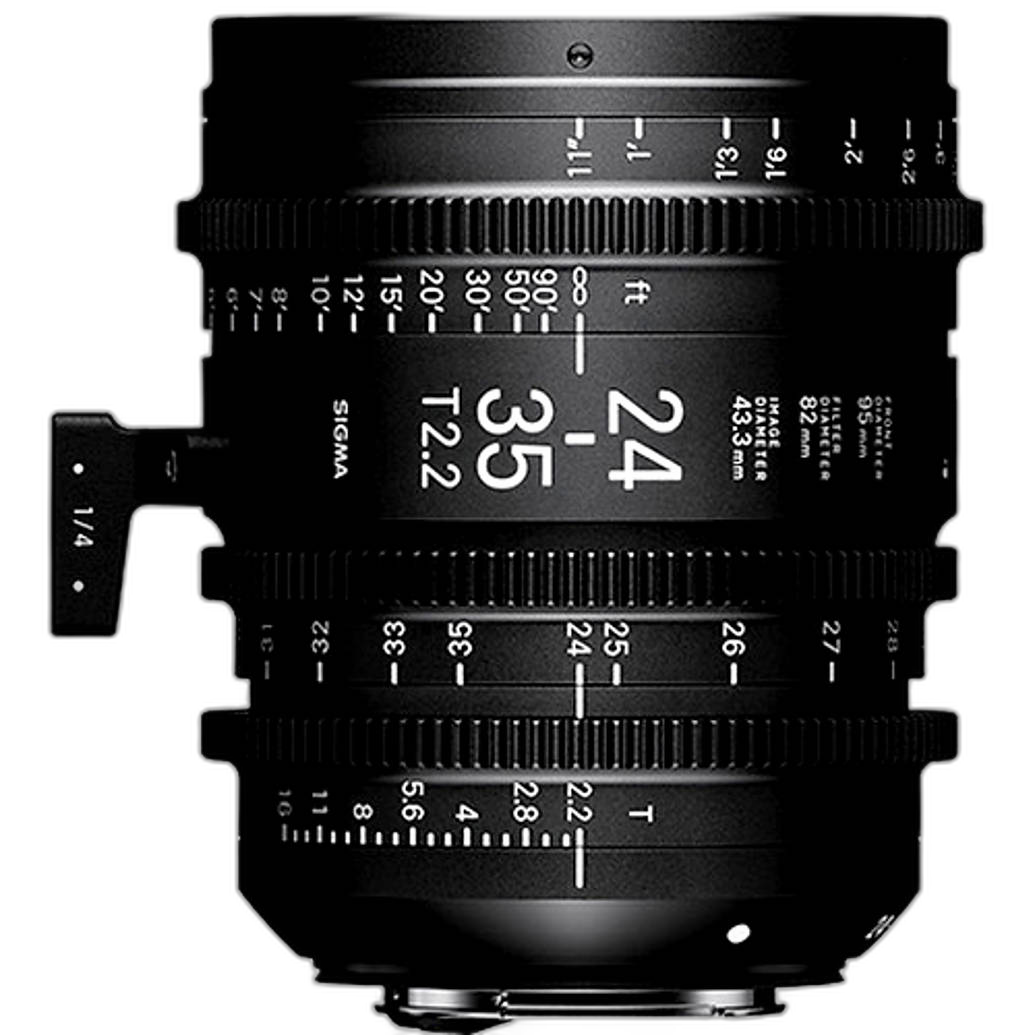
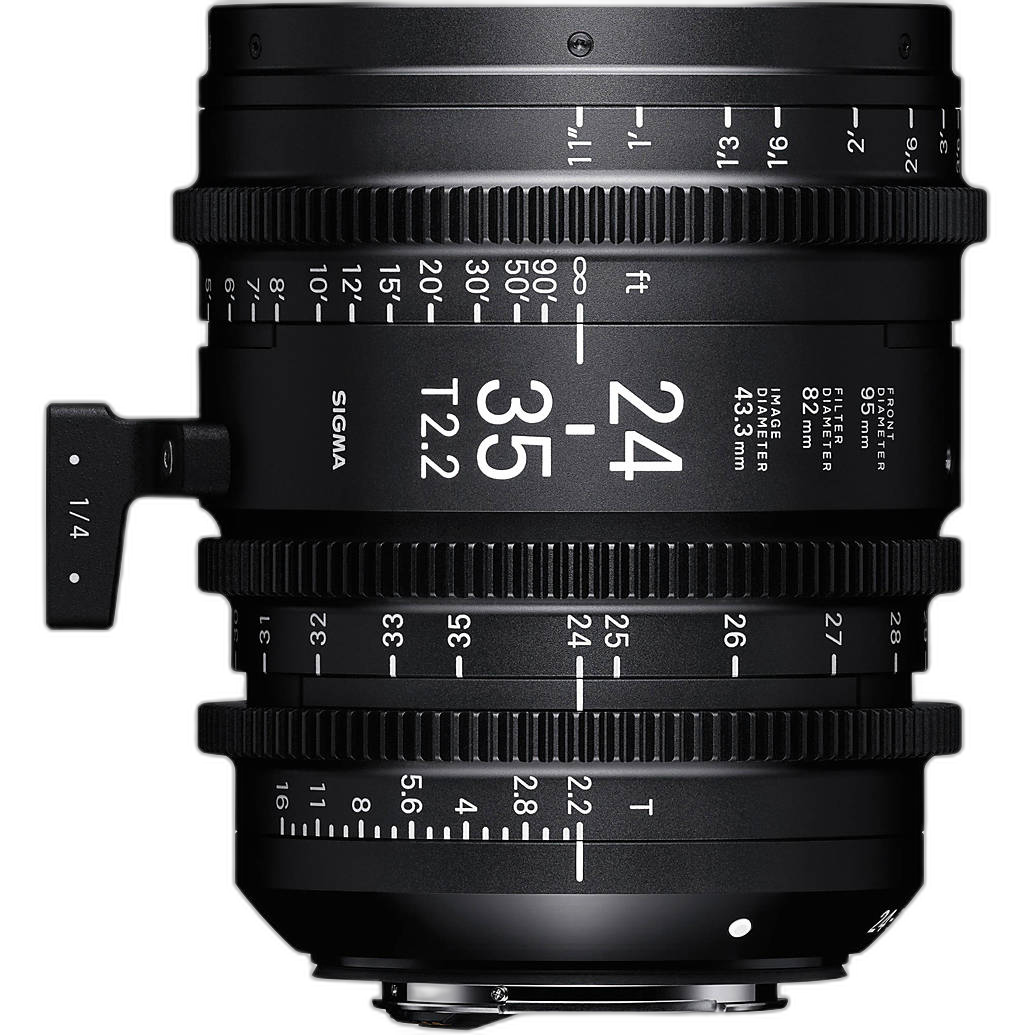
If your work includes motion capture or hybrid production, a lens from Sigma's cine lineup may be attractive for its optical consistency and brightness, but it should not automatically be assumed to behave like a stills-oriented action lens. For instance, the Sigma 24-35mm T2.2 FF Zoom Lens (Sony E) is a compelling creative option for cinematic coverage, but your decision should be based on whether your priority is manual cine control or fast autofocus-dependent shooting.
3. What should I focus on in compare results when shooting sports?
For sports, look first at focal-length suitability for your position. If you are close to the action, a standard zoom range can work well. If you are farther from the field or court, you will need more reach. Next, pay attention to light transmission or maximum aperture, because faster lenses can help maintain higher shutter speeds and lower ISO in difficult lighting.
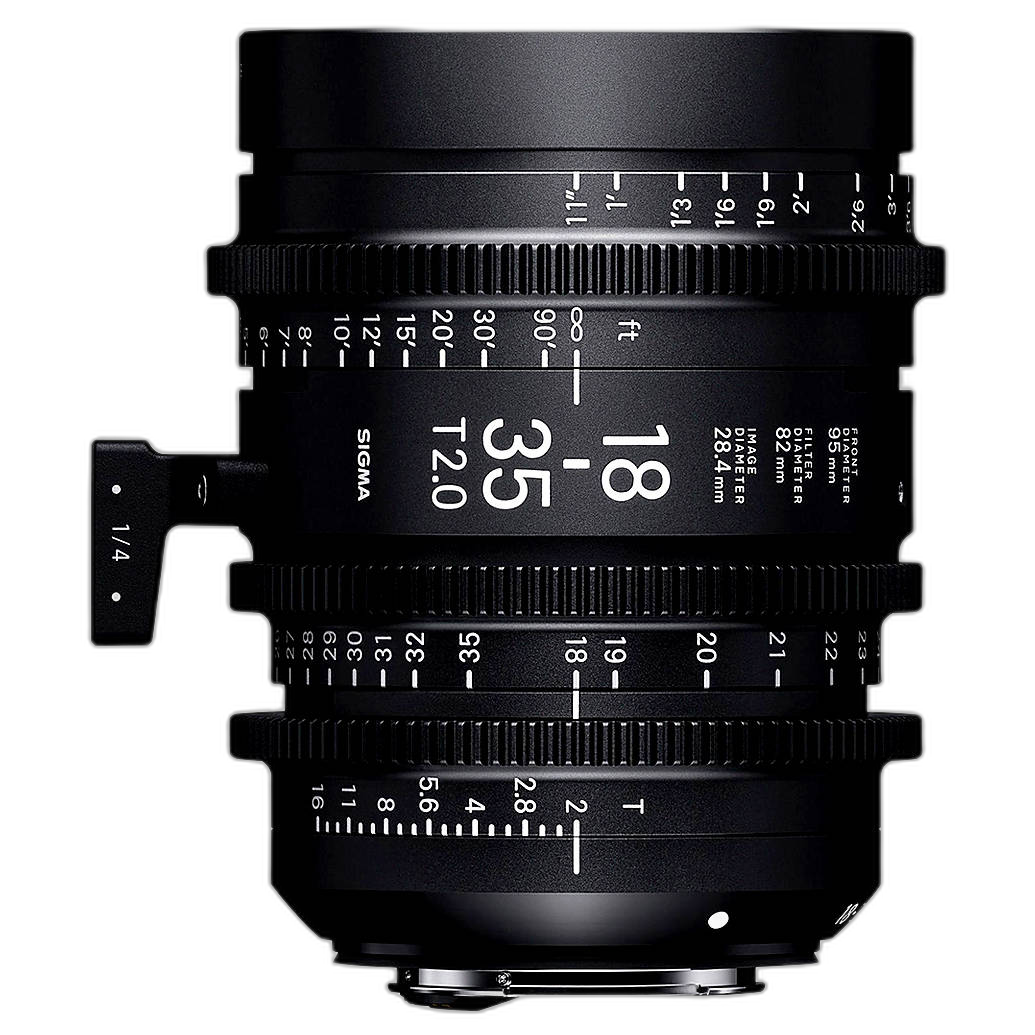
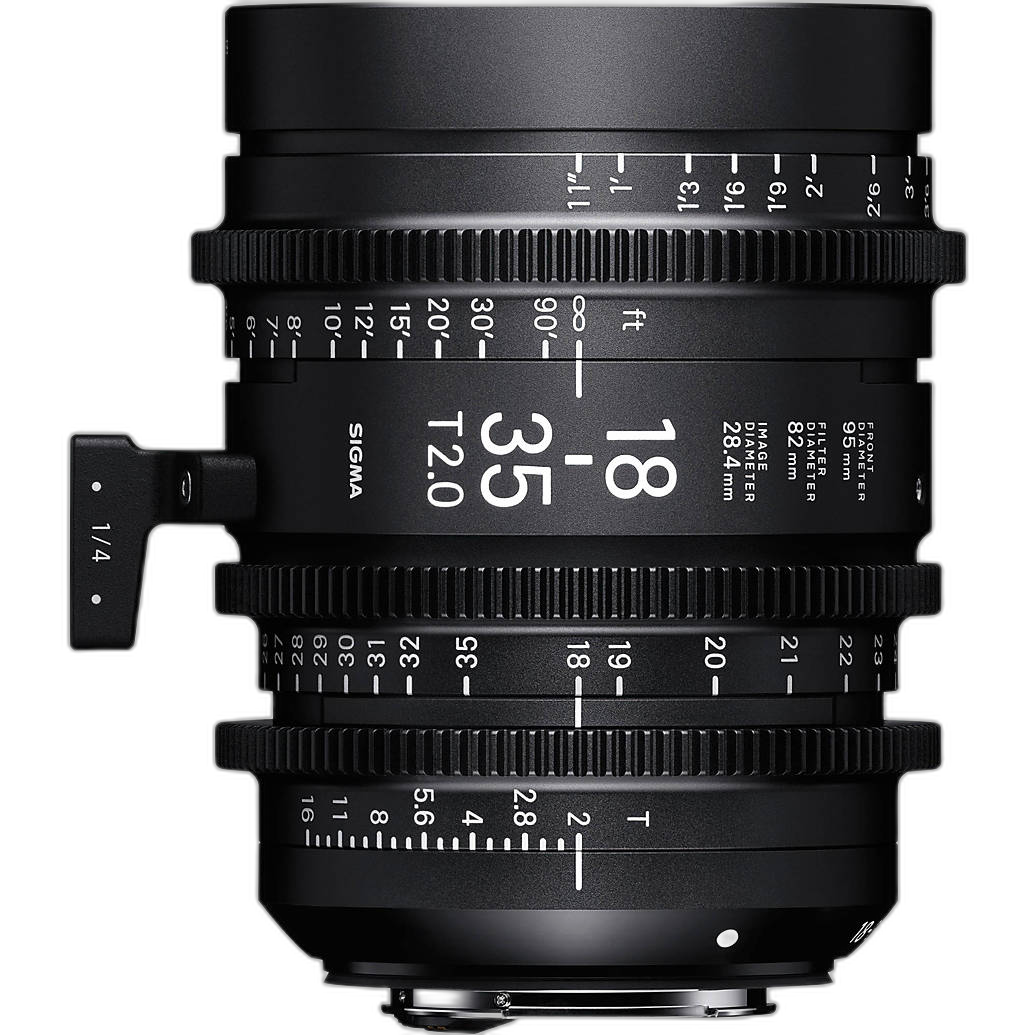
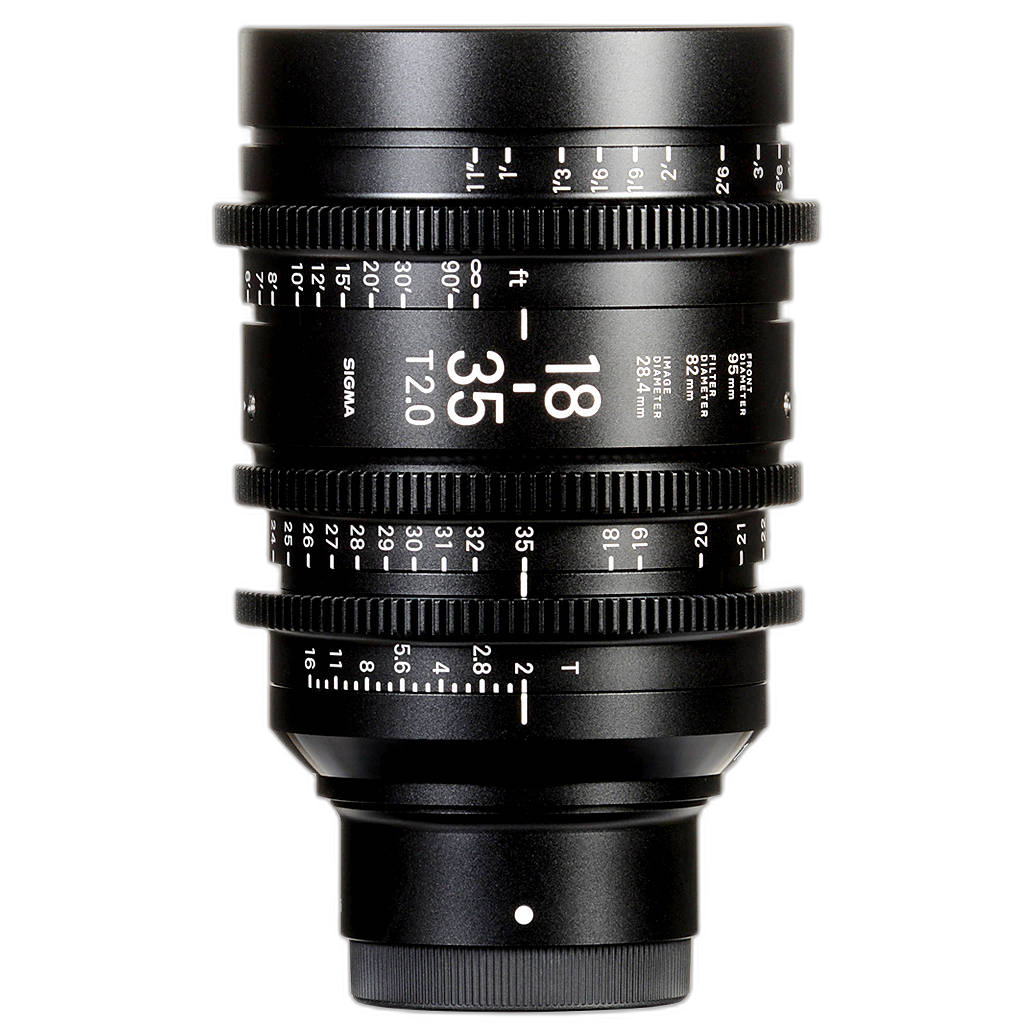
You should also consider how the lens handles over long sessions. A lens that is too heavy, front-loaded, or awkward to support can slow your reaction time. This matters whether you are shooting handheld on the sidelines or building out a video rig. A product such as the Sigma 18-35mm T2 High-Speed Zoom Lens (Sony E) may appeal to creators who need a bright, wide-to-normal range for indoor events, bench coverage, or dynamic establishing shots in a sports production workflow.
4. What should wildlife photographers look for in lens comparison data?
Wildlife shooters should evaluate different factors than someone covering indoor sports. Reach is usually more important, and focus reliability at longer subject distances becomes critical. In comparison results, ask whether the focal range realistically matches your subjects, whether the lens is bright enough for early morning and late afternoon use, and whether the handling supports long waiting periods followed by quick reactions.
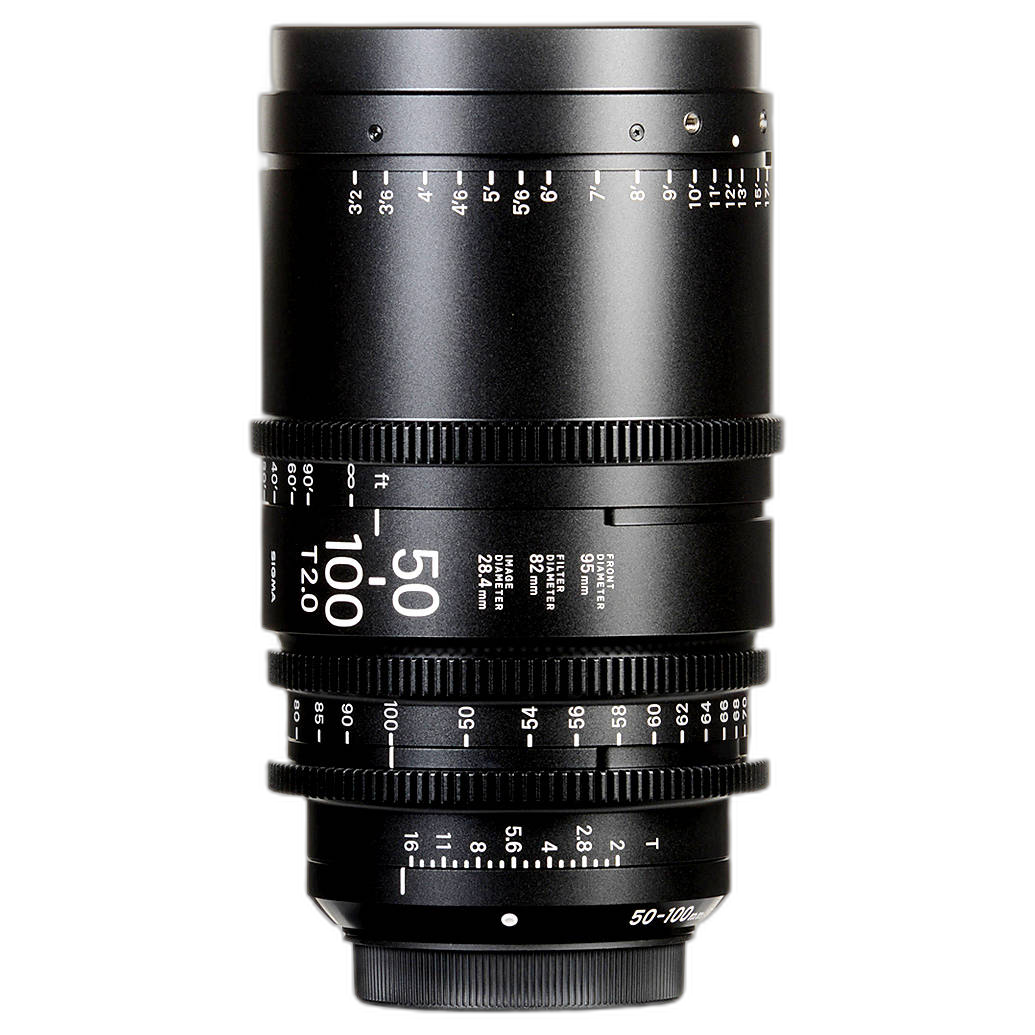
Wildlife also tends to expose weaknesses in stabilization technique, support systems, and autofocus tuning. Even if a comparison tool gives favorable marks to a lens, you still need to consider your camera body's animal-eye detection performance, burst rate, and how often you work from blinds, vehicles, or long handheld sessions. For video-led wildlife storytelling, a lens like the Sigma 50-100mm T2 High-Speed Zoom Lens (Sony E) can fit certain controlled or documentary situations where a brighter telephoto-oriented zoom range is useful.
5. Does a brighter zoom always make it better for action photography?
Not always. A bright zoom absolutely helps in low light, and faster light transmission can improve subject separation and support higher shutter speeds. But action photography is about the complete system. A brighter lens with a range that is too short for the venue, or with handling that slows you down, may not be the best choice compared with a slightly slower lens that better matches your subject distance and movement.
This is especially important when comparing cinema-oriented zooms and still-photo-oriented zooms. A lens such as the Sigma 24-35mm T2.2 Fully Luminous FF Zoom Lens (Sony E) offers excellent brightness and a premium imaging profile for cinematic work, but the ideal action lens depends on whether your assignment is stills, video, or hybrid capture. The right answer is the one that fits your real shooting distance, your camera body, and your preferred autofocus workflow.
6. How important is real-world testing compared with online comparison results?
Real-world testing is essential. Comparison tools can narrow your options, but action photography pushes gear in ways that charts and summary pages often cannot measure. A quick test with continuous autofocus, burst shooting, subject tracking, and different shutter speeds will reveal far more than a static comparison view.
We suggest testing for three things: how quickly the lens acquires focus from near to far, how consistently it keeps up with subjects moving toward you, and how easy it is to frame and react under pressure. If you shoot video, also evaluate focus ring feel, zoom smoothness, and balance on support gear. A lens like the Sigma 18-35mm T2 Fully Luminous High-Speed Zoom Lens (Sony E) may be especially interesting for creators who want strong low-light capability and a cinematic operating feel in a Sony E-mount setup.
7. Can cine zooms make sense for action work on Sony E-mount systems?
They can, depending on the job. Cine zooms are often chosen for controlled video production, live event coverage, documentary work, and commercial shoots where manual focus precision, consistent exposure behavior, and mechanical control are priorities. They are not always the first recommendation for autofocus-driven still photography, but they can be highly effective in action-related video applications.
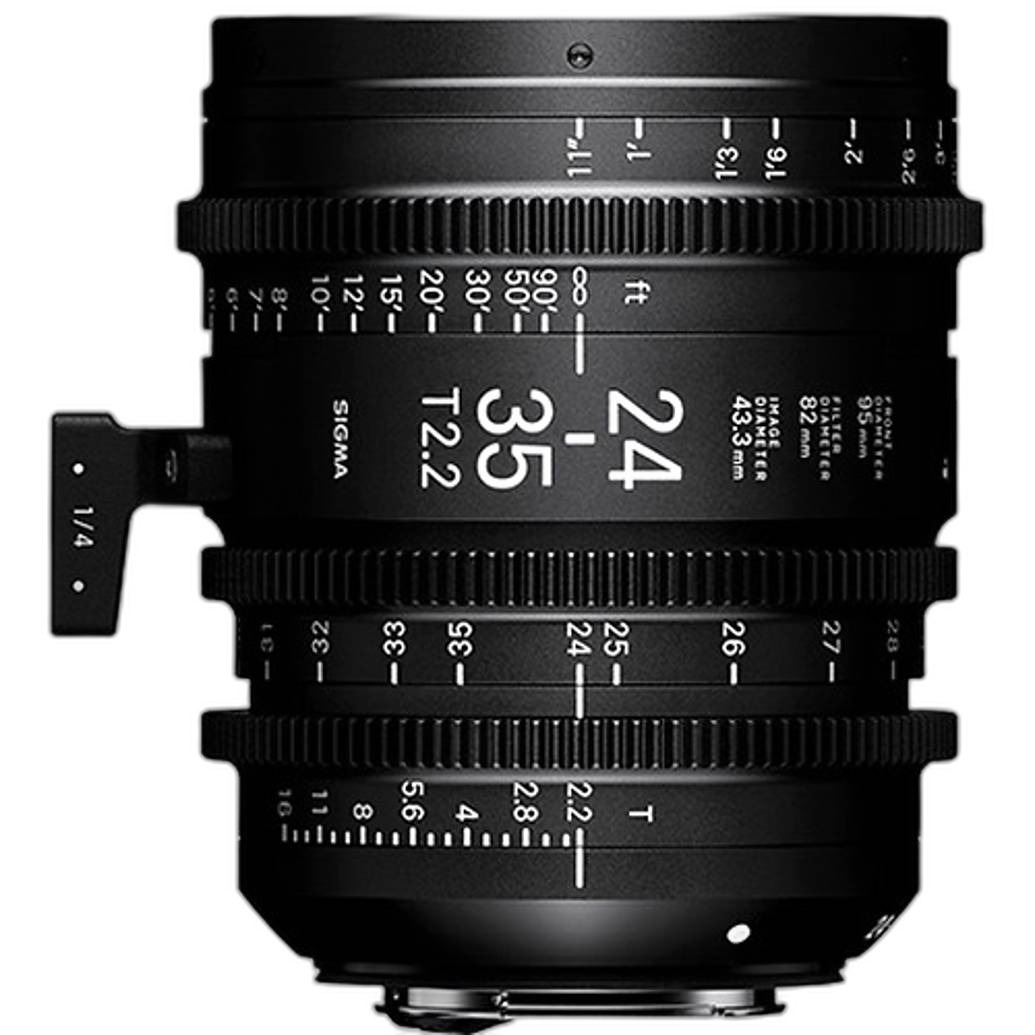
For example, the Sigma 24-35mm T2.2 Fully Luminous FF Zoom Lens (Sony E, Metric) and the Sigma 24-35mm T2.2 FF Zoom Lens (Sony E, Metric) are part of a class of lenses that may appeal to shooters building a Sony cinema rig for dynamic movement, gimbal use, or sideline video content where image character and manual operation matter as much as speed.
8. What is the best way to choose between zoom options for action shooting?
Start with your subject and shooting position. Ask how far away the action usually is, whether lighting is predictable, and whether you are delivering stills, video, or both. Then compare focal length, brightness, handling, and system compatibility. Finally, validate your shortlist with hands-on testing whenever possible.
At Unique Photo, we encourage photographers and filmmakers to think beyond headline specs. The best lens for action is the one that consistently helps you track subjects, hold shutter speed, and capture usable images under pressure. Whether you are interested in a bright standard-range option like the Sigma 18-35mm T2 High-Speed Zoom Lens (Sony E) or a more telephoto-friendly choice like the Sigma 50-100mm T2 High-Speed Zoom Lens (Sony E), the right fit comes from matching lens behavior to your real assignments.
Need help finding the right Sony-mount zoom for sports, wildlife, or motion production? Unique Photo can help you compare lenses, understand the tradeoffs, and choose gear that fits the way you actually shoot. Explore our lens selection and connect with our team for expert guidance on your next action-focused setup.