How Reliable Is Sony Lens Compare Beta for Portrait Lens Decisions?
Sony's Lens Compare Beta can be a helpful starting point when you're narrowing down portrait lenses, but it should be treated as a reference tool rather than a final verdict. For portrait photographers, the real question is not just which lens looks sharper on a comparison screen, but which one delivers the rendering, background blur, contrast, and subject separation you want in actual sessions.
At Unique Photo, we recommend using any lens comparison tool as one piece of the decision-making process alongside sample images, shooting style, working distance, lighting, and the specific look you want for headshots, environmental portraits, or full-length work.
1. How closely do Sony's Lens Compare Beta results match real-world portrait photos?
The tool can be useful for evaluating broad optical tendencies, especially when comparing focal lengths, aperture options, and center sharpness behavior. However, portrait photography is highly situational. Real-world output depends on subject distance, lighting direction, sensor performance, post-processing, focus precision, and how a lens transitions from in-focus to out-of-focus areas. A comparison widget may suggest one lens is technically stronger, but in practice another lens may produce a more flattering portrait because of smoother blur, gentler contrast, or a more pleasing rendering of facial features.
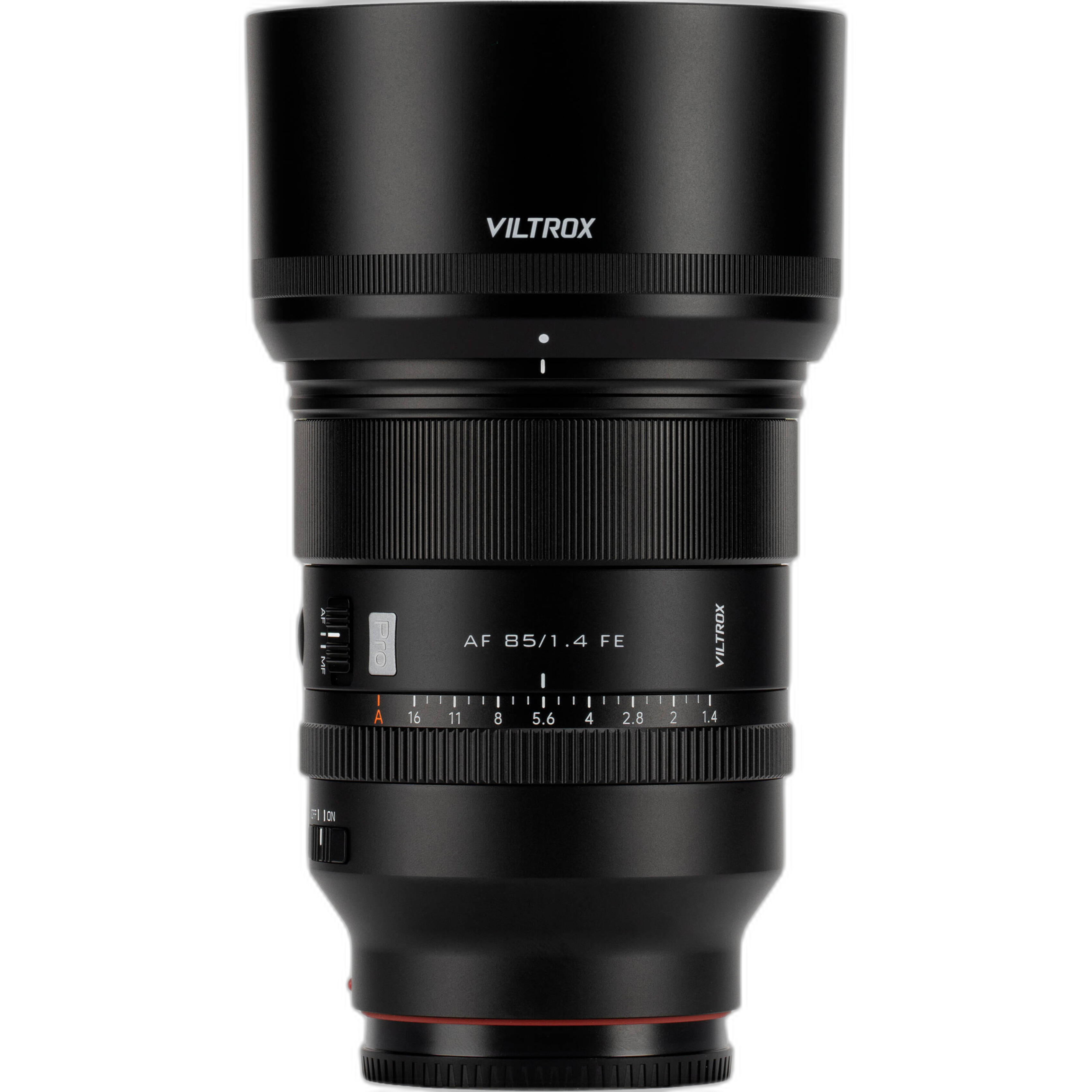
For example, a fast portrait option like the Viltrox AF 85mm f/1.4 FE for Sony E may appeal to photographers who want classic compression and shallow depth of field for head-and-shoulders portraits. That kind of real-world portrait behavior is best judged in actual shooting conditions, not just from a lab-style comparison.
2. Does the tool account for bokeh quality in a meaningful way?
Usually, only partially. Bokeh is not just about how blurry the background becomes. Portrait photographers care about the shape of defocused highlights, how busy or smooth the background looks, whether edges double, and how the blur transitions behind hair, shoulders, and facial contours. Those qualities are difficult to summarize in a basic compare interface.
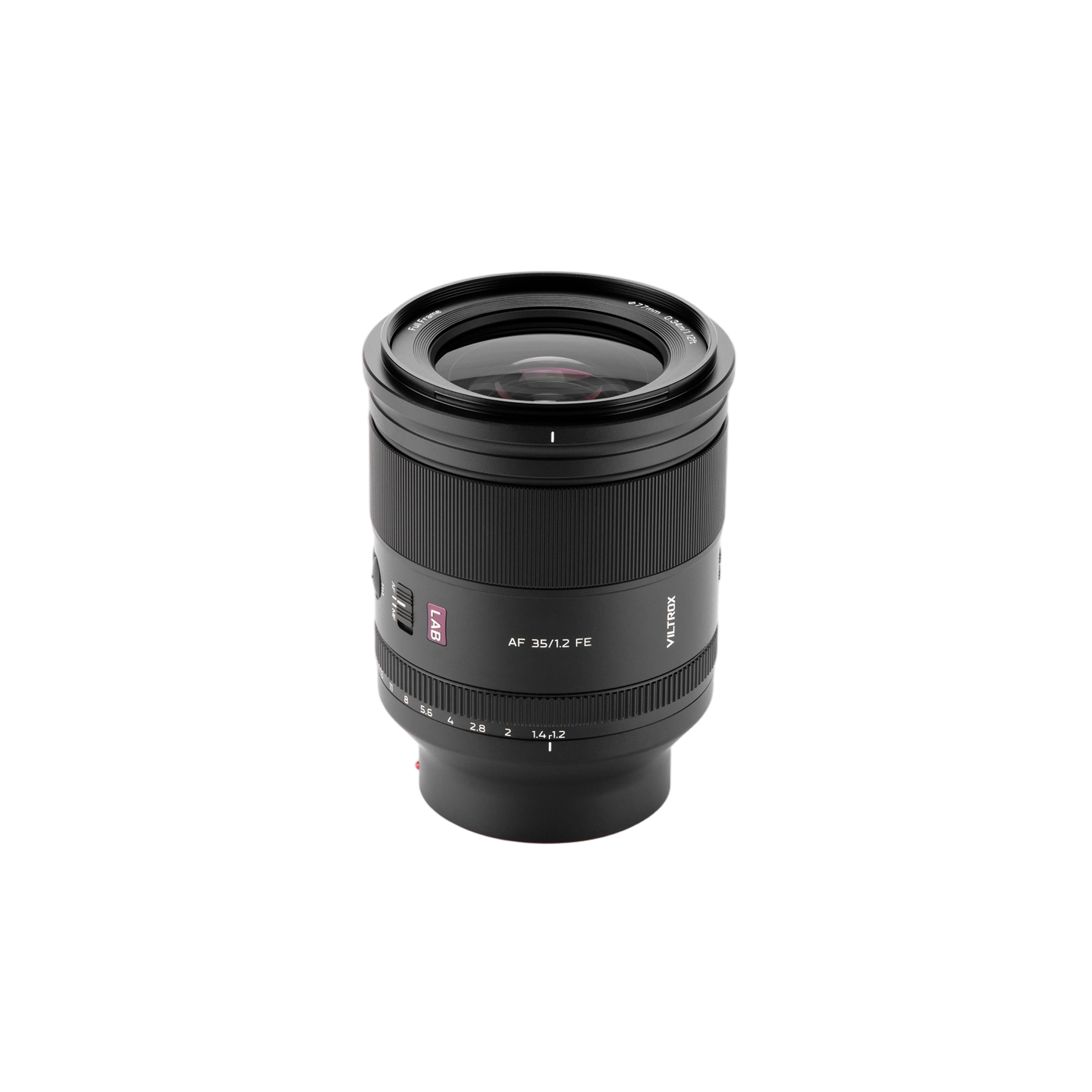
This is where lens personality matters. A lens such as the Viltrox AF 35mm f/1.2 LAB FE can be attractive for environmental portraits because it combines a fast aperture with a wider field of view, letting you keep context in the frame while still creating separation. But whether its blur looks cinematic, creamy, or more energetic is something you really want to evaluate in sample portraits and, ideally, in your own shoots.
3. Can you trust the sharpness comparison at wide-open apertures?
You can trust it as a directional guide, but not as the complete story. Wide-open portrait shooting introduces variables that test lenses differently than controlled comparisons do. Focus shift, field curvature, eye-detection performance, and slight subject movement can all affect how sharp a portrait actually looks at f/1.2 or f/1.4. In addition, portrait shooters often care more about eye sharpness with flattering skin rendering than maximum micro-contrast across the entire frame.
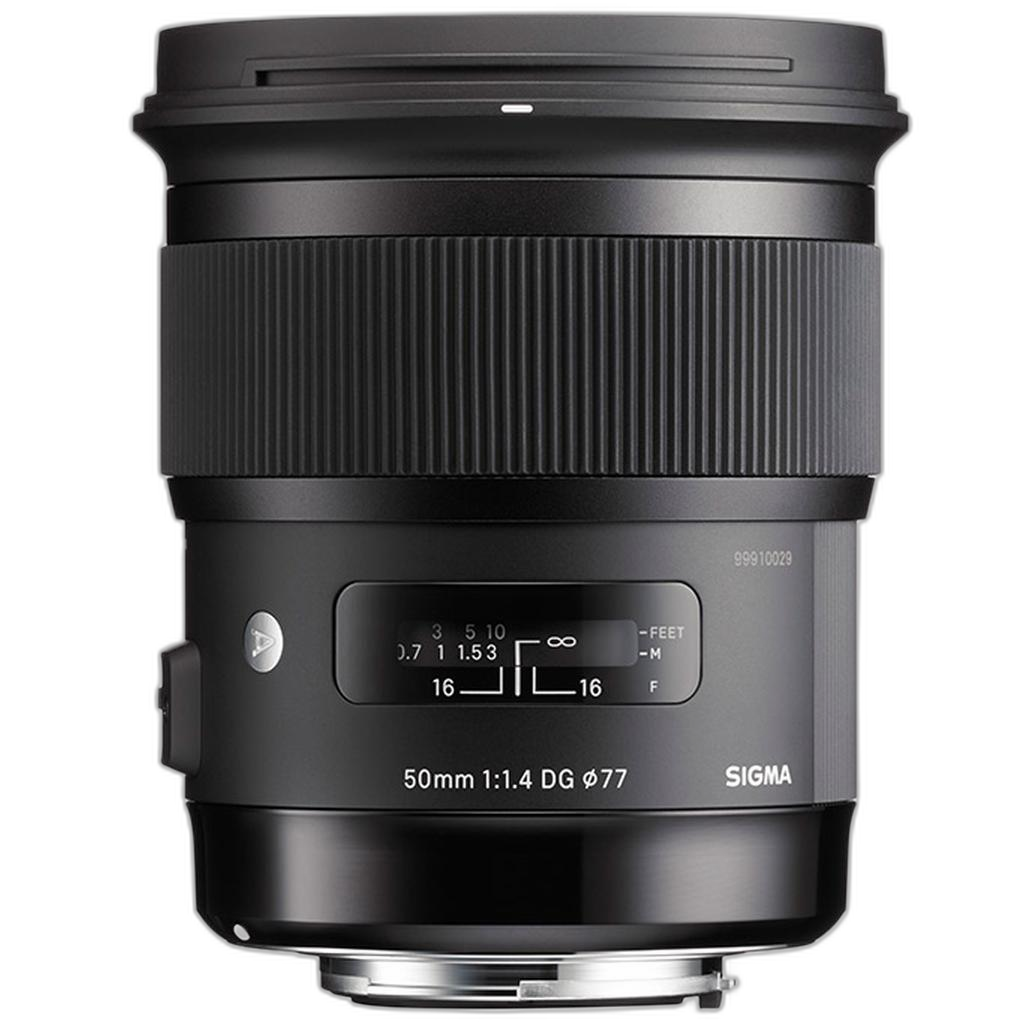
A lens like the Sigma 50mm f/1.4 EX DG HSM for Sony may show strong optical performance on paper, but your actual results will also depend on how you compose, how close you shoot, and whether you prefer the perspective of 50mm over 85mm for faces. For portraits, the best test is still a mix of technical data and real subject shots at your intended aperture.
4. Does Sony's comparison tool show differences in skin tone rendition?
Not in the way most portrait photographers mean it. Skin tone rendition is influenced by lens coatings, transmission, contrast, white balance, camera profile, lighting, and editing workflow. A tool may hint at contrast or color bias, but subtle differences in warmth, magenta-green balance, and highlight roll-off on skin are much easier to judge in real portraits than in a controlled digital comparison.
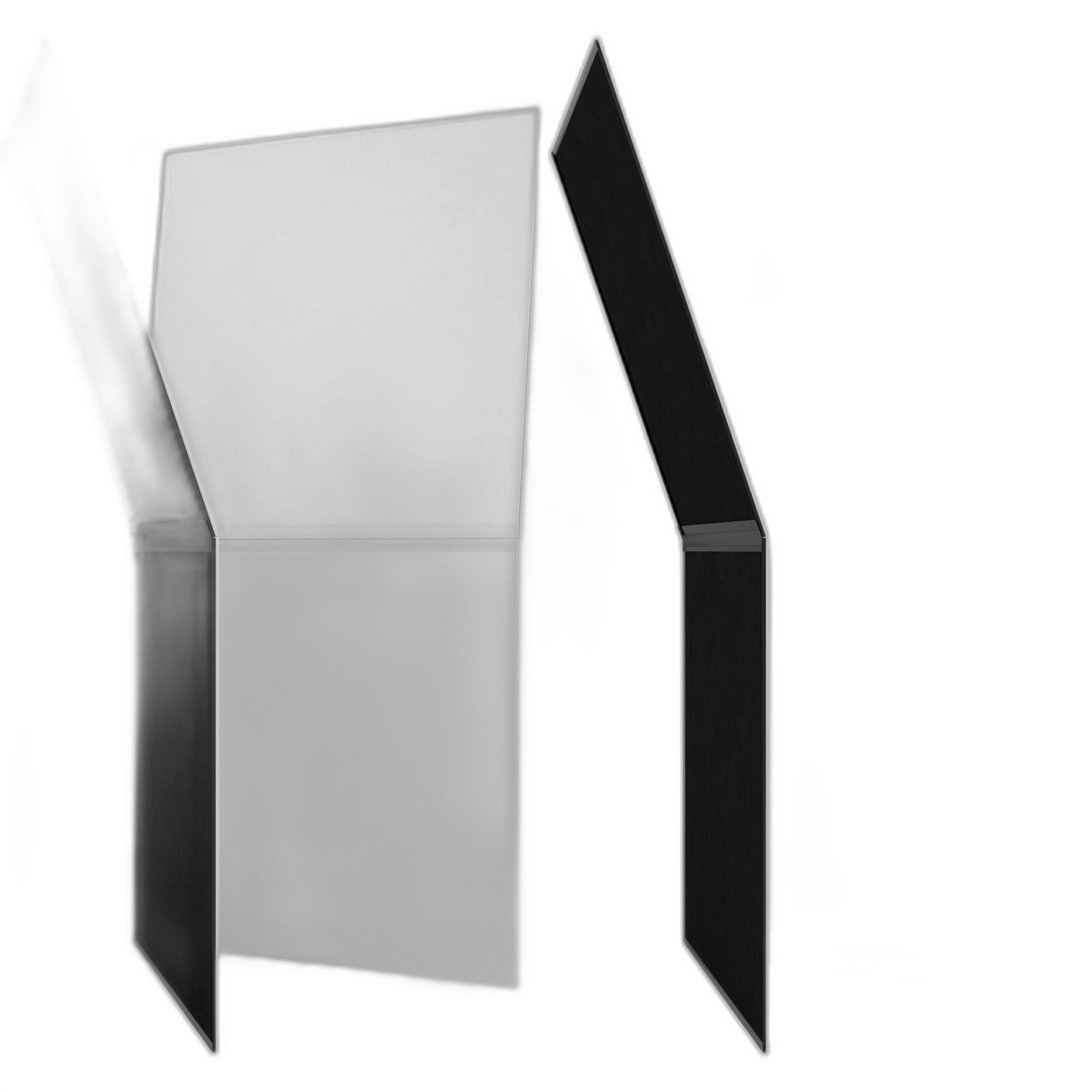
If skin tones are a top priority, look at full portrait galleries captured in conditions similar to your own work. Also remember that lighting often matters more than lens choice. Tools like the V-FLAT WORLD Foldable V-Flat 2.0 2-Pack Bundle can dramatically improve skin tone quality by giving you cleaner, softer, more controlled light before you ever touch white balance or retouching.
5. Are portrait focal lengths like 75mm and 85mm better judged in real use than in online comparisons?
Absolutely. Portrait focal length choice is about more than lens charts. It affects working distance, communication with your subject, facial compression, background framing, and how comfortable your subject feels during the session. A 75mm or 85mm option is often preferred for tighter portraits because it offers flattering proportions and strong subject separation, but the difference between them is best appreciated in practice.
The Viltrox AF 75mm 1.2 E for Sony E and the Viltrox AF 85mm f/1.4 FE for Sony E both sit in portrait-friendly territory, yet they support slightly different styles. If you want a little more flexibility indoors or for half-body portraits, 75mm can feel very natural. If you want a more traditional headshot look with extra compression, 85mm remains a favorite.
6. Can a comparison tool tell you which lens feels most flattering for portraits?
Not really. Flattery comes from a mix of focal length, distance, lighting, and lens rendering. A technically excellent lens can still feel too clinical for some portrait photographers, while another lens with slightly softer wide-open rendering may produce a more forgiving, appealing look for skin and features. This is especially important for clients who want a polished but natural result rather than a hyper-detailed commercial look.
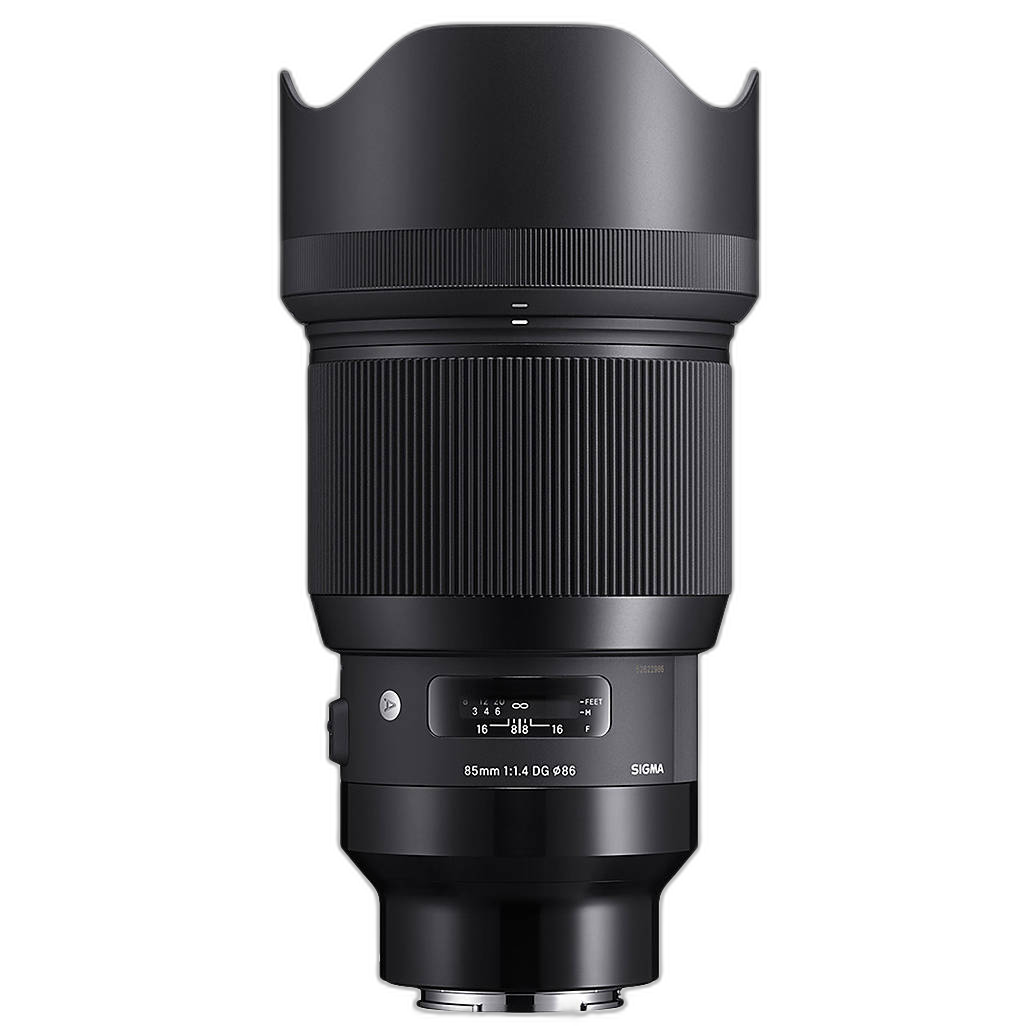
Used options can also be worth considering if you're building a portrait kit on a budget. A Used Sigma 85mm f/1.4 ART for Sony E can be a strong way to get into premium portrait glass while keeping costs under control. Unique Photo's used selection is especially helpful for photographers who want high-end portrait performance without always buying new.
7. Should you use the tool differently for environmental portraits versus tight headshots?
Yes. Environmental portraits place more emphasis on edge rendering, field of view, and how a lens handles the relationship between subject and background context. Tight headshots, on the other hand, often emphasize eye sharpness, compression, and bokeh smoothness. A compare tool may help you identify the obvious differences in focal length and aperture, but your intended portrait style should drive the final decision.
For environmental portraiture, a fast lens like the Viltrox AF 35mm f/1.2 LAB FE can be especially compelling because it lets you include architecture, interiors, or storytelling elements while still achieving strong subject separation. For classic headshots, most photographers will still lean toward a dedicated short telephoto such as a 75mm or 85mm lens.
8. What is the smartest way to use Sony's Lens Compare Beta before buying a portrait lens?
Use it to narrow the field, not to make the final call. Start by identifying the focal lengths and aperture ranges that match your portrait style. Then compare real portrait samples, think about your typical shooting distance, and decide whether you prioritize maximum sharpness, smoother bokeh, low-light capability, or a more forgiving rendering. If possible, factor in your lighting tools and workflow as well, because a lens does not work in isolation.
For many Sony portrait shooters, a practical shortlist might include a wider creative option like the Viltrox AF 35mm f/1.2 LAB FE, a classic normal portrait lens such as the Sigma 50mm f/1.4 EX DG HSM, and a dedicated portrait focal length like the Viltrox AF 85mm f/1.4 FE or a Used Sigma 85mm f/1.4 ART. That combination gives you a much more realistic buying framework than relying on a single comparison screen.
Sony's Lens Compare Beta is useful for research, but real portrait photography still comes down to how a lens draws a face, handles light, and fits the way you shoot. If you're ready to choose a Sony portrait lens or build out a more complete portrait setup, shop at Unique Photo for new and used lenses, lighting tools, and expert guidance tailored to your style.