Panasonic Lumix GX8 Mirrorless Micro 4/3 Body and 12-60mm f/3.5-5.6 Lens

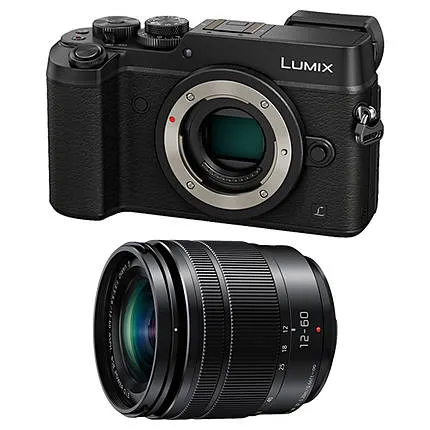

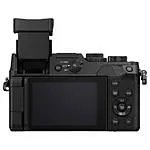
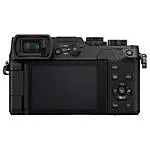
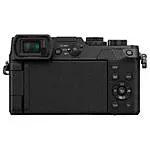
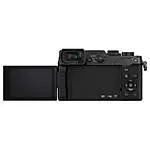
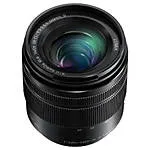
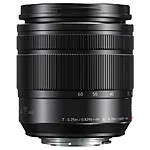
Key Features
- Panasonic Lumix GX8 Mirrorless Camera
- With 12-60mm f/3.5¬5.6 lens
- 20.3 MP Live MOS sensor
- 3.0-inch tilting OLED screen
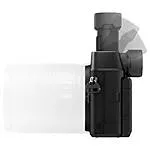
- Tiltable OLED viewfinder
- 4K burst photos at 30 fps
- 4K video recording at 30 fps
- Depth-from Defocus technology
- Dual Image Stabilization
- Built-in Wi-Fi with NFC
- Magnesium alloy body
- 1200 mAh DMW-BLC12 Li-ion battery
Recommended Accessories
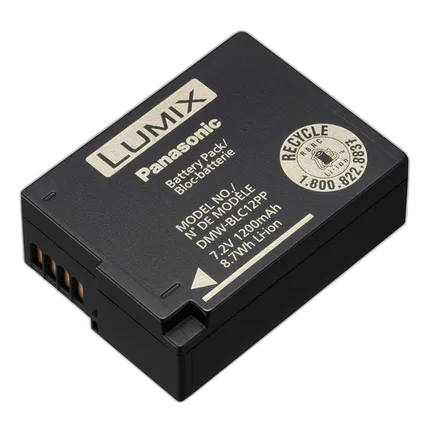
Panasonic DMW-BLC12 Li-Ion Battery
- Panasonic DMW-BLC12 Rechargeable Battery
- Charges via Panasonic DE-A79BB (Sold Separately)
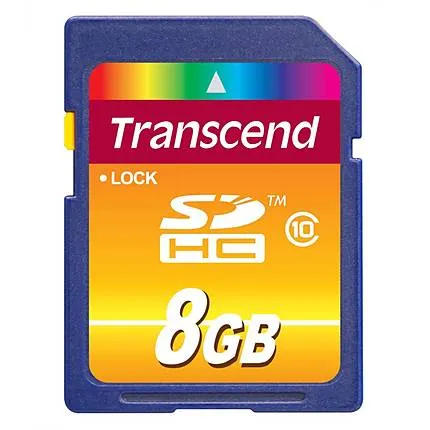
Transcend 8GB Class 10 SDHC Memory Card
- - Fully compatible with SD 3.0 Standards - SDHC Class 10 compliant - Compatible with all SDHC-labeled host devices (not compatible with standard SD) - Easy to use, plug-and-play operation

Panasonic DMW-RSL1 Remote Shutter Release
- The Panasonic DMW-RSL1 Remote Shutter Release works with DMC-GH2S, DMC-FZ100K, DMC-GH2K, DMC-GX8, DMC-FZ300.
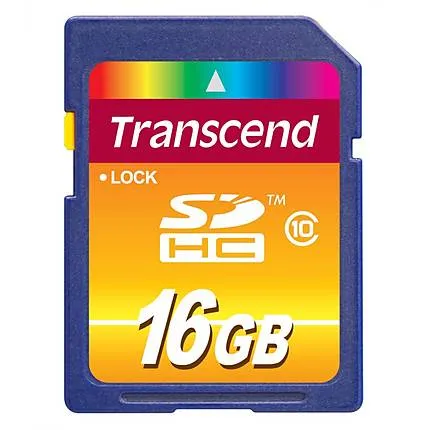
Transcend 16GB Class 10 SDHC Memory Card
- - Fully compatible with SD 3.0 Standards - SDHC Class 10 compliant - Compatible with all SDHC-labeled host devices (not compatible with standard SD) - Easy to use, plug-and-play operation - Built-in Error Correcting Code (ECC) to detect and correct transfer errors - Complies with Secure Digital Music Initiative (SDMI) portable device requirements - Supports Content Protection for Recordable Media (CPRM) - Allows In System Programming (ISP) for updating firmware - Supports auto-standby, power-off and sleep modes - Mechanical write-protection switch - RoHS compliant - Lifetime Warranty
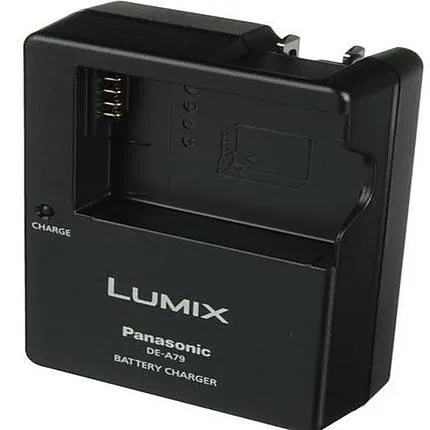
Panasonic DE-A79BA/SX Battery Charger
- For Use with Panasonic DMW-BLC12 Battery
Available for Rent
Overview
The Panasonic Lumix GX8 Mirrorless Camera embodies high-resolution imaging capabilities in its compact body. Along with the camera, you get a Panasonic Lumix G Vario 12–60mm f/3.5–5.6 lens. This camera can also work with other micro four third bayonet mount lenses. The Camera has a 20.3 MP digital Live MOS sensor that offers accurate color rendition. With the Venus Engine image processor, the Panasonic Lumix GX8 can record 4K quality videos at 30 fps. The camera comes with Depth-from-Defocus AF technology and a dual image stabilization. Enable the built-in Wi-Fi to send images to smartphones as well as remotely control the camera. The provided DMW-BLC12 battery makes the camera capture up to 330 shots when fully charged.
Optics and Focus
This Panasonic camera has the Panasonic LUMIX G Vario 12¬60mm f/3.5-5.6 ASPH lens provided with it. The lens' optical design of 11 elements in 9 groups includes 3 aspherical and 1 Extra-low Dispersion element to correct chromatic and spherical aberrations. The autofocus system of the lens works with the camera's DFD system to let you achieve selective focus and shallow depth of field. With this lens, you can focus down to a minimum distance of 7.87 inches. The seven blades of the diaphragm are rounded to offer a pleasing bokeh quality. This camera incorporates Dual Image Stabilization that is a combination of the 5-axis Hybrid image stabilization technology and optical image stabilization. It works with lens' Power Image stabilization to suppress the effects of camera shakes when shooting handheld. The mechanical and electronic shutter has a maximum speed limit of 1/8000th and 1/16000th of a second.
Sensor and Screen
The Panasonic Lumix GX8 camera is fitted with 20.3 MP Live MOS sensor that offers accurate colors and clarity even when shooting in low light. The camera has a 3.0-inch touchscreen OLED screen incorporated into its design. You can tilt the screen as per your need to use the camera from a high or low angle. Also, the camera comes with a 2.36m-Dot OLED viewfinder that has 0.77× magnification and adjustable diopter of -4 to +3 m. You can tilt the OLED viewfinder upwards for taking shots from a low angle. Both OLED touchscreen and electronic viewfinder have 100% screen coverage.
Image and Video
The camera captures images with a maximum resolution of 5184×3888 dpi in JPEG, MPO, and RAW formats. The 4K video recording at 30 fps and continuous shooting mode of 10 fps is supported by the Venus Engine image processor. There are three 4K burst photo modes in the camera, which allow you to take 8 MP images at 30 fps. You can process RAW images in-camera to streamline your post-production.
Other Features
The built-in WiFi with NFC connectivity allows you to transfer images to linked smartphones. A hot shoe contact is located on the top, which enables you to mount an external flash. After installing the flash unit, you can synchronize it at 1/250th of a second. Attach an external microphone to the camera via the dedicated audio input port. The audio-in port has a wind-cut filter that reduces sound distortions during the recording. This camera has a magnesium alloy body with a splash- and dust-proof sealings near its joints, dial, and buttons.
Brand
hardware & software data
| Interface & Connectivity | 2.5mm Sub-mini (2-Ring), HDMI D (Micro), USB 2.0, Viera Link |
lens specification
| Lens Min. Focus Distance | 7.87" (20 cm) |
| Lens Filter Size | Front: 58mm |
| Dimensions | Approx. 2.60 x 2.80" (66 x 71 mm) |
| Minimum Aperture | f/22 |
| Lens Magnification Factor | 0.27x |
| Elements / Groups | 11 / 9 |
| Weight | 7.41 oz (210 g) |
| Angle of View (diagonal) | 84.05° - 20.44° |
| Maximum Aperture | f/3.5 - 5.6 |
| Focus Type | Auto & Manual |
camera attributes
| Autofocus | Yes |
| Image Sensor Size | 17.3 x 13 mm |
| Aspect Ratio | 1:1, 3:2, 4:3, 16:9 |
| Exposure Modes | Aperture Priority, Manual, Programmed Auto, Shutter Priority |
| Lens Mount | Micro Four Thirds |
display & viewfinder
| Screen Size | 3" |
| Display Type | Rear Touchscreen Swivel Touchscreen OLED |
| Monitor Resolution | 1,040,000 |
focusing control
| AF Points | Contrast Detection: 49 |
| Focus Modes | Continuous-Servo AF (C), Flexible (AFF), Manual Focus (M), Single-servo AF (S) |
| Metering Range | EV 0.0 - EV 18.0 |
imaging & exposure control
| White Balance | Auto, Cloudy, Color Temperature, Daylight, Flash, Incandescent, Shade, White Set 1, White Set 2, White Set 3, White Set 4 |
power system
| Continuous Shooting Speed | Up to 10 fps at 20.3 MP for up to 100 Frames; Up to 8 fps at 20.3 MP for up to 100 Frames; Up to 6 fps at 20.3 MP for up to 100 Frames; Up to 5.5 fps at 20.3 MP for up to 100 Frames; Up to 30 fps at 8 MP for up to Frames |
| AC Adapter | DMW-AC10 with DMW-DCC8 (Optional) |
| Battery Type | 1 x DMW-BLC12 Rechargeable Lithium-Ion Battery Pack, 7.2 VDC, 1200 mAh |
lens
| Focal Length | 12 - 60mm; Comparable 35mm Equivalent on Micro Four Thirds Format Focal Length: 24 - 120 mm |
physical specifications
| Dimensions | 5.2 x 3.1 x 2.5" (133.2 x 77.9 x 63.1 mm) |
| Weight | 1.071 lbs (487 g) with battery and memory card |
| Color | Black |
a/v mode
| Video Resolution | 3840 x 2160p at 24, 30 fps (100 Mbps MP4); 1920 x 1080p at 60 fps (28 Mbps MP4); 1920 x 1080p at 30 fps (20 Mbps MP4); 1280 x 720p at 30 fps (10 Mbps MP4); 640 x 480p at 30 fps (4 Mbps MP4); 1920 x 1080p at 60 fps (28 Mbps AVCHD); 1920 x 1080p at 24, 30 fps (24 Mbps AVCHD); 1920 x 1080i at 60 fps (17 Mbps AVCHD) |
| Video Clip Length | Up to 29 Min 59 Sec |
| Video Recording System | Yes, NTSC |
| Audio Recording | Built-In Mic: With Video (Stereo); Optional External Mic: With Video (Stereo + Mono) |
detailed specifications
| ISO Range | Auto, 200-25600 (Extended Mode: 100-25600) |
| Flash Exposure Compensation | -3 EV to +3 EV (in 1/3 EV steps) |
| Total Pixels | 21.77 Megapixel |
| Max Resolution | 5184 x 3888 |
| Coverage | 100% |
| Image Stabilization | Camera: Sensor-Shift; Lens: Yes |
| Compatible Media | SD, SDHC, SDXC |
| Megapixels | 20.3 MP |
flash attributes
| Maximum Sync Speed | 1 / 250 Second |
| Built-in Flash | No |
| Flash Modes | Auto; Auto/Red-Eye Reduction; Forced On; Forced On/Red-Eye Reduction; Off; Slow Sync; Slow Sync/Red-Eye Reduction |
| External Flash Connection | Hot Shoe |
shutter
| Shutter Speeds | 60 - 1/8000 Second; 30 - 0 Minute in Bulb Mode, 1/25 - 1/16000 Second in Movie Mode; 1 - 1/16000 Second |
| Remote Control | DMW-RSL1 (Optional) |
| Shutter Type | Electronic & Mechanical |
| Self Timer | 10 Seconds, 2 Seconds |
viewfinder specifications
| Viewfinder Type | Electronic |
image sensor
| Sensor Type | MOS |
recording data
| Image Formats | JPEG, MPO, RAW |
control specifications
| Exposure Compensation | -5 EV to +5 EV (in 1/3 EV Steps) |
| Meter Modes | Center-Weighted Average Metering, Multiple, Spot Metering |
detailed specs
| Wi-Fi Capable | Yes |
system requirements
| System Requirements | Windows: Vista, 7, 8, 8.1; Mac: OS X 10.5 or later |
- Panasonic Lumix GX8 Mirrorless Micro 4/3 Body and 12-60mm f/3.5-5.6 Lens
- DMW-BLC12 Rechargeable Lithium-ion Battery
- Battery Charger
- AC Cable
- USB Cable
- Shoulder Strap
- Body Cap
- Hot Shoe Cover
- Front Lens Cap
- Rear Lens Cap for Lumix G Lenses
- Lens Hood
- Storage Bag
Included in Rental:
- Panasonic GX8 Camera
- Panasonic 12-60mm f/3.5-5.6 Lens
- Charger
- Battery
- Eyecup
- Lens Hood
- Lens Cap
- PGYTECH OneMo Sling 11L (Space Black)
- Peak Design Everyday Backpack 20L Zip - Black
- WANDRD PRVKE V4 21 Photo Bundle Sedona Orange
- Peak Design Camera Cube V2 Large Black
- Peak Design Anchor Links w/ Micro Anchors
- Think Tank V2 Mirrorless Mover 10 Cool Grey
- Saramonic WiTalk9-Case-M Premium Padded Soft Carry Case - Small
- Shimoda Design Explore v2 30 Backpack - Army Green
- PGYTECH Tech Organizer Mini V2 - Mist White
- DOMKE F-34R 11 inch Protective Wrap Black
- Saramonic WiTalk9-Case-L Premium Padded Soft Carry Case - Large
- Nomatic Luma Camera Pack 18L - Stone
- SKB iSeries 3i-1209-4 Case with Think Tank Designed Dividers
- Aputure INFINIBAR PB6 4-Light Rolling Hard Case
- SKB iSeries 3i-2217-10 Case with Think Tank Dividers
- Tenba Skyline V2 Top Load 8 Gray
- Insta360 GO 3 Carry Case
- Westcott 4418 Rolling Hard Case for FJ400 Strobes (44IN x 18IN)
- Insta360 X4 Carry Case
- Sony LCS-EBF Leather Body Jacket Case (Black)
- SKB iSeries 3i-4213-12 Case with Think Tank Designed Lighting/Stand Dividers
- PGYTECH DJI Mavic 3 Series Safety Carrying Case
- WANDRD PRVKE V4 31 Photo Bundle Aegean Blue
- OM SYSTEM LSC-0811 Case for 14-42mm f/3.5-5.6 II Lens
No creators have tagged this product yet.
Articles featuring this product
Best Affordable All-Purpose Zoom Lens Recommendations: Which Versatile Zoom Is Right for You?
Sep 13, 2026
·
Unique Photo
Community questions about this gear
Ask a question
0
votes
2
answers
157
Can I adapt Praktica M42 lenses to a Panasonic Lumix G80, and what should I expect?
Photography Stack Exchange contributor
5y ago
0
votes
2
answers
161
0
votes
2
answers
146
Can I adapt M42 and Minolta/Sony A-mount lenses to a Micro Four Thirds or APS-C mirrorless camera?
Photography Stack Exchange contributor
8y ago
0
votes
2
answers
204
0
votes
2
answers
175
Panasonic Lumix G 25mm f/1.7 vs Olympus M.Zuiko 25mm f/1.8: is the Olympus worth more?
Photography Stack Exchange contributor
7y ago
0
votes
2
answers
153
Are there affordable faster zoom options for Micro Four Thirds, or should I use primes instead?
Photography Stack Exchange contributor
14y ago
You may also like
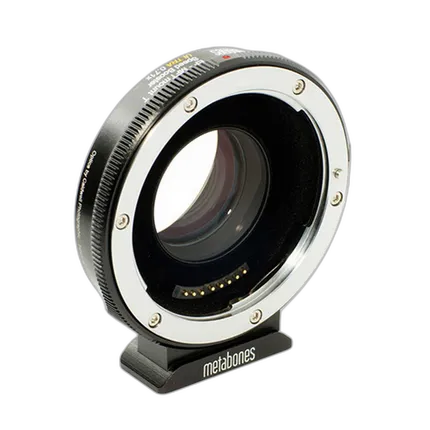
Metabones Canon EF to Micro FourThirds Speed Booster ULTRA 0.71x
- Canon EF Lens to Micro Four Thirds
- Increase maximum aperture by 1 stop
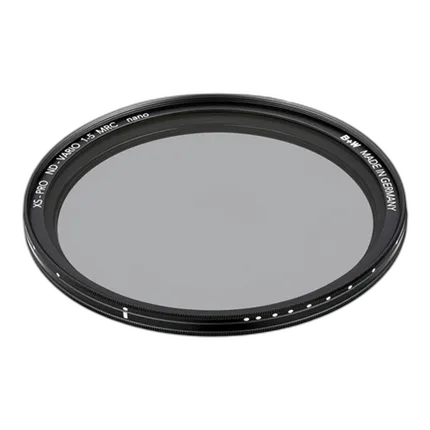
B+W 58mm XS-Pro Digital ND Vario MRC-Nano Filter
- Variable 0.3-1.5 neutral density filter
- Reduce exposure by 1-5 stops
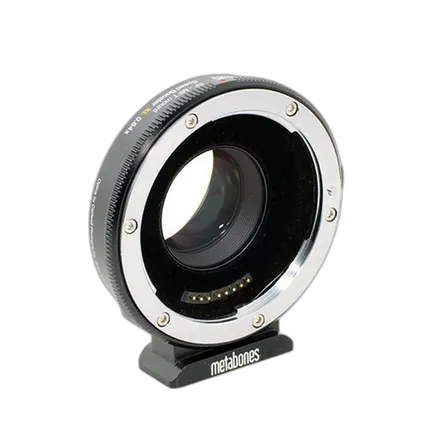
Metabones Canon EF to Micro FourThirds T Speed Booster XL 0.64x (Black)
- Canon EF Lens to Micro Four Thirds
- Increases maximum aperture by 1 1/3 stop
Panasonic DMW-BLC12 Li-Ion Battery
- Panasonic DMW-BLC12 Rechargeable Battery
- Charges via Panasonic DE-A79BB (Sold Separately)