Get Sharp Portraits Without Overspending
If you want crisp, flattering portraits but you’re watching your budget, this guide is for you. Whether you’re a student, a creator building a first kit, or a traveler who needs one lens to do it all, we’ve selected affordable options that deliver reliable sharpness, pleasing background blur, and consistent results—plus practical tips to eke out every bit of performance.
What to Look For in a Budget Portrait Lens
- Focal length that flatters: On full-frame, 50–105mm is a classic portrait range. On APS-C, think 35–70mm; on Micro Four Thirds, 25–60mm.
- Fast enough aperture: Wider apertures (f/1.8–f/2.8) help isolate subjects. If you’re using f/4–f/6.3 zooms, add light and compose with compression for a creamy background.
- Sharpness where it counts: Many lenses are razor sharp when stopped down 1–2 stops from wide open.
- Stabilization helps: Optical or in-body stabilization can keep ISO lower and detail higher, especially at longer focal lengths.
- Manual focus is okay: Vintage primes can be unbelievably sharp for very little money—if you’re comfortable focusing manually.
Top Budget-Friendly Picks
Used Canon FD 50mm f/1.8 Lens – Good
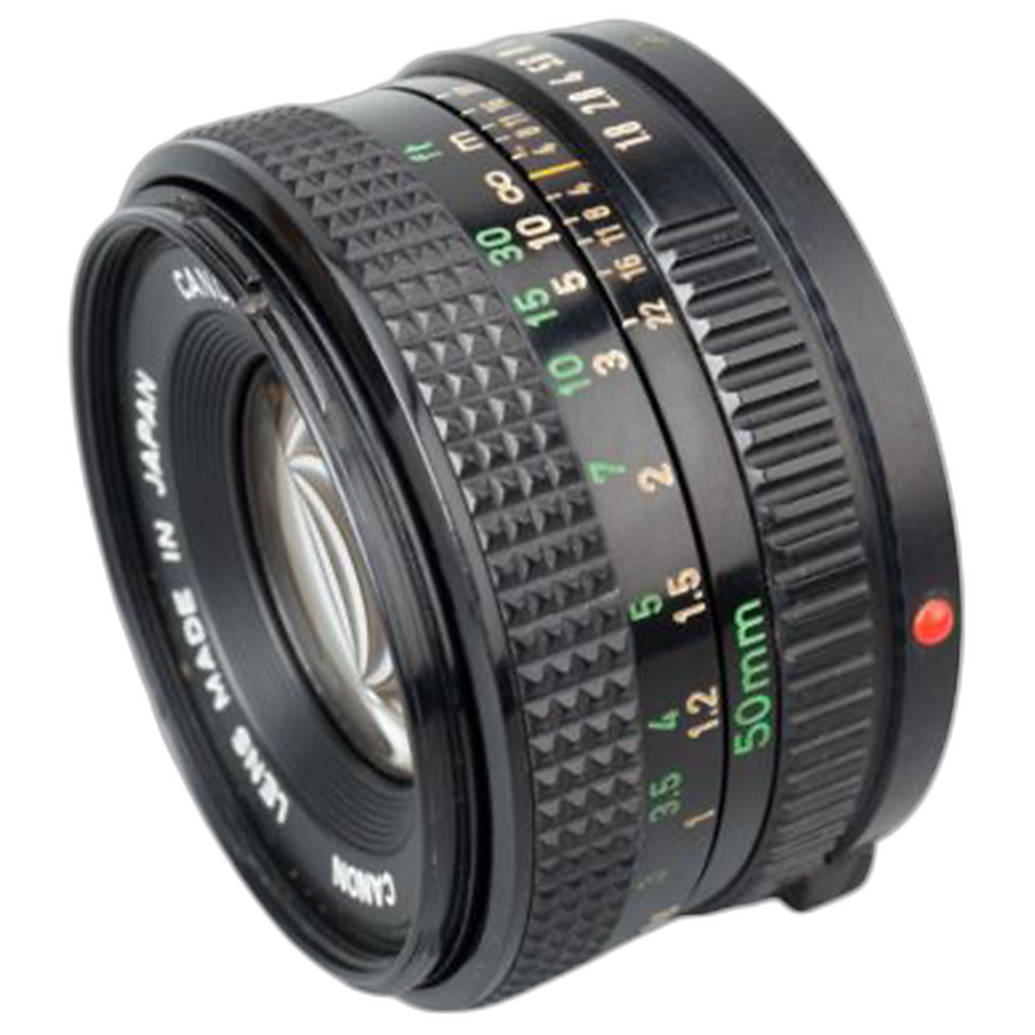
A classic "nifty fifty" that punches far above its price. On full-frame film or adapted to modern mirrorless bodies, 50mm gives a natural perspective and flattering head-and-shoulders framing. Wide open, you’ll get subject isolation; stop down to f/2.8–f/4 for extra micro-contrast and edge-to-edge clarity.
- Why it’s sharp on a budget: Simple optical formula with great central sharpness, especially when stopped down slightly.
- What to know: It’s manual focus and Canon FD mount, so you’ll use a simple mechanical adapter on most mirrorless cameras. (Mounting to DSLR EF bodies typically requires an optical adapter—mirrorless is the easy route.)
- Pro tip: Use focus peaking or magnification; set shutter speed to at least 1/125s for people, faster if there’s movement.
Sony FE 24–105mm f/4 G OSS
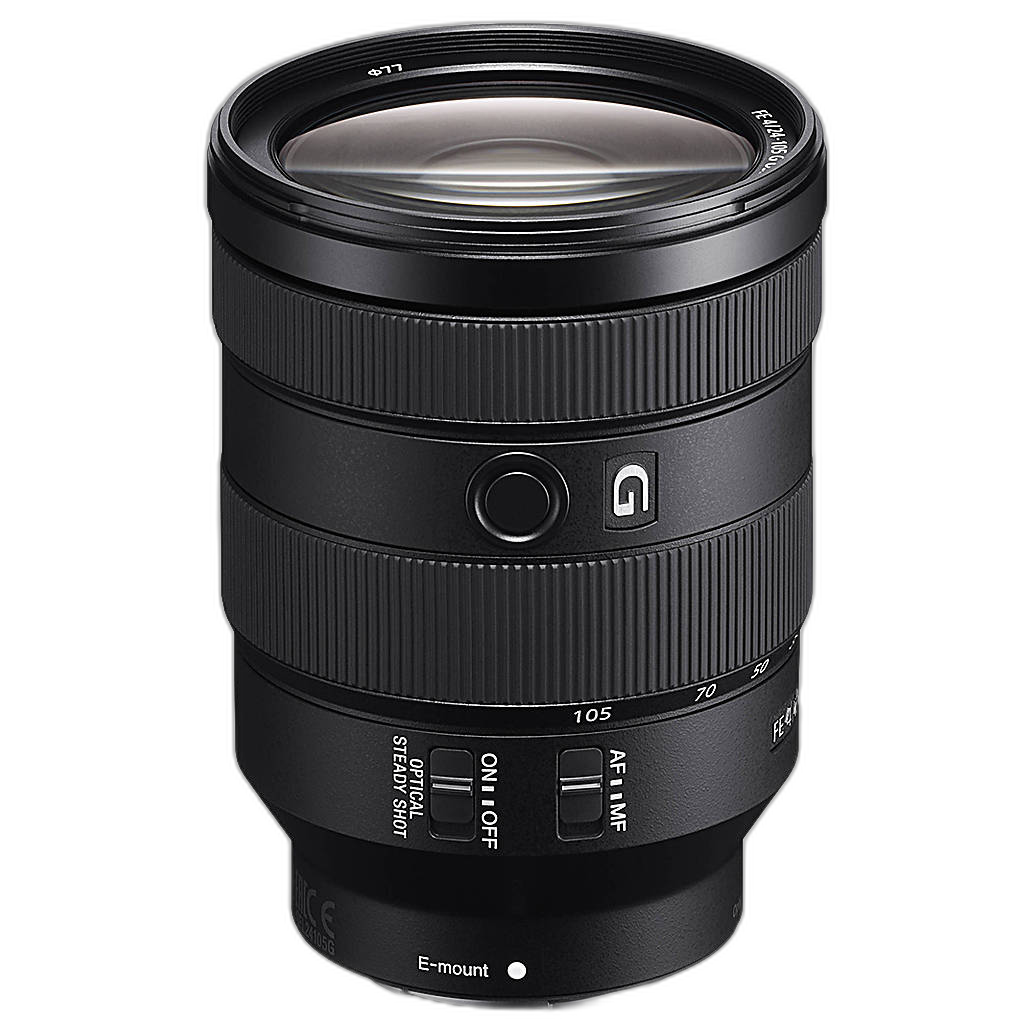
If you shoot Sony full-frame or APS-C, this do‑it‑all zoom is a tremendous value for portraits and beyond. It’s critically sharp from the midframe to edges, and at 70–105mm you get flattering compression for portraits. The constant f/4 aperture helps keep exposure consistent, while OSS pairs nicely with Sony’s Eye AF for tack-sharp eyes.
- Why it’s sharp on a budget: Professional‑grade optics and reliable autofocus in a single lens you’ll use for portraits, events, and travel.
- What to know: Background blur isn’t as strong as f/1.8 primes; use longer focal lengths and clean backgrounds to maximize subject isolation.
- Pro tip: For the creamiest backgrounds, zoom to 85–105mm, keep your subject several feet from the background, and shoot around f/4–f/5.6.
OM SYSTEM M.Zuiko Digital ED 12–200mm f/3.5–6.3
Micro Four Thirds shooters on a tight budget can still get sharp portrait results from this flexible all‑in‑one. At 45–75mm (90–150mm equivalent), it delivers flattering perspective with ample sharpness—especially when you stop down a bit and leverage your camera’s in‑body stabilization.
- Why it’s sharp on a budget: Good optical performance in the portrait range with the convenience of a single-lens solution.
- What to know: Modest apertures mean you’ll want good light or added flash for the lowest ISOs and cleanest files.
- Pro tip: Shoot in the 45–60mm range and stop down to f/5.6–f/8 for maximum acuity; keep your subject away from the background to enhance separation.
Quick Comparison
| Lens | Portrait Sweet Spot | Max Aperture | Focus | Stabilization | Mount | Why Choose It |
|---|---|---|---|---|---|---|
| Used Canon FD 50mm f/1.8 | 50mm (75mm on APS‑C via adapter) | f/1.8 | Manual | No | Canon FD (adaptable to mirrorless) | Classic sharp prime for very low cost |
| Sony FE 24–105mm f/4 G OSS | 85–105mm on full‑frame | f/4 (constant) | Autofocus | Optical (OSS) | Sony E (Full‑Frame/APS‑C) | Versatile, reliably sharp, great value |
| OM SYSTEM 12–200mm f/3.5–6.3 | 45–75mm (90–150mm equiv.) | f/3.5–6.3 | Autofocus | No OIS (relies on IBIS) | Micro Four Thirds | One‑lens convenience with solid portrait results |
Our Pick
If you’re comfortable with manual focus (or want to learn), this little prime offers classic rendering and impressive sharpness for the lowest buy‑in. Adapt it to your mirrorless body, stop down to f/2.8–f/4, and enjoy razor‑sharp eyes with smooth falloff.
Tips for Maximum Sharpness on a Budget
- Stop down 1–2 stops: Many lenses sharpen up noticeably at f/2.8–f/5.6.
- Mind shutter speed: Use 1/200s or faster for active subjects; enable stabilization when possible.
- Use eye detection AF (or magnified MF): Ensures the critical plane (the eyes) is tack sharp.
- Add light: A simple speedlight or LED lets you use lower ISO and sharper apertures.
- Control your background: Longer focal lengths and subject‑to‑background distance increase separation even with f/4–f/6.3 lenses.
Final Thoughts
Sharp, flattering portraits don’t require premium prices. For the lowest cost of entry, a used manual‑focus 50mm prime is hard to beat. If you’re on Sony and want autofocus, the FE 24–105mm f/4 G OSS delivers consistently sharp portraits and everyday versatility. Micro Four Thirds shooters can lean on the 12–200mm for a one‑lens solution that’s surprisingly capable in the portrait range. Visit Unique Photo in store or online for hands‑on advice, trade‑in options, and a rotating selection of used gear to make the most of your budget.