Third-Party vs Native Lenses: Which Makes More Sense for Your Photography?
Choosing between a third-party lens and a native lens is one of the most common upgrade decisions photographers face. At Unique Photo, we usually recommend starting with your actual shooting needs: image quality, autofocus behavior, budget, and long-term system support all matter more than the logo on the barrel.
The good news is that today’s lens market offers excellent options on both sides. Some third-party lenses deliver outstanding optical performance and value, while many native lenses still hold an edge in seamless autofocus integration, firmware support, and system-specific features.
Is image quality on third-party lenses really as good as native lenses?
In many cases, yes. Modern third-party manufacturers have raised the bar dramatically, and some lenses compete directly with premium native glass in sharpness, contrast, and control of aberrations. That said, there is no universal winner. Some native lenses are optimized to take full advantage of in-camera corrections, proprietary autofocus algorithms, and the latest body features, while certain third-party options are designed to maximize optical performance at a more aggressive price point.
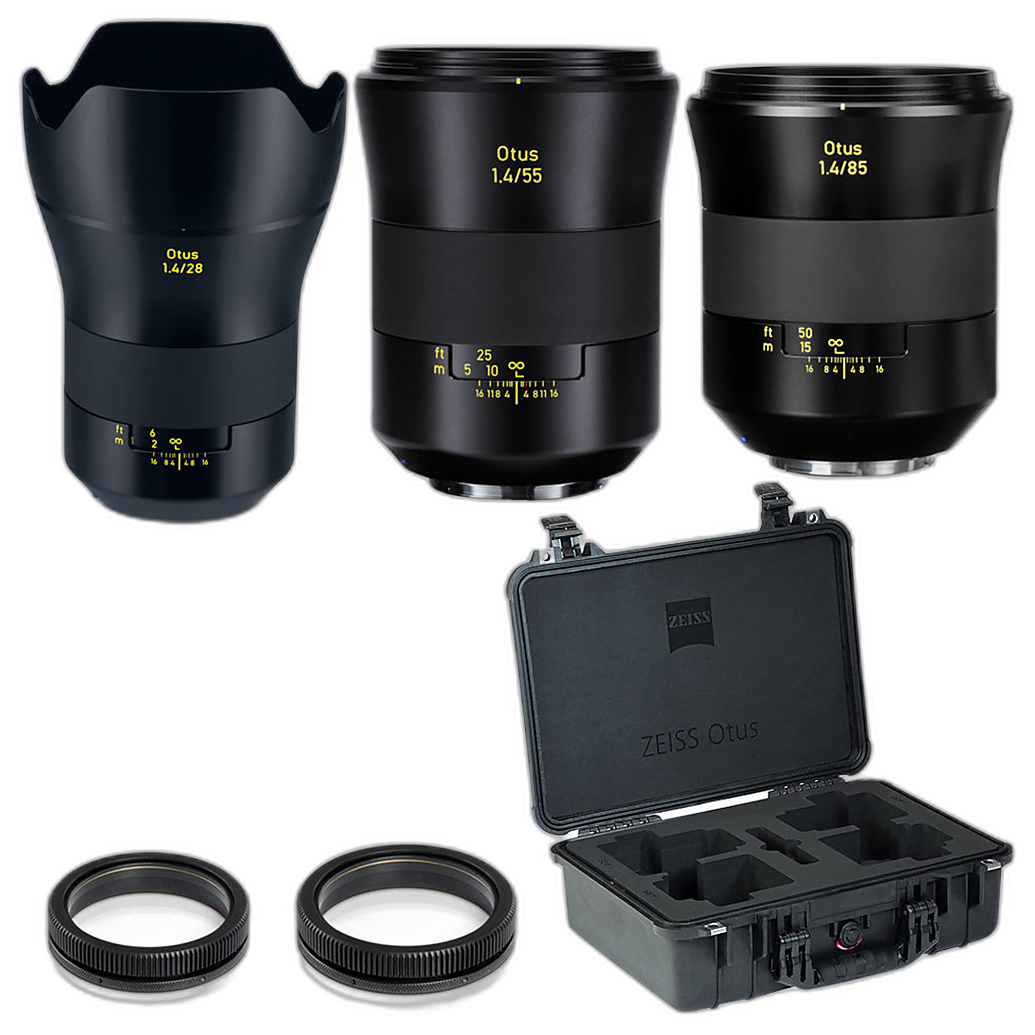
For photographers who prioritize outright rendering and optical precision over brand matching, premium manual-focus lenses remain a strong example of how non-native glass can excel. The ZEISS Otus ZE 4-Lens Bundle for Canon EF is a great illustration of third-party optics built for exceptional image quality, with an emphasis on edge-to-edge performance and refined rendering.
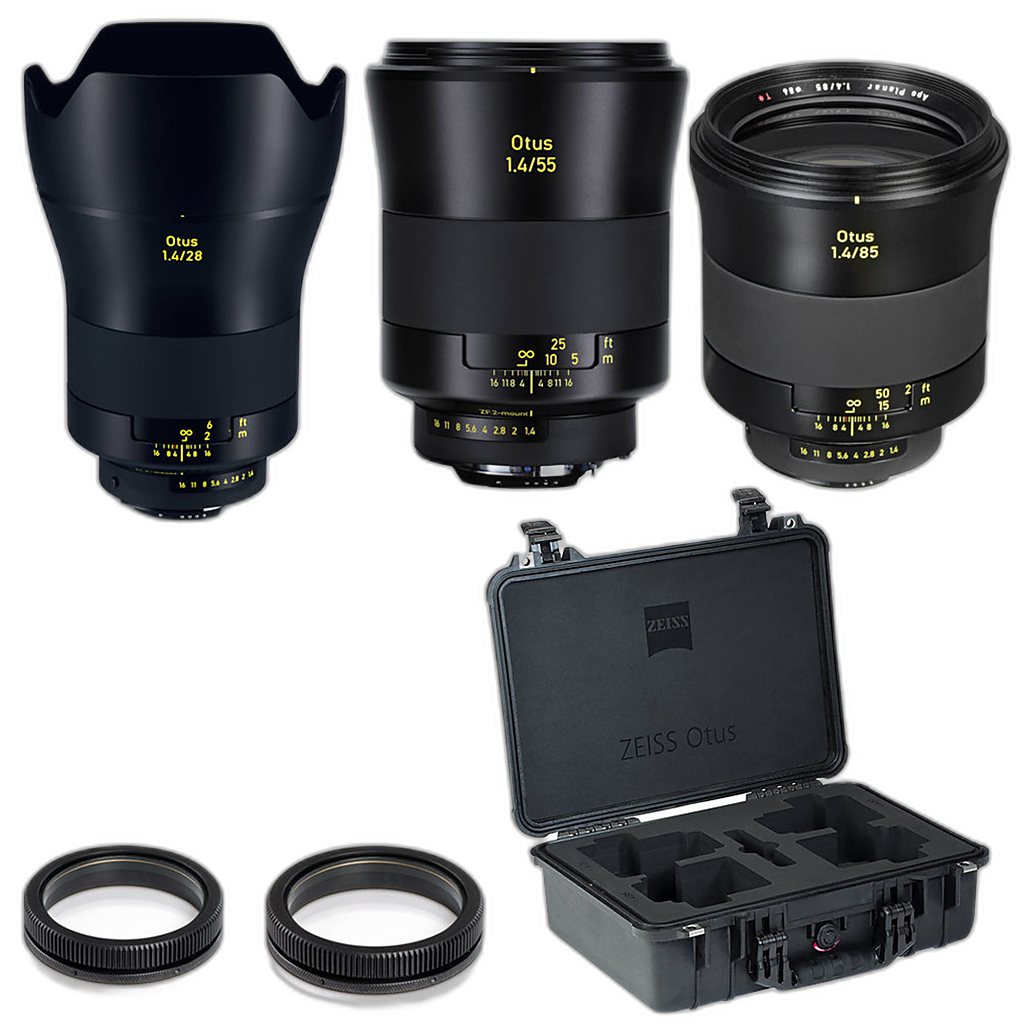
Nikon F shooters looking for the same high-end approach can consider the ZEISS Otus ZF.2 4-Lens Bundle for Nikon F, another example of a third-party lens family that is chosen specifically for image quality rather than convenience alone.
Our advice: compare lenses by use case, not assumptions. Portrait, landscape, wildlife, and cinema shooters all evaluate image quality differently.
Do native lenses still have an autofocus advantage?
Often, yes. Native lenses are generally the safest choice when autofocus reliability is the top priority, especially for fast action, subject tracking, face and eye detection, and compatibility with the newest camera firmware features. Because native lenses are designed by the same company that makes the camera body, communication between lens and camera is usually as seamless as possible.
That does not mean third-party autofocus is poor. Many third-party autofocus lenses perform very well, but native lenses tend to offer the most predictable behavior in demanding conditions such as sports, wildlife, and event coverage. If your work depends on maximum AF consistency, a native lens and body combination can simplify your workflow.
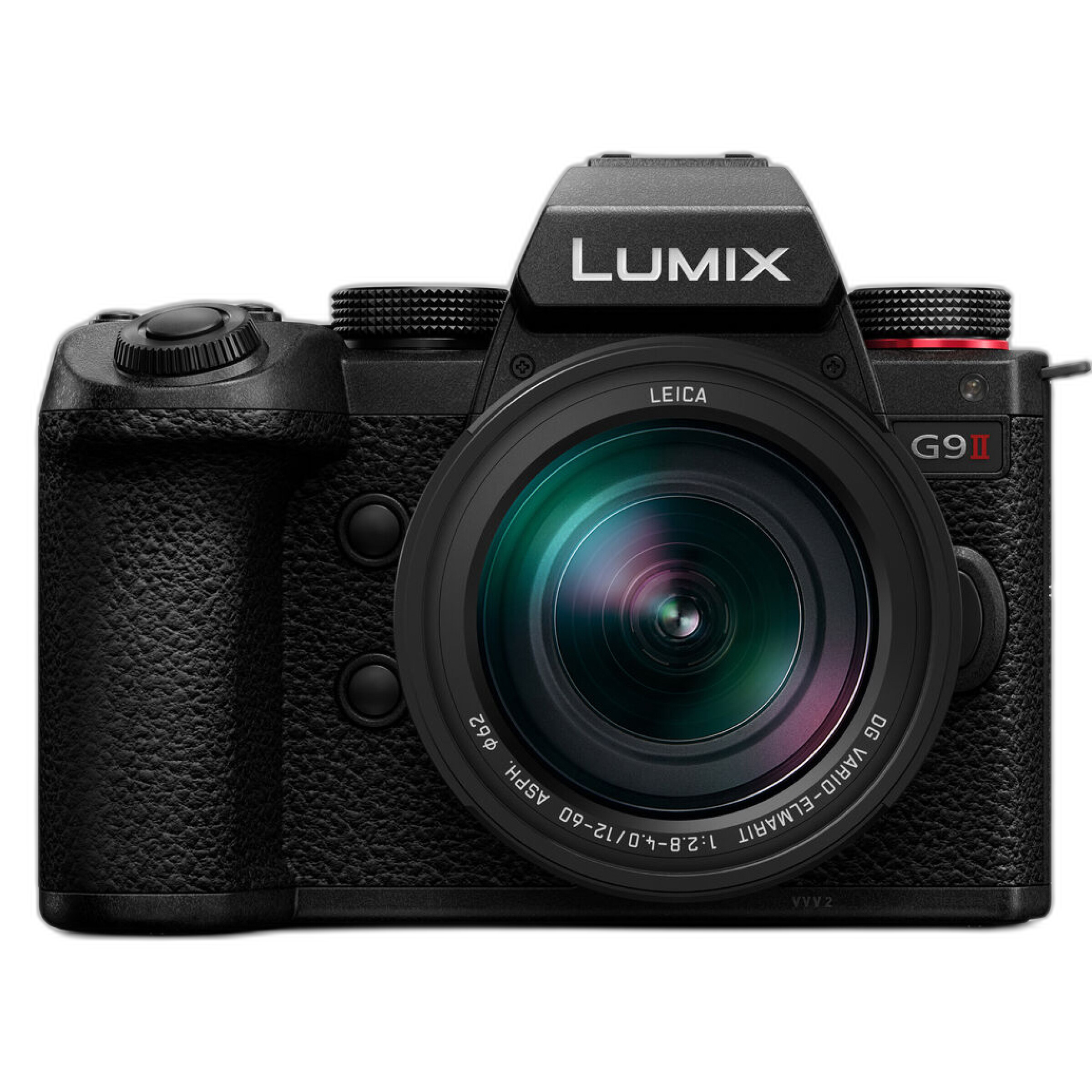
For example, a camera kit like the Panasonic LUMIX G9 II Micro 4/3 Mirrorless Camera with 12-60mm Lens gives photographers a native body-and-lens pairing that is designed to work together from day one, which can be especially valuable for hybrid creators who shoot both stills and video.
Are third-party lenses better values for the money?
Very often, yes. Third-party lenses can offer a compelling balance of speed, build quality, and optical performance at a lower cost than native alternatives. That value is one reason they are so popular with enthusiast photographers and professionals building out a system efficiently.
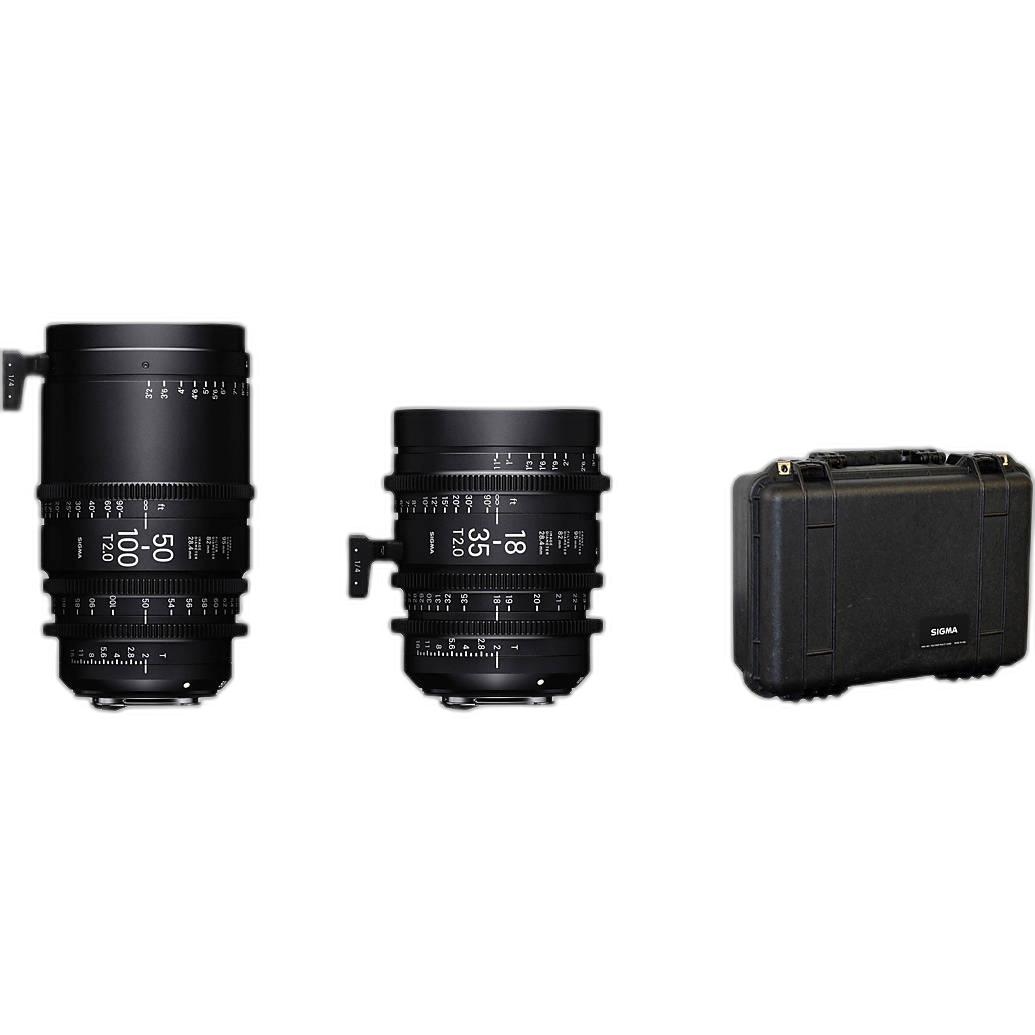
Value can also mean getting access to specialized lenses that would otherwise be cost-prohibitive. In cinema, for instance, Sigma has built a strong reputation for delivering serious performance at a price many productions find more accessible than some native-brand cinema options. The Sigma 18-35mm T2 and 50-100mm T2 Fully Luminous Lenses with Case (PL) are a strong example of third-party lenses that are often considered on value as much as on optical merit.
If you are trying to stretch your budget without sacrificing results, third-party can be the smart move. We usually suggest investing first in focal lengths you use most, then deciding whether native integration or third-party value matters more for each purchase.
What about budget third-party lenses? Are any actually worth buying?
Yes, but the best approach is to be selective. A good budget third-party lens should solve a real need: a brighter aperture than the kit lens, a focal length missing from your system, or stronger close-up, portrait, or landscape performance for the price. We recommend focusing on proven lens lines from established brands rather than shopping by lowest price alone.
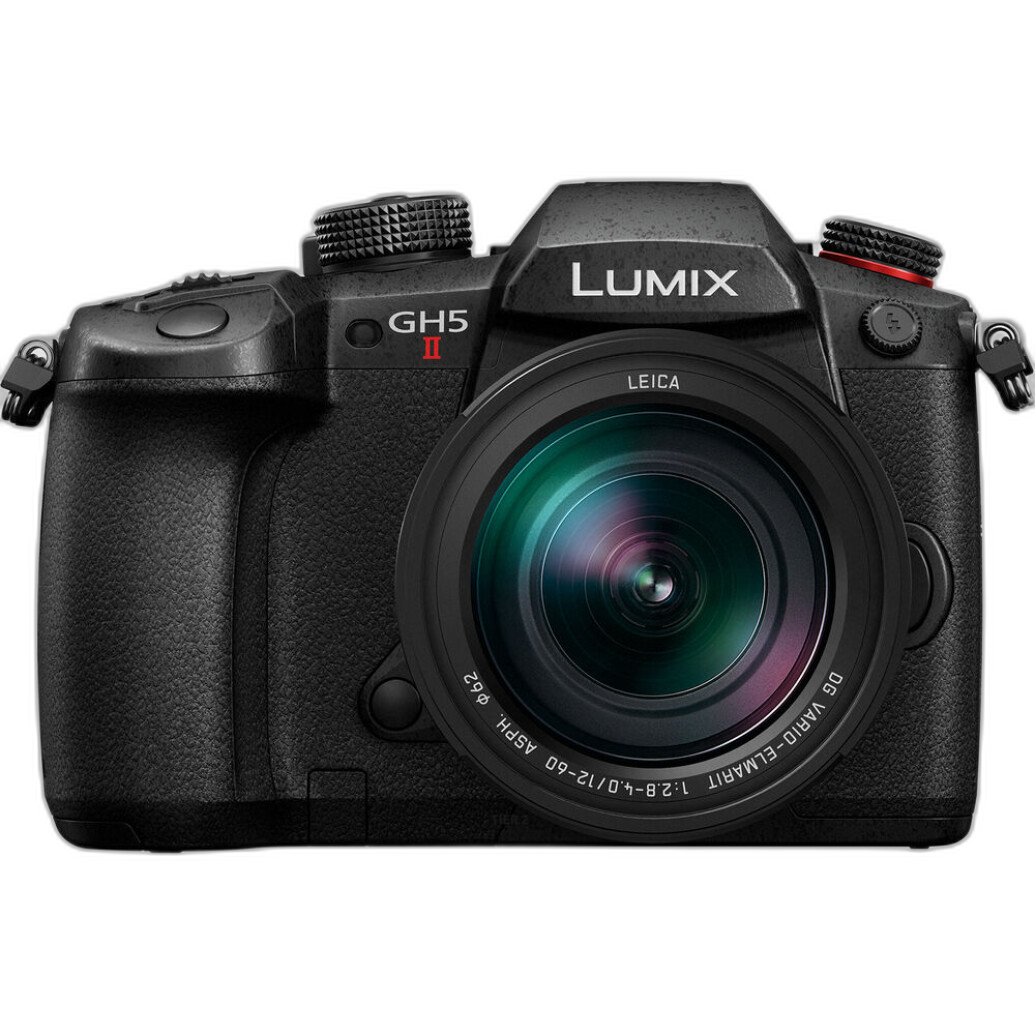
A useful benchmark is to compare budget options against the native kit you already own. For many photographers, a camera such as the Panasonic LUMIX GH5M2LK Mirrorless Micro 4/3 Camera with 12-60mm Lens provides a very practical native starting point. From there, a third-party lens can make excellent sense when you want to add a specialized look or faster aperture without immediately jumping to a premium native lens.
The key is to define what “worth it” means for your work. If a lens helps you shoot better, faster, or more creatively within budget, it is doing its job.
How should I think about durability and long-term reliability?
Build quality varies widely in both native and third-party lenses, so broad assumptions can be misleading. Some third-party lenses are built to extremely high standards, while some entry-level native lenses are designed primarily for affordability and portability. Materials, weather sealing, focus ring feel, internal mechanics, and service support all matter.
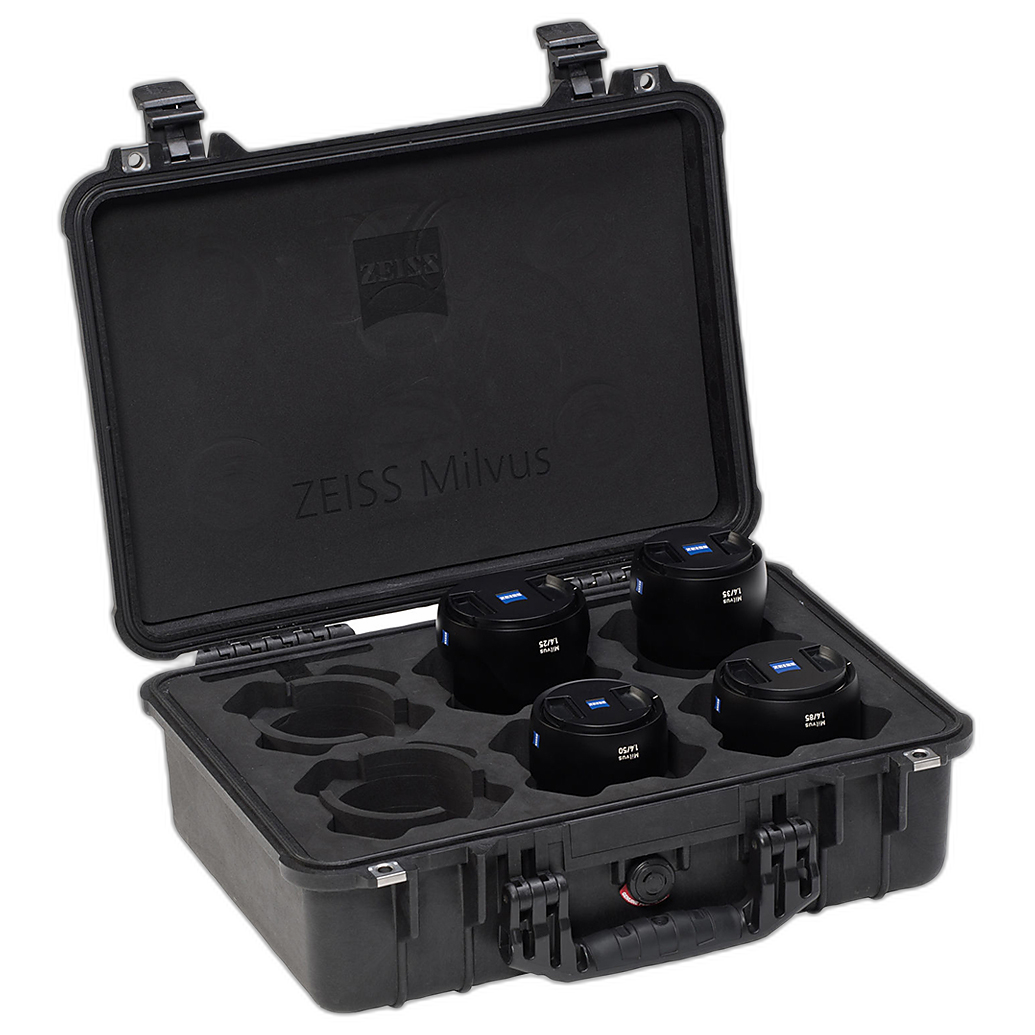
For photographers who want a premium all-metal feel and robust construction, high-end Zeiss bundles are a good reminder that third-party does not mean lower quality. The ZEISS Milvus ZF.2 Super Speed 4 Lens Bundle for Nikon F is an example of third-party glass aimed at shooters who care deeply about tactile quality and durability.
At the same time, native lenses often make sense for photographers who want the simplest service path and a fully matched system. If reliability is mission-critical, we recommend considering not just the lens itself but also turnaround time, parts availability, and how heavily you use your gear.
Do warranty and firmware support favor native lenses?
Native lenses usually have the simplest compatibility story. Camera manufacturers can update body firmware and lens firmware together, which can help preserve autofocus behavior and feature support over time. This is one reason many professionals choose native lenses for fast-moving systems and newly released camera bodies.
Third-party brands have improved significantly here, but compatibility can still vary depending on mount, camera generation, and intended use. Before buying, it is smart to confirm whether the lens supports your camera’s latest autofocus modes, video functions, and firmware updates.
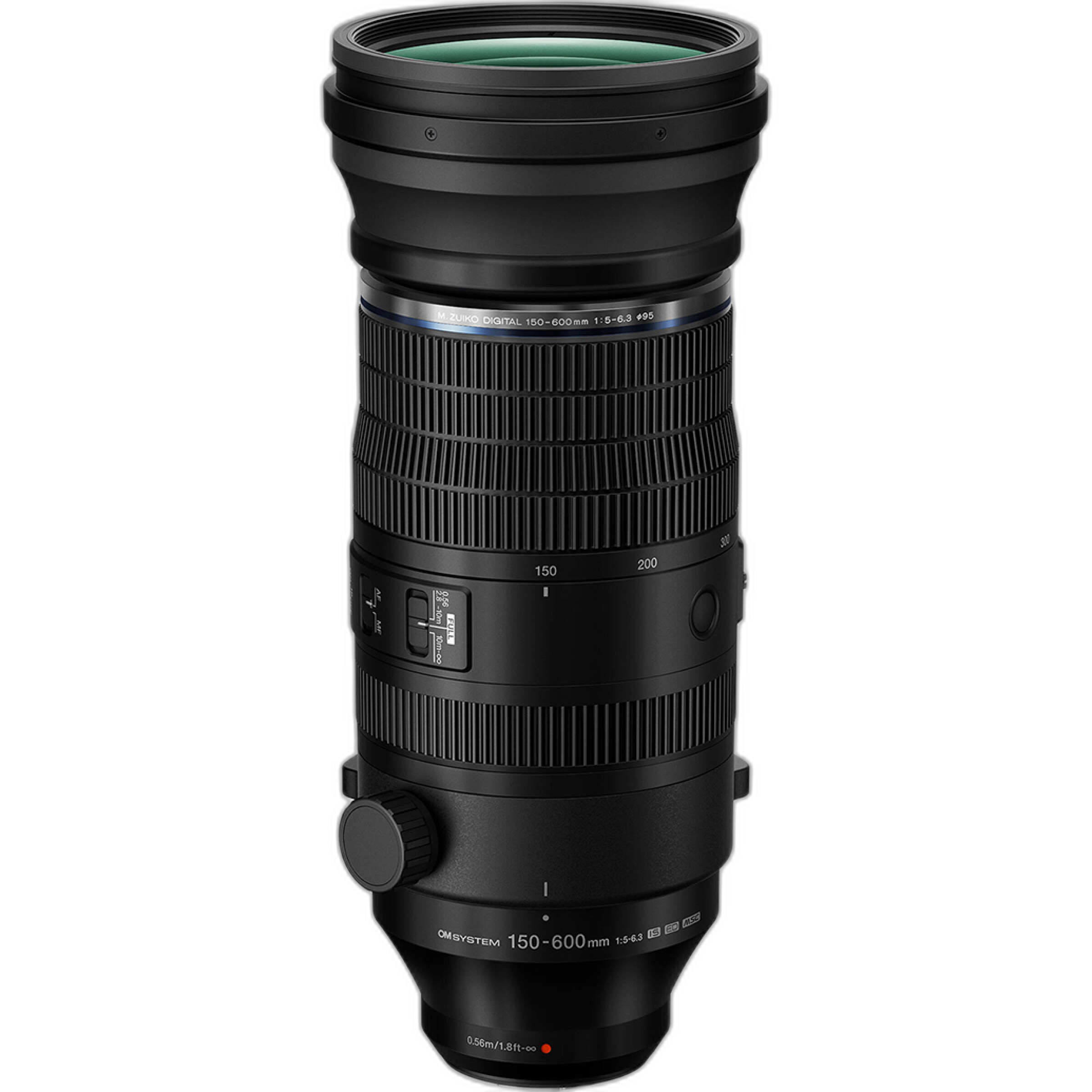
If you are investing in an advanced native ecosystem for specialized work, a native option can be reassuring. Wildlife shooters, for example, may value a tightly integrated native telephoto solution such as the OM SYSTEM M.Zuiko Digital ED 150-600mm f/5-6.3 IS Micro Four Thirds Lens, where stabilization, handling, and body communication are major parts of the ownership experience.
Are third-party lenses a smart choice for professional video and cinema work?
Absolutely, especially when consistency, manual control, and value are priorities. In cinema, third-party lens makers have long been respected for delivering professional mechanics, reliable manual focus operation, and excellent optical quality. In many productions, the decision is less about native versus third-party and more about matching the lens set to the shooting style and budget.
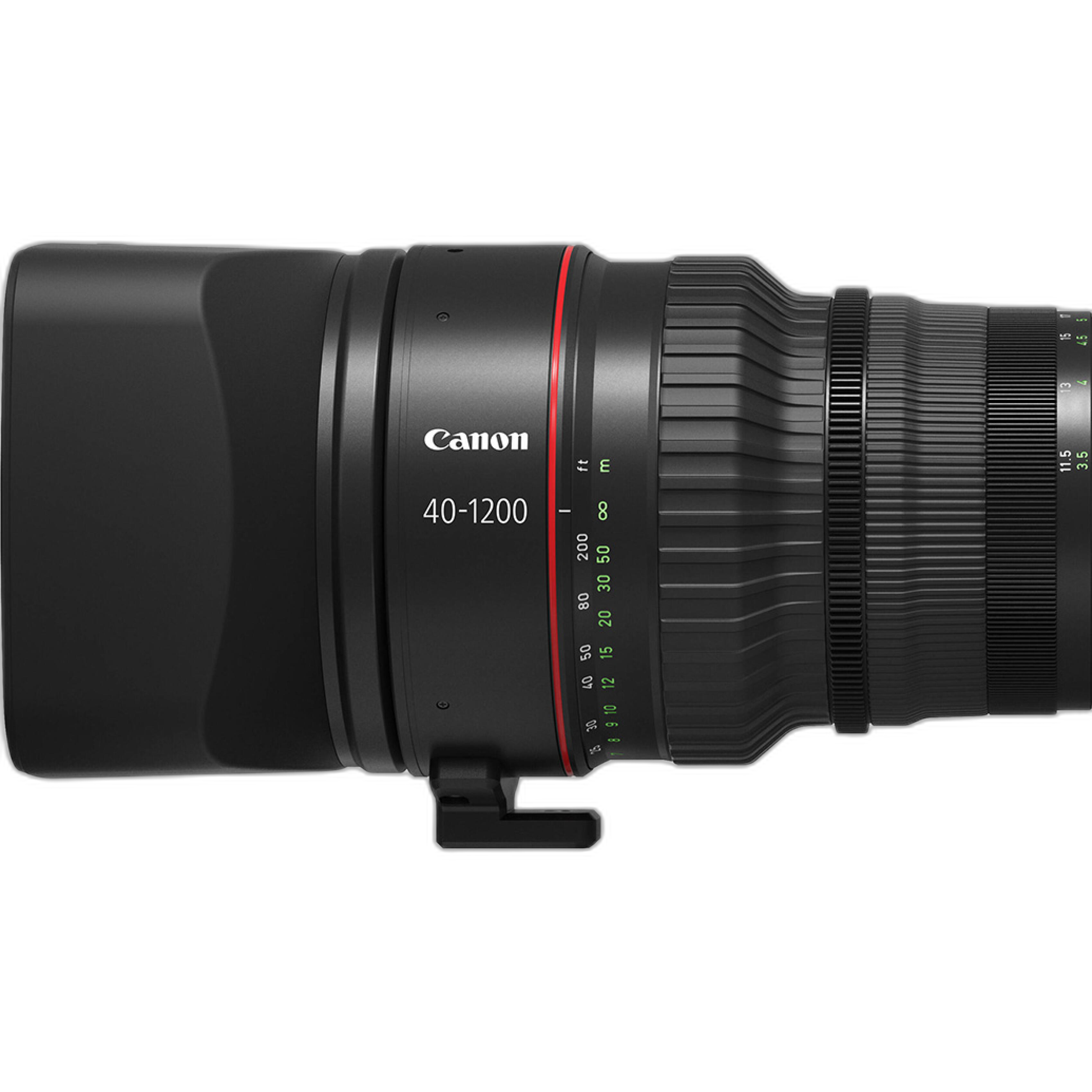
For example, the Sigma 18-35mm T2 and 50-100mm T2 Fully Luminous Lenses with Case (PL) are attractive for productions that want fast cine zooms with a professional feature set. On the other end of the spectrum, a native cinema powerhouse like the Canon CINE-SERVO 40-1200MM T5.0-10.8 Cinema Zoom Lens with SS-41 Servo Kit shows where native solutions can dominate when broadcast-style integration, servo control, and specialized production requirements take priority.
For filmmakers, the best lens choice usually comes down to the project: autofocus-heavy hybrid content, controlled narrative production, live events, or long-range field work all point to different answers.
When should I choose native instead of third-party?
Choose native when you need the most dependable autofocus performance, the broadest support for proprietary camera features, and the least guesswork over time. Native is also a smart choice for first-time buyers who want a straightforward, fully supported experience.
Choose third-party when you are targeting stronger value, a unique rendering style, a specialized optical design, or a premium manual-focus experience that may not exist in the native lineup. Many photographers end up mixing both: native for speed and convenience, third-party for character, specialty, or cost efficiency.
What is Unique Photo’s practical recommendation?
We recommend evaluating lenses based on how you shoot, not on brand loyalty alone. Sports and wildlife shooters often benefit from native autofocus integration, portrait and landscape photographers may be more open to premium third-party optics, and filmmakers frequently mix brands to get the right tools for the job.
If you are deciding between third-party and native glass, Unique Photo can help you compare options for your camera system and budget. Explore our lens selection, talk with our team, and find the right balance of image quality, autofocus confidence, and long-term value for your next upgrade.