How to Use Sony Lens Compare Beta to Pick the Right Portrait Lens
If you are trying to choose the best Sony portrait lens, Sony Lens Compare Beta can be a very useful starting point. Instead of guessing based on specs alone, the tool helps photographers compare focal lengths, rendering differences, and real-world framing options before buying. For portrait shooters, that is especially important because the difference between 35mm, 85mm, 105mm, and 135mm can dramatically change how a face looks, how compressed the background appears, and how much working distance you need.
At Unique Photo, many photographers shopping for portrait lenses want to know one thing: which lens will give them the look they actually want? Sony Lens Compare Beta is most helpful when you use it to narrow your creative intent first, then match that intent to a lens. If your goal is environmental portraits, your answer may be very different than if you want tight headshots with creamy background blur.
The best use of Sony Lens Compare Beta is not simply finding the sharpest lens. It is understanding how focal length, perspective, aperture, and subject distance work together for portrait photography.
What Sony Lens Compare Beta Shows When Comparing Portrait Lenses
When comparing lenses for portraits, Sony Lens Compare Beta is most valuable for visualizing how different focal lengths frame your subject. A 35mm lens can include more background and tell more of a story. An 85mm lens is a classic portrait choice because it offers flattering facial proportions and strong subject separation. A 105mm or 135mm option pushes even further into compressed, polished portrait rendering.
When you compare options, pay attention to these portrait-specific factors:
Focal length: This affects framing, perspective, and how close you need to stand to your subject.
Maximum aperture: Wider apertures like f/1.4 or f/1.8 can create stronger background blur and better low-light performance.
Working distance: Longer lenses give flattering compression but require more room in the studio or on location.
Versatility: Some lenses are dedicated portrait tools, while others can also handle events, fashion, or environmental work.
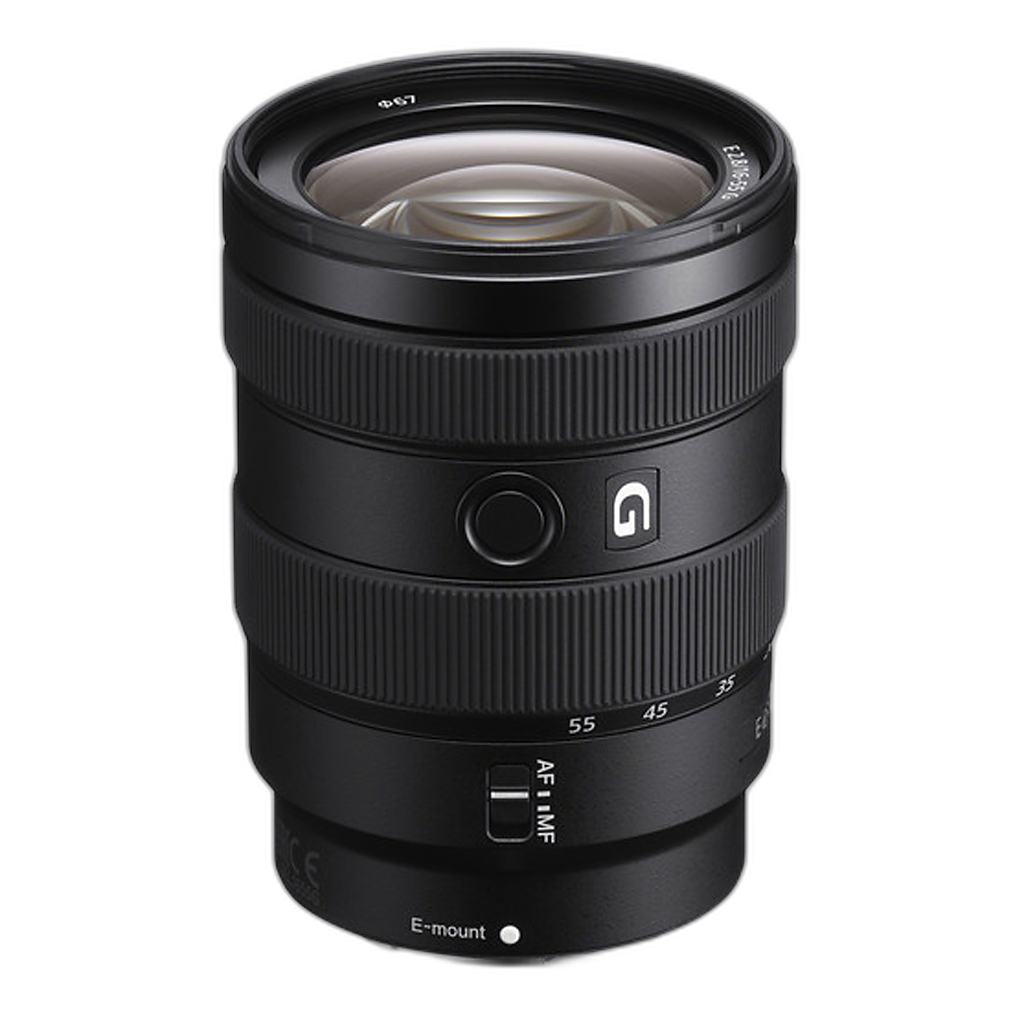
For example, a zoom like the Used Sony 16-55mm f/2.8 G Lens for Sony E Mount - Excellent can be useful for photographers who shoot portraits alongside lifestyle, travel, or event work. But if your main priority is classic shallow-depth portraiture, prime lenses often become the better fit.
Best Focal Lengths to Compare for Portrait Photography
The smartest way to use Sony Lens Compare Beta is to compare lenses by portrait style, not just by brand or price. Here is how the main focal length groups typically serve portrait photographers.
35mm for Environmental Portraits
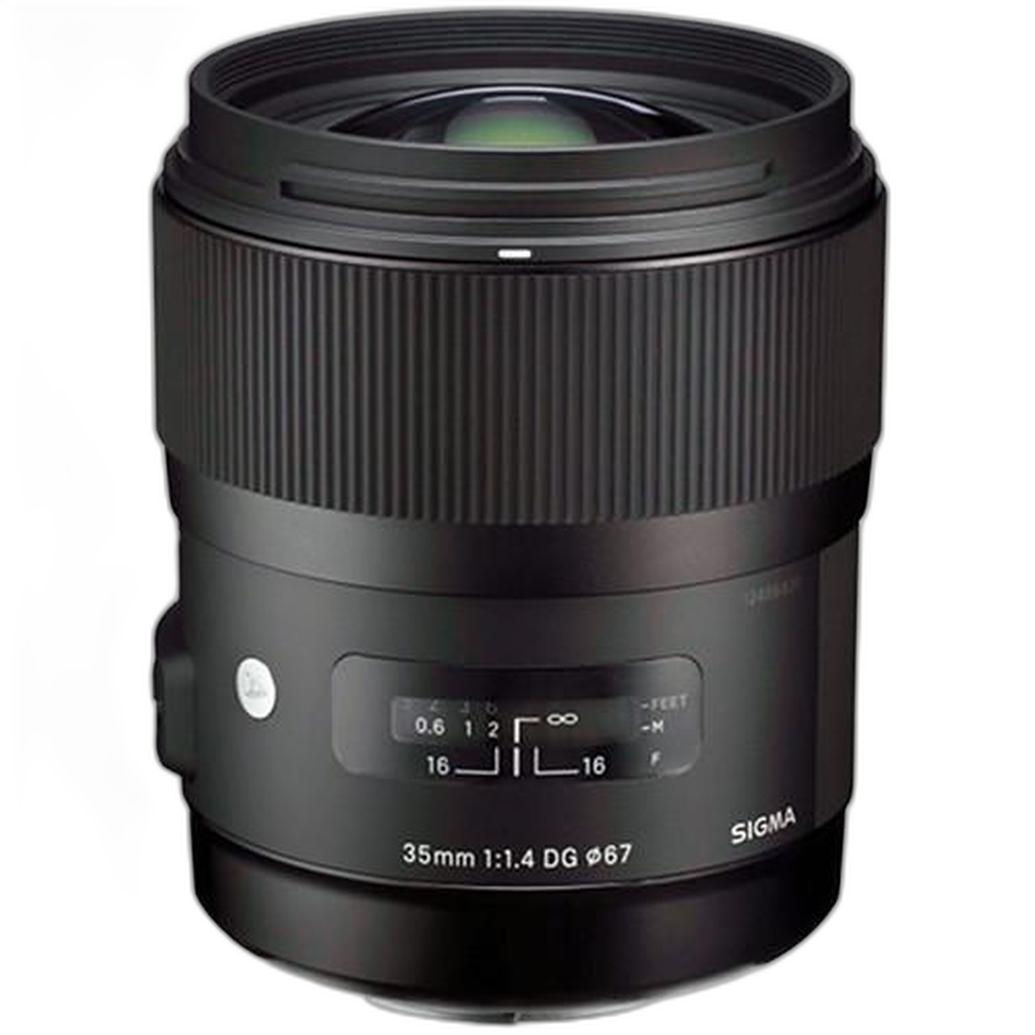
A 35mm lens is ideal if you want to show the subject in context. This is a strong choice for editorial portraits, street portraits, wedding candids, and indoor shooting where space is limited. It creates a more immersive look, but because you must work closer to the subject, it can produce less flattering facial perspective for tight headshots.
A relevant option at Unique Photo is the Used Sigma DG HSM ART 35mm f/1.4 Lens for Sony A Mount - Black, which appeals to photographers looking for fast aperture performance and a wider portrait perspective.
85mm for Classic Portraits
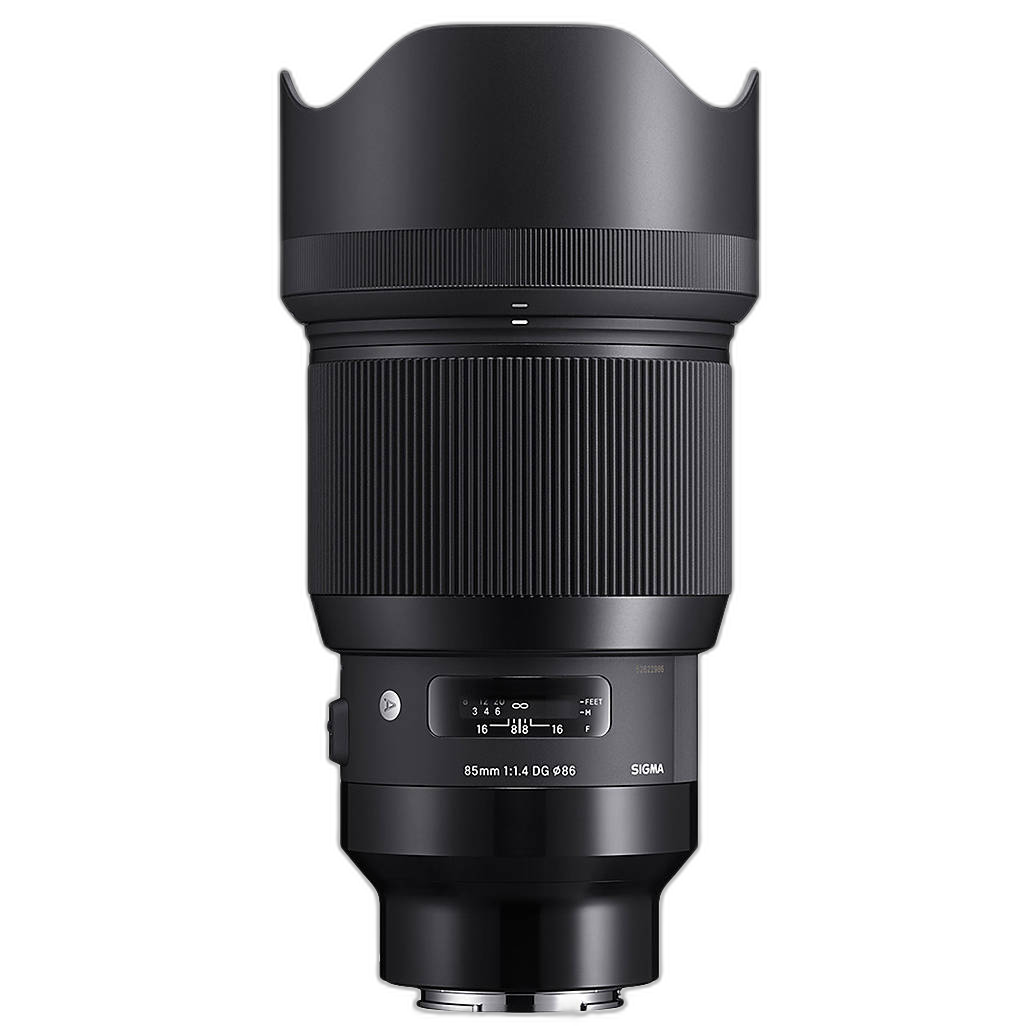
If you ask photographers for the best all-around portrait focal length, 85mm often comes out on top. It gives a flattering look for head-and-shoulders portraits without forcing you too far from your subject. It is excellent for studio portraits, outdoor sessions, engagement photography, and beauty work.
Unique Photo shoppers comparing portrait options may naturally gravitate toward the Used Sigma 85mm f/1.4 ART for Sony E - Excellent or the Used Sigma 85mm f/1.4 ART for Sony E - Good. An 85mm f/1.4 lens is often the sweet spot for photographers who want strong background blur, flattering compression, and manageable working distance.
105mm for Refined Compression and Subject Separation
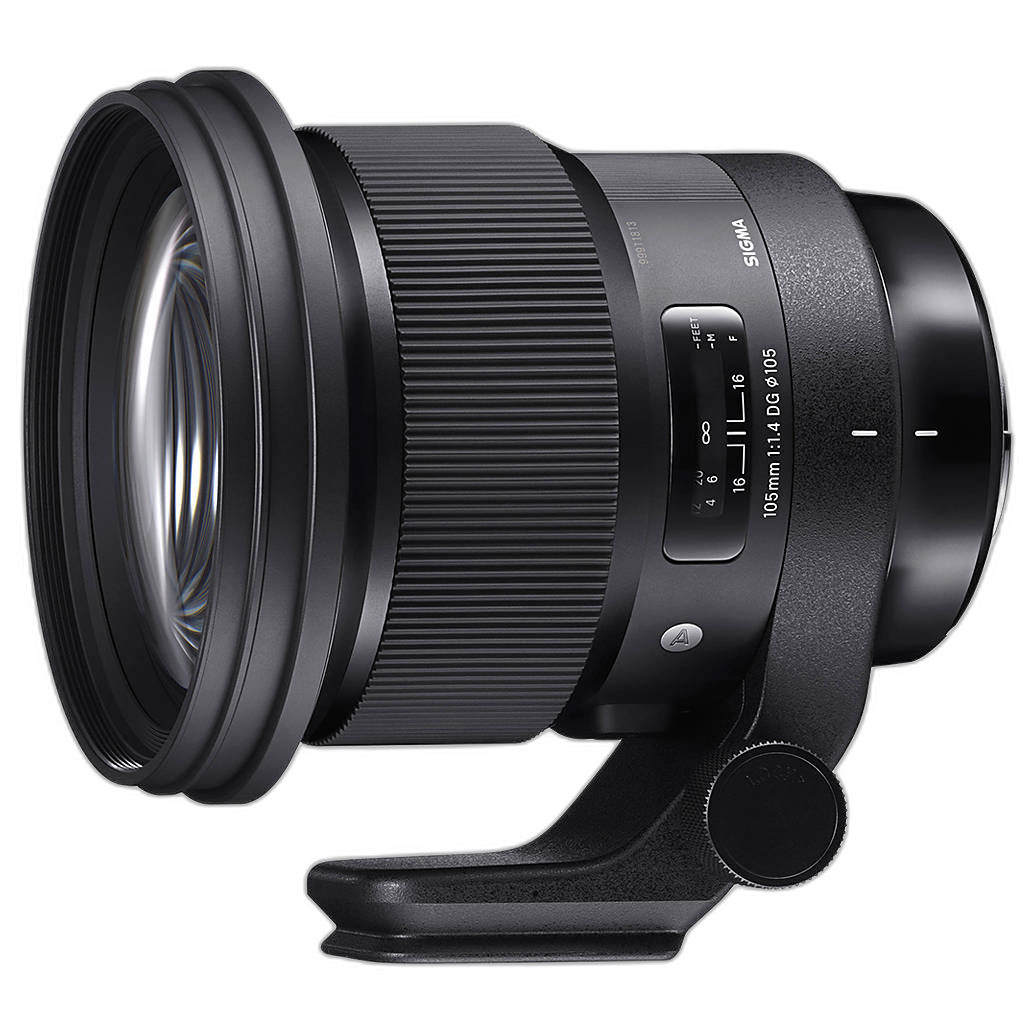
A 105mm lens can be a fantastic choice when you want more compression than 85mm but do not want to jump all the way to 135mm. It creates a refined, premium portrait look and can be especially effective for outdoor portrait sessions where you have room to step back. This focal length also works beautifully for fashion details and tighter compositions.
The Used Sigma 105mm f/1.4 DG HSM Art Lens for Sony E - Excellent is the kind of lens portrait specialists often compare when they want dramatic separation and a standout rendering style.
135mm for Headshots and High-End Portrait Look
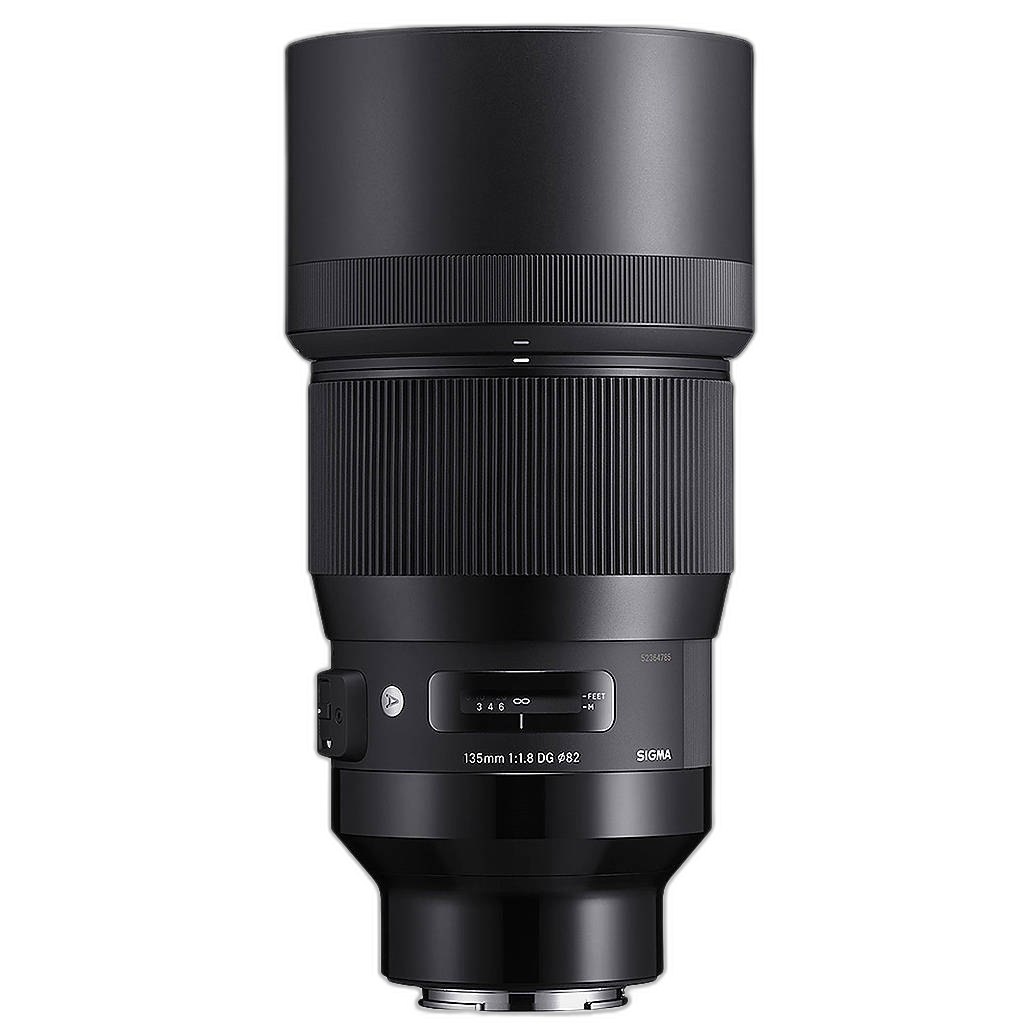
For photographers focused on headshots, beauty portraits, and highly compressed outdoor portraits, 135mm is a serious contender. It can produce extremely flattering results, especially for close-up work, because it minimizes distortion and smooths perspective. The tradeoff is that it requires more space and is less flexible in tight locations.
At Unique Photo, portrait photographers looking for that polished telephoto look may compare the Used Sigma 135mm f/1.8 DG HSM Art Lens for Sony E - Excellent and the Used Sigma 135mm f/1.8 DG HSM Art Lens for Sony E - Good. This focal length is often favored by shooters who prioritize subject isolation and premium headshot rendering.
How to Compare 85mm vs 105mm vs 135mm in Sony Lens Compare Beta
One of the best practical uses of Sony Lens Compare Beta is comparing nearby focal lengths that seem similar on paper but look very different in use. For portrait work, 85mm vs 105mm vs 135mm is one of the most important comparisons you can make.
Choose 85mm if: you want the most versatile portrait prime, shoot in mixed spaces, and need a balance of compression and flexibility.
Choose 105mm if: you want stronger compression, extra subject separation, and a more specialized portrait look without becoming too restrictive.
Choose 135mm if: you primarily shoot outdoor portraits or studio headshots with enough room, and you want maximum flattering compression.
Using the compare tool, think about how often you shoot indoors, whether you prefer full-body or tight portraits, and how much distance you normally have between yourself and your subject. This is often where the right answer becomes obvious.
How Aperture Affects Portrait Lens Choice
Portrait photographers often search for the best Sony lens for blurry background, and Sony Lens Compare Beta can help you understand why aperture matters so much. Lenses with f/1.4 or f/1.8 apertures let in more light and can create a shallower depth of field than f/2.8 zooms, especially when paired with longer focal lengths.
That does not always mean the fastest lens is automatically the best lens. A wider aperture is most useful if you regularly shoot in low light, want dreamy background blur, or prefer strong separation between subject and environment. If you need more framing flexibility, a zoom may still be the smarter everyday choice.
For portrait specialists, lenses like the Sigma 85mm f/1.4 ART, Sigma 105mm f/1.4 DG HSM Art, and Sigma 135mm f/1.8 DG HSM Art stand out because they combine portrait-friendly focal lengths with wide maximum apertures.
When a Zoom Lens Makes Sense for Portraits
Although prime lenses dominate many portrait conversations, Sony Lens Compare Beta can also help reveal when a zoom is the more practical solution. If you photograph families, events, branding sessions, or hybrid photo and video content, a fast standard zoom can cover multiple framing needs quickly.
The Used Sony 16-55mm f/2.8 G Lens for Sony E Mount - Excellent is a good example of a lens that may not be the first choice for classic telephoto portraits, but it can still be useful for environmental portraits, half-body compositions, and flexible location work. For many creators shopping at Unique Photo, practicality matters just as much as maximum blur.
Mistakes to Avoid When Using Sony Lens Compare Beta for Portrait Lens Shopping
To get better results from Sony Lens Compare Beta, avoid these common mistakes:
Only comparing sharpness: Portrait photography is not just about resolution. Rendering, compression, and how the lens flatters your subject matter more.
Ignoring shooting distance: A 135mm lens may look amazing, but not if you mostly shoot in small rooms.
Overvaluing maximum aperture without context: f/1.4 is powerful, but if you rarely shoot wide open, a more flexible lens may suit you better.
Forgetting portrait style: Environmental, lifestyle, studio, fashion, and headshot work all benefit from different focal lengths.
At Unique Photo, this is why many photographers compare both creative goals and practical constraints before choosing a portrait lens.
Which Portrait Lens Is Best After Using Sony Lens Compare Beta?
If you want a simple answer after comparing options, here is a practical breakdown:
Best for environmental portraits: 35mm
Best all-around portrait focal length: 85mm
Best for dramatic compression with flexibility: 105mm
Best for tight headshots and premium compression: 135mm
Best for versatility across multiple subjects: standard zoom like 16-55mm f/2.8
For many portrait photographers, 85mm remains the safest and most balanced first choice. But Sony Lens Compare Beta becomes most valuable when it helps you realize you are actually a 105mm or 135mm shooter based on the look you prefer.
Final Thoughts on Using Sony Lens Compare Beta for Portrait Lens Decisions
The best use of Sony Lens Compare Beta for choosing a portrait lens is to move beyond specs and focus on visual style. Compare framing, subject distance, and the kind of portrait work you shoot most often. That process will usually point you toward the right focal length faster than reading technical charts alone.
Unique Photo is a great place to continue that search, especially if you are exploring used portrait lenses that can deliver premium image quality at strong value. If you are building out a Sony portrait kit, consider comparing options like an 85mm prime, a 105mm specialty portrait lens, and a 135mm headshot lens side by side.
For internal linking opportunities, consider directing readers to pages about used Sony lenses, used Sigma lenses for Sony, portrait photography gear, and lens buying guides on Unique Photo.