Push vs Pull Processing: What’s the Difference?
Push and pull processing are two classic film development techniques used to intentionally adjust how film is exposed and developed. Photographers use them when lighting conditions are difficult, when they want a certain look, or when they need more flexibility from a roll of film. In simple terms, pushing means rating film at a higher ISO than its box speed and extending development, while pulling means rating film at a lower ISO and reducing development.
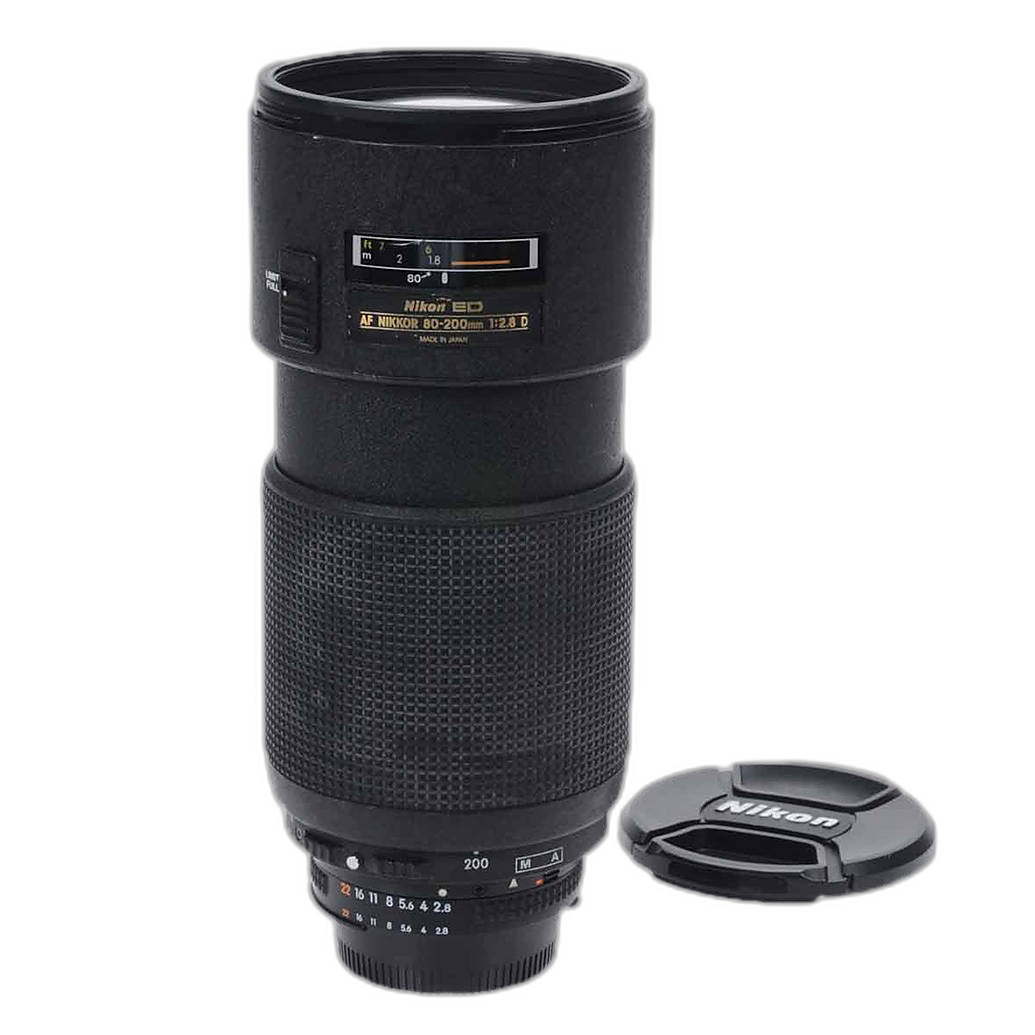
This comparison matters because the choice between push and pull processing can dramatically affect contrast, grain, shadow detail, highlight retention, and overall mood. While the topic is about film workflow rather than gear specs alone, the handling style of classic push-pull zoom lenses makes a fitting visual comparison point here: fast, direct, and responsive tools often favored by photographers working in changing conditions.
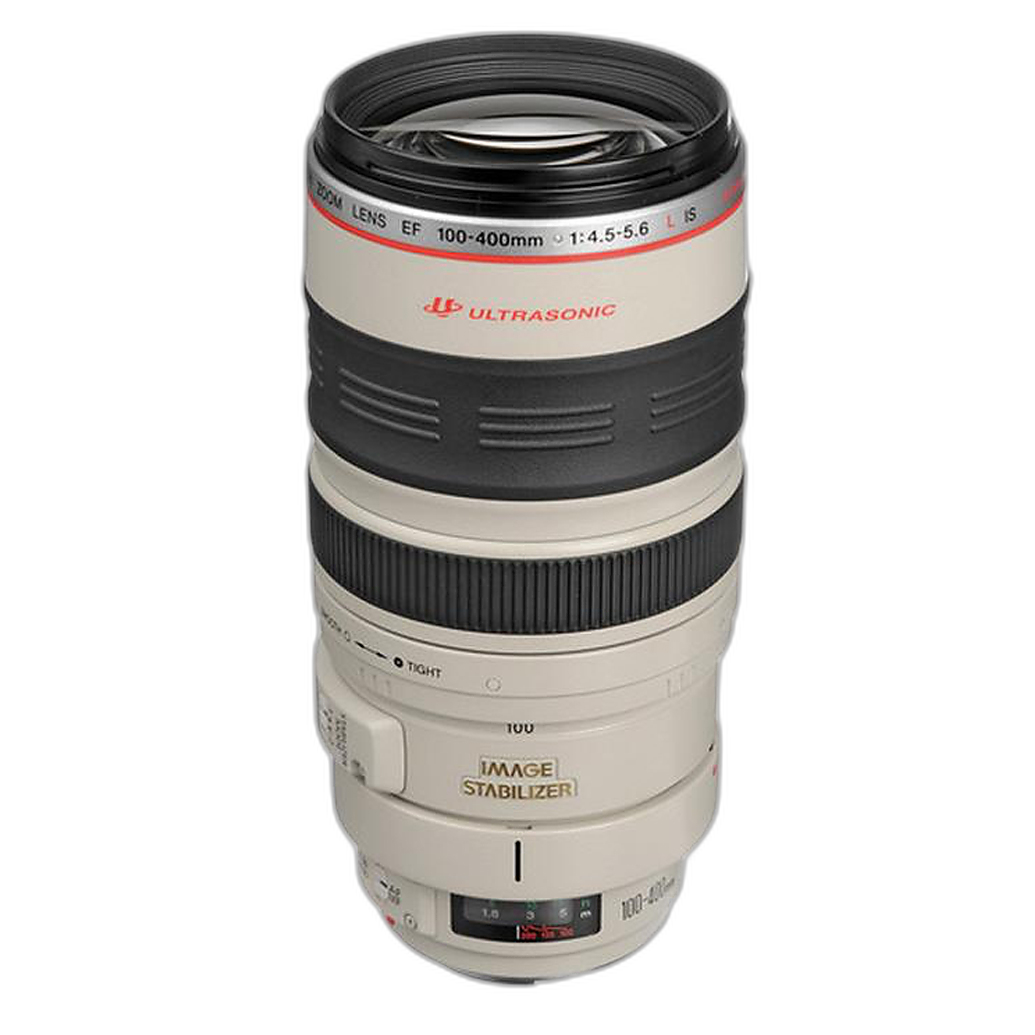
Side-by-Side Comparison: Push vs Pull Processing
| Category | Push Processing | Pull Processing |
|---|---|---|
| Exposure Rating | Rate film above box speed | Rate film below box speed |
| Development Time | Longer than normal | Shorter than normal |
| Best Use Case | Low light, faster shutter speeds, handheld shooting | High-contrast scenes, bright light, smoother tonality |
| Contrast | Usually increased | Usually reduced |
| Grain | More apparent | Often less pronounced |
| Shadow Detail | Can be reduced | Often improved if exposure is generous |
| Highlight Control | Can become harsh | Often better preserved |
| Overall Look | Dramatic, gritty, urgent | Softer, cleaner, more open |
How Push Processing Works
When to Use Push Processing
Push processing is most useful when you do not have enough light for the shutter speed or aperture you need. For example, if you are shooting ISO 400 film indoors but need performance closer to ISO 1600, you can expose the film as if it were 1600 and ask the lab to push it two stops in development.
This makes push processing especially popular for:
- Concert photography
- Street photography at night
- Indoor events
- Documentary work in available light
- Situations where motion blur would otherwise be a problem
Why Photographers Choose It
The biggest advantage is simple: it helps you get the shot when light is limited. Push processing can preserve usability in difficult conditions without requiring flash or a tripod. It also creates a stronger, moodier rendering that many photographers intentionally seek out.
The tradeoff is that pushed film usually shows more grain, higher contrast, and less subtle shadow detail. Blacks can get deeper, highlights can feel more abrupt, and the image may look rougher overall. That can be a strength if you want energy and grit, but it is not always ideal for every subject.
How Pull Processing Works
When to Use Pull Processing
Pull processing is the opposite approach. You expose film at a lower ISO than its box speed, effectively giving it more light, then compensate by reducing development time. This can be helpful when the scene has intense contrast or when you want a smoother negative with more highlight control.
Pulling is commonly used for:
- Bright outdoor scenes
- High-contrast midday light
- Portraits where smoother skin tones matter
- Scenes where highlight retention is critical
- Photographers seeking a softer, more forgiving tonal range
Why Photographers Choose It
Pull processing can produce a cleaner, more open look with gentler contrast. Highlights are often easier to manage, and negatives may scan or print with more flexibility. If your style favors subtle gradation over punchy drama, pulling can be the better choice.
The downside is that pull processing is less about rescuing impossible situations and more about refining an already bright or contrasty one. It does not create extra speed; instead, it deliberately tones things down.
Image Quality Differences
Contrast and Tonality
If your scene already has deep contrast, pushing can make it even more intense. That can be perfect for noir-like street scenes or stage lighting, but less ideal for portraits or detailed landscapes. Pulling, by comparison, tends to compress the tonal extremes and preserve smoother transitions.
Grain and Texture
Pushed film often emphasizes grain, especially with higher push levels. For some photographers, that texture is part of the appeal. Pulled film generally looks more restrained, with less aggressive grain structure and a calmer presentation.
Shadow and Highlight Performance
Push processing usually sacrifices some shadow detail because the film was underexposed at capture. Development can increase density, but it cannot fully restore information that was never recorded. Pull processing, on the other hand, often benefits from extra exposure, helping preserve shadow information while controlling highlights during development.
Which One Is Better for Different Types of Photography?
Low-Light and Action Work
Push processing wins when you need more working speed. It is the more practical choice for fast-moving subjects, dim interiors, and handheld shooting after dark.
Portraits and Bright-Day Shooting
Pull processing wins when you want smoother skin tones, softer contrast, and improved highlight handling in bright conditions.
Creative Style
If your goal is atmosphere, grit, and edge, pushing is often the better artistic tool. If your goal is refinement, tonal flexibility, and a gentler rendering, pulling is usually more appealing.
Our Pick
If you are deciding purely on versatility, push processing is our pick. Most photographers turn to exposure compensation in film because they need help in challenging light, and pushing solves a more common real-world problem: getting usable exposures when there is not enough light to work comfortably. It may add grain and contrast, but those characteristics are often acceptable, and sometimes even desirable.
That said, pull processing is the smarter choice when you are trying to tame harsh light and preserve a smoother tonal range. The best option depends on whether your priority is speed and survival or control and refinement.
Final Thoughts
Push and pull processing are both valuable tools, and neither is universally better. Push processing helps you shoot in difficult lighting and creates a bold, dramatic look. Pull processing helps reduce contrast and maintain smoother tonal transitions in bright or high-contrast scenes. Understanding when and why to use each will make you more confident with film and help you get more intentional results from every roll.
If you are exploring classic film techniques, used gear, or specialty photo tools, Unique Photo is a great place to continue your search.