Introduction
Proper film negative storage is all about protecting image quality for the long term. Dust, fingerprints, scratches, moisture, and poor organization can all shorten the life of your archive or make future scanning and printing more difficult. In this comparison, we’re looking at several archival storage options from Print File and Duracraft that help photographers store 35mm, 120, and large-format negatives more safely and efficiently. We’ll compare roll storage, binder pages, and kraft preservers to help determine which option makes the most sense for your workflow.
Side-by-Side Comparison
| Product | Format / Use | Storage Style | Best For | Key Advantage |
|---|---|---|---|---|
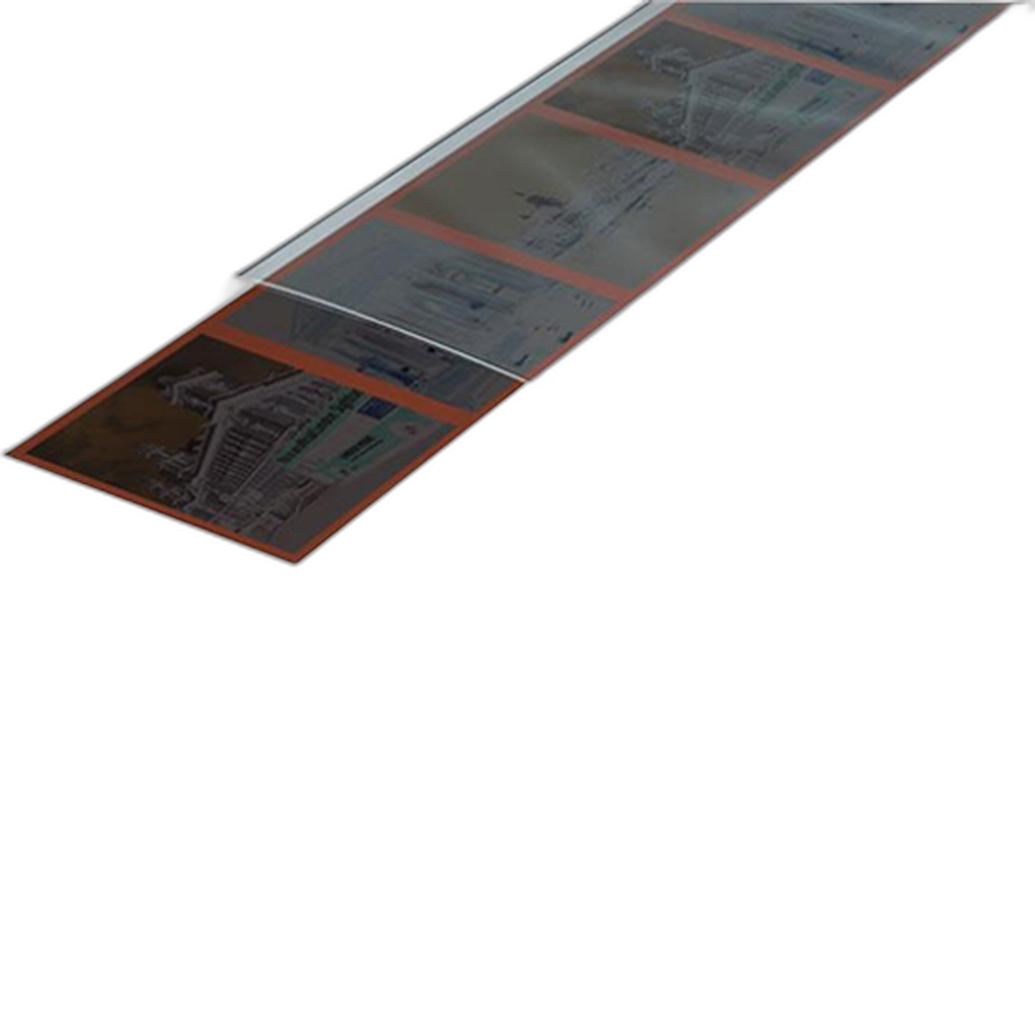
| Print File Archival Storage Film Strip Roll for 120 Negatives - 1000 FT | 120 film | Cut-to-length roll sleeve | Labs, bulk archival workflows, custom strip lengths | Maximum flexibility for 120 negative storage |
| Print File Archival Storage Page for 9 Negatives (2.6x3.6in, 500-Pack) | Medium format negatives approx. 2.6x3.6in | Archival page | High-volume organized storage | Large pack size for extensive archives |
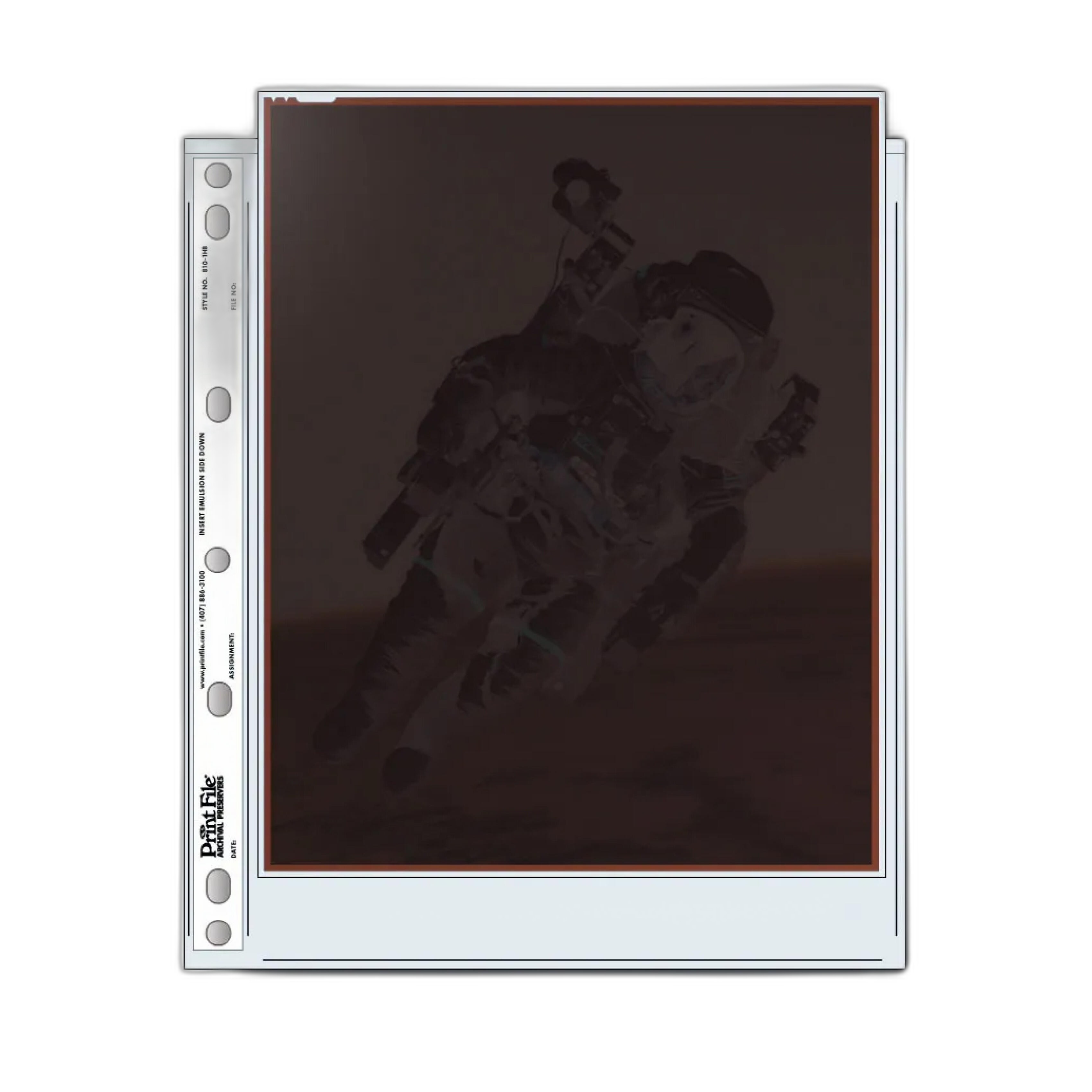
| Print File Archival Storage Page for Negatives - Holds 1 Negative or Transparency | Single negative or transparency | Single-frame page | Special handling, presentation, isolated storage | Extra protection for individual pieces |
| Print File 120-9HB Archival Storage Page for 9 Negatives 100-Pack | 120 film | Binder page | Medium-format photographers who want easy filing | Ready-made page storage for 120 negatives |
| Duracraft 500 Kraft Negative Preserver Envelopes for 4.0x5.0 Film | 4x5 film | Kraft envelope | Large-format shooters and filing cabinets | Simple, traditional large-format protection |
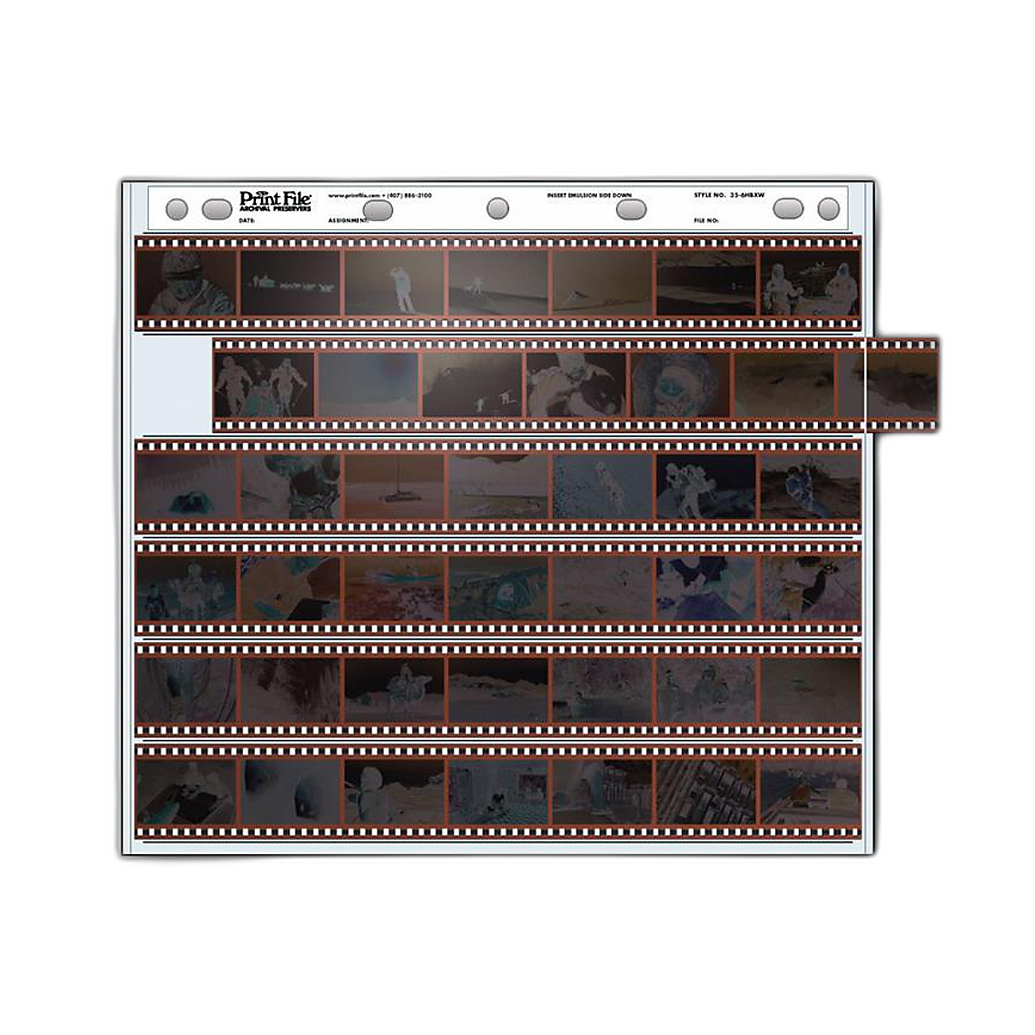
| Print File 35-6HBXW (100) Negative Pages | 35mm film strips | Binder page | Home and pro 35mm archiving | Easy viewing and binder organization |
| Print File 35-7B (1000) Negative Pages | 35mm film strips | Binder page, bulk pack | High-volume 35mm archives and labs | Excellent quantity for long-term system building |
Best Practices for Film Negative Storage
Regardless of which storage solution you choose, a few core practices matter most:
- Handle negatives only by the edges.
- Use clean, dry hands or lint-free gloves when appropriate.
- Store negatives in archival-quality pages, sleeves, or envelopes.
- Keep film in a cool, dry, stable environment away from direct sunlight.
- Avoid PVC and non-archival plastics.
- Label clearly so you don’t have to over-handle your originals later.
- Store binders upright and avoid overpacking pages.
Comparison by Storage Style
Archival Pages for Everyday Organization
If you want the easiest balance of protection, visibility, and indexing, archival pages are usually the best place to start. Products like the Print File 35-6HBXW, Print File 35-7B, and Print File 120-9HB are especially useful for photographers who file negatives in binders. This approach makes it easy to browse contact sheets, identify frames, and retrieve film later without unnecessary handling.
For 35mm shooters, the key choice is usually pack size and workflow volume. The 35-6HBXW is practical for smaller archives, while the 35-7B (1000) makes more sense for heavy shooters, schools, labs, or anyone standardizing a long-term storage system.
Roll Sleeve Storage for Custom 120 Workflows
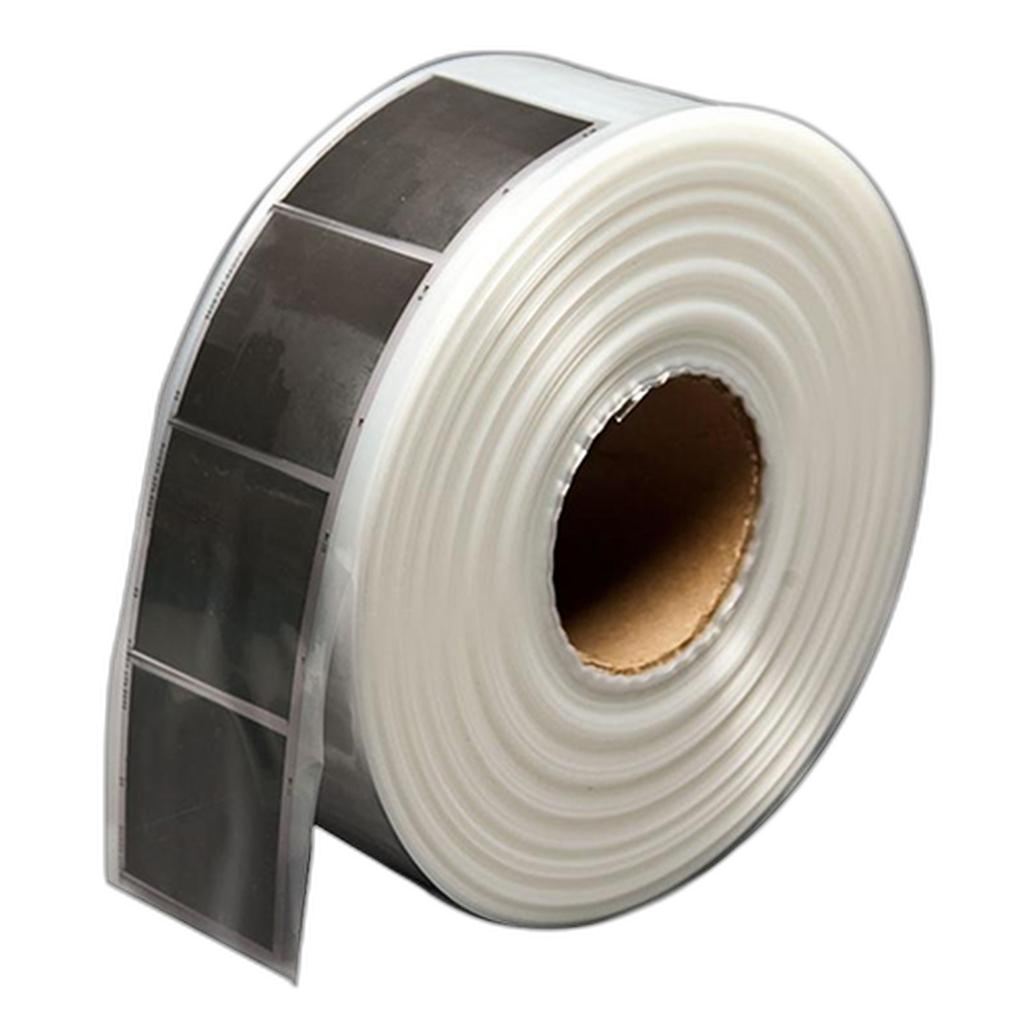
The Print File Archival Storage Film Strip Roll for 120 Negatives - 1000 FT stands out because it offers a different kind of flexibility. Instead of pre-made pages, this roll format lets you cut storage sleeves to the exact length you need. That can be especially useful in lab environments, custom archiving situations, or when 120 strips vary based on camera format and processing workflow.
This style is less about browsing in a binder and more about adaptable, efficient protection. If your priority is custom lengths and volume handling, the roll has a clear advantage.
Single-Negative Storage for Special Frames
The Print File Archival Storage Page for Negatives - Holds 1 Negative or Transparency is a more specialized option. Rather than storing multiple strips together, it isolates one negative or transparency. That makes it useful for prized images, delicate originals, presentation needs, or any frame that deserves separate handling.
For photographers digitizing select hero frames or protecting a transparency for reference, single-image storage can reduce contact with neighboring film and simplify identification.
Kraft Envelopes for Large Format Filing
Large-format photographers often need a different storage approach than roll-film users. The Duracraft 500 Kraft Negative Preserver Envelopes for 4.0x5.0 Film offer a classic filing solution for 4x5 negatives. These envelopes work well when you want to sort sheets by date, project, or subject in boxes or cabinets.
They are especially appealing for photographers with traditional darkroom or studio workflows. Compared to transparent pages, envelopes are not as immediately viewable, but they can be very practical for large-format archives where individual sheet protection matters most.
Format-by-Format Recommendations
Best for 35mm Negatives
For most 35mm users, binder pages are the most efficient and user-friendly answer. The Print File 35-6HBXW is a strong choice for standard use, while the Print File 35-7B (1000) is better for very large archives or institutional use.
Best for 120 Negatives
If you want ready-to-file organization, the Print File 120-9HB Archival Storage Page is the cleaner solution. If you need maximum flexibility and process a lot of film, the Print File Archival Storage Film Strip Roll for 120 Negatives - 1000 FT is the more adaptable option.
Best for Large Format Negatives
The Duracraft 500 Kraft Negative Preserver Envelopes for 4.0x5.0 Film are the natural fit for 4x5 shooters who want simple, archival-minded filing for individual sheets.
Our Pick
Our Pick: Print File 35-6HBXW and Print File 120-9HB archival pages
For most photographers, pre-made archival binder pages are the best overall solution because they combine protection, organization, and easy access. They reduce handling, make negatives easier to review, and integrate neatly into a long-term filing system. If you shoot 35mm, the Print File 35-6HBXW is an excellent everyday choice. If you shoot 120, the Print File 120-9HB is the most straightforward recommendation.
For specialty needs, the other products still shine: choose the PFX0350 roll for custom 120 workflows, the PFX1022 for single-image protection, and the DCS851 envelopes for large-format sheet film.
Conclusion
The best practices for storing and handling film negatives come down to using archival materials, minimizing physical contact, and matching your storage method to your film format and workflow. Binder pages are usually the most versatile option, while roll sleeves and kraft envelopes fill important niche roles for custom and large-format applications. If you’re building or upgrading your archival system, Unique Photo offers dependable film storage solutions for photographers who want to protect their negatives for years to come.