If you’re buying your first serious lens, an all-around zoom is often the smartest place to start. It gives you flexibility for travel, family photos, landscapes, street shooting, and even a little wildlife without forcing you to swap lenses constantly. The trick is figuring out which zoom range, size, and feature set actually fits the way you shoot. In 2024, beginner-friendly options are better than ever, whether you want one lens that does nearly everything or a higher-end zoom you can grow into.
Below are practical tips to help you choose the best all-around zoom for your camera and your style.
How to Choose the Right Beginner Zoom
1. Start by thinking about how much range you really need
The first question is simple: do you want one lens that covers almost everything, or do you want a more modest range with stronger premium features? For many beginners, a broad zoom range is the biggest advantage because it means fewer missed shots and fewer lens changes.
If you want maximum versatility, lenses like the OM SYSTEM M.Zuiko Digital ED 12-200mm f/3.5-6.3 Lens and the Tamron 18-300mm f/3.5-6.3 Di III-A VC VXD for Sony E or Fujifilm X are especially appealing. They cover wide-angle views for travel and scenery, then reach far enough for sports on the sidelines, distant details, or casual wildlife.
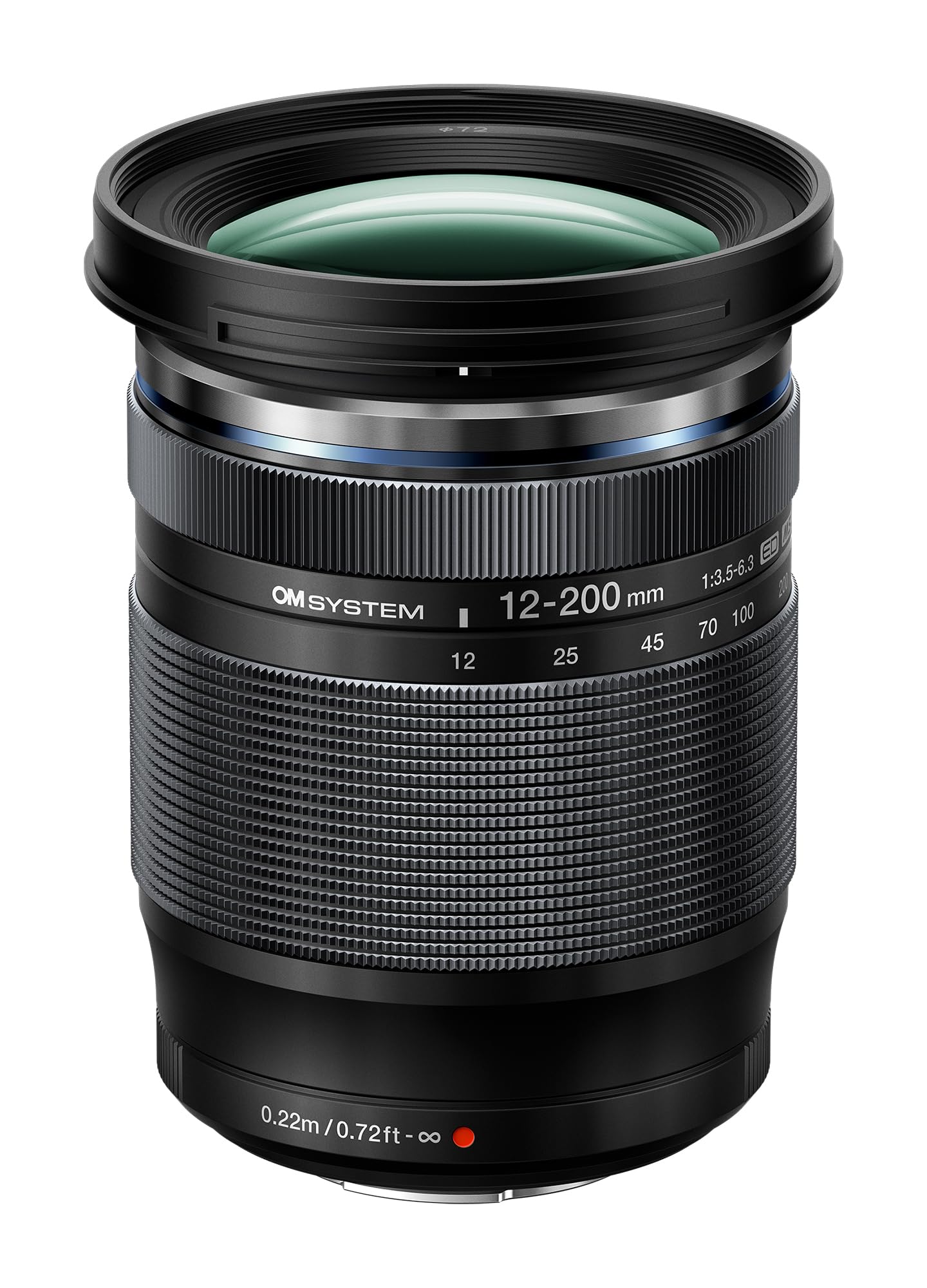
If your goal is one-lens convenience, these superzoom-style options make a lot of sense for beginners.
2. Don’t ignore the wide end
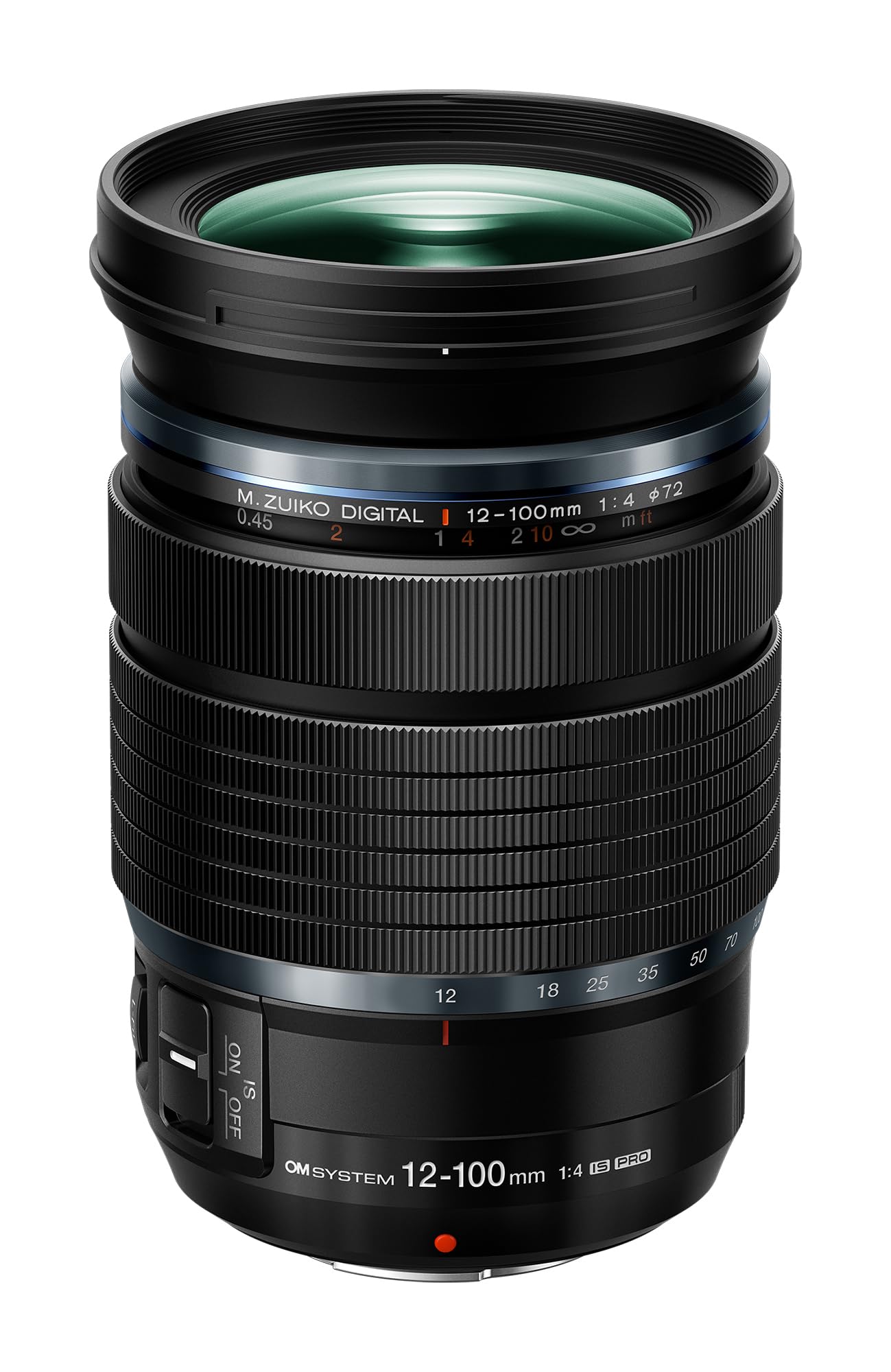
New photographers often focus on telephoto reach, but the wide end matters just as much. A lens that starts at 12mm on Micro Four Thirds, like the OM SYSTEM M.Zuiko Digital ED 12-100mm f/4 IS PRO Lens or 12-200mm, is especially useful for interiors, landscapes, city scenes, and everyday walk-around shooting. That extra width can make a lens feel much more versatile in real-world use.
By comparison, a narrower starting point can feel limiting when you’re indoors or trying to fit more of a scene into the frame. If you shoot travel, architecture, or group photos, starting wider is a major benefit.
3. Decide whether convenience or constant aperture matters more
One of the biggest tradeoffs in zoom lenses is range versus speed. Beginner superzooms usually have variable apertures, which helps keep them compact and flexible. That’s why options like the OM SYSTEM 14-150mm f/4-5.6 II, OM SYSTEM 12-200mm, and Tamron 18-300mm are so practical for daytime, travel, and general photography.
But if you want a lens that feels more premium and consistent, the OM SYSTEM M.Zuiko Digital ED 12-100mm f/4 IS PRO Lens stands out. Its constant f/4 aperture gives you more predictable exposure through the zoom range, which is helpful for both stills and video. For a beginner who wants one high-quality lens to grow into, that’s a compelling option.
4. Match the lens to your camera system
The best all-around zoom is only the best if it fits your camera and shooting style. Sony APS-C users should take a serious look at the Tamron B061 18-300mm f/3.5-6.3 Di III-A VC VXD Lens for Sony E, while Fujifilm X shooters have a dedicated version of that same highly flexible lens. Both are designed for photographers who want broad coverage in a single package.
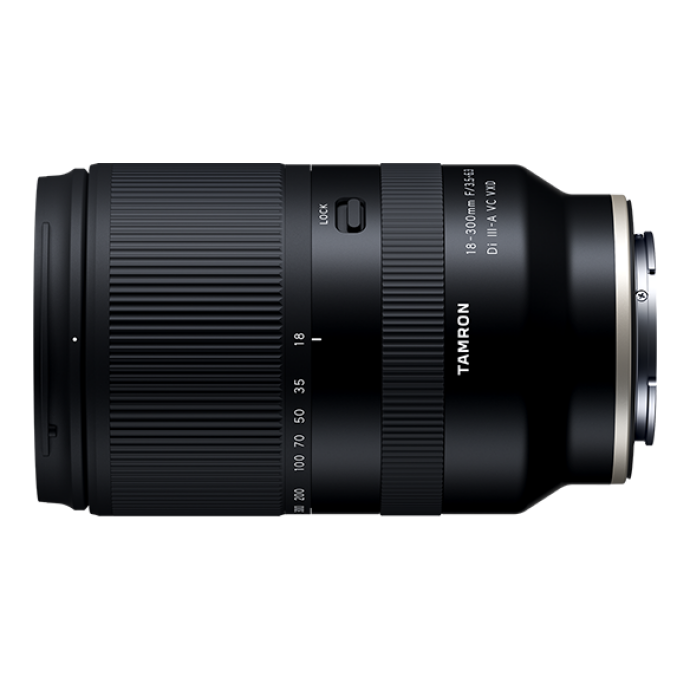
Micro Four Thirds shooters have especially strong choices in the OM System lineup, with the 14-150mm, 12-100mm f/4 PRO, and 12-200mm each serving a slightly different type of beginner. Nikon Z users looking for a more video-oriented, premium option may find the Nikon NIKKOR Z 28-135mm f/4 PZ Lens interesting, particularly if hybrid shooting is part of the plan.
5. Think about size and weight before you buy
A lens can be amazing on paper, but if it feels too large to bring along, it stops being an all-around lens. Beginners often do best with a zoom they’ll actually carry every day. That’s where lenses like the OM SYSTEM 14-150mm f/4-5.6 II shine: they offer a very practical balance of range and portability.
On the other hand, if you don’t mind carrying a bit more for upgraded optics and features, the 12-100mm f/4 PRO becomes more attractive. It’s a lens many photographers can use as their primary do-everything option for years.
6. For travel and family photography, superzooms are hard to beat
If your photography is mostly vacations, day trips, kids, pets, and casual everyday moments, a superzoom is often the easiest recommendation. The OM SYSTEM 12-200mm is particularly appealing because it covers everything from wide scenic views to long telephoto framing. The Tamron 18-300mm options for Sony and Fujifilm deliver the same kind of freedom on APS-C systems.
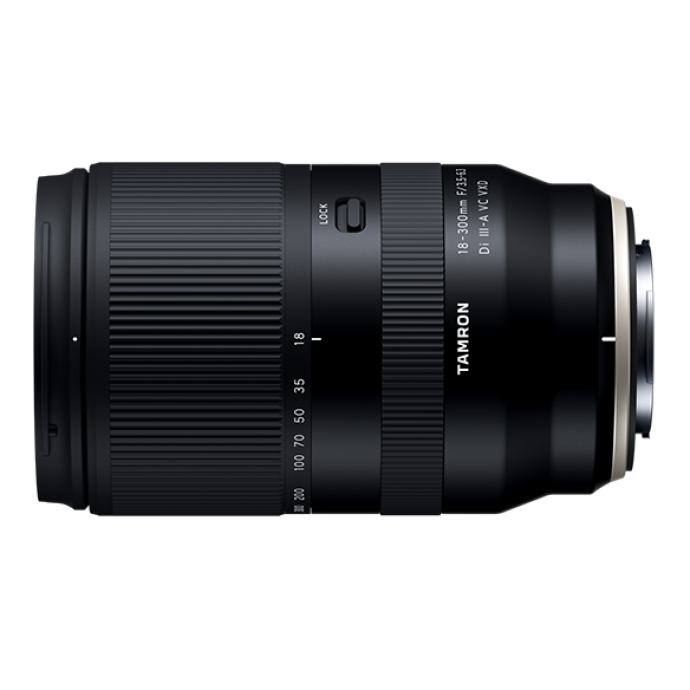
For beginners who don’t want to think too much about gear choices while shooting, these lenses keep things simple.
7. If you want room to grow, choose the better-built everyday zoom
Not every beginner wants the cheapest or longest-range option. Some want a lens they can learn with and continue using even as their skills improve. In that case, the OM SYSTEM M.Zuiko Digital ED 12-100mm f/4 IS PRO Lens is one of the strongest choices in this group. It offers a very useful focal range, a constant aperture, and a more advanced design that feels like a long-term investment rather than a temporary starter lens.
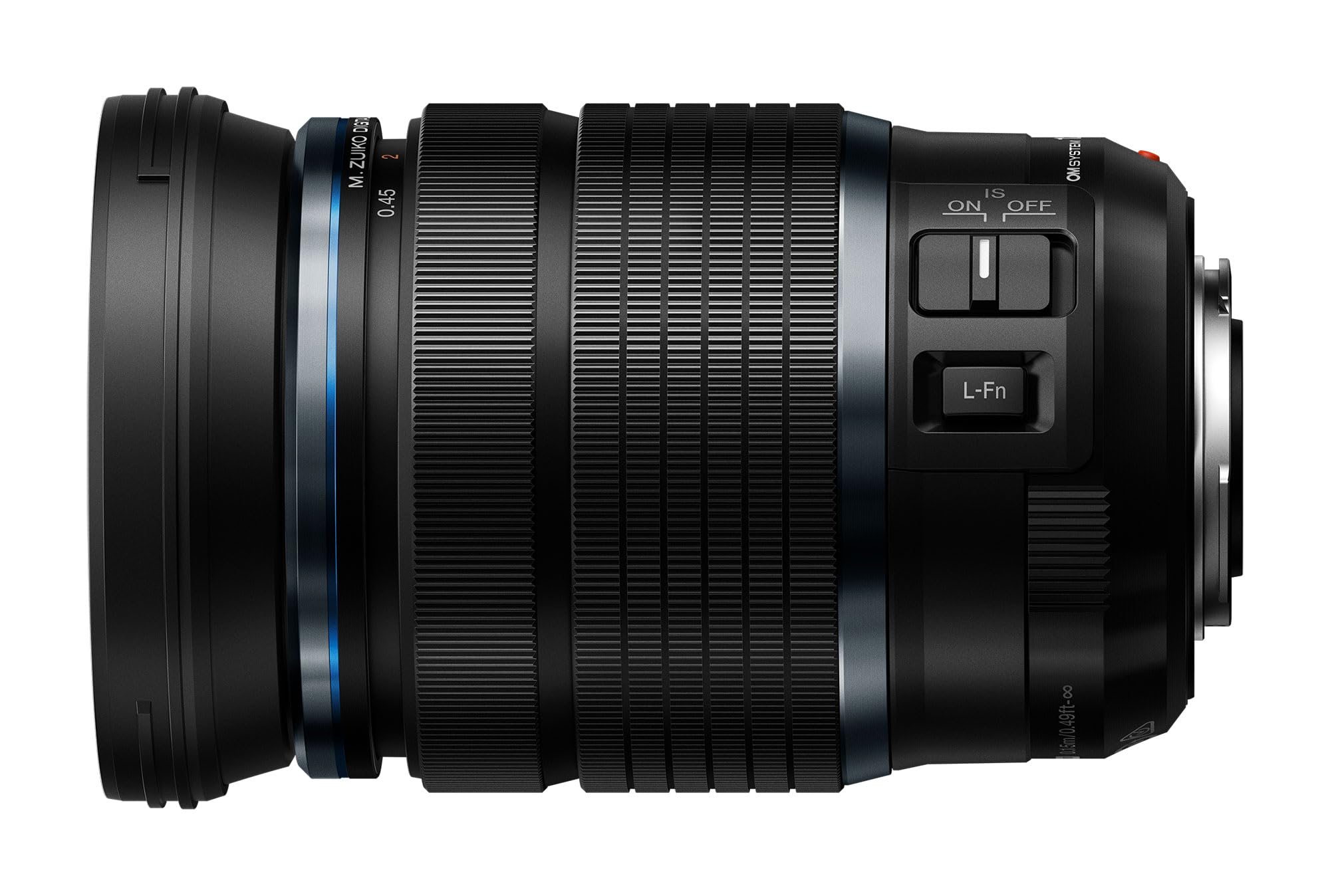
That makes it ideal for a beginner who already knows they want a dependable everyday lens with premium potential.
8. Used lenses can be smart, but they’re not always the best all-around answer
Buying used can stretch your budget, especially if you’re comfortable adapting older DSLR glass or building a specialty kit. A lens like the Used Canon EF 17-40mm F/4L USM could be attractive for wide-angle shooting, while the Used Tamron SP 70-200mm f/2.8 Di VC USD G2 for Canon EF offers excellent telephoto performance.
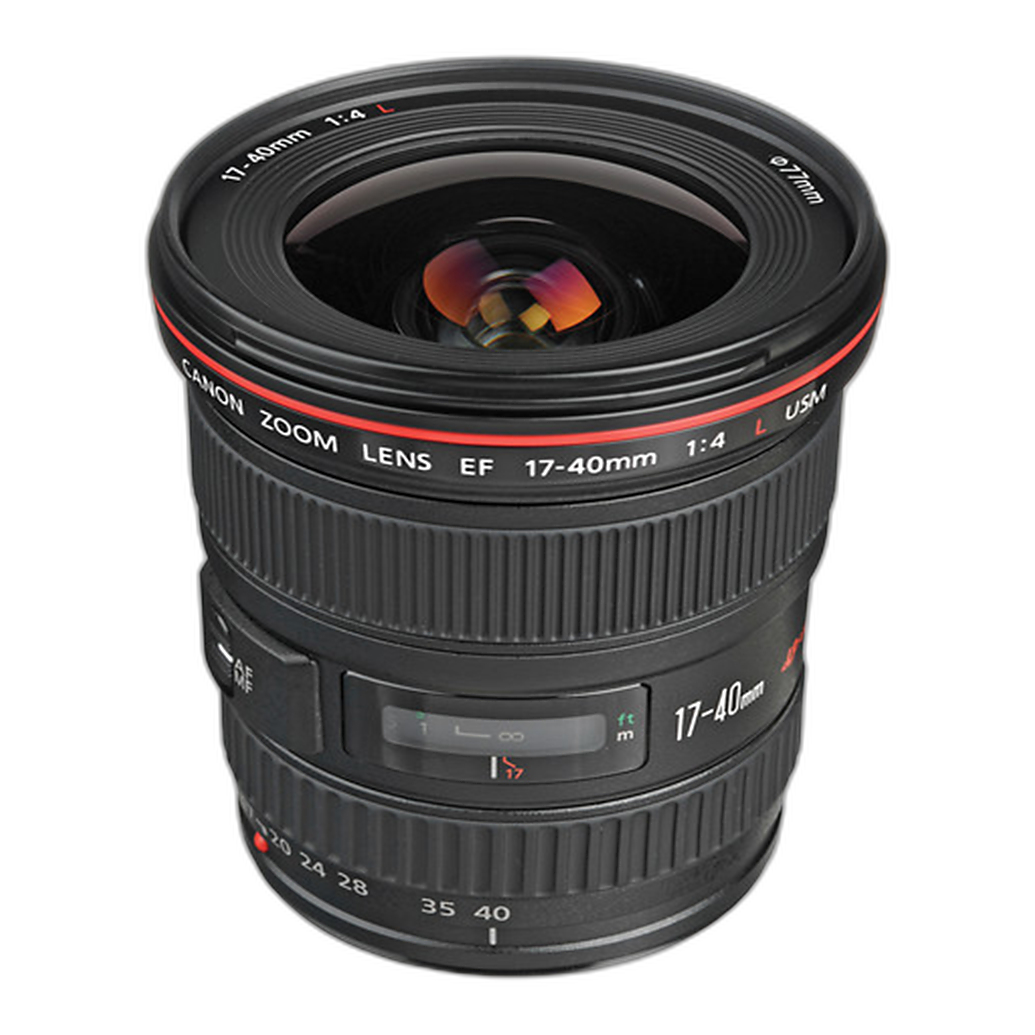
Still, neither is as simple or flexible for most beginners as a modern all-in-one zoom. They make more sense as add-on lenses than as a first all-around purchase.
9. Video shooters should pay attention to zoom handling
If you shoot a lot of video, zoom behavior matters just as much as focal length. The Nikon NIKKOR Z 28-135mm f/4 PZ Lens stands out because power zoom functionality can be a real benefit for smoother focal length changes during recording. It’s not the typical beginner stills recommendation, but for a new creator focused on hybrid content, it’s worth considering.
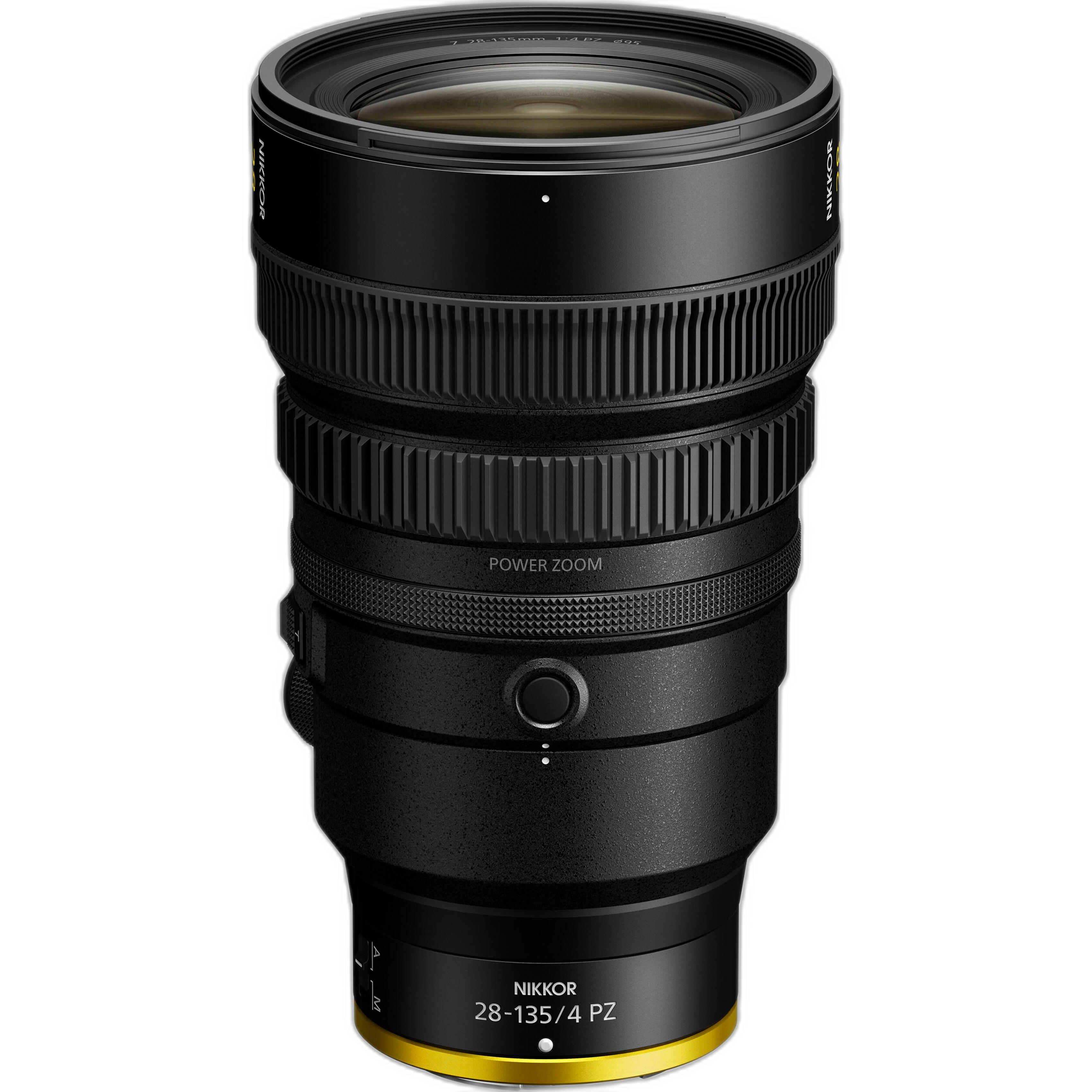
10. So, what’s the best all-around zoom for beginners?
For most beginners, the answer depends on priorities:
- Best for one-lens convenience on Micro Four Thirds: OM SYSTEM M.Zuiko Digital ED 12-200mm f/3.5-6.3 Lens
- Best premium beginner upgrade on Micro Four Thirds: OM SYSTEM M.Zuiko Digital ED 12-100mm f/4 IS PRO Lens
- Best all-in-one choice for Sony APS-C: Tamron B061 18-300mm f/3.5-6.3 Di III-A VC VXD Lens for Sony E
- Best all-in-one choice for Fujifilm X: Tamron B061 18-300mm f/3.5-6.3 Di III-A VC VXD Lens for Fujifilm X
- Best simpler compact option for OM System users: OM SYSTEM M.Zuiko Digital ED 14-150mm f/4-5.6 II Lens
If you want the easiest recommendation for a beginner who values flexibility above all else, the 12-200mm and 18-300mm style lenses are the most straightforward picks. If you want higher-end performance and a lens you can keep for a long time, the 12-100mm f/4 PRO is especially impressive.
Final Thoughts
The best beginner zoom is the one that helps you shoot more, carry less, and worry less about changing lenses. Whether you choose a broad all-in-one option like the OM SYSTEM 12-200mm or Tamron 18-300mm, or step up to the more premium OM SYSTEM 12-100mm f/4 PRO, you’ll be getting a lens designed to handle a huge range of everyday photography.
If you’re ready to compare your options and find the right fit for your camera, Unique Photo is a great place to start. A versatile zoom can make learning photography far more enjoyable, so pick one that matches your shooting style and get out there with confidence.