A good camera review does more than list specs—it helps real buyers understand what a camera feels like to use, who it suits best, and where it shines or struggles. If you’re writing your first review, think like a shopper standing between two or three tempting options. Your job is to make that decision easier. The tips below will help you create camera reviews that are practical, trustworthy, and genuinely useful for new buyers.
Start With Who the Camera Is For
1. Identify the ideal user before discussing features
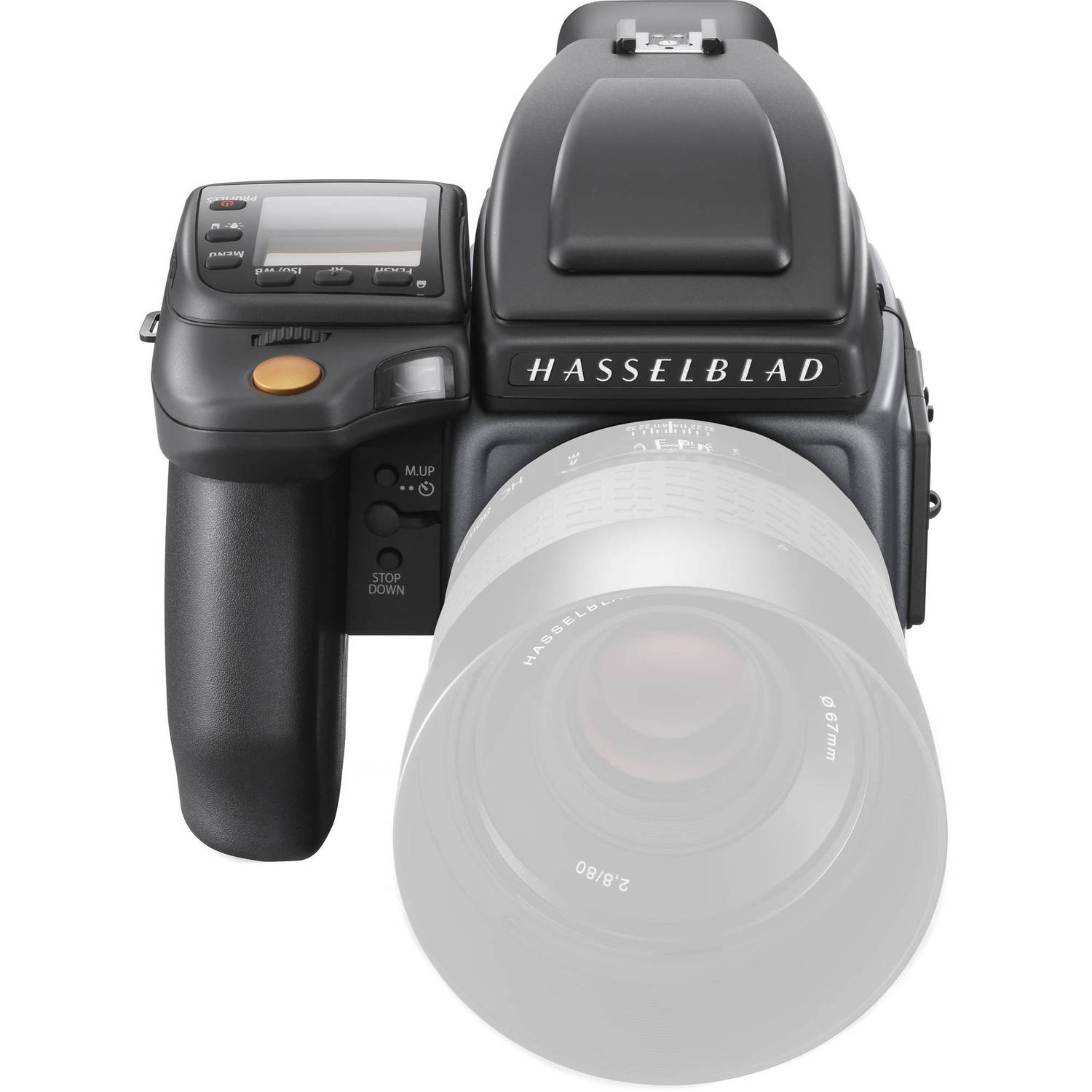
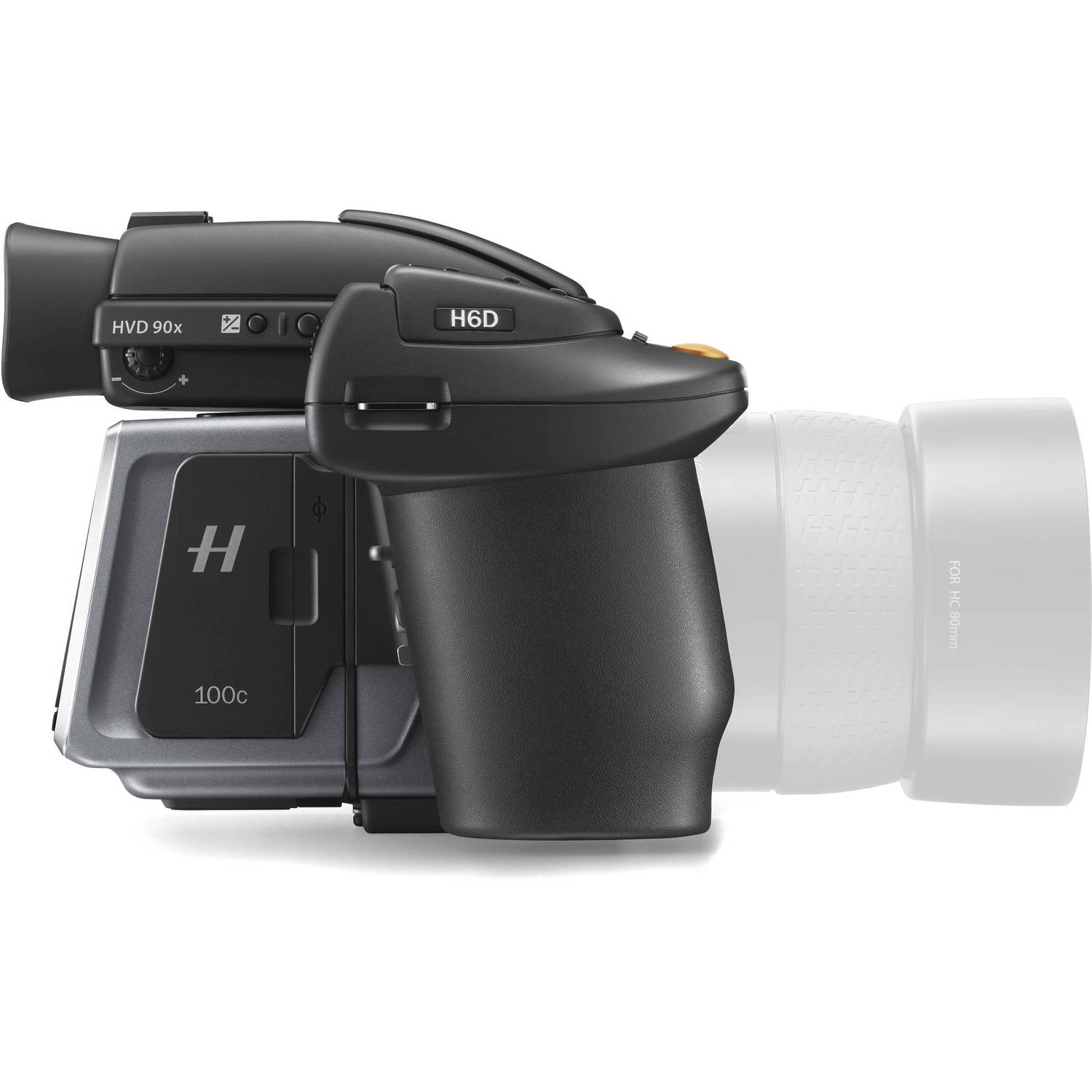
One of the most helpful things a review can do is quickly explain the intended audience. A beginner-friendly model should be described differently from a specialist or professional body. For example, the Canon EOS R10 Mirrorless Camera with 18-150mm Lens makes sense to discuss in terms of learning photography, travel convenience, and all-around flexibility, while a camera like the Hasselblad H6D Medium Format Camera should be framed around image quality demands, studio workflows, and budget realities.
When readers know whether a camera is for beginners, enthusiasts, travelers, hybrid creators, or commercial professionals, the rest of your review becomes much easier to understand.
Go Beyond the Spec Sheet
2. Explain what the specifications mean in real use
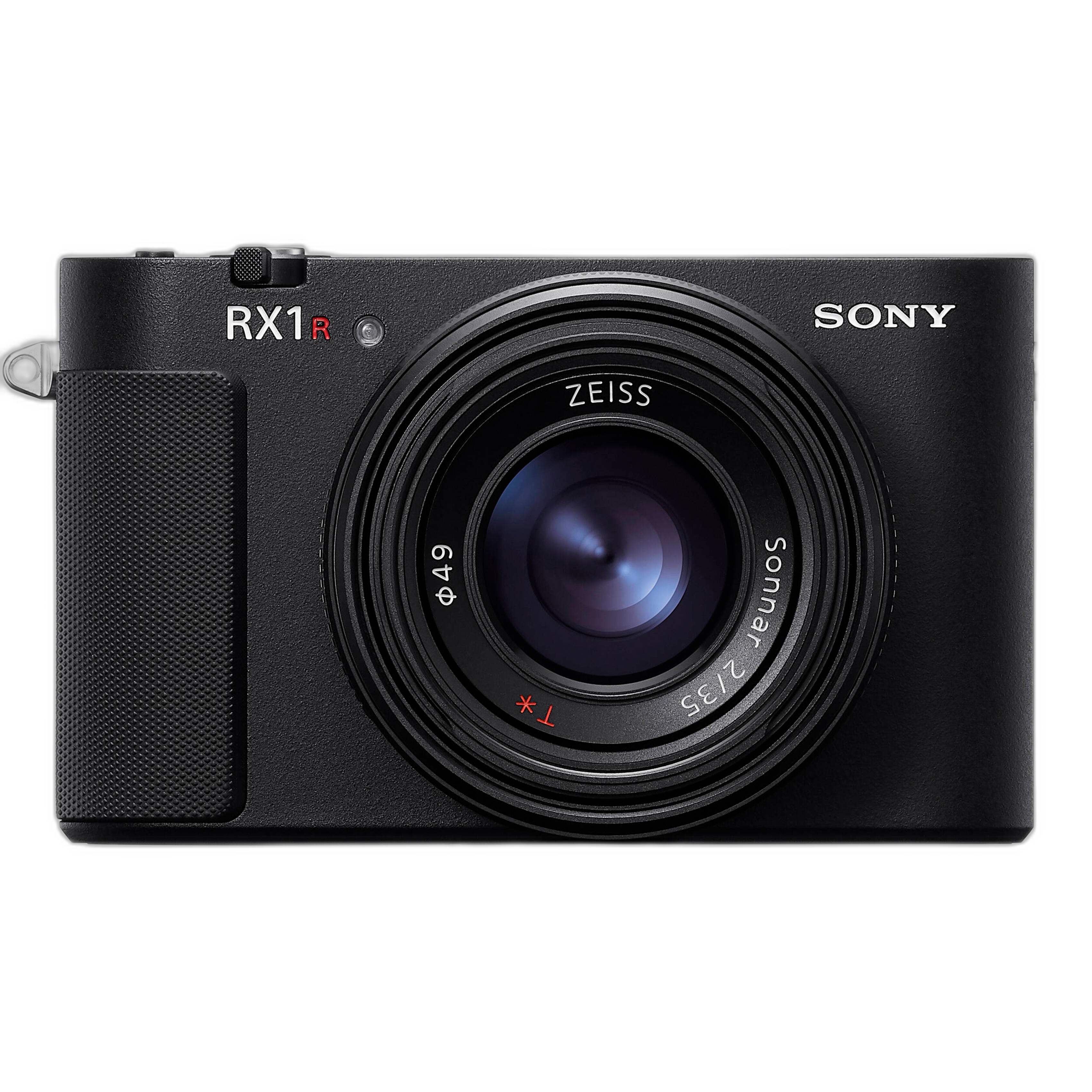
New buyers often get overwhelmed by megapixels, autofocus points, burst rates, and sensor formats. A helpful review translates those numbers into practical benefits. Instead of just saying a camera is compact and high-end, explain what that means in daily shooting. With the Sony RX1R III Premium Compact Camera, for instance, buyers would want to know whether the premium compact form actually makes it easier to carry every day and whether that convenience changes how often they shoot.
The same applies to interchangeable-lens models like the FUJIFILM X-T30 III Mirrorless Camera Body - Charcoal Silver. Rather than only listing features, explain whether it feels responsive, intuitive, and enjoyable for street photography, portraits, or casual video work.
Describe Handling Honestly
3. Tell buyers how the camera feels in the hand
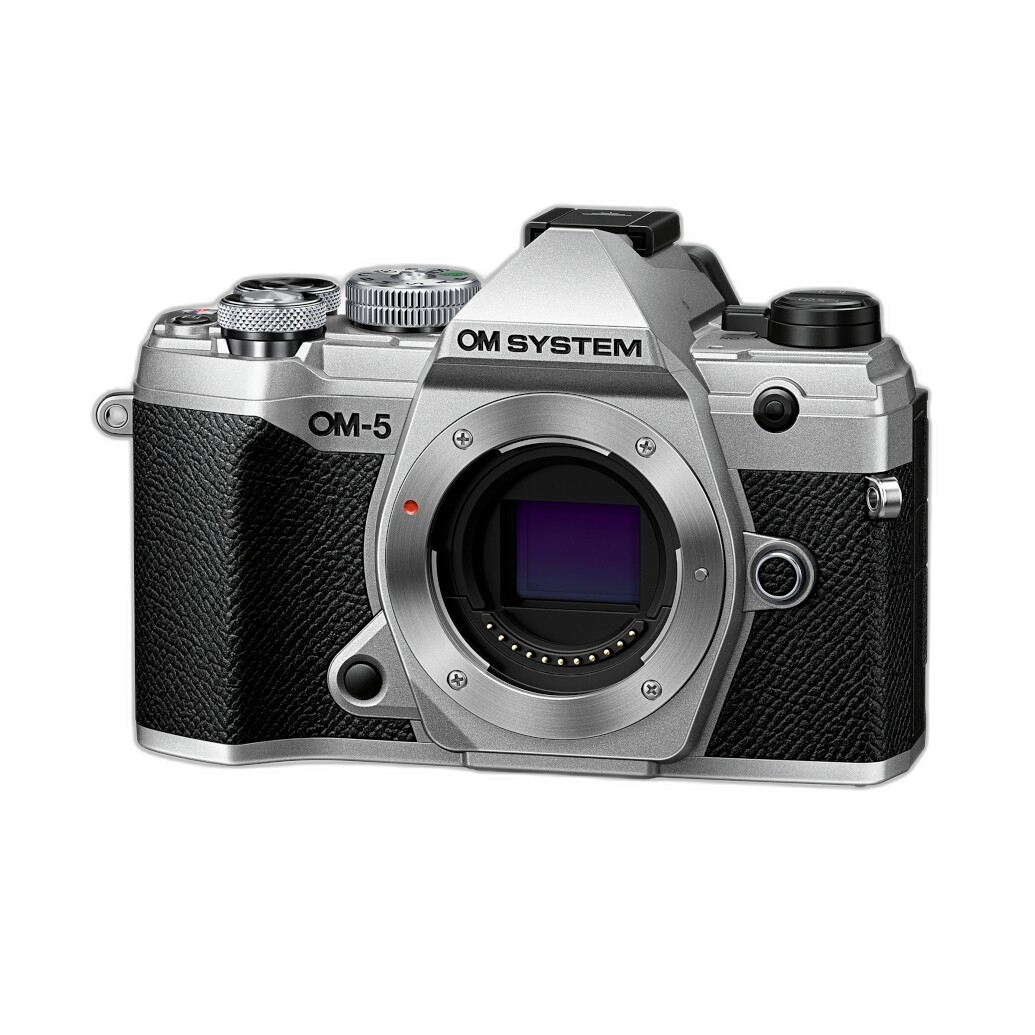
Ergonomics matter, especially for new buyers who may not realize how much comfort affects their shooting experience. Mention grip depth, button layout, menu logic, viewfinder usability, and overall balance. The OM SYSTEM OM-5 Mirrorless Camera, for example, may appeal to buyers looking for a lighter system, so a useful review would discuss portability and how comfortable it is during longer outings.
If you’re reviewing a kit such as the FUJIFILM X-T30 III Mirrorless Camera Body with XC13-33mm Lens Kit, include how the lens changes the balance and whether the setup still feels compact enough for everyday use. This kind of observation is often more valuable than another line of technical data.
Use Real-World Shooting Scenarios
4. Test the camera in situations buyers actually care about
The most useful reviews connect features to real scenarios: family events, travel, low-light interiors, sports, portraits, streaming, or content creation. If a camera performs well in one area but not another, say so clearly. For instance, a review of the Canon EOS R10 becomes more helpful when you explain how it performs for school events, vacations, or beginner wildlife shooting with the included 18-150mm lens.
Likewise, if you’re reviewing the FUJIFILM X-T30 III, tell readers whether it feels better suited to creative everyday photography than to fast-paced action. Context helps buyers match the camera to their own lives.
Be Clear About Image Quality Expectations
5. Compare image quality in a way beginners can understand
Many new buyers don’t know how to interpret image quality claims, so avoid vague praise like “excellent files” without explanation. Describe color, dynamic range, detail, and low-light results in simple terms. A camera like the Hasselblad H6D Medium Format Camera deserves a review that carefully explains why medium format image quality matters and who will actually benefit from it.
On the other hand, for something like the Canon EOS R10 or OM SYSTEM OM-5, it may be more useful to explain whether image quality is more than enough for prints, social media, family albums, and creative growth. The goal is not just to rank cameras, but to help buyers set realistic expectations.
Talk About Lenses and System Growth
6. Remind buyers they are choosing into a system
A camera body is only part of the buying decision. New shoppers benefit when reviews mention lens availability, upgrade paths, and system flexibility. If you review the FUJIFILM X-T30 III Mirrorless Camera Body with XC13-33mm Lens Kit, talk about whether the included lens gives a strong starting point and what kinds of lenses a buyer might add next.
Similarly, the Canon EOS R10 Mirrorless Camera with 18-150mm Lens is a natural example of a camera that can serve as a practical entry into a broader system. That kind of guidance helps readers think long-term instead of focusing only on the first purchase.
Cover Video and Streaming When Relevant
7. Mention non-photo uses if the camera fits them
Today’s buyers may need a camera for more than stills. If a model has clear use in live production, streaming, education, or worship environments, your review should say so. The Canon CR-N350 PTZ Camera - Black and JVC KY-PZ200N HD NDI HX PTZ Remote Camera with 20x Optical Zoom are perfect examples where buyers need information about remote control, install flexibility, zoom range, and production workflow more than traditional photography talking points.
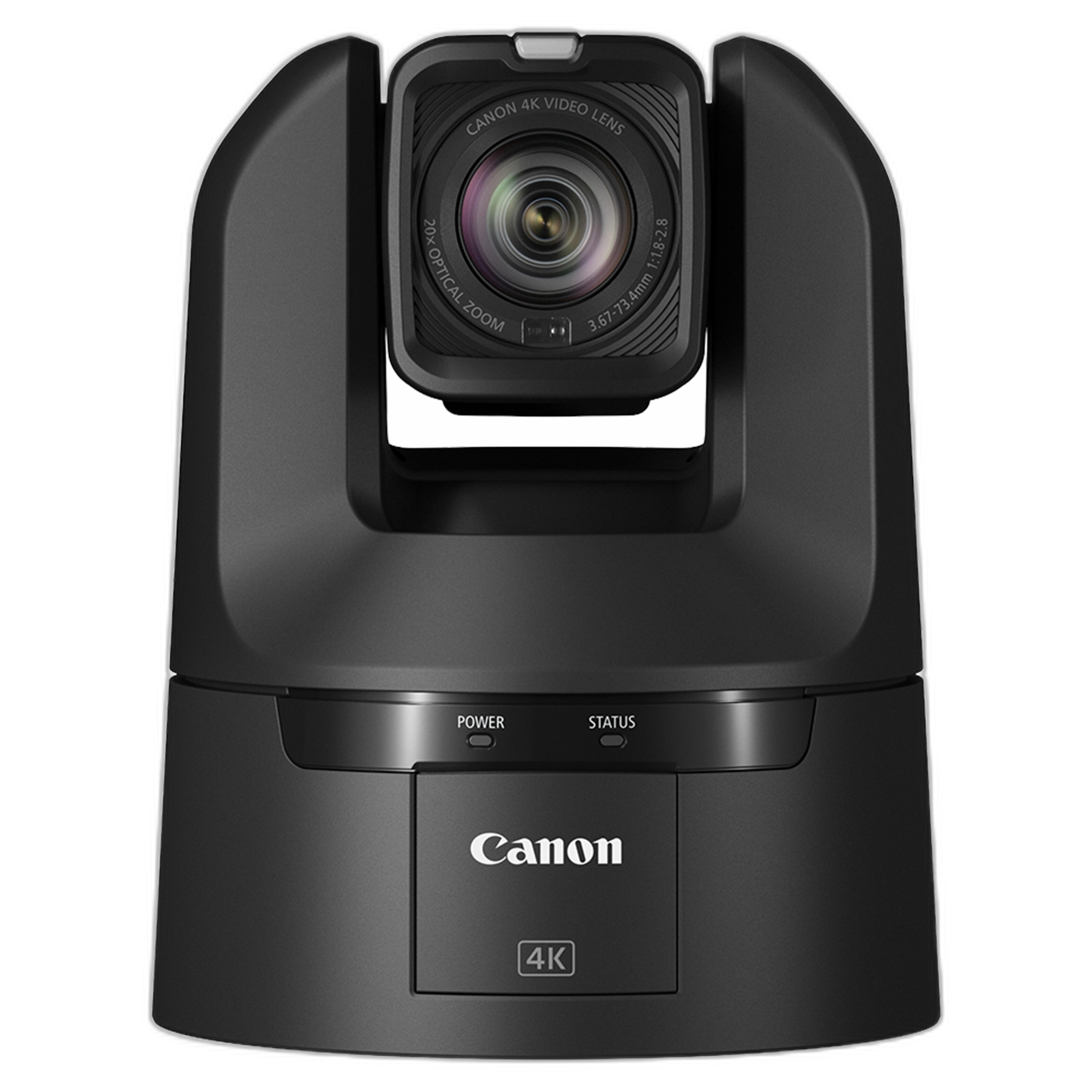
If you’re reviewing PTZ cameras, be clear that the audience is very different from someone shopping for a travel mirrorless body. That distinction alone can make your review far more useful.
Be Honest About Weaknesses
8. Include limitations without turning the review negative
Trustworthy reviews don’t pretend every camera is perfect. Mention trade-offs calmly and fairly. A compact camera may have premium quality but less flexibility than an interchangeable-lens system. A high-resolution or medium format body may offer stunning files but demand more budget, storage, and experience. A smaller mirrorless body may be easy to carry but less comfortable with larger lenses.
For example, if discussing the Sony RX1R III, readers would benefit from knowing both the appeal of the premium compact design and the practical limitations that come with that format. Honest trade-offs make a review believable.
Compare Without Overcomplicating
9. Give simple comparisons to likely alternatives
Most buyers are not choosing from every camera on the market—they are deciding between a few similar options. A useful review should acknowledge that. Compare cameras by purpose, not just by specs. The OM SYSTEM OM-5, Canon EOS R10, and FUJIFILM X-T30 III could all appeal to enthusiasts, but each offers a different experience in portability, lens ecosystem, and shooting style.
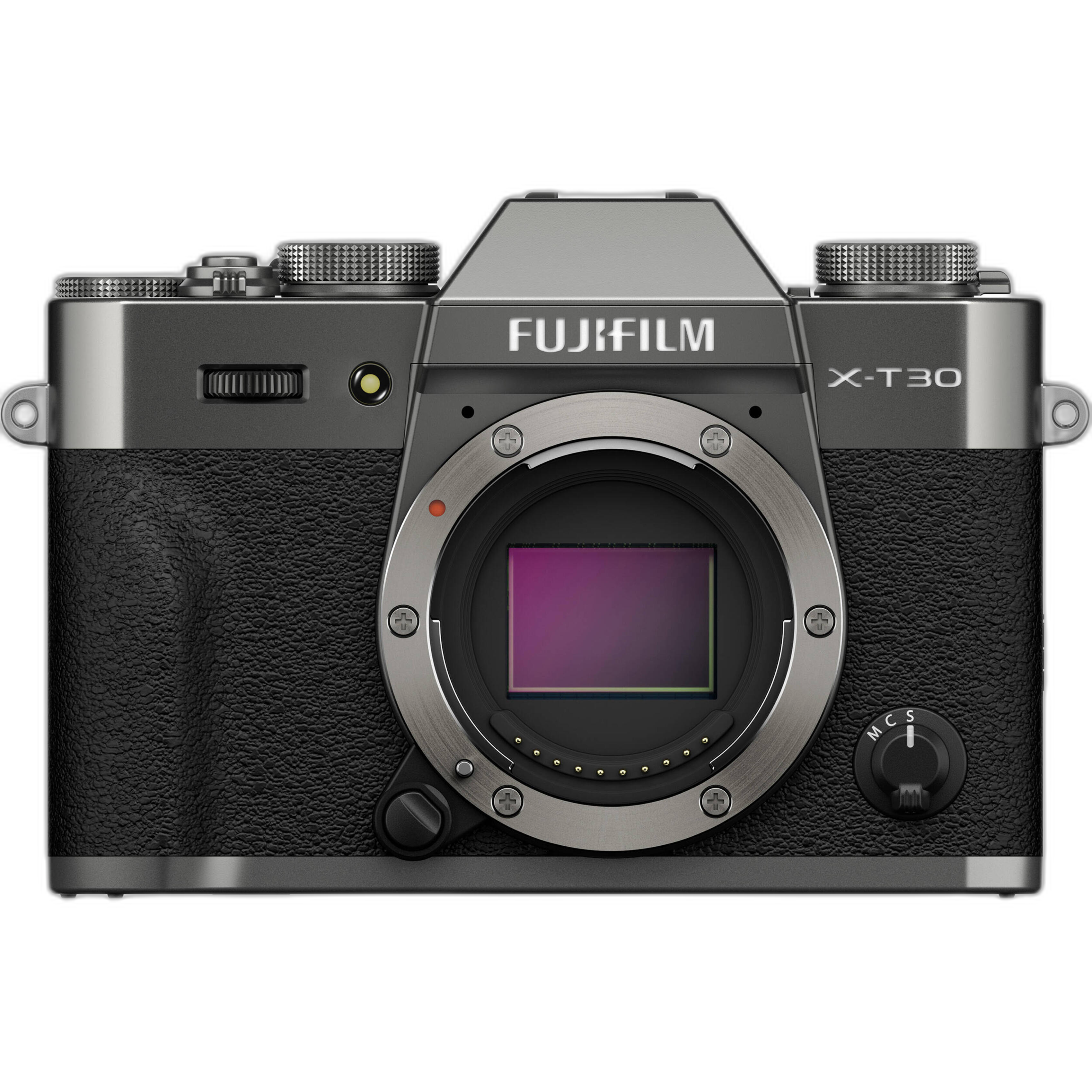
Simple side-by-side context helps new buyers narrow their decision without feeling buried in technical jargon.
Use Clear Photos and Structured Notes
10. Make your review easy to scan
Even excellent insights can get lost in a wall of text. Organize your review so readers can quickly find sections on handling, autofocus, image quality, video, lens options, and value. Include sample photos if available, and write short, direct conclusions after each section. Product images can also help readers connect with the camera visually while reading.
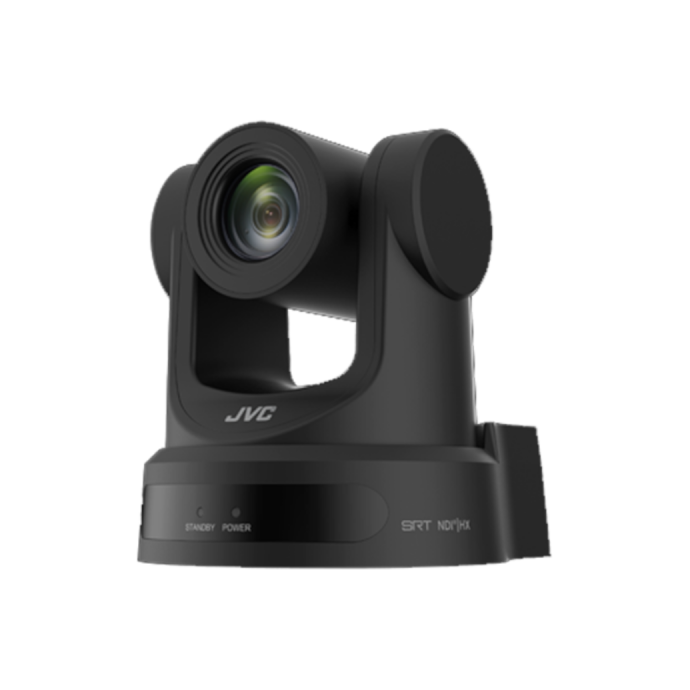
If your review is easy to scan, it becomes more useful to buyers who are comparing models on a deadline.
Conclusion
Helpful camera reviews answer the question behind the specs: Is this the right camera for me? If you focus on audience, real-world use, handling, image quality, system value, and honest trade-offs, your review will be far more useful to new buyers. Whether you’re discussing a beginner-friendly option like the Canon EOS R10, a stylish enthusiast body like the FUJIFILM X-T30 III, or a specialized tool like the Canon CR-N350, clear and practical writing goes a long way. For photographers and creators researching their next purchase, Unique Photo is a great place to explore cameras, compare options, and keep learning.