Best 4K Mirrorless Cameras for Indie Filmmaking in 2024
For indie filmmakers, the best mirrorless camera is rarely just about resolution. What matters is the balance of 4K video quality, stabilization, portability, lens ecosystem, workflow flexibility, and price. In this comparison, we’re looking at four relevant options from the currently available products list: the Sony a7R VI, OM SYSTEM OM-5, Used Nikon Zf with 40mm f/2 SE Lens, and Used Panasonic LUMIX S9. These cameras span full-frame and Micro Four Thirds formats, new and used buying options, and very different approaches to filmmaking.
If you’re building a compact cinema-friendly setup for narrative shorts, documentaries, music videos, or social-first branded content, this head-to-head should help clarify which model fits your production style best.
Side-by-Side Specs Comparison
| Camera | Sensor Format | 4K Video Appeal for Filmmakers | Stabilization | Form Factor | Best For |
|---|---|---|---|---|---|
| Sony a7R VI | Full-Frame | High-end hybrid performance with strong detail and premium Sony ecosystem support | In-body image stabilization | Advanced full-frame mirrorless body | Indie filmmakers who need a do-it-all production and stills camera |
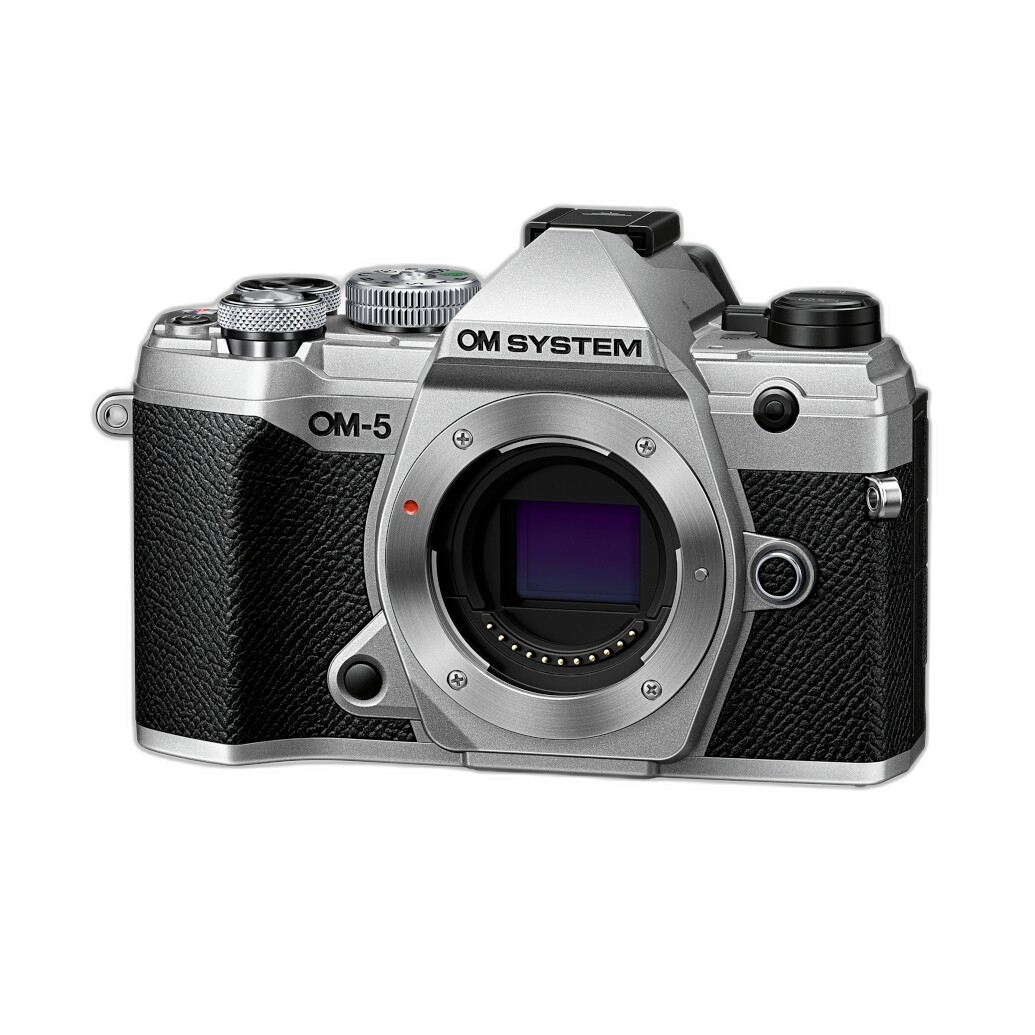
| OM SYSTEM OM-5 | Micro Four Thirds | Strong 4K usability in a very compact body with travel-friendly handling | In-body image stabilization | Lightweight, compact mirrorless body | Run-and-gun creators, travel filmmakers, and documentary shooters |
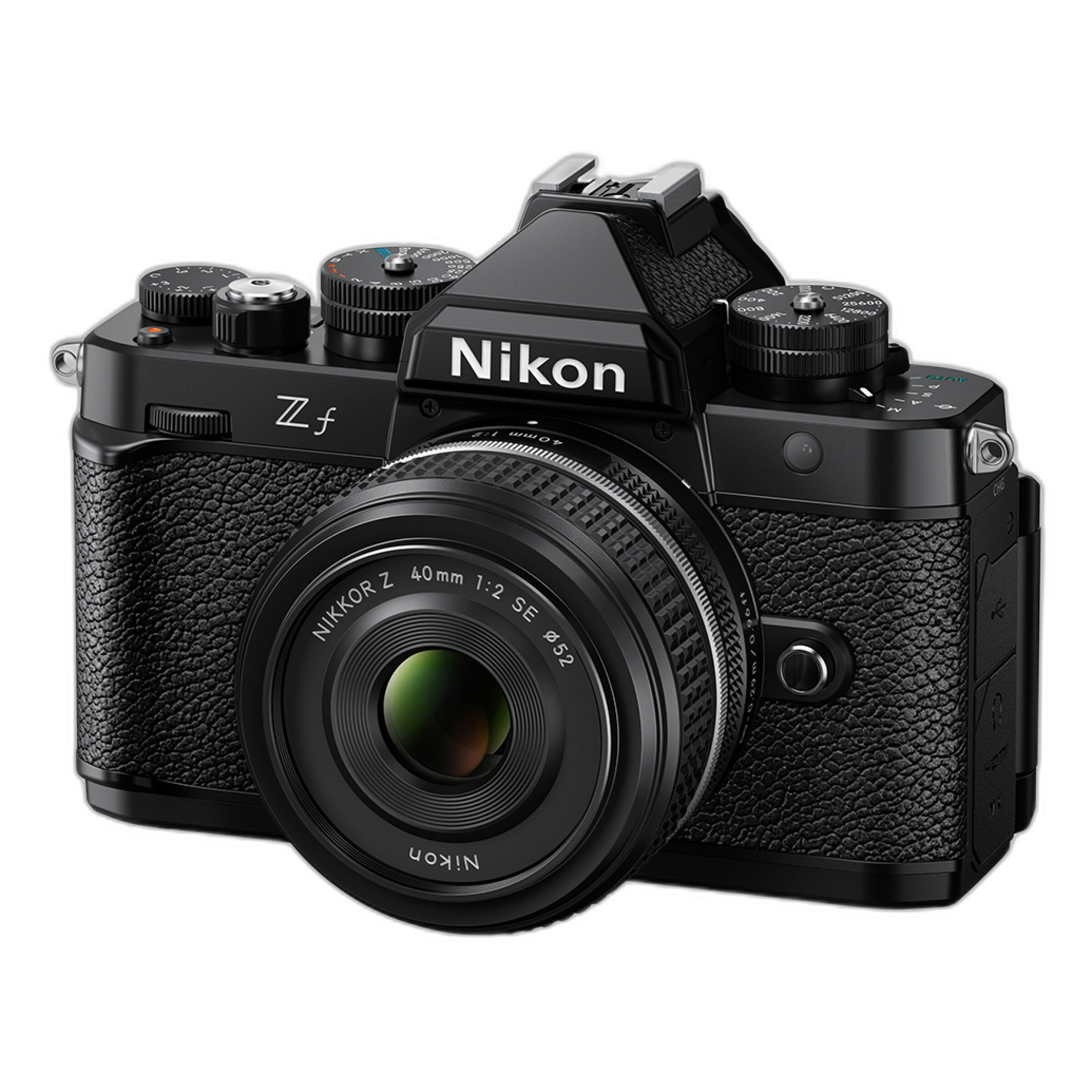
| Used Nikon Zf + 40mm f/2 SE | Full-Frame | Cinematic full-frame look paired with tactile controls and included lens value | In-body image stabilization | Retro-styled hybrid body | Filmmakers who prioritize aesthetics, full-frame rendering, and value |
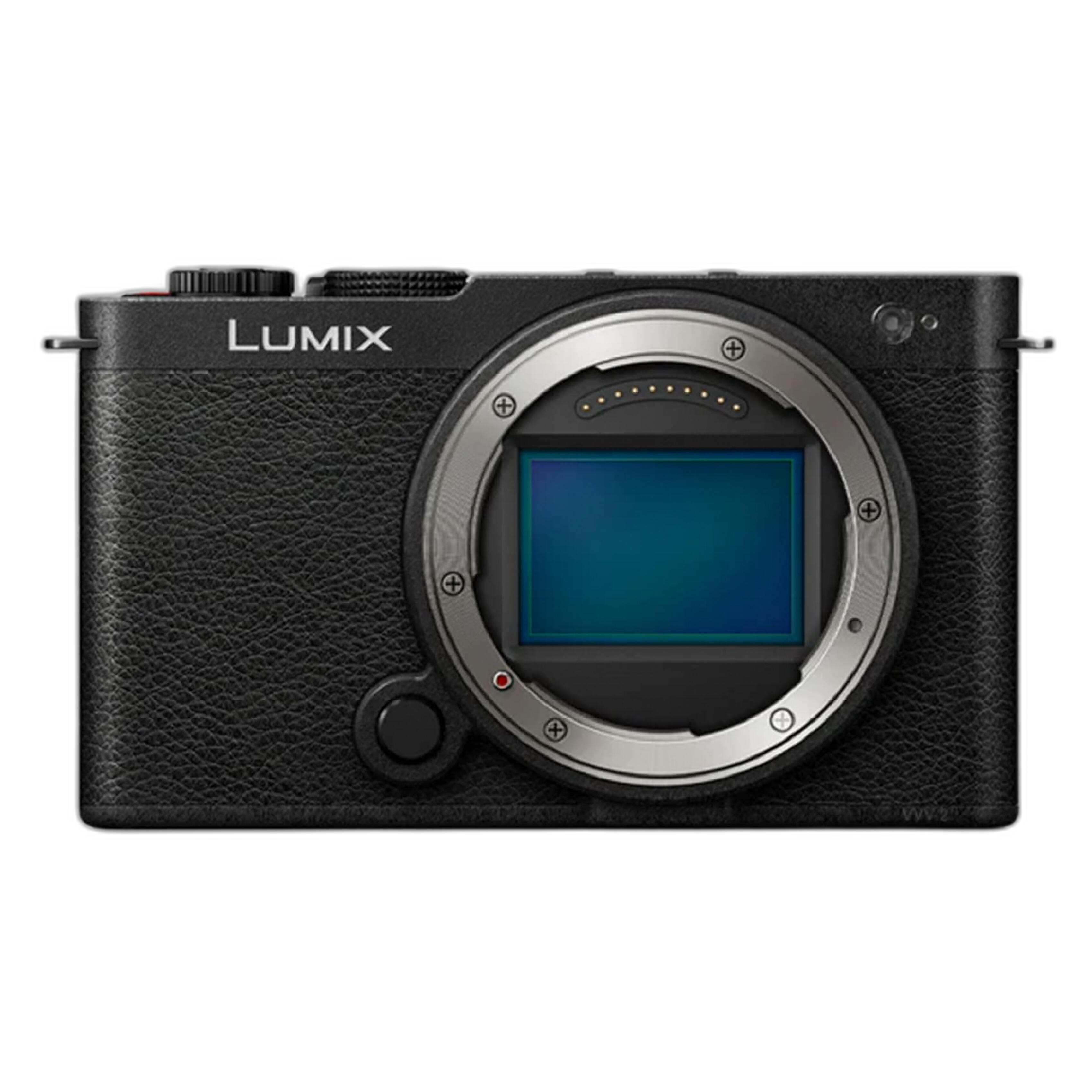
| Used Panasonic LUMIX S9 | Full-Frame | Compact full-frame video-oriented option for creators who want a small package | In-body image stabilization | Ultra-compact full-frame mirrorless body | Solo shooters, gimbal users, and compact cinema kit builders |
Category-by-Category Analysis
Best Overall Image Potential
The Sony a7R VI stands out as the most ambitious camera in this group for filmmakers who want premium full-frame output and a body that can pull double duty for both video and high-end photography. For indie production work, that matters when one camera has to cover key art, behind-the-scenes stills, promo imagery, and polished 4K footage. Sony’s ecosystem is also a major advantage, especially if you plan to expand into dedicated video lenses, wireless audio, monitoring, or multi-camera workflows.
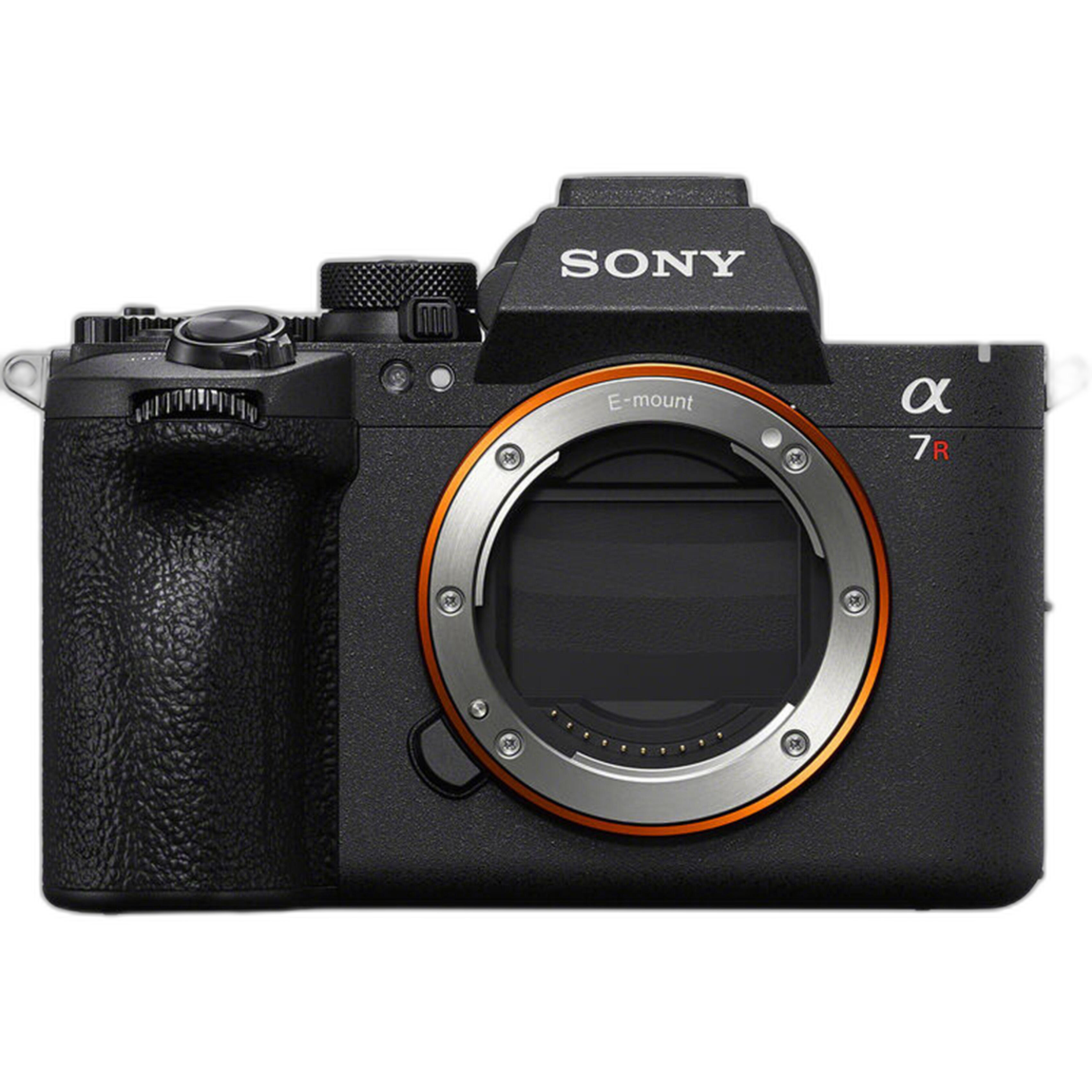
The tradeoff is that this is likely the most premium and potentially most expensive path of the group. For filmmakers who want the strongest long-term system investment and a high-end hybrid platform, though, it’s the camera here with the broadest ceiling.
Best Portability for Run-and-Gun Filmmaking
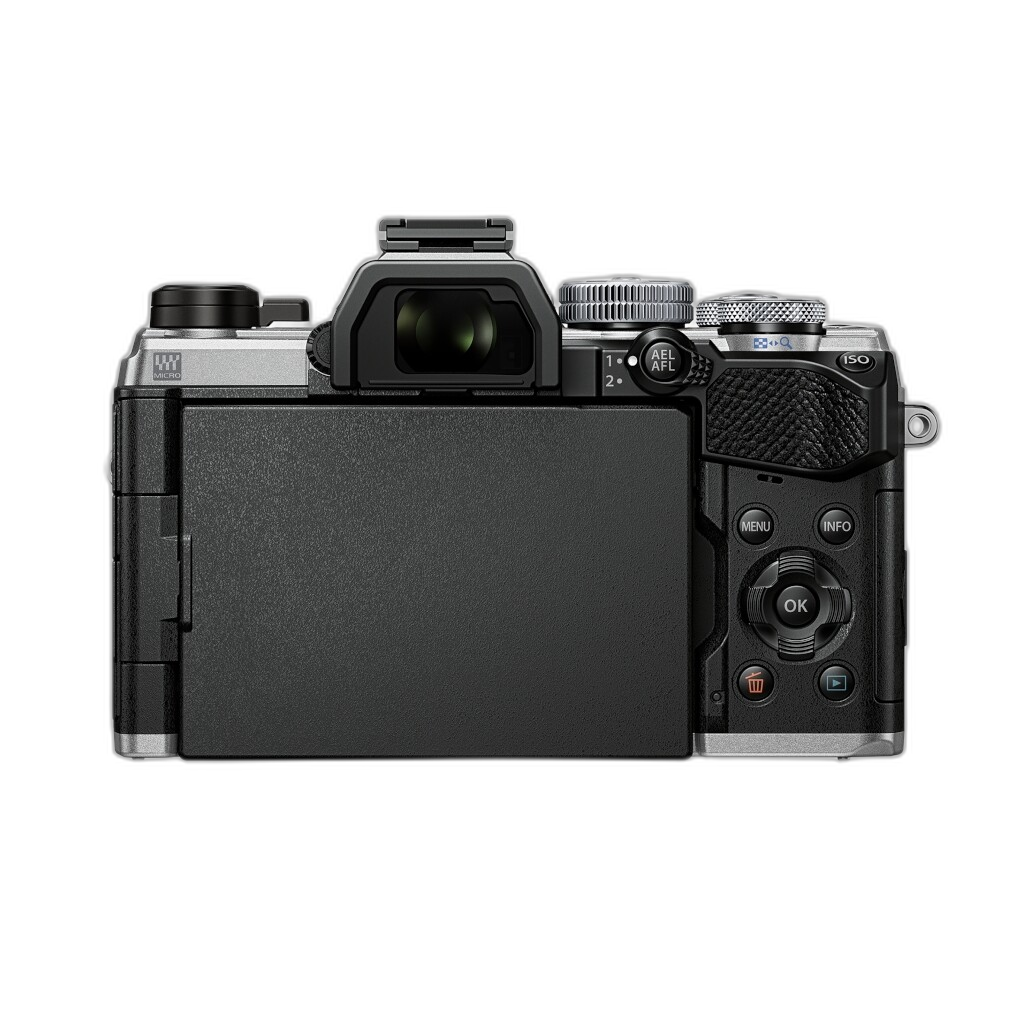
The OM SYSTEM OM-5 is the practical underdog for indie filmmaking. While Micro Four Thirds doesn’t deliver the same shallow depth-of-field look as full-frame by default, the format offers real advantages: smaller lenses, lighter rigs, and easier handheld shooting. That makes the OM-5 especially appealing for documentary projects, travel films, guerrilla filmmaking, and creators who need to stay mobile for long production days.
Its compact body is a serious advantage if your filmmaking style involves hiking locations, shooting in crowds, or building a minimal rig. If your priority is getting stable, usable 4K footage without a heavy setup, the OM-5 is one of the smartest choices in this comparison.
Best Value for a Cinematic Full-Frame Look
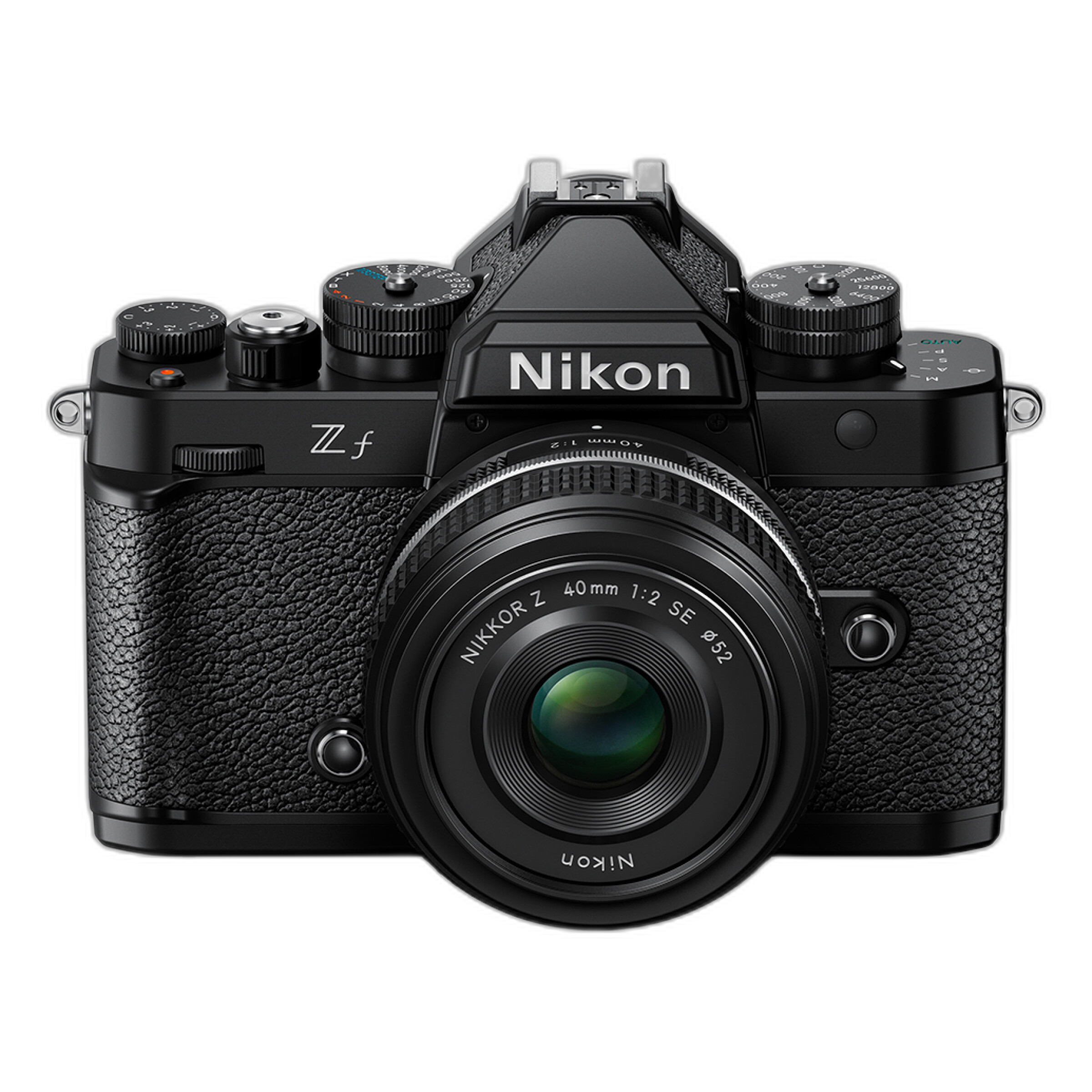
The Used Nikon Zf with 40mm f/2 SE Lens is arguably the most interesting value play here. Because it includes a fast normal prime, it offers indie filmmakers an immediate starting point for narrative work, interviews, and atmospheric handheld shooting. A 40mm f/2 full-frame look can be especially appealing for filmmakers chasing a naturalistic, cinematic field of view without spending extra on a starter lens right away.
The Zf also has strong appeal for creators who like tactile controls and a more deliberate shooting experience. That won’t matter to everyone, but for small crew productions and directors who want a camera that feels inspiring to use, it can be a meaningful advantage. Buying used can also free up budget for audio, lighting, storage, or support gear, all of which often improve indie films more than a spec bump alone.
Best Compact Full-Frame Option for Solo Creators
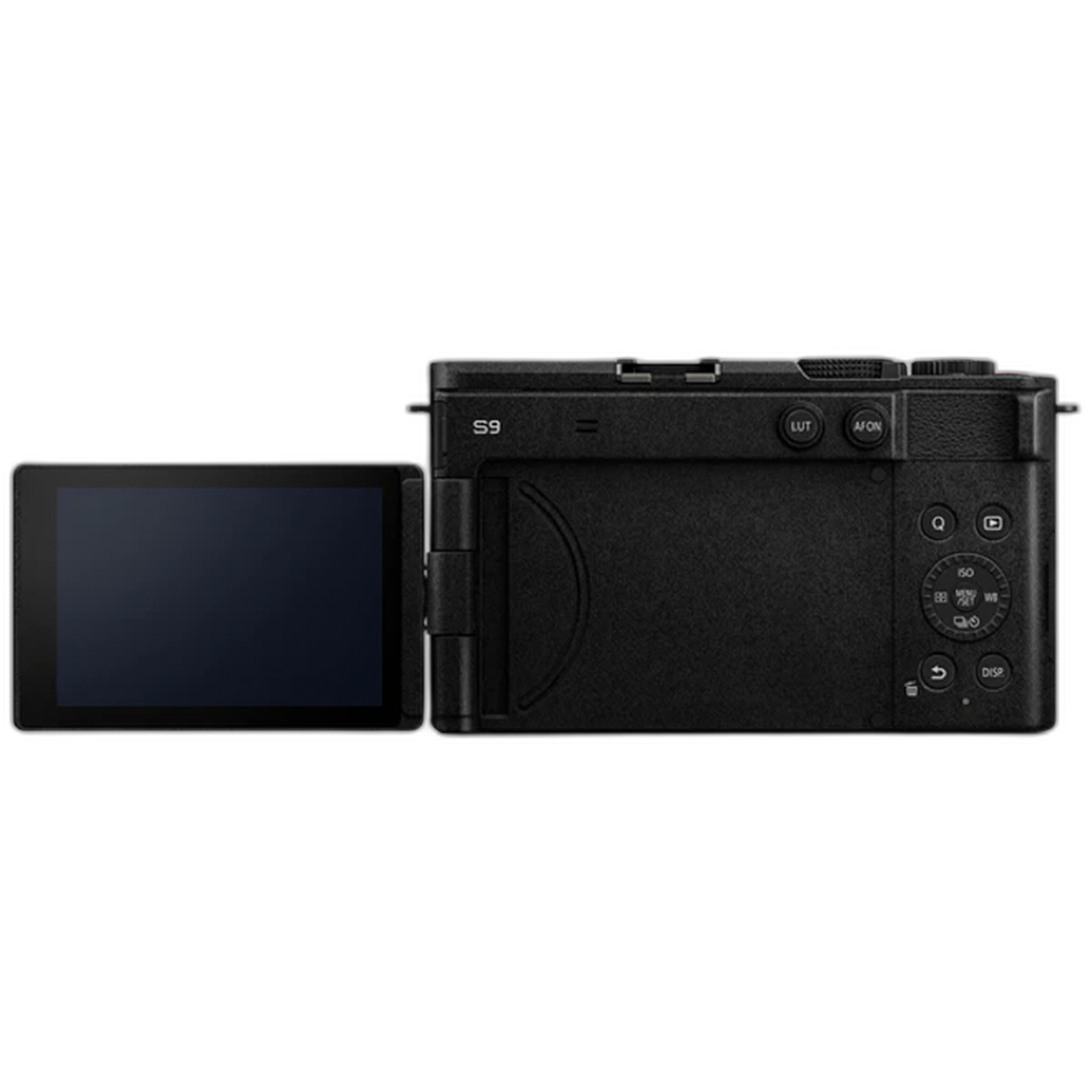
The Used Panasonic LUMIX S9 makes a strong case for filmmakers who want full-frame imaging in an especially compact body. For solo operators, gimbal shooters, and content creators moving between vertical and horizontal deliverables, a smaller body can make production much easier. It’s also appealing for anyone building a discreet kit for street-style documentary work or travel filmmaking.
Panasonic has long been associated with video-friendly tools and workflows, so even in a compact body, the S9 is a camera many filmmakers will naturally look at first when video is the priority. If your style is lean, mobile, and creator-driven rather than rig-heavy and crew-based, the S9 is one of the most compelling options in the lineup.
Lens Ecosystem and Expansion Potential
For indie filmmaking, the camera body is only part of the equation. Lens options shape your look, your portability, and your budget. Sony has one of the deepest ecosystems in the business, which gives the a7R VI a major advantage for long-term growth. That flexibility becomes even more attractive when you consider premium creative glass like the Zeiss Batis 18mm f/2.8 AF lens for Sony Full Frame E-Mount Cameras, an excellent kind of lens pairing for establishing shots, architecture, gimbal work, and dramatic wide-angle sequences.
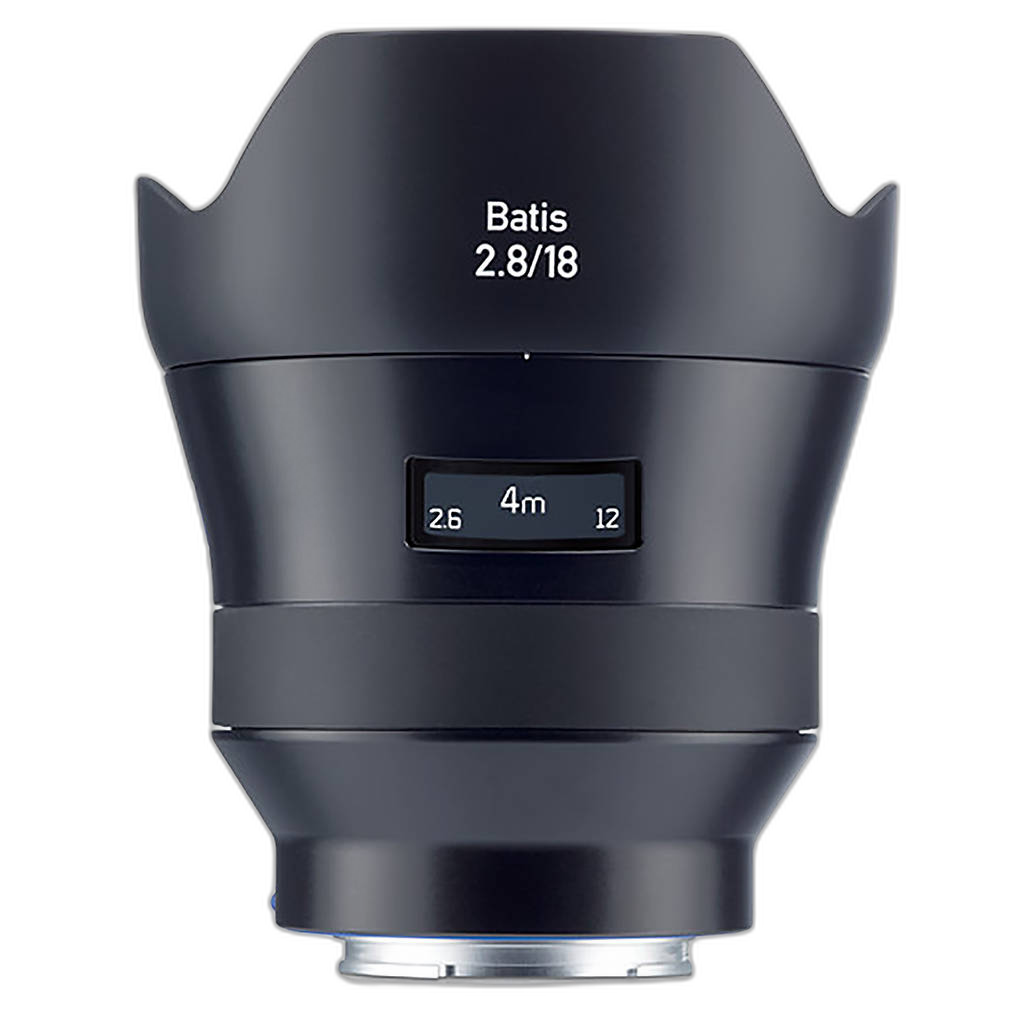
The OM-5 benefits from the compactness of the Micro Four Thirds lens ecosystem, Nikon Z continues to grow with strong optical options, and Panasonic’s L-mount opens the door to a broad mix of lenses as well. But for sheer breadth and indie-friendly adaptability, Sony remains especially appealing.
Handling, Rigging, and Real-World Production Use
If you expect to shoot handheld for long stretches, the OM-5 and LUMIX S9 are especially attractive due to their compact size. If you want a body that can anchor a more advanced production kit with external accessories and broader professional system support, the Sony a7R VI is the safer bet. The Nikon Zf sits in the middle: stylish, capable, and highly appealing, though its retro-first design may suit some filmmakers better than others depending on how often they rig up with cages, monitors, and external accessories.
For indie productions, portability can directly affect how often you bring the camera, how quickly you get setups, and how much fatigue builds over a shoot day. Don’t underestimate that factor.
Our Pick
Our Pick: Sony a7R VI Mirrorless Camera
If you want the best overall 4K mirrorless camera for indie filmmaking in 2024 from this group, the Sony a7R VI is the strongest recommendation. It offers the best combination of premium full-frame image potential, system depth, hybrid versatility, and long-term growth. For filmmakers who shoot short films, commercial work, music videos, and client projects, it’s the model most likely to keep up as your productions become more demanding.
Best budget-conscious value pick: Used Nikon Zf with 40mm f/2 SE Lens
Best lightweight run-and-gun pick: OM SYSTEM OM-5
Best compact full-frame creator pick: Used Panasonic LUMIX S9
Conclusion
The best indie filmmaking camera depends on how you shoot. If you want the most expansive system and highest-end all-around capability, go with the Sony a7R VI. If mobility is your top concern, the OM SYSTEM OM-5 is a smart and efficient tool. If you want strong full-frame value with a lens included, the Used Nikon Zf is especially compelling. And if you want a small full-frame camera for agile solo production, the Used Panasonic LUMIX S9 deserves a close look.
Whichever direction you go, Unique Photo is a great place to compare mirrorless cameras, lenses, and filmmaking gear to build a setup that matches your creative workflow.