Sony’s Lens Compare Beta can be a helpful starting point when you’re trying to pick a zoom lens for portrait work, especially if you want to compare sharpness, focal lengths, and rendering side by side. But as many photographers quickly realize, portrait choices are rarely made on charts alone. Real-world value, working distance, background compression, lighting control, and how a lens feels during an actual session often matter just as much as what a comparison tool shows on screen.
If you’re using the Beta to narrow down portrait zoom options, these tips can help you read the results more intelligently and make a better buying decision.
Start With Focal Length Before Pixel Peeping
1. Decide what portrait framing you actually shoot most often
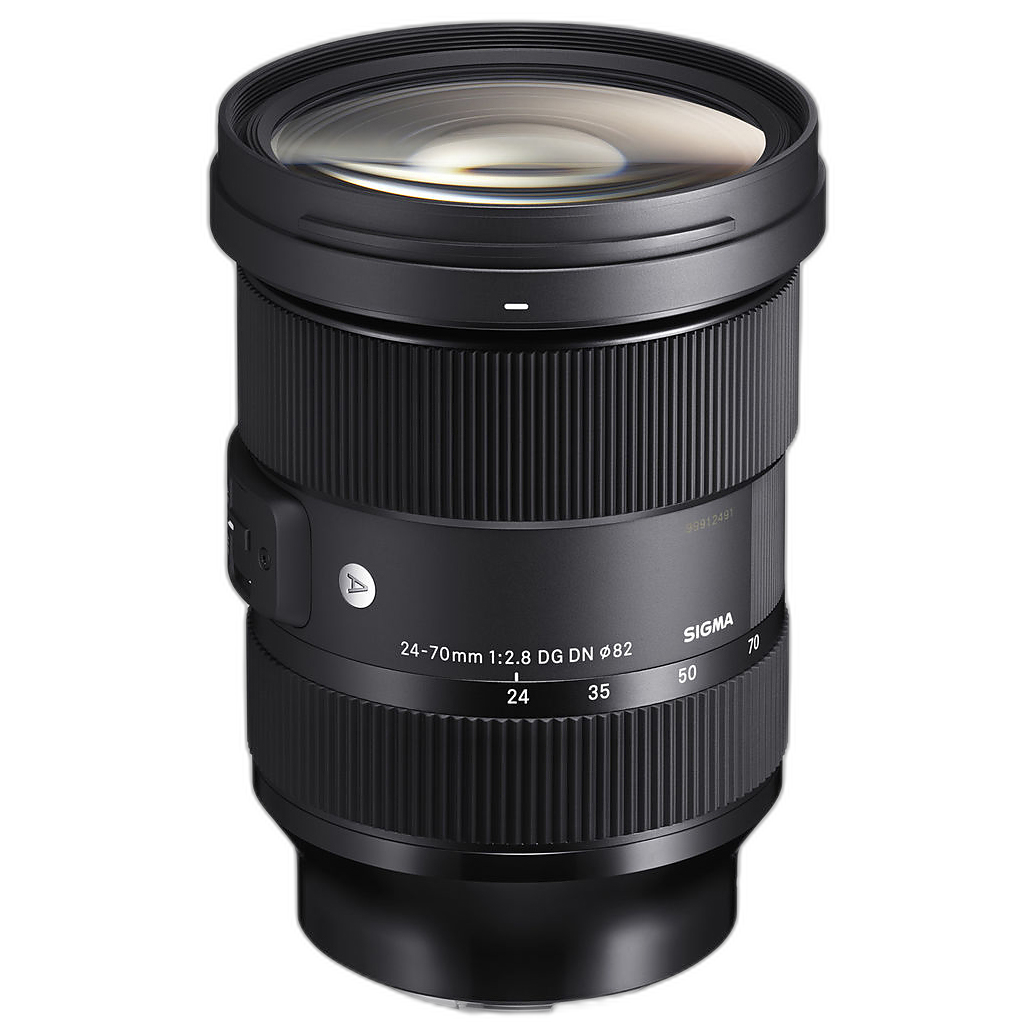
The biggest real-world difference between portrait zoom lenses is often focal length range, not a tiny edge in resolution that appears in a comparison widget. For example, a standard zoom like the Used Sigma 24-70mm f/2.8 DG DN Art Zoom Lens for Sony E - Good can be a practical value pick if you shoot environmental portraits, half-length compositions, and occasional events in the same day. The 70mm end is useful for flattering portraits, while 24mm to 50mm gives you room for context and storytelling.
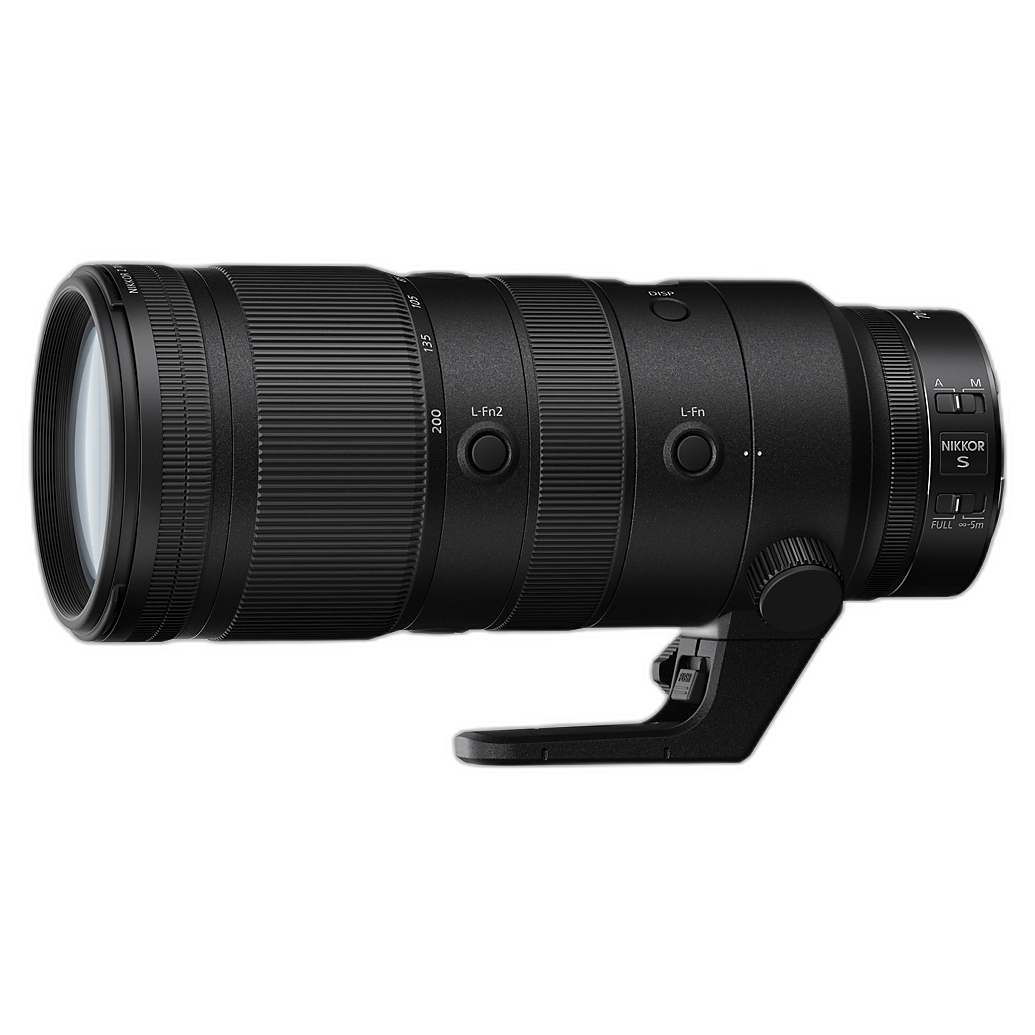
By contrast, if your portrait look leans tighter and more compressed, a telephoto zoom class often tells a very different story in practice than the Beta might suggest. A lens like the Nikon NIKKOR Z 70-200mm f/2.8 VR S Lens illustrates why photographers love this range for portraits: stronger subject isolation, more flattering facial proportions at longer focal lengths, and cleaner backgrounds. Even if you are shopping in the Sony ecosystem, this focal range is worth keeping in mind as a portrait benchmark when evaluating what kind of look you really want.
Remember That Portrait “Image Quality” Is More Than Sharpness
2. Look beyond center sharpness and compare rendering style
Lens comparison tools often emphasize detail and contrast, but portrait photographers usually care just as much about transition from focus to blur, highlight rendering, and whether skin looks natural rather than clinically harsh. The Beta may show two zooms that appear close in resolution, yet one may produce a more pleasing portrait result because of smoother falloff or a more flattering drawing style.
This is also why some creators cross-shop cine zooms for controlled portrait video or hybrid work. The Sigma 50-100mm T2 High-Speed Zoom Lens (Sony E), for instance, sits in a range that is naturally attractive for portraits because it covers classic short-telephoto framing with a bright aperture and a more cinema-oriented design philosophy.
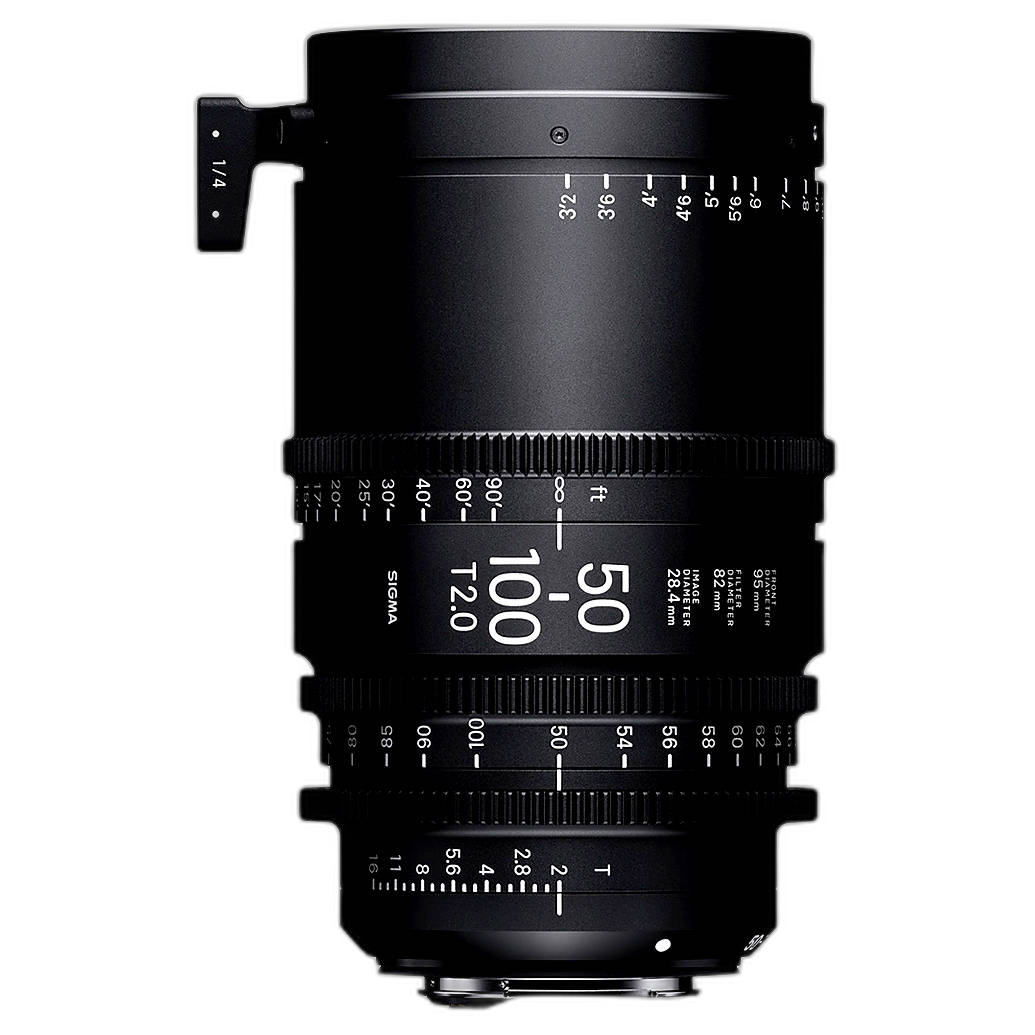
If your work includes motion or carefully directed portrait sessions, comparing a lens only through a still-image Beta may miss qualities like focus consistency, breathing behavior, and the overall look of defocused backgrounds during movement.
Use the Beta to Find Differences, Then Ask Whether They Matter in a Session
3. Tiny lab differences may disappear once lighting and posing enter the picture
One of the most common mistakes is overvaluing small test-scene gains. In actual portrait work, your light, background distance, subject positioning, and retouching workflow often influence the final image more than a marginal sharpness advantage.
For example, adding better light control can create a bigger jump in portrait quality than changing between two similarly strong zooms. The V-FLAT WORLD Foldable V-Flat 2.0 2-Pack Bundle is a good reminder that shaping light and controlling spill can dramatically improve skin tone, contrast, and subject separation in a way no comparison chart can fully account for.
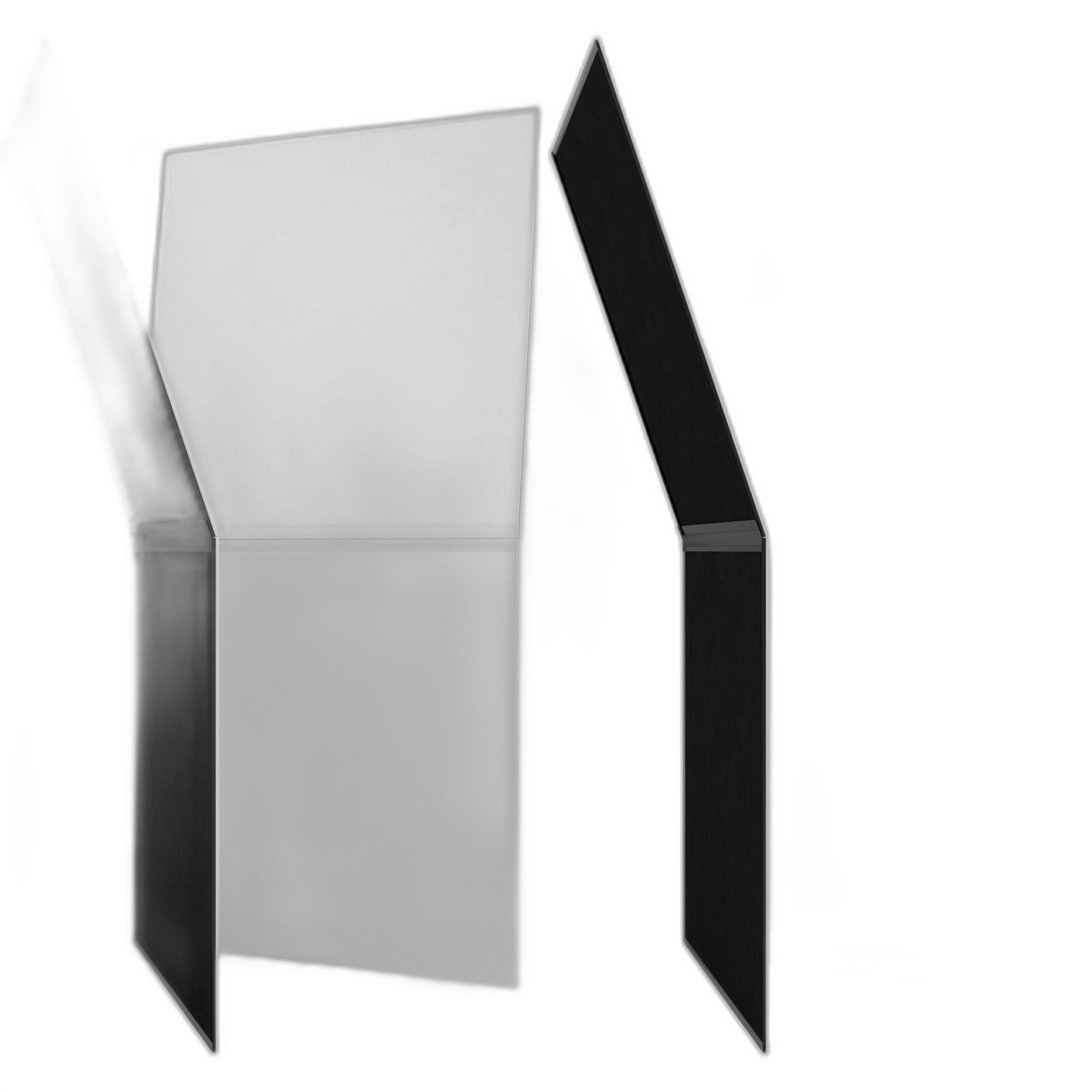
So if the Beta shows only subtle differences, ask yourself whether that difference will still be visible after you set your key light, refine your pose, and deliver the final edited portrait.
Think Carefully About Value, Not Just Optical Rankings
4. A used standard zoom can be the smartest portrait buy
Portrait photographers often want the “best” lens, but the best value is sometimes the lens that gets you shooting more often and more profitably. A used option like the Used Sigma 24-70mm f/2.8 DG DN Art Zoom Lens for Sony E - Good can make a lot of sense if you need one lens that covers portraits, branding sessions, casual event work, and general-purpose assignments.
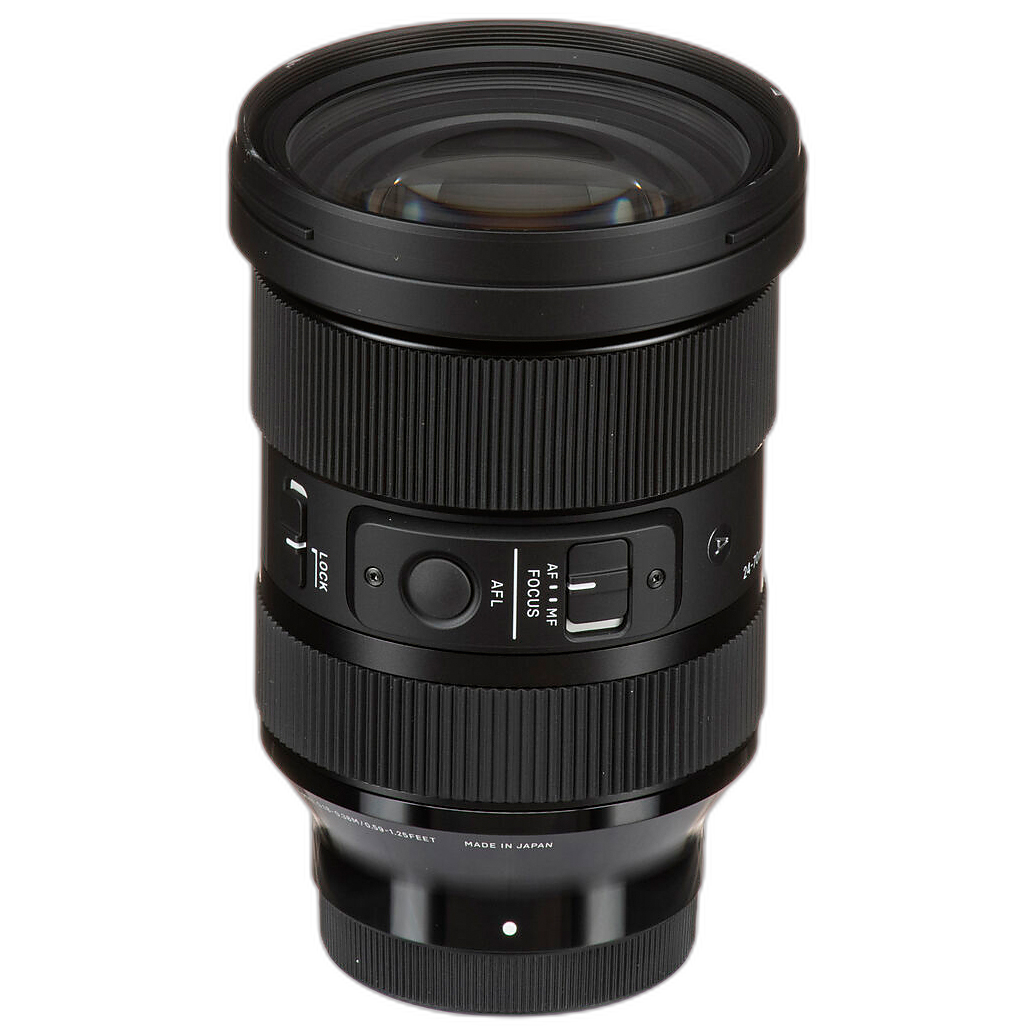
The Beta might lead you toward a lens with slightly better edge performance or a more specialized rendering profile, but if the 24-70mm range fits your bookings better and leaves room in the budget for lighting, backdrops, or education, it may be the stronger real-world choice.
Portrait Work Often Rewards Longer Focal Lengths More Than the Beta Suggests
5. Compression and working distance can outweigh test-chart wins
Many online tools underrepresent how important working distance feels during a portrait session. Longer focal lengths can make subjects feel less crowded, simplify backgrounds, and create a more polished look with less effort. That is why lenses in the 70-100mm and 70-200mm neighborhoods remain so popular for portraiture.
The Sigma 50-100mm T2 Fully Luminous High-Speed Zoom Lens (Sony E) and its metric version, the Sigma 50-100mm T2 Fully Luminous High-Speed Zoom Lens (Sony E, Metric), both highlight a range many portrait shooters appreciate for tighter compositions and cinematic subject isolation.
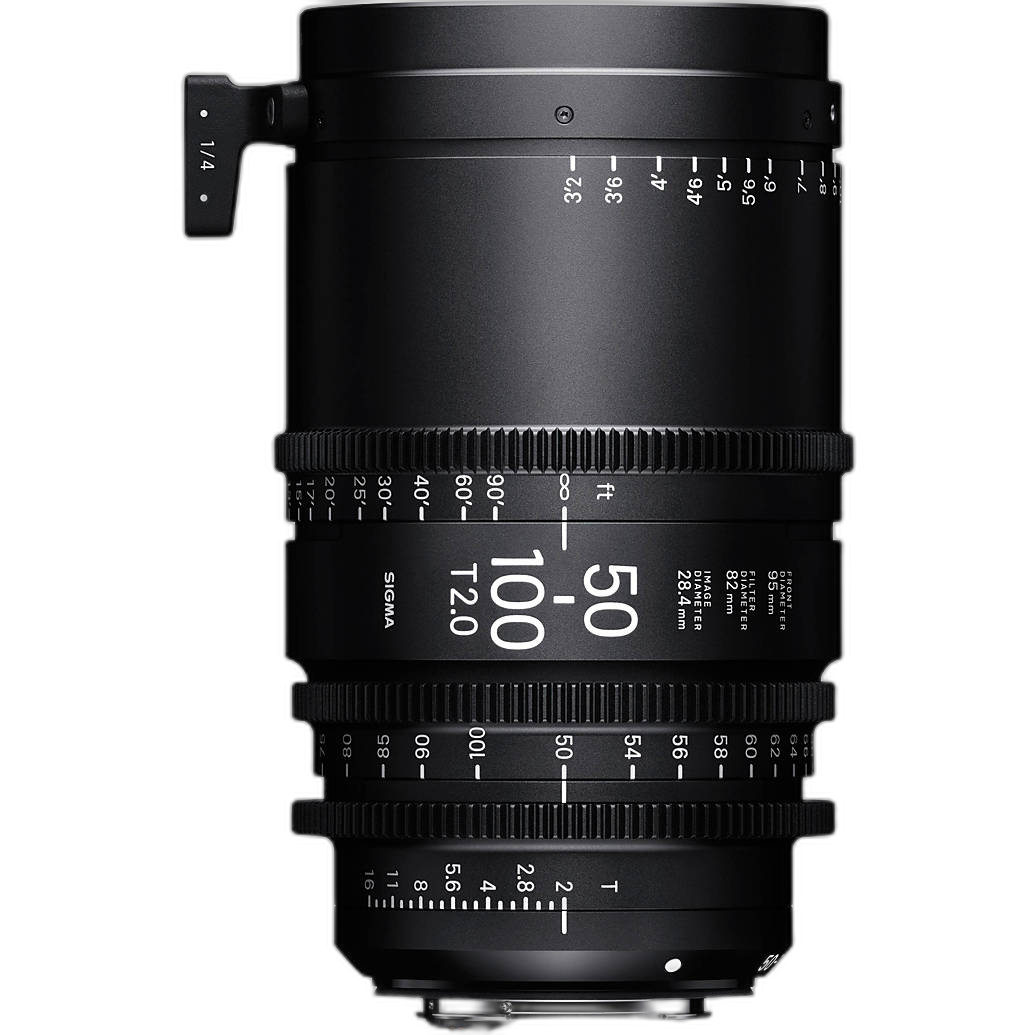
If the Beta doesn’t make one option look dramatically better, your decision may come down to whether you prefer a flexible all-around zoom or a range that naturally flatters portrait subjects more consistently.
Don’t Ignore the Creative Role of Wider Zooms
6. Wider zooms can be useful for environmental portraits and stylized work
Portraiture does not always mean headshots at the long end. If you create editorial, fashion, music, or cinematic portraits, a wider zoom can be a creative asset. The Sigma 24-35mm T2.2 FF Zoom Lens (Sony E) can suit shooters who want dramatic environmental framing and a cinematic look while staying flexible across wider focal lengths.
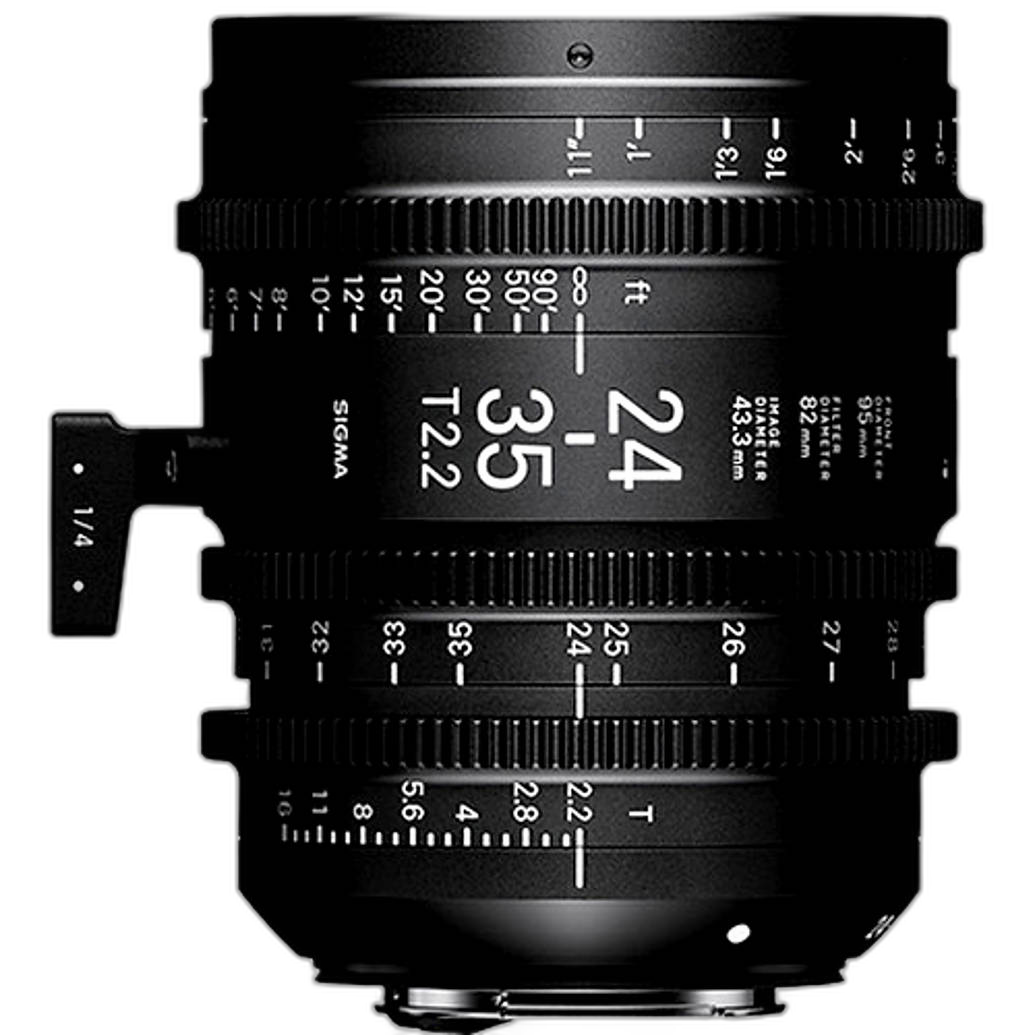
Likewise, the Sigma 18-35mm T2 High-Speed Zoom Lens (Sony E) represents the kind of lens range that can be compelling for stylized portrait video, behind-the-scenes content, or environmental compositions where the setting is part of the subject’s identity.
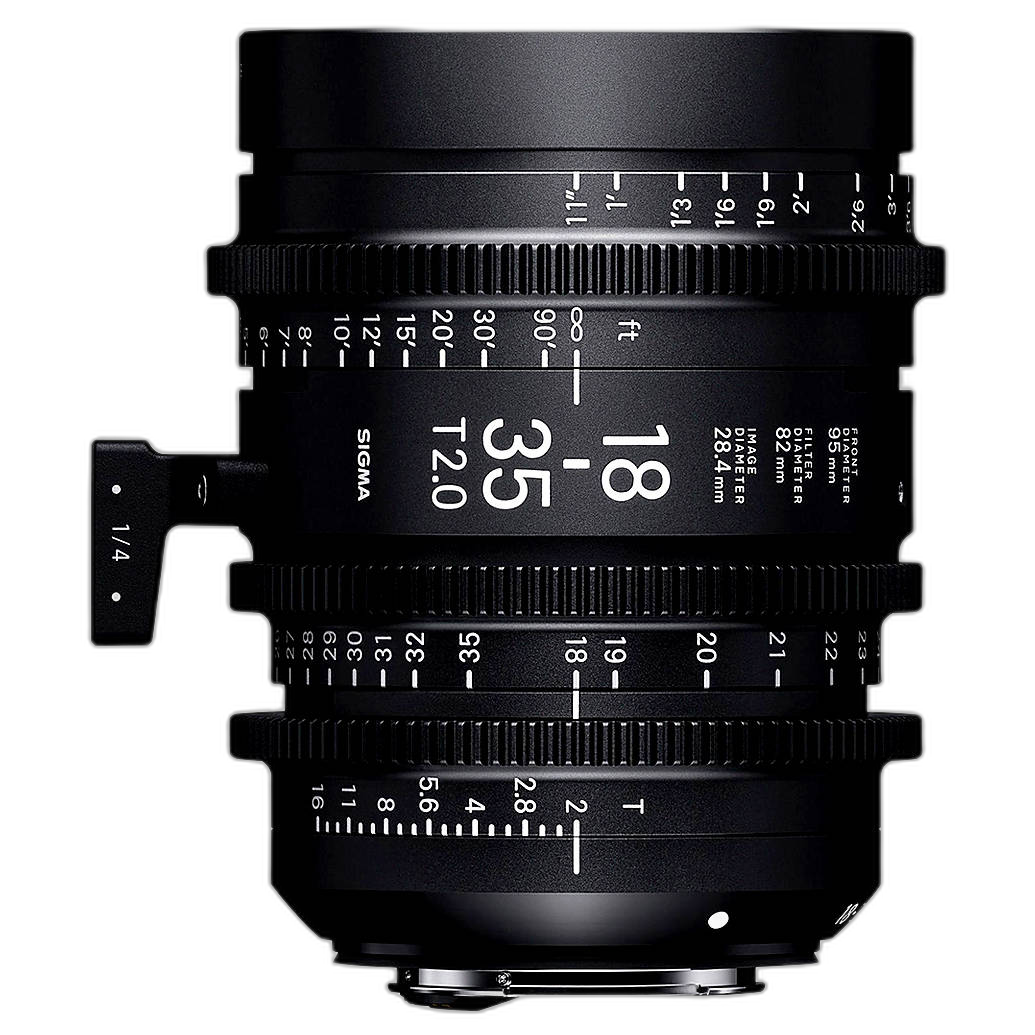
If Sony’s Beta focuses your attention too narrowly on conventional portrait test frames, you may miss how useful a wider zoom can be for modern portrait storytelling.
Check Whether the Tool Reflects Your Actual Use Case
7. Still portraits, video portraits, and hybrid shoots are different jobs
A comparison tool may be most helpful for still-image shooters evaluating raw image characteristics. But if your portrait work includes reels, interviews, client films, or hybrid campaigns, handling traits become much more important. Cine-oriented zooms such as the Sigma 50-100mm T2 High-Speed Zoom Lens (Sony E) or Sigma 18-35mm T2 High-Speed Zoom Lens (Sony E) may not be fully “explained” by a Beta focused mainly on still output.
That means the tool is useful, but incomplete. If your business depends on both photos and motion, prioritize the lens that supports your workflow rather than the one that wins a narrow technical comparison.
Use Real Portrait Samples to Confirm What the Beta Suggests
8. Final decisions should come from portrait examples, not only comparison screens
Once you narrow down your list, look for real portraits made with similar focal lengths, lighting styles, and subject distances to your own work. Pay attention to:
- How faces look at the focal lengths you will actually use
- How busy or smooth backgrounds appear
- Whether skin retains detail without looking overly harsh
- How practical the zoom range feels for your session style
- Whether the price matches the type of work you book most often
This is often where a versatile option like a 24-70mm proves its worth, while a longer portrait-oriented zoom wins for photographers chasing that compressed, polished look. The Beta can point you in the right direction, but real portrait samples tell you whether the lens gives you the feeling you want in finished images.
Conclusion
Sony’s Lens Compare Beta is useful for spotting broad differences, but it should be one part of your decision, not the whole decision. For portrait work, focal length, background rendering, lighting control, and overall value often matter more than small chart-based advantages. Whether you are considering a versatile used standard zoom, exploring longer portrait-friendly ranges, or building a more cinematic setup, the smartest choice is the one that matches how you actually shoot.
If you are ready to compare options more closely, Unique Photo is a great place to explore lenses and portrait tools that fit your style and budget. Use the Beta as a guide, trust real-world shooting needs, and choose the zoom that helps you create portraits you love.