Choosing the right travel camera comes down to a few big questions: How much weight are you willing to carry? Do you want the best possible image quality, the longest battery life, or the most flexibility in different shooting situations? For travelers, there is no single perfect answer. Some people want a pocketable camera for city walks, others want a rugged workhorse for wildlife or sports, and some want premium image quality without packing a full camera bag. This guide breaks down the pros and cons of several camera types for travel, with practical recommendations based on durability, portability, image quality, battery life, and versatility.
What travelers should look for in a camera
Travel photography often means long days, changing weather, limited charging opportunities, and a mix of subjects like landscapes, street scenes, food, family moments, and video clips. Here are the features that matter most:
- Durability: Important for trips with frequent movement, outdoor shooting, or unpredictable conditions.
- Portability: Smaller cameras are easier to bring everywhere, which often means you capture more.
- Image quality: Larger sensors and better lenses usually deliver stronger low-light performance and more detail.
- Battery life: Essential for full sightseeing days, flights, and remote destinations.
- Versatility: Zoom range, video features, interchangeable lenses, and ease of use all affect how flexible a camera feels on the road.
Quick comparison: travel camera types
| Camera | Type | Best For | Key Strength | Main Tradeoff |
|---|---|---|---|---|
| Panasonic LUMIX G100D | Mirrorless | Travelers who want portability plus lens flexibility | Balanced size and features | Battery life typically trails DSLRs |
| Used Leica Q2 Traveler Kit | Premium compact | Travelers prioritizing image quality and simplicity | Excellent image quality in a compact form | Fixed lens limits reach |
| Panasonic LUMIX ZS300 | Travel zoom compact | All-purpose sightseeing and family travel | Pocketable body with versatile zoom | Smaller sensor than larger cameras |
| Canon PowerShot ELPH 360 HS | Compact point-and-shoot | Casual travelers and light packers | Very portable and easy to use | Less control and lower performance in demanding light |
| Nikon D6 | DSLR | Action, wildlife, and demanding travel assignments | Battery life and durability | Large and heavy for casual travel |
| Used RED Komodo 6K Kit | Cinema camera | Professional travel filmmakers | High-end video capability | Not ideal for casual travel photography |
Our Pick
Panasonic LUMIX G100D 4K Mirrorless Camera with 12-32mm and Tripod Grip
For most travelers, the LUMIX G100D hits the sweet spot. It is far more portable than a DSLR, more flexible than a fixed-lens premium compact, and better suited to travelers who want a blend of stills, 4K video, and room to grow. It is an especially strong choice for city trips, family vacations, student travel, and creators who want a lightweight camera that feels more capable than a basic point-and-shoot.
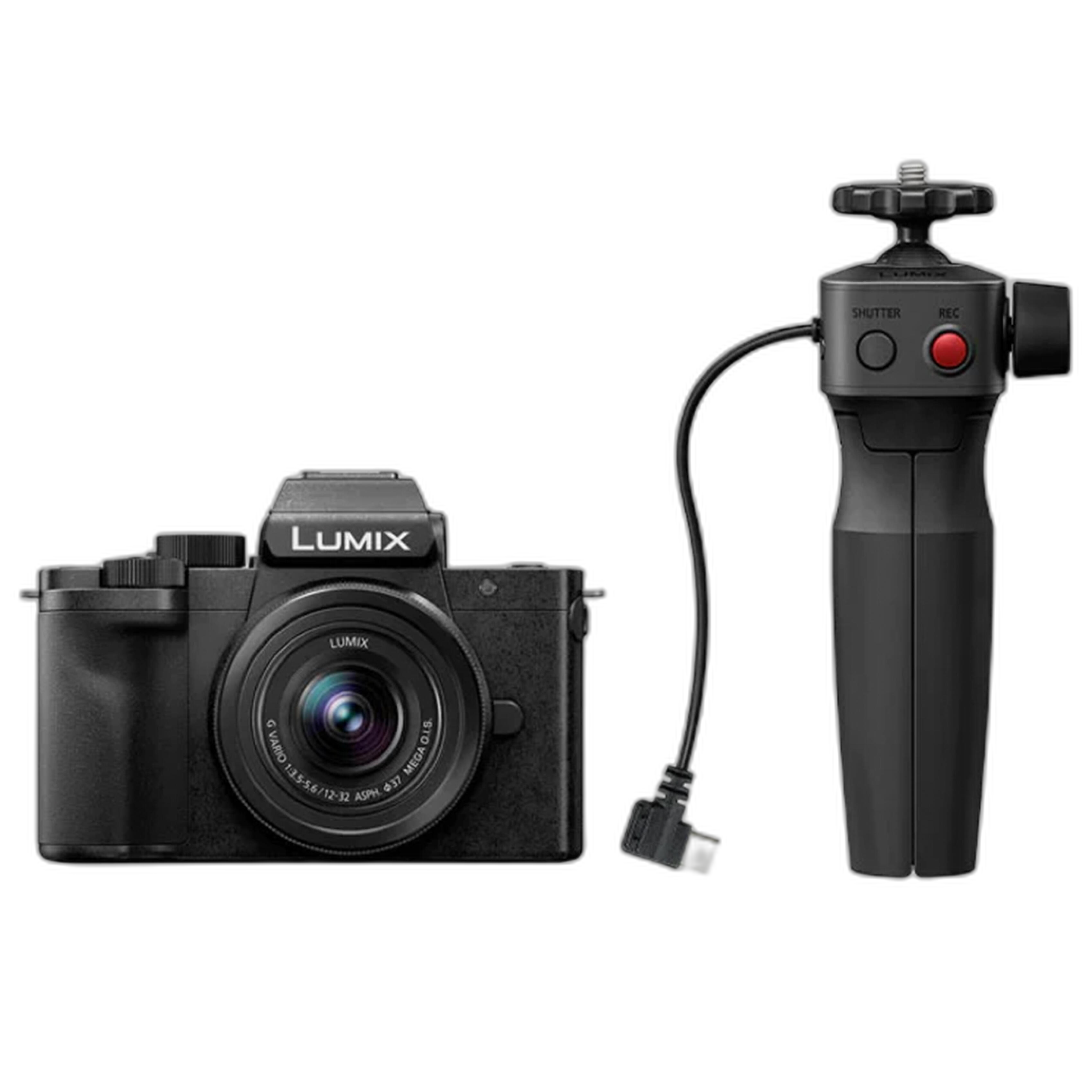
Best camera recommendations for travelers
Panasonic LUMIX G100D 4K Mirrorless Camera with 12-32mm and Tripod Grip
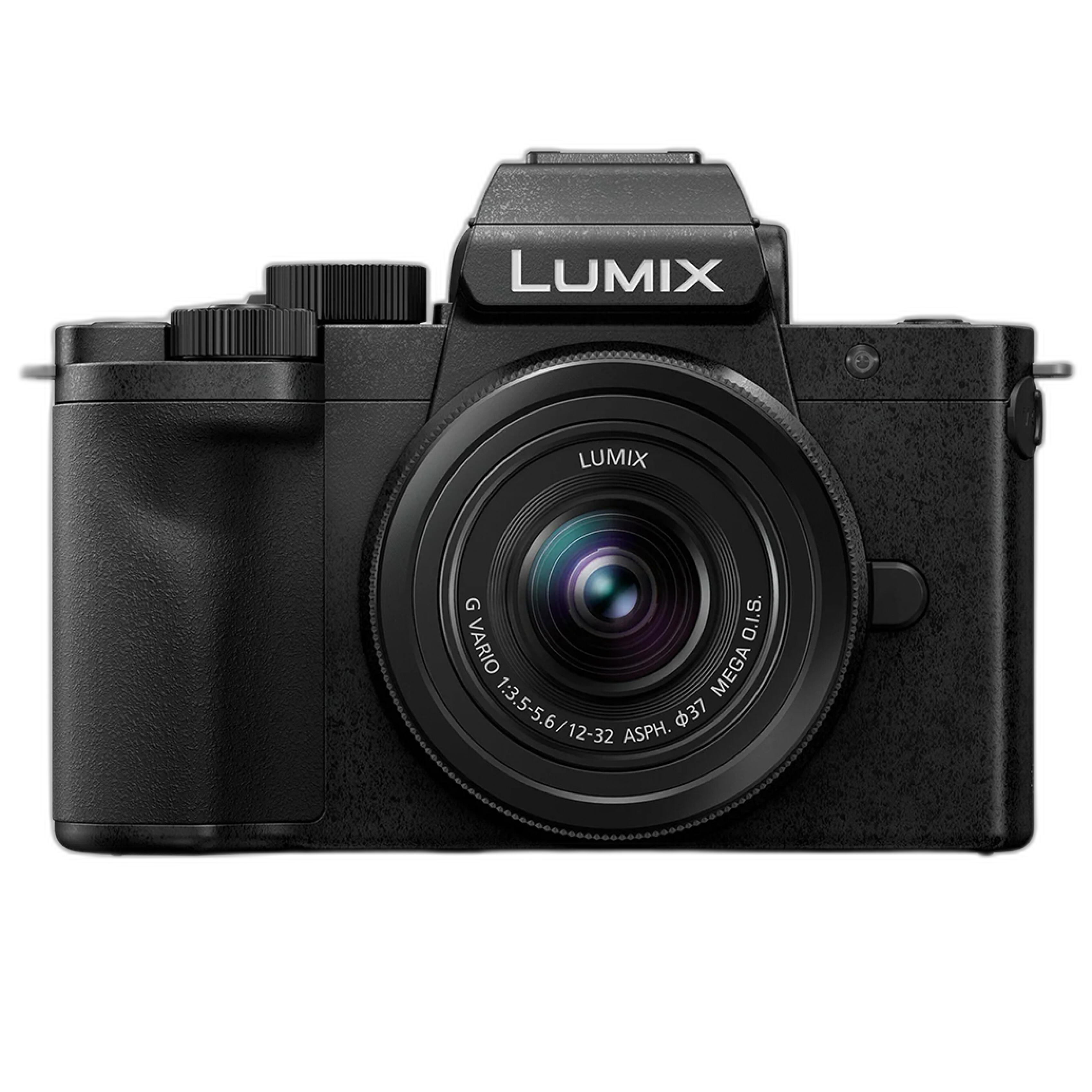
Why it works for travel: Mirrorless cameras are often the best compromise for travelers who want strong image quality without carrying a full-size DSLR setup. The G100D keeps things light and compact while still delivering interchangeable-lens flexibility and 4K capability.
- Pros: Portable body, flexible system, useful for both photos and video, good upgrade path for travelers who want more creative control.
- Cons: Not as pocketable as a compact camera, and battery life may require carrying a spare on long days.
- Best for: General travel, content creation, sightseeing, and travelers who want one camera for stills and video.
If you want a camera that can handle street scenes one moment and landscapes the next, while staying easy to pack, this is one of the strongest travel-friendly options in the lineup.
Used Leica Q2 Traveler Kit With Bag, 2 Batteries, Charger, Hood, and Strap
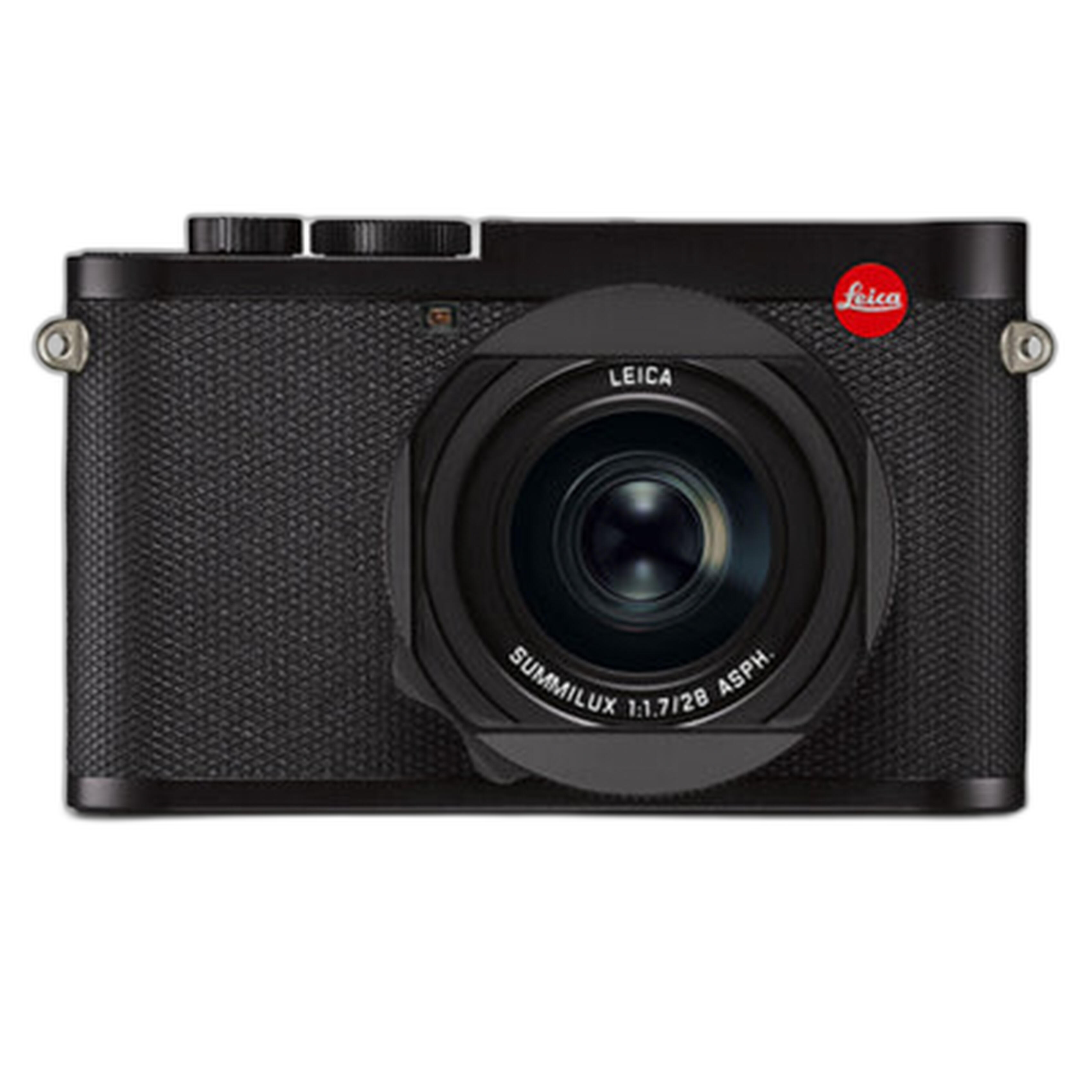
Why it works for travel: Premium compact cameras appeal to travelers who want exceptional image quality without bringing extra lenses. The Leica Q2 Traveler Kit is especially attractive because the included accessories support life on the road, and the extra batteries are a real advantage for day-long exploring.
- Pros: High-end image quality, compact compared to interchangeable-lens systems, simple shooting experience, travel-ready kit extras.
- Cons: Fixed lens means less versatility than a zoom or interchangeable-lens system, and premium compacts are best for travelers who know their preferred shooting style.
- Best for: Street photography, documentary-style travel, architecture, and travelers who prioritize image quality over zoom range.
For travelers who value a refined shooting experience and want to travel lighter than they would with a full mirrorless kit, this is an impressive option.
Panasonic LUMIX ZS300 Point and Shoot Camera
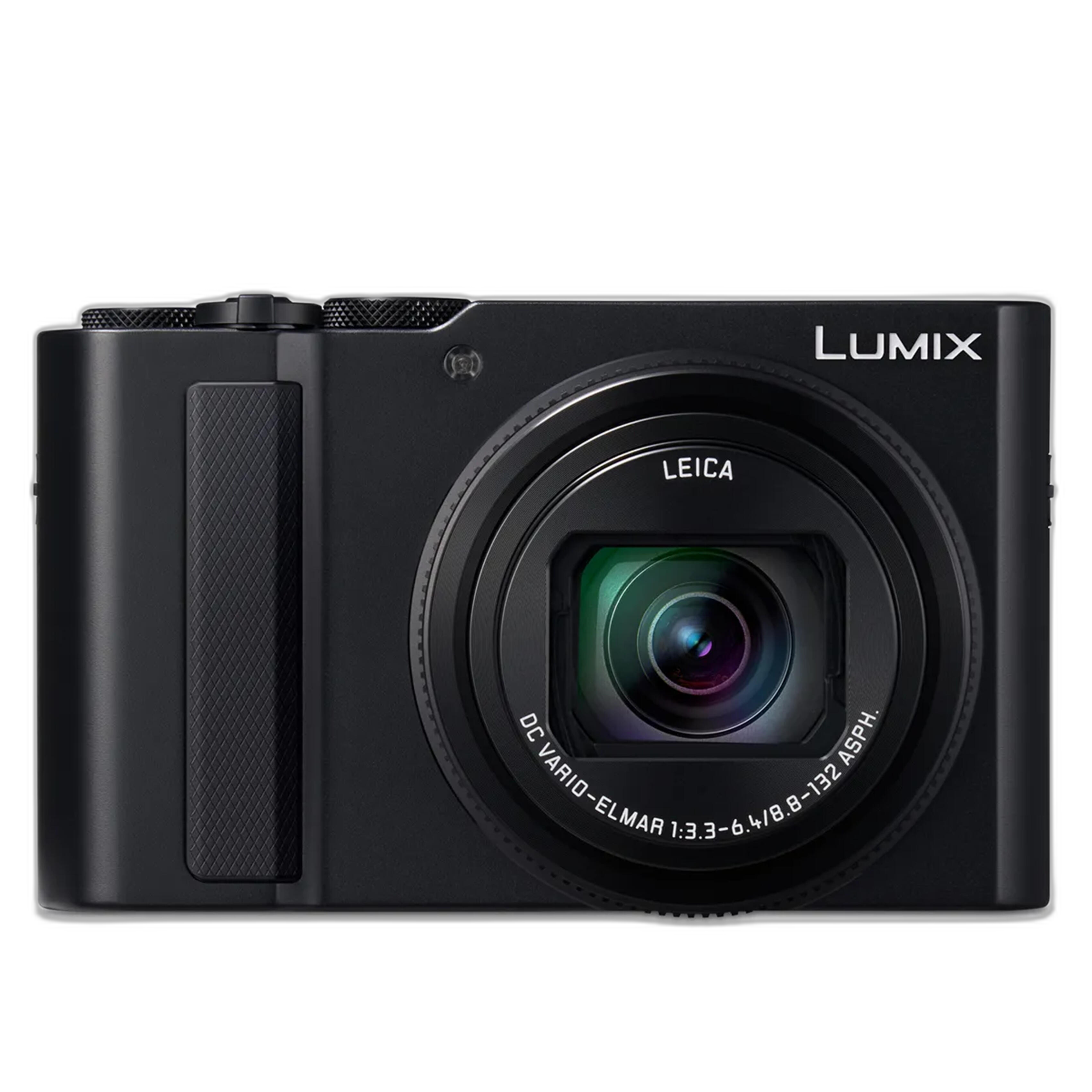
Why it works for travel: Travel zoom point-and-shoot cameras remain popular because they deliver excellent portability and all-in-one convenience. The LUMIX ZS300 is the kind of camera many travelers actually carry all day, which is a major advantage over larger systems that get left in the hotel room.
- Pros: Compact body, built-in zoom versatility, easy to carry, convenient for trips where you want one camera for everything.
- Cons: Smaller sensor means less low-light performance and dynamic range than larger cameras.
- Best for: Family vacations, cruises, sightseeing, day trips, and travelers who want a true grab-and-go camera.
This is one of the most practical camera types for travel because it balances portability and versatility so well.
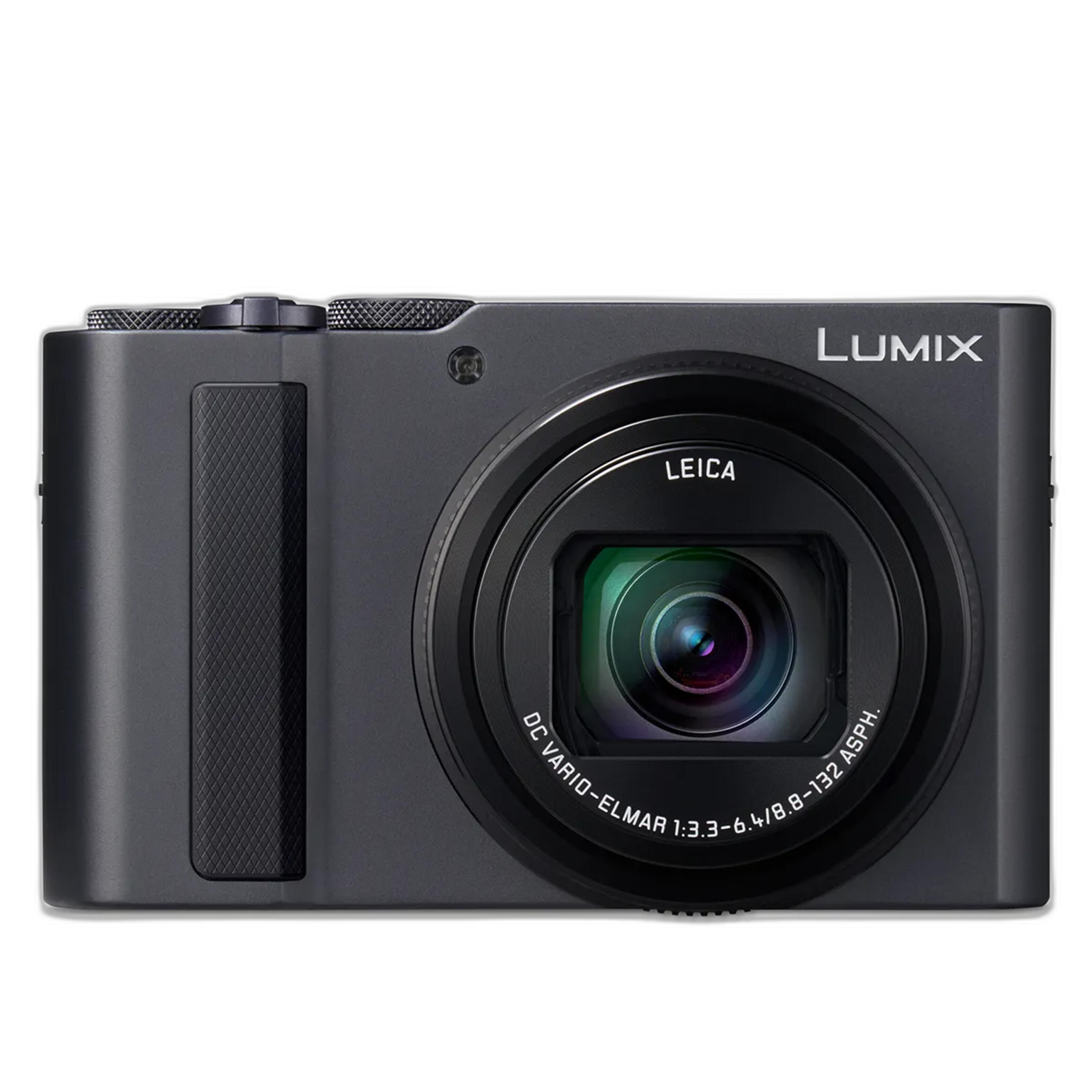
If you prefer the silver finish, the Panasonic LUMIX ZS300 Point and Shoot Camera - Silver offers the same travel-friendly appeal in a different look.
Canon POWERSHOT ELPH 360 HS Point and Shoot Camera
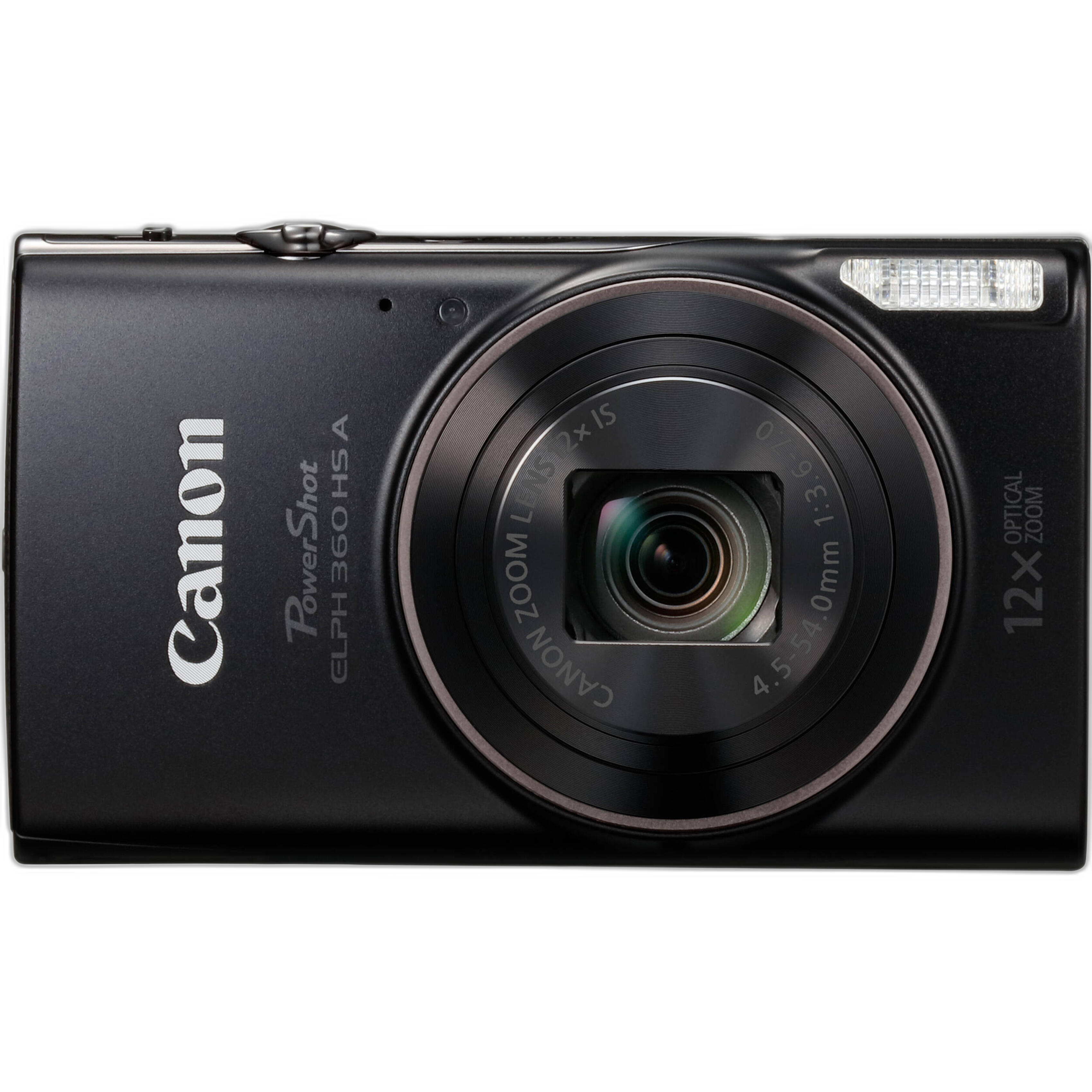
Why it works for travel: Ultra-compact point-and-shoot cameras are ideal for travelers who want something simple, light, and approachable. The ELPH 360 HS is easy to slip into a pocket or small bag, making it a strong option for casual trips where convenience matters most.
- Pros: Extremely portable, beginner-friendly, simple operation, easier to carry than larger cameras.
- Cons: More limited control and image quality compared to mirrorless, DSLR, or premium compact options.
- Best for: Casual vacations, family trips, first-time camera buyers, and travelers who want an affordable, lightweight companion.
If your priority is keeping things easy and compact, a camera like this makes a lot of sense.
Nikon D6 FX-Format Digital SLR Camera
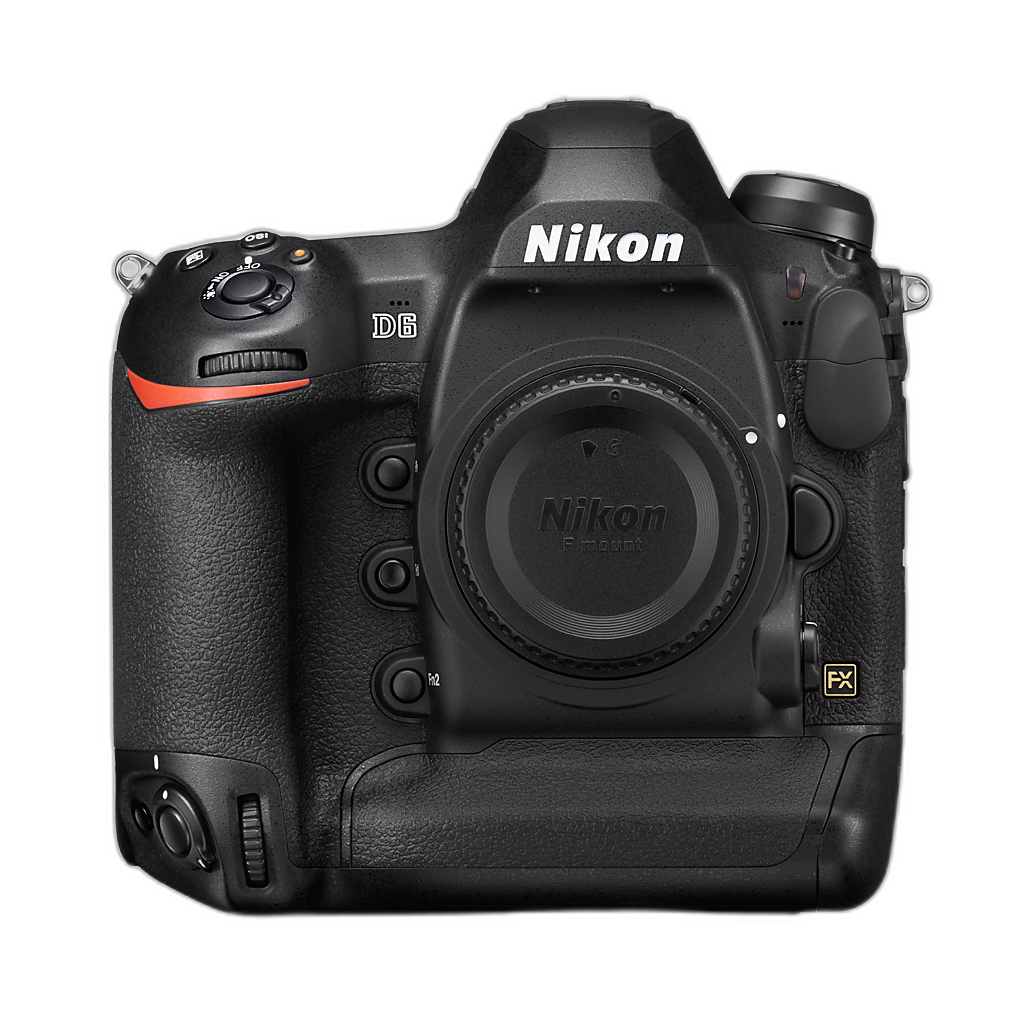
Why it works for travel: DSLRs still offer key advantages for certain travelers, especially those shooting wildlife, sports, or demanding outdoor subjects. The Nikon D6 represents the durable, professional end of the DSLR category.
- Pros: Excellent battery life, robust build, dependable handling for fast action and long shooting days.
- Cons: Bulk and weight can become a burden on trips centered around walking, flights, and casual sightseeing.
- Best for: Wildlife travel, sports trips, expedition-style travel, and photographers who need pro-level durability.
For travelers who care more about endurance and performance than packing light, a DSLR like the D6 still has real appeal.
Used Red Komodo 6K Camera Kit With Battery, Smallrig Grip, and Wooden Camera
Why it works for travel: Cinema cameras are a niche choice for travel, but for professional filmmakers they can be the right one. The RED Komodo 6K kit is aimed at creators traveling specifically to produce serious video content rather than casual vacation images.
- Pros: Professional video quality, filmmaking-focused design, suitable for serious production workflows.
- Cons: Overkill for most travelers, less convenient for casual still photography, and more demanding to pack and use on the road.
- Best for: Destination shoots, documentaries, branded travel content, and professional productions.
If your trip is built around filmmaking, this type of camera can be worth the extra complexity. For most travelers, though, a mirrorless or compact option will be more practical.
Which type of travel camera is right for you?
Choose a mirrorless camera if you want the best balance of portability, image quality, and flexibility. This is the sweet spot for many travelers.
Choose a premium compact if you value image quality and simplicity, and you are comfortable working with a fixed lens.
Choose a travel zoom point-and-shoot if convenience and versatility matter more than maximum sensor size.
Choose a basic compact camera if your top priorities are low weight, ease of use, and affordability.
Choose a DSLR if battery life, ruggedness, and action shooting matter more than compactness.
Choose a cinema camera only if travel filmmaking is the actual mission of the trip.
Final recommendation
For most travelers, the Panasonic LUMIX G100D 4K Mirrorless Camera with 12-32mm and Tripod Grip is the most balanced choice here, offering an excellent mix of portability, image quality, and versatility. If you want a smaller all-in-one option, the Panasonic LUMIX ZS300 is a smart travel companion. And if premium image quality is your top goal, the Used Leica Q2 Traveler Kit stands out beautifully.
Whether you are planning a weekend getaway, an international trip, or a content-focused adventure, Unique Photo has travel-ready camera options for every style of shooter.