Home developing is one of the most rewarding parts of analog photography, but it is also where small mistakes can turn into uneven negatives, scratches, stains, or wasted chemistry. This guide is for beginners setting up a first home darkroom as well as intermediate film shooters looking to improve consistency. Below, we cover common home developing mistakes, practical best practices, and a few useful tools that can make the process cleaner, easier, and more repeatable.
Why Home Developing Goes Wrong
Most developing issues come down to a few recurring problems: loading film incorrectly, contaminating chemistry, using inconsistent agitation, poor temperature control, or working in a cramped, disorganized space. The good news is that these are all fixable. A well-chosen tank, a reliable changing bag, and clearly separated trays can help you avoid many of the most common errors before they happen.
Common Mistakes and Best Practices
Mistake: Loading film in a space that is not fully light-tight.
Best practice: Use a dependable changing bag if you do not have a dedicated darkroom. This gives you a controlled environment for transferring film onto reels.
Mistake: Rushing film onto the reel and causing jams, overlaps, or kinks.
Best practice: Practice with a scrap roll in daylight before your first real session. Smooth loading is one of the biggest factors in getting evenly developed negatives.
Mistake: Mixing up trays or contaminating chemicals.
Best practice: Use separate trays and keep a clear workflow. Color-coding or assigning one tray to each stage helps reduce costly errors.
Mistake: Starting with too many separate pieces of gear.
Best practice: A complete starter kit can simplify setup and reduce the chance of missing an essential tool.
Mistake: Ignoring process notes and trying to memorize everything.
Best practice: Keep a notebook or reference guide nearby so you can track times, temperatures, dilution ratios, and results.
Recommended Gear for Better Home Developing
Paterson Changing Bag 27.5x27.5
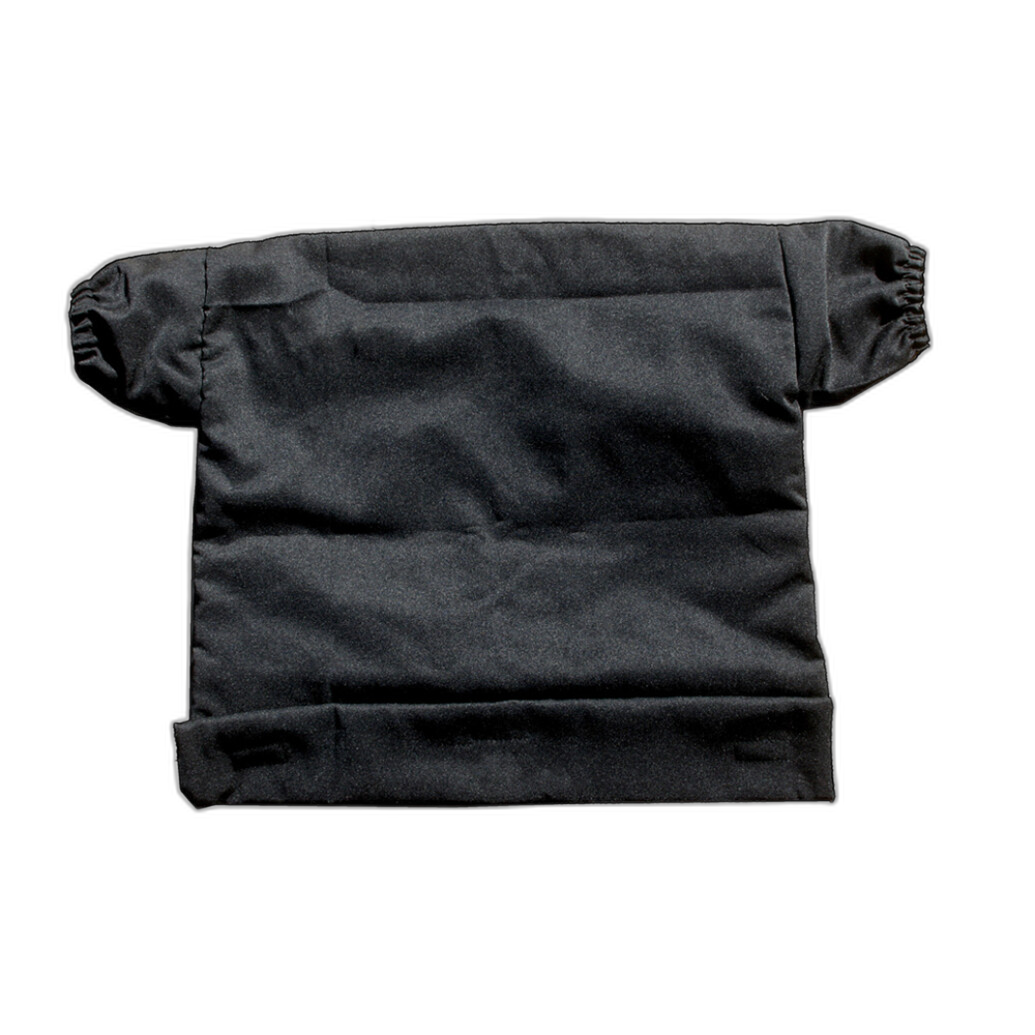
If you do not have a dedicated darkroom, a changing bag is one of the smartest purchases you can make. The Paterson Changing Bag 27.5x27.5 creates a portable light-safe space for loading film into a tank. For many home developers, this is the first line of defense against fogged film and handling mistakes. Its generous size also gives you more room to work, which matters when you are learning to load reels by feel.
Best for: Film photographers developing at home without a darkroom.
Samigon Universal Plastic Developing Tank with 2 Reels
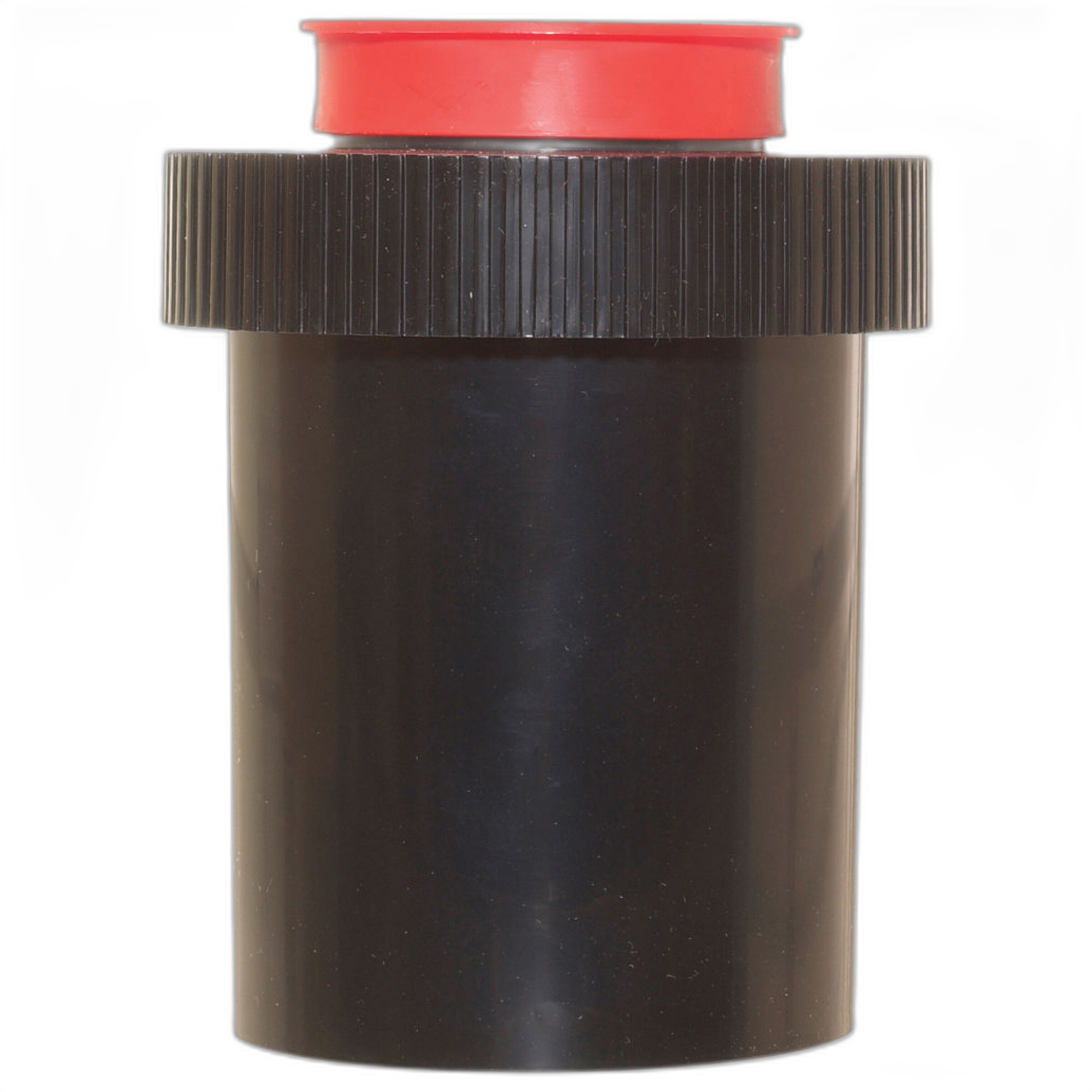
A reliable tank is central to successful home processing, and the Samigon Universal Plastic Developing Tank with 2 Reels is a practical choice for beginners and budget-conscious film shooters. A two-reel design gives you flexibility for handling multiple rolls while keeping your process contained and repeatable. If one of your common issues has been inconsistent results from improvised or older equipment, upgrading to a solid tank can make a real difference.
Best for: Beginners who want an affordable, straightforward tank setup.
Our Pick: If you are building a home developing setup from scratch, this is our top standalone tank recommendation because it covers the core task simply and effectively.
Photographic Darkroom Film and Paper Developing Kit
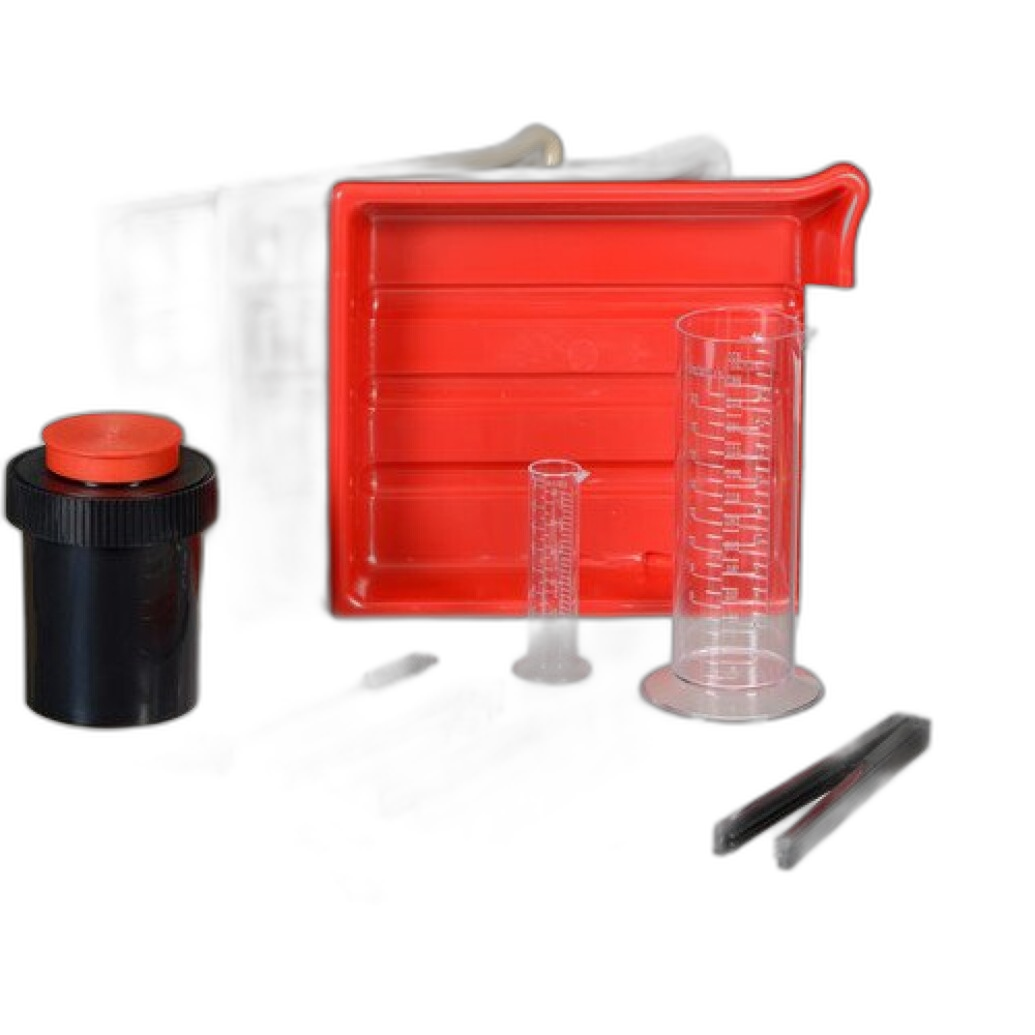
For photographers who want to avoid piecing together every item one by one, the Photographic Darkroom Film and Paper Developing Kit is an excellent starting point. Kits help reduce beginner mistakes because they provide a more complete workflow from day one. Instead of discovering mid-session that you are missing a tray or essential darkroom accessory, you can focus on learning technique and timing.
Best for: New home developers who want a more complete setup with less guesswork.
Paterson Developing Tray 16x20 Red
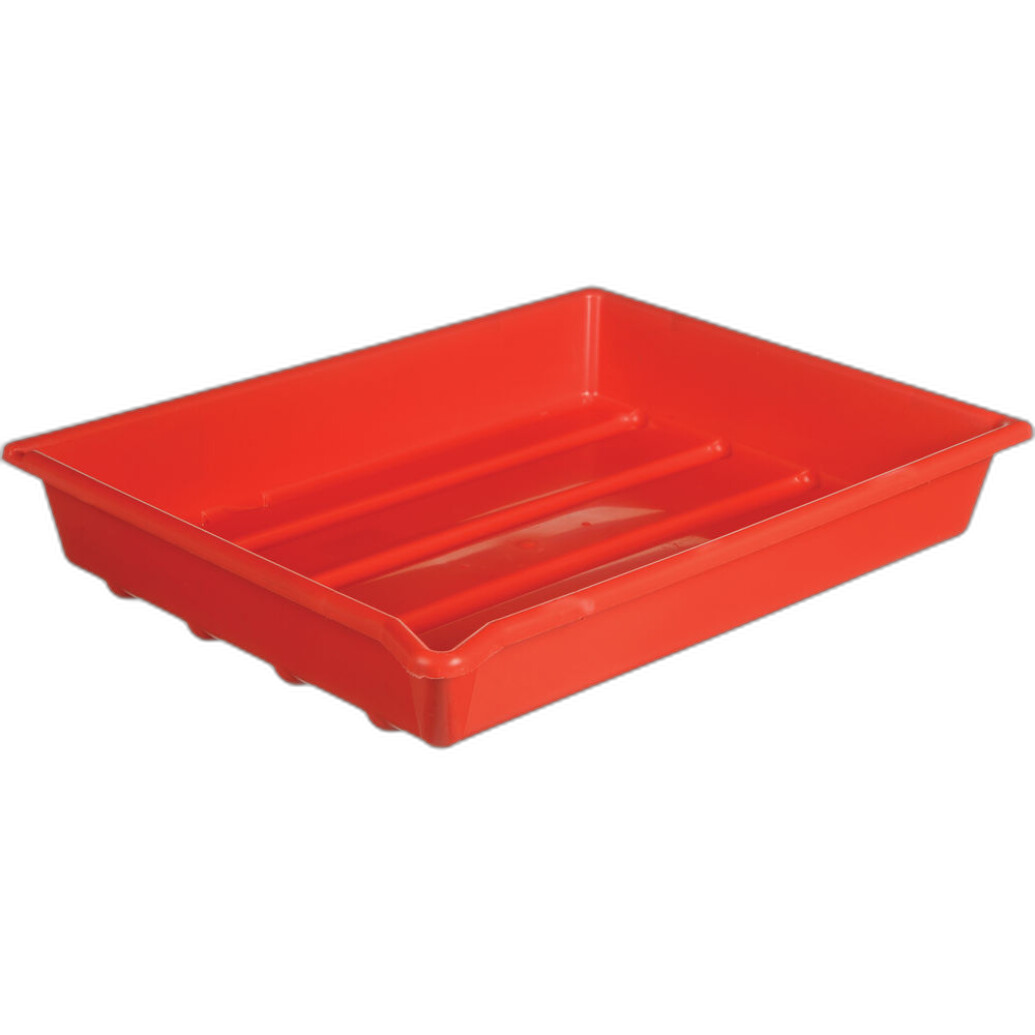
Trays may seem simple, but organization is one of the easiest ways to improve consistency. The Paterson Developing Tray 16x20 Red is useful for keeping chemistry stages visually distinct. Many home darkroom workers use separate tray colors or dedicated positions to avoid cross-contamination. That habit can help preserve chemistry life and reduce print or process issues.
Best for: Darkroom organization and cleaner workflow.
Paterson Developing Tray 16x20 White
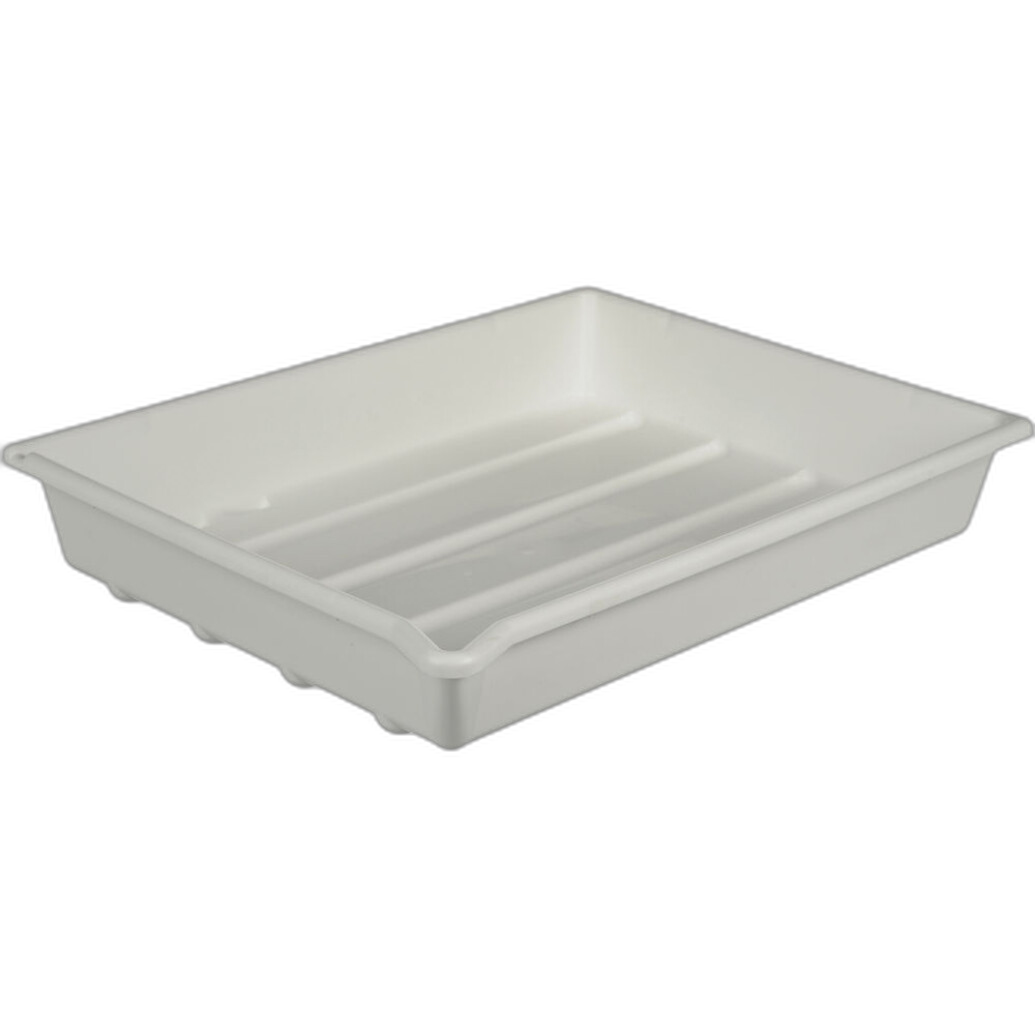
The Paterson Developing Tray 16x20 White pairs nicely with other trays in a multi-stage setup. White trays can also make it easier to see prints, tools, and chemistry levels clearly under safe working conditions. If your home process feels cluttered, adding dedicated trays is a small upgrade that can improve efficiency immediately.
Best for: Building a clearly separated tray-based workflow.
Paterson Developing Tray 20x24 White
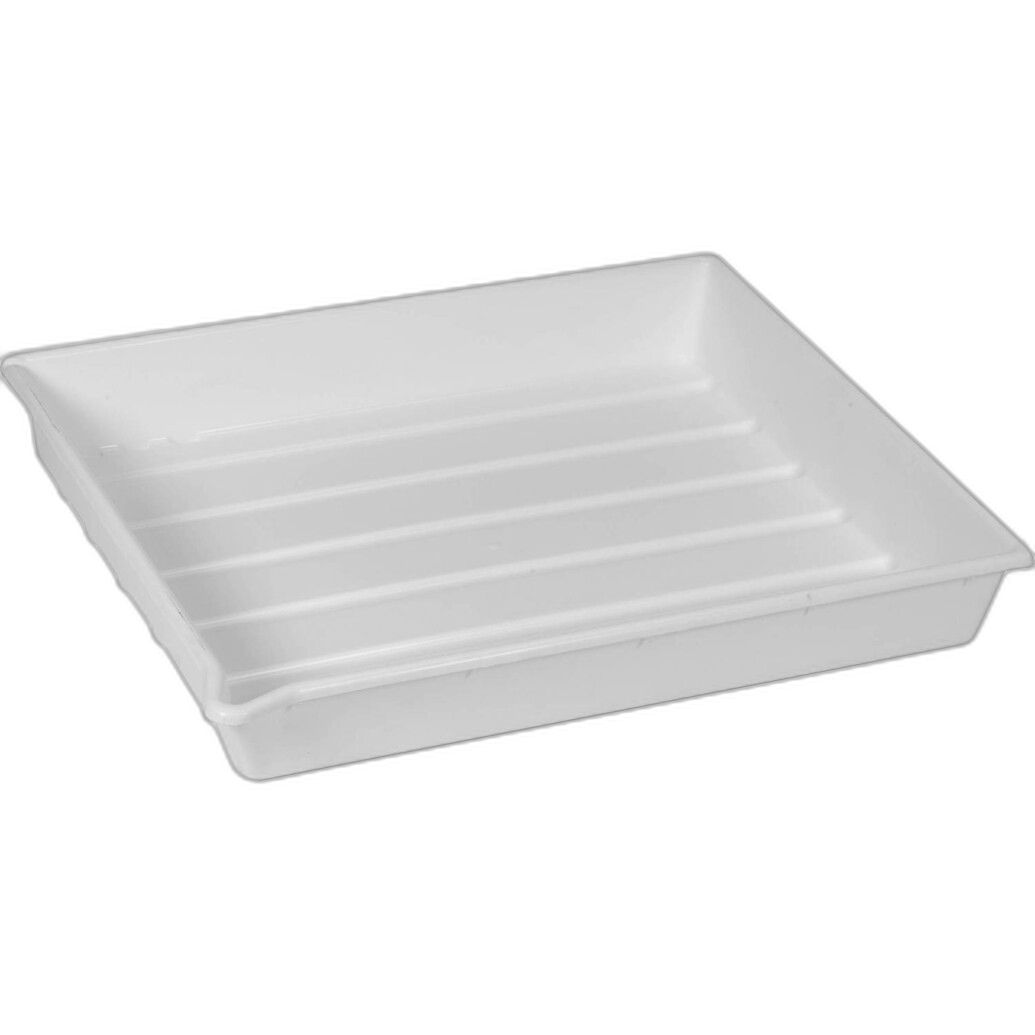
If you need more working room, the Paterson Developing Tray 20x24 White offers extra space for larger paper handling or a more comfortable darkroom layout. Bigger trays can be especially helpful when you are trying to avoid spills and splashes in tighter home setups.
Best for: Photographers working with larger prints or wanting more room in tray processing.
Best Business Practices for Photographers by John Harrington
While not a developing manual, Best Business Practices for Photographers by John Harrington can still be valuable for photographers turning film work into client work. If home developing is part of your professional service or studio workflow, consistency, process documentation, and efficiency matter. This book supports the bigger-picture habits that help keep your production side organized.
Best for: Working photographers building a dependable analog workflow.
Comparison Table
| Product | Best Use | Why It Helps |
|---|---|---|
| Paterson Changing Bag 27.5x27.5 | Loading film without a darkroom | Helps prevent light leaks and makes reel loading possible anywhere |
| Samigon Universal Plastic Developing Tank with 2 Reels | Film developing | Provides a controlled, repeatable tank process for one or more rolls |
| Photographic Darkroom Film and Paper Developing Kit | Starter setup | Reduces guesswork by bundling key darkroom tools |
| Paterson Developing Tray 16x20 Red | Organized tray workflow | Helps separate chemistry stages and reduce contamination |
| Paterson Developing Tray 16x20 White | General tray use | Keeps your process neat and easy to monitor |
| Paterson Developing Tray 20x24 White | Larger tray processing | Offers more room for prints and cleaner handling |
How to Choose the Right Home Developing Gear
If you are just starting out, prioritize the essentials in this order:
- Light-safe loading solution: A changing bag is often the easiest way to begin.
- Dependable tank and reels: This is the core of your film workflow.
- Starter kit or trays: Great for building a more complete and organized space.
- Reference materials: Helpful for improving consistency and documenting your process.
For most beginners, a changing bag plus a solid tank is the most practical first combination. If you also plan to expand into paper developing, trays and a more complete kit become increasingly useful.
Conclusion
The best way to avoid common home developing mistakes is to simplify your setup, stay organized, and use reliable tools built for the process. For most photographers, the strongest starting point is a quality changing bag and a dependable developing tank, while a complete kit is ideal if you want a more comprehensive darkroom setup from the beginning. If you are ready to improve your home developing workflow, Unique Photo offers practical options like the Paterson Changing Bag, Samigon Developing Tank, and Photographic Darkroom Film and Paper Developing Kit to help you get started with more confidence.