Travel Lens FAQ: Building a Lightweight Kit Without Sacrificing Image Quality
Travel photographers are always balancing three competing priorities: image quality, portability, and flexibility. The right lens kit can make city walks, day trips, and long travel days much easier, but every ounce and every feature comes with a trade-off.
At Unique Photo, we recommend building a travel setup around the kind of images you actually make most often. Some photographers need an ultra-compact stills kit, while others traveling for cinematic capture may prioritize prime-lens rendering, low-light performance, and consistent optical quality over absolute minimum weight.
What makes a great travel lens for a lightweight kit?
A great travel lens is one you will actually carry all day. In practical terms, that usually means a lens that offers strong sharpness, reliable autofocus or focus control for your workflow, manageable size, and a focal length that suits your subject matter. For city travel, environmental portraits, architecture, food, and street scenes tend to dominate, so versatile wide-to-normal coverage is often the most useful starting point.
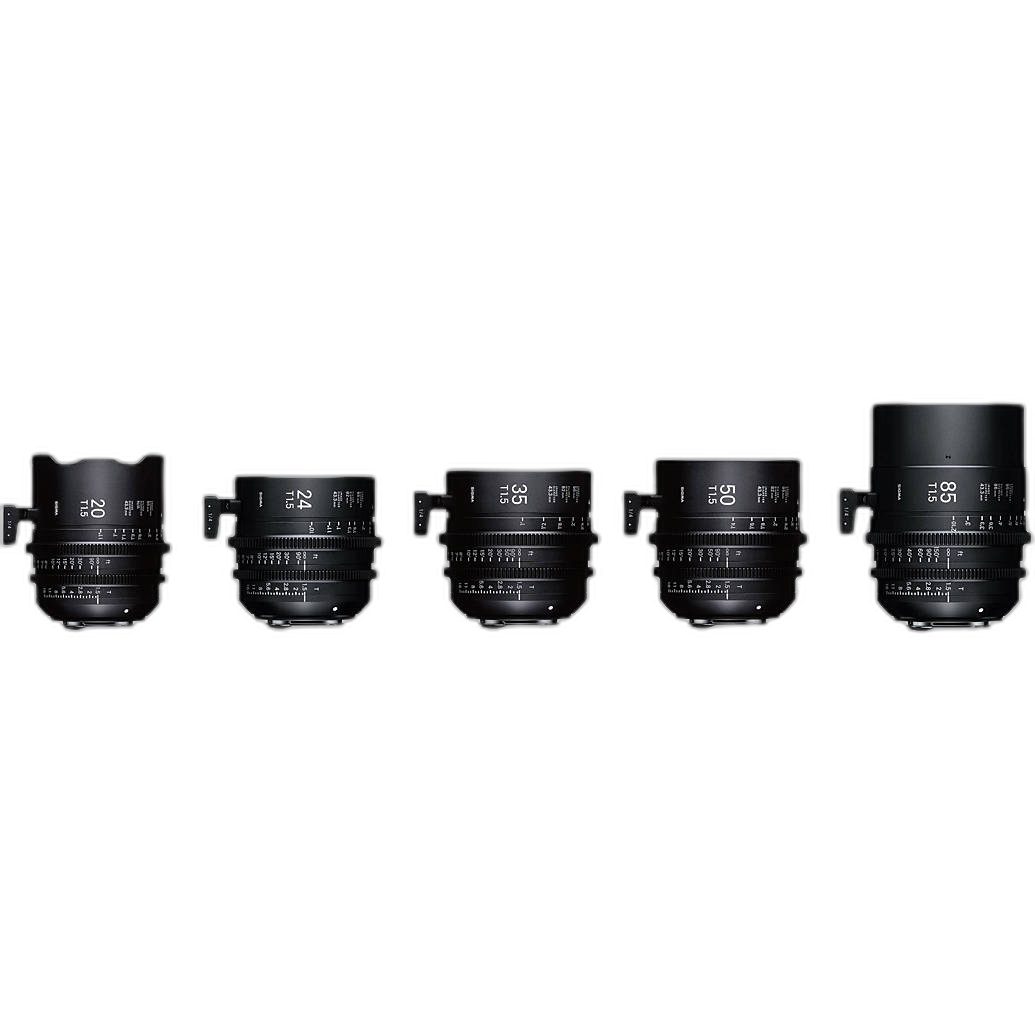
The biggest mistake travelers make is packing for every possibility instead of for their most common shots. If you spend most of your time walking historic neighborhoods or documenting a trip in a cinematic style, a carefully chosen prime-based setup may outperform a larger all-purpose bag. For creators who want premium full-frame optical performance and a matched set of focal lengths for video production on the road, Sigma's FF High-Speed Prime kits are a strong example of a quality-first system approach.
Are compact primes better than zooms for travel?
Compact primes and zooms solve different problems. A small prime usually wins on size, brightness, and often outright image quality for its class. That makes it attractive for low-light street photography, indoor museums, night scenes, and photographers who prefer a deliberate shooting style. A zoom, on the other hand, reduces lens changes and lets you react quickly when traveling through busy locations.
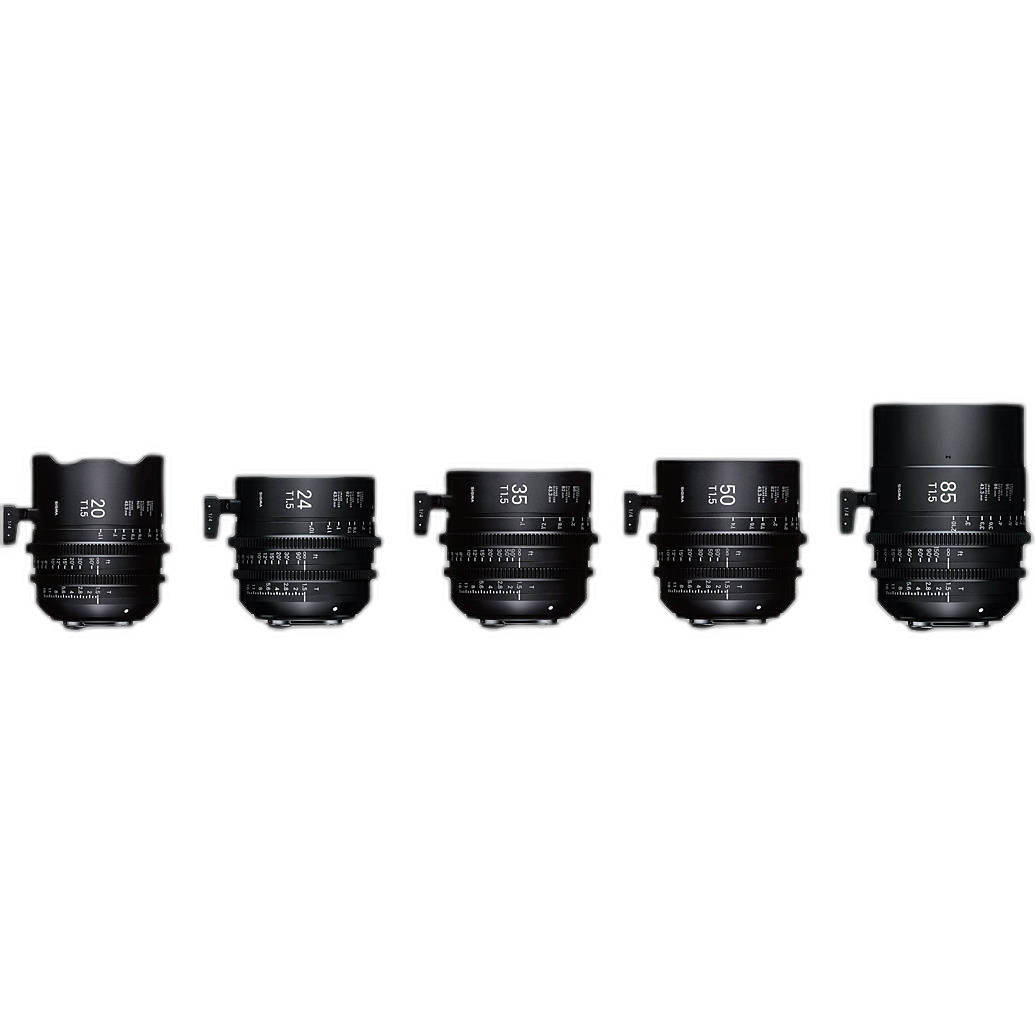
If your top priority is keeping the kit light and simple, one or two primes can be an excellent answer. If your priority is convenience and not missing fleeting moments, a zoom may be more practical. For filmmakers and advanced hybrid creators, prime kits remain popular because they provide consistent rendering and speed across multiple focal lengths. Sigma's T1.5 FF High-Speed 5 Prime Lens Kit options are designed for that kind of consistency, especially when your travel project includes interviews, establishing shots, and low-light cinematic work.
How do pancake primes compare to larger high-performance primes?
Pancake primes are ideal when stealth, comfort, and packability matter most. They can make a camera feel almost pocketable and are excellent for casual city wandering. The trade-off is that very small lenses may give up some combination of maximum aperture, edge performance, focus feel, or specialty rendering compared to larger premium designs.
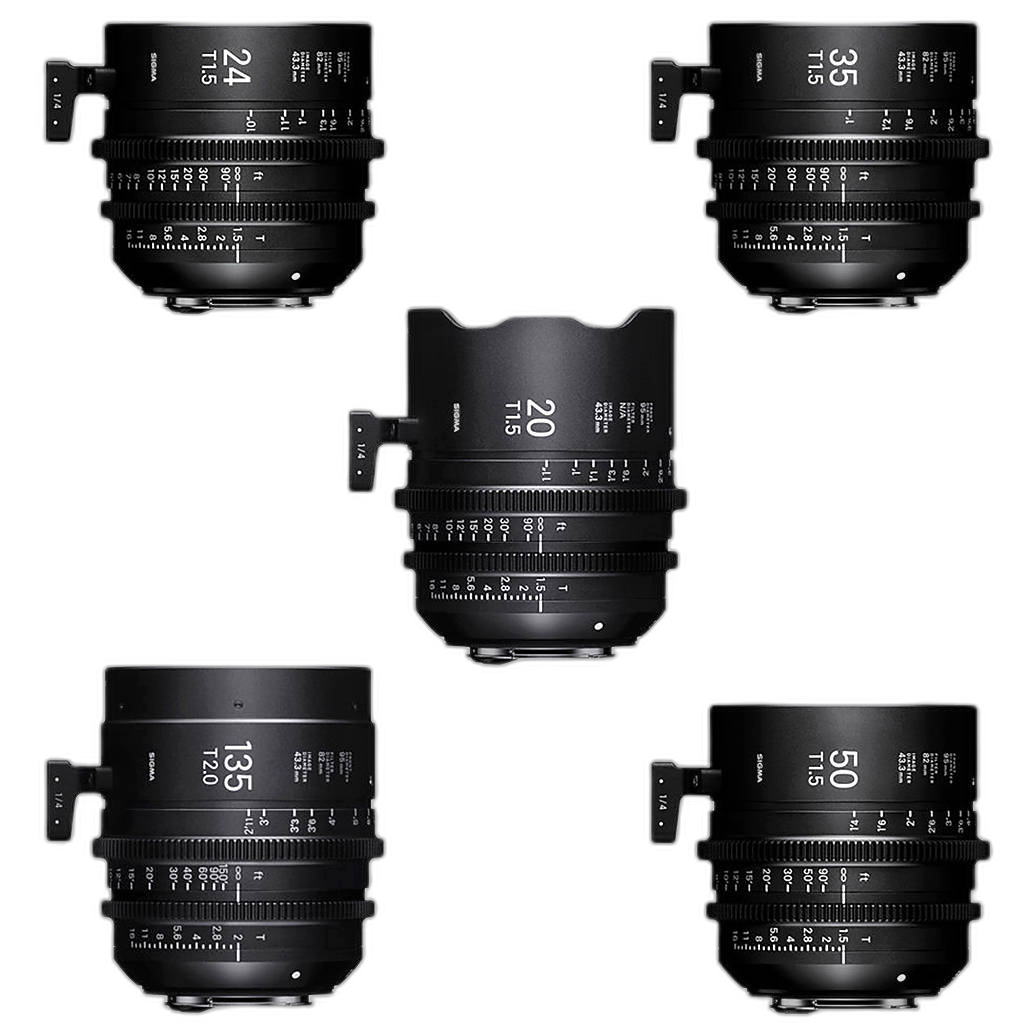
Larger high-performance primes are for shooters who want the best possible optical look and greater control in demanding light. They are not always the lightest option, but they often deliver superior consistency, especially at wide apertures. For travel assignments that are less about minimalism and more about professional capture quality, a matched prime set can be worth the extra space. Sigma's fully luminous T1.5 FF High-Speed Prime kits, available in mounts such as Canon EF, Sony E, and PL, are examples of lens sets chosen when image character and low-light capability are central to the project.
What are the real trade-offs between stabilization, aperture, and lens size?
This is one of the most important travel decisions. Stabilization helps when you are shooting handheld in low light or trying to avoid raising ISO. A fast aperture helps in those same conditions, while also improving subject separation. Smaller size improves comfort and increases the odds that your camera stays in hand instead of in the hotel room.
Unfortunately, it is difficult to maximize all three at once. Bright lenses usually grow in size. Stabilized lenses can become heavier and more complex. Extremely compact lenses often sacrifice aperture speed. The best choice depends on how you shoot. If you primarily work in daylight and want an easy all-day carry, prioritize size. If you shoot at dusk, indoors, or after dark, aperture and stabilization become more valuable.
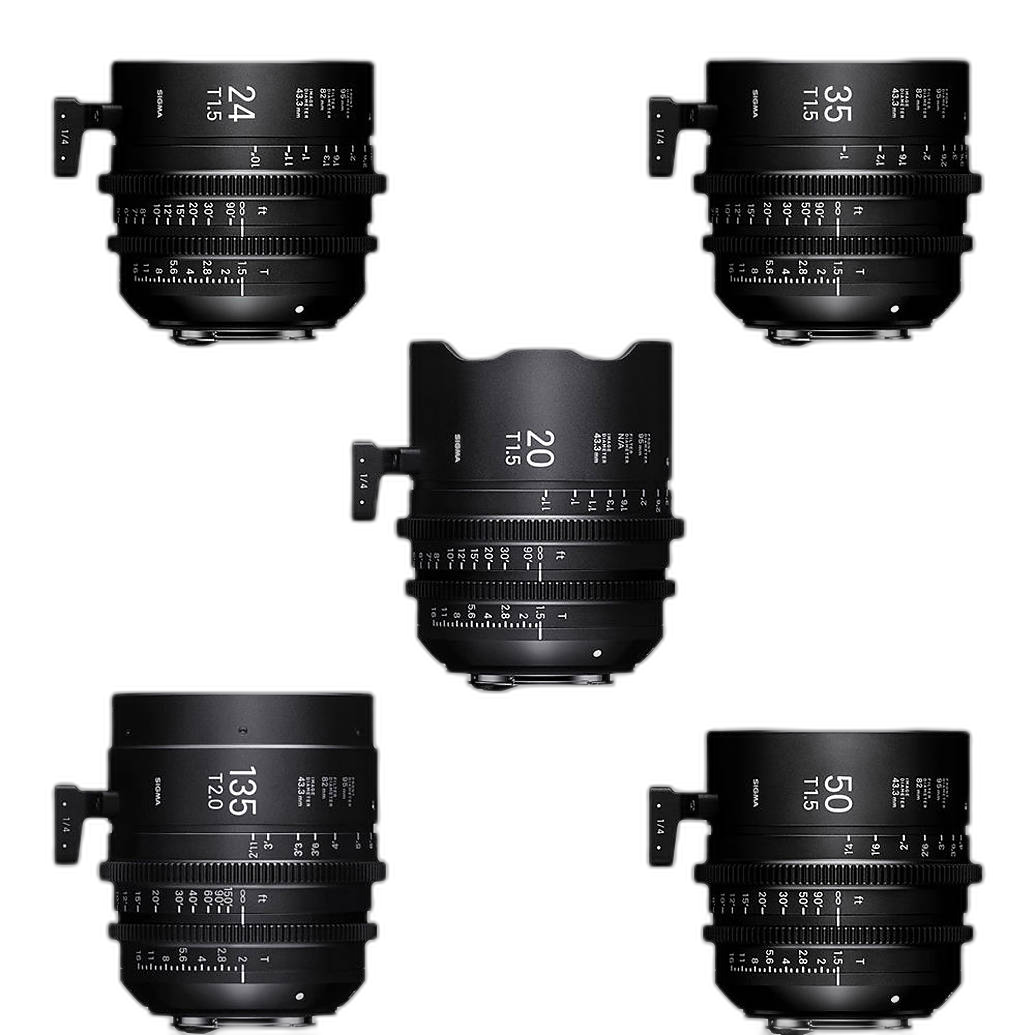
For cinema-oriented travel kits where the look of a fast lens matters more than having optical stabilization built into the lens, a prime set such as the Sigma T1.5 FF High-Speed lineup can make sense, particularly when paired with a stabilized camera body, gimbal, monopod, or careful handheld technique.
Which focal lengths are the most useful for city travel?
Most travelers do very well with three focal-length roles: a wide lens for architecture and interiors, a normal lens for general storytelling, and a short telephoto for portraits or compressed details. If you are trying to keep weight down, you can often choose just two of those and still cover most situations.
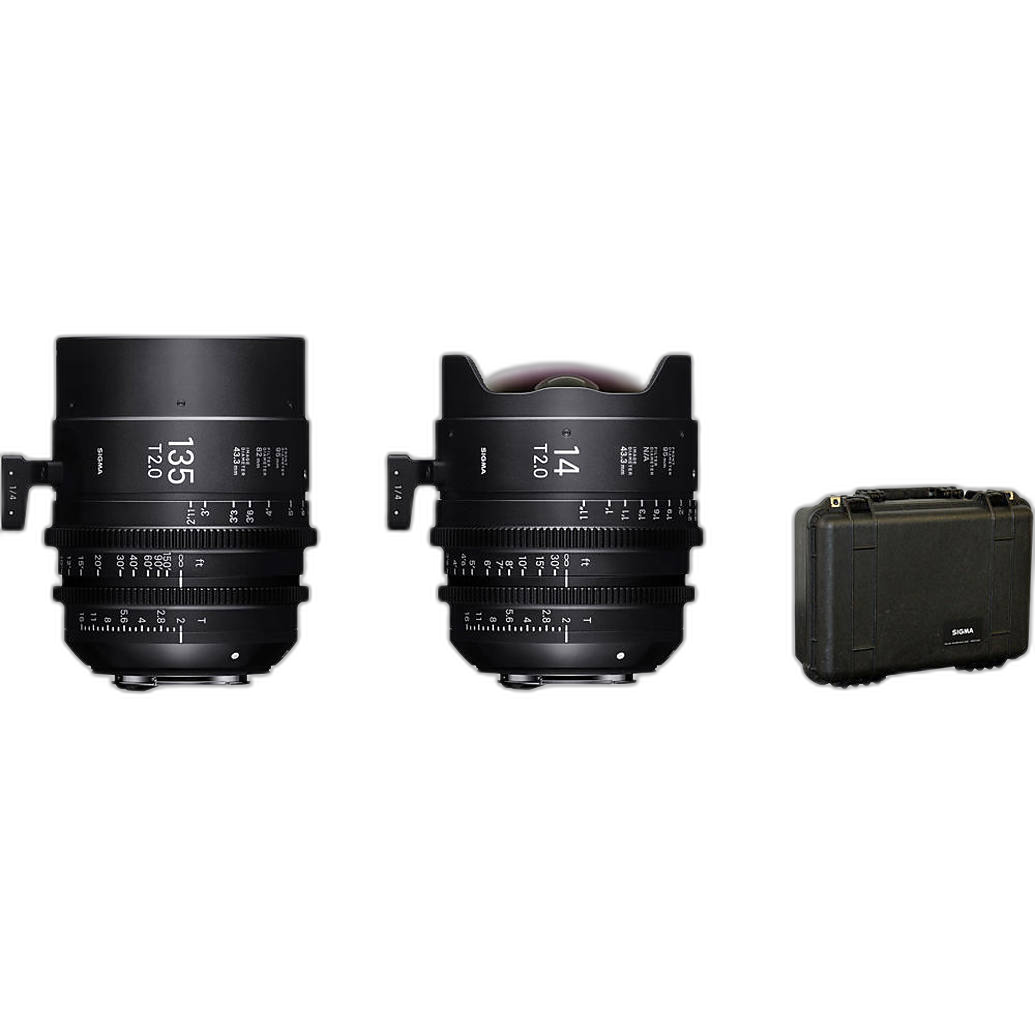
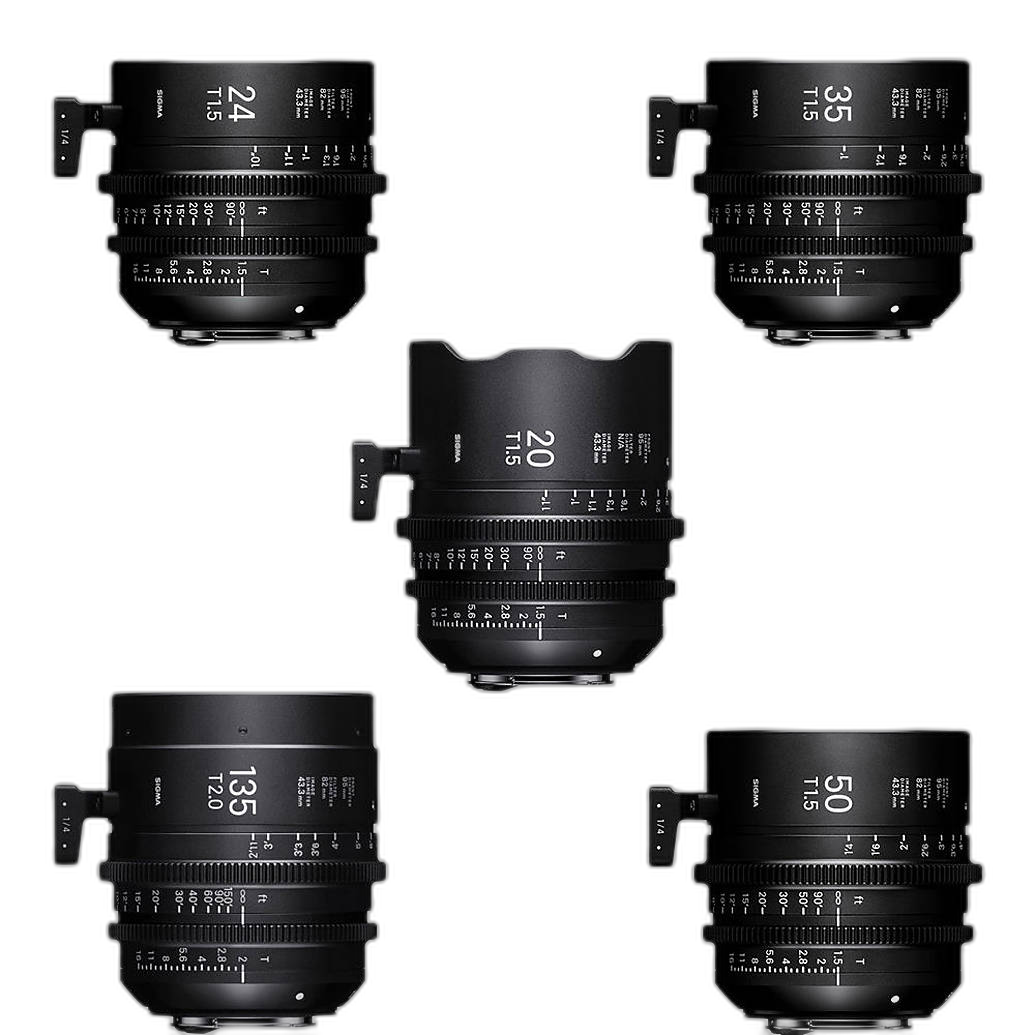
Wide angles are especially valuable in cities where streets are tight and buildings are tall. A lens around 14mm can create dramatic establishing shots, travel video sequences, and immersive environmental scenes. Sigma's 14mm T2 and 135mm T2 FF High-Speed Prime Lens Kits showcase both ends of the storytelling spectrum: expansive wide coverage and highly selective telephoto compression for portraits or distant details. While this type of kit is more specialized than a casual vacation setup, it is highly effective for creators producing polished visual travel work.
Is it better to bring one lens or a small two- or three-lens kit?
For many travelers, one lens is the best answer simply because it reduces friction. You spend less time changing lenses, carry less gear, and can stay focused on the trip. A single-lens approach works especially well for casual travel, family trips, and fast-moving sightseeing days.
A two-lens kit is often the sweet spot for photographers who want more creative flexibility without overpacking. A three-lens kit can still be practical if each lens has a clearly defined purpose and you know you will use all of them. The key is avoiding overlap. If two lenses solve the same problem, one of them probably should stay home.
For dedicated video or commercial travel capture, a matched prime set offers consistency in color, contrast, and handling. That is where kits like the Sigma T1.5 FF High-Speed 5 Fully Luminous Prime Lens Kit with case become appealing, especially for shooters who want a professional lens package ready for transport.
Is it worth leaving the tripod behind to save weight?
Often, yes—but it depends on your goals. If your trip is built around mobility, walking long distances, and spontaneous shooting, skipping the tripod can dramatically improve comfort. Modern cameras with excellent high-ISO performance, in-body stabilization, and fast lenses make handheld shooting more viable than ever.
That said, a tripod still matters for long exposures, night cityscapes, self-portraits, carefully composed video, and scenes where you want maximum technical image quality. If those shots are central to your trip, the tripod may still earn its place. If they are only occasional, you may prefer to rely on stabilization, a fast lens, or improvised support.
Fast prime systems are especially helpful when you are trying to avoid carrying support gear. Lenses in Sigma's T1.5 FF High-Speed series are built for low-light capability and image control, which can reduce the need for a tripod in certain handheld shooting situations.
How should videographers think about travel lens kits differently from still photographers?
Videographers often prioritize consistency over convenience. Matching color, contrast, focus rotation, and physical lens dimensions can make a travel production much smoother, especially when switching between focal lengths on a gimbal, rig, or follow-focus setup. In that context, a coordinated prime set may be more useful than a compact mixed bag of unrelated lenses.
That is why cinema-oriented travelers frequently build around a complete lens family rather than chasing the smallest possible kit. Sigma offers several FF High-Speed Prime kits in Canon EF, Sony E, and PL mounts, making it easier to match your travel setup to your camera platform. These kits are particularly compelling for destination interviews, documentary travel work, branded content, and narrative projects captured on location.
What is the best way to choose a travel lens kit before a trip?
Start by reviewing your last few trips or photo shoots and identify what you actually used. Look at focal lengths, how often you shot in low light, and whether lens changes felt helpful or annoying. Then build around your most common needs, not your rare edge cases.
Also think about the pace of your trip. A relaxed photography-focused itinerary supports a more specialized kit. A vacation with lots of transit, family time, and long walking days usually rewards a simpler setup. If you are producing professional video content while traveling, investing in a matched prime kit can be the right move even if it is not the lightest option available.
The smartest travel lens kit is not the one with the most range or the fastest specs on paper. It is the one that fits your shooting style, your destination, and your tolerance for carrying gear all day.
Whether you are assembling a lean travel photo bag or a more advanced cinema-ready location kit, Unique Photo can help you compare lens systems and choose the right tools for the way you work. Explore our Sigma lens selection and build a travel setup that keeps your load manageable without compromising your creative standards.