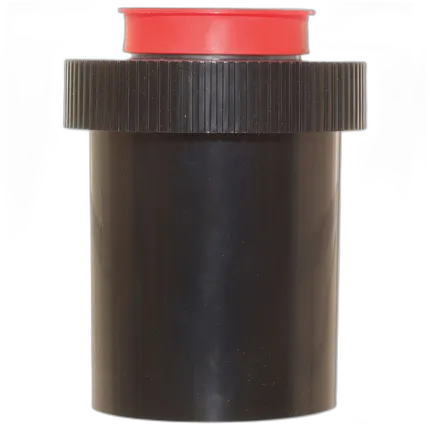
Samigon Universal Plastic Developing Tank with 2 Reels
Key Features
- Universal plastic developing tank designed for home and classroom film processing.
- Includes 2 adjustable reels for developing multiple rolls in one session.
- Suitable for black-and-white film developing workflows.
- Light-tight tank design allows chemistry pouring after film is loaded.
- Durable plastic construction helps provide reliable, repeatable use.
- Ideal for photographers processing 35mm and similar roll film formats with compatible reels.
OVERVIEW
The Samigon Universal Plastic Developing Tank with 2 Reels is a practical darkroom essential for photographers who want a simple, efficient way to process film at home, in a school lab, or in a community darkroom. Built around a light-tight plastic tank design, it allows film to be loaded onto reels in darkness and then processed with chemistry in normal room light once the lid is secured. This style of tank remains a popular choice for black-and-white film photographers because it is straightforward to use, easy to clean, and well suited to repeatable hand-processing.
Including two reels, this kit gives users the flexibility to process more than one roll at a time, helping save chemistry and streamline developing sessions. For film shooters building a starter darkroom setup or replacing an older tank, the ESA321 offers a dependable solution for manual film development.
Compatible With
- 35mm roll film loaded onto the included adjustable reels
- Other compatible roll film formats supported by the universal reel design
Key Features
This Samigon developing tank is designed for convenient hand development of photographic film. The plastic construction helps keep the unit lightweight while resisting corrosion from common photo chemicals when cleaned and maintained properly. The included reels are intended to guide film evenly during loading so chemistry can circulate around the emulsion for consistent development. A secure lid and pouring system help reduce spills while making agitation and chemical changes easier during the process.
Why Choose a Plastic Developing Tank
Plastic tanks remain a favorite among many film photographers because they are approachable for beginners and practical for experienced users. Compared with more traditional metal systems, plastic tanks are often easier to load once the reel technique is learned, and they are generally comfortable to handle during inversion or agitation cycles. They are also well suited for photographers who process film occasionally and want a low-maintenance solution that is ready whenever inspiration strikes.
Benefits for Film Photographers
Developing your own film offers greater control over the final look of your negatives. With a tank like this, photographers can fine-tune development times, agitation patterns, and chemistry choices to influence contrast, grain, and tonal response. That makes it an excellent tool for black-and-white enthusiasts who enjoy hands-on image making from exposure to final scan or print.
Typical Use Cases
The Samigon Universal Plastic Developing Tank with 2 Reels is well suited for home darkroom users, students learning analog techniques, and photographers returning to film after years of digital shooting. It can serve as the core of a compact developing station alongside measuring graduates, thermometers, storage bottles, changing bags, and film clips. Whether you are processing test rolls, personal projects, or classroom assignments, a two-reel tank provides flexibility without taking up much space.
Workflow Tips
For best results, practice loading reels with scrap film before your first development session. Make sure reels are completely dry before loading, as damp plastic reels can make film feeding more difficult. Use properly mixed chemistry, maintain recommended temperatures, and follow film- and developer-specific times. Consistent agitation and careful rinsing help improve negative quality and reduce streaks or uneven development.
Recommended Accessories
To build a more complete film processing setup, consider pairing this tank with black-and-white developer, stop bath, fixer, a film changing bag, graduated cylinders, a darkroom thermometer, storage bottles, a timer, and film drying clips. Scanners, contact printing supplies, and archival sleeves are also useful additions for photographers who want to organize, digitize, and preserve their negatives after processing.
Specifications and Build
Model: ESA321. UPC: 049822533211. Product type: universal plastic film developing tank with two reels. Material: plastic. The exact manufacturer-published dimensions and weight were not provided here, but the tank is designed as a compact hand-processing solution suitable for standard film developing tasks.
A Brief Note on Film Tank History
Daylight developing tanks transformed film processing by allowing photographers to move most of the workflow out of a fully dark darkroom. Once film is loaded in darkness, the sealed tank permits chemistry changes in room light, making film development far more accessible for enthusiasts. Products like this Samigon tank continue that tradition, helping keep analog photography approachable for new generations of photographers.
Brand
physical specifications
| Weight | |
| Dimensions |
film specifications
| Film Type | Black & White Film |
detailed specifications
| Material | Plastic |
developer attributes
| Chemistry Type | Black & White Film |
| Powder/Liquid | |
| Material Weight |
- Samigon Universal Plastic Developing Tank
- 2 x Film developing reels
No creators have tagged this product yet.
Articles featuring this product
First Time Developing B&W at Home: Essential Tips for a Mistake-Proof Process
Aug 26, 2026
·
Unique Photo
Tips for Home Developing B&W Film: Essential Equipment and Methods Compared
Aug 22, 2026
·
Unique Photo
Community questions about this gear
Ask a question
0
votes
2
answers
139
0
votes
2
answers
225
What can cause uneven B&W film development in a JOBO tank when a Paterson tank works fine?
Photography Stack Exchange contributor
7y ago
0
votes
2
answers
138
How do I interpret Tetenal Ultrafin A/B agitation instructions for black-and-white film?
Photography Stack Exchange contributor
4y ago
0
votes
2
answers
146
How can I develop and dry 4x5 black-and-white sheet film while camping from a car?
Photography Stack Exchange contributor
9y ago
0
votes
2
answers
163