Comparing Capture and Output Tools for Home Color Film Enthusiasts
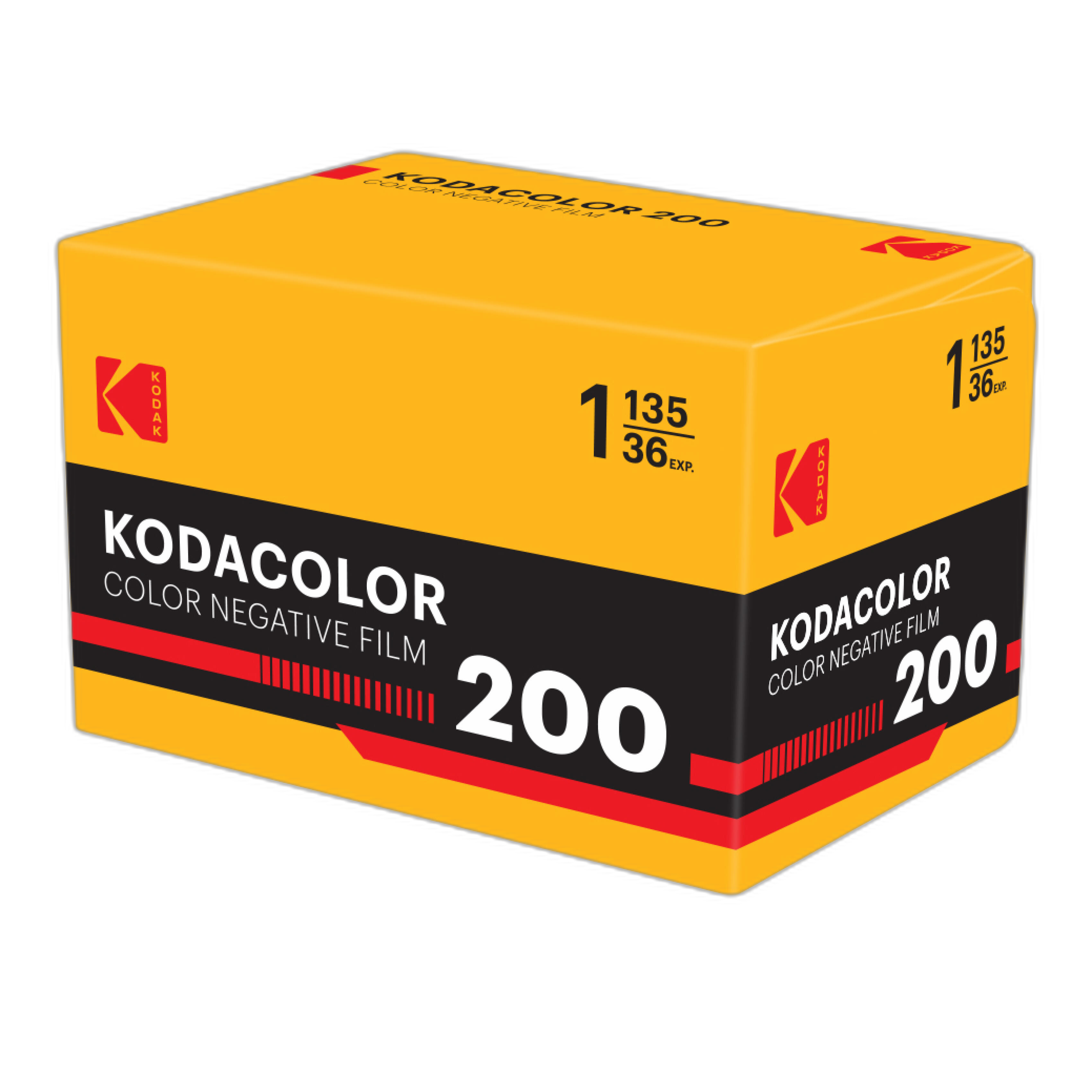
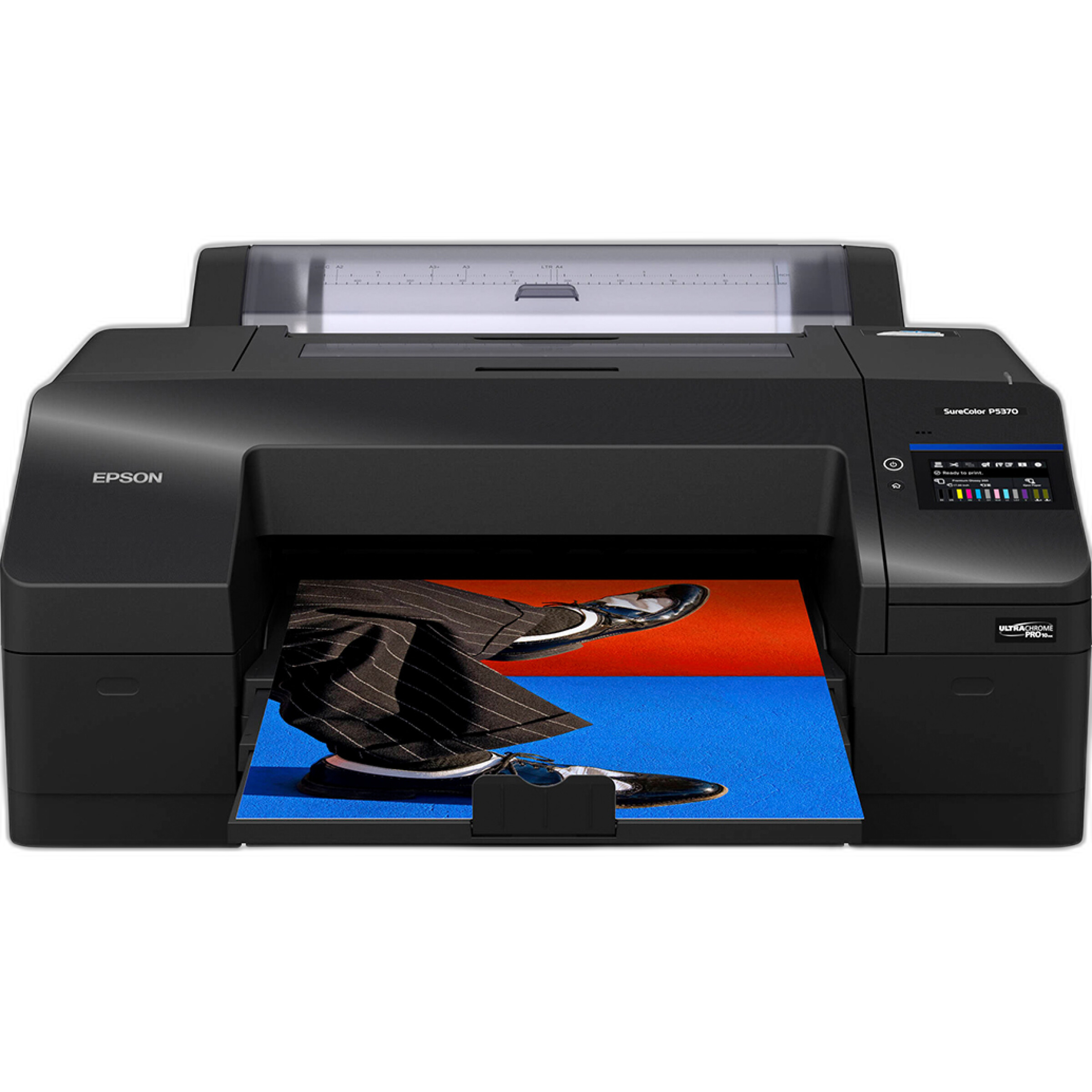
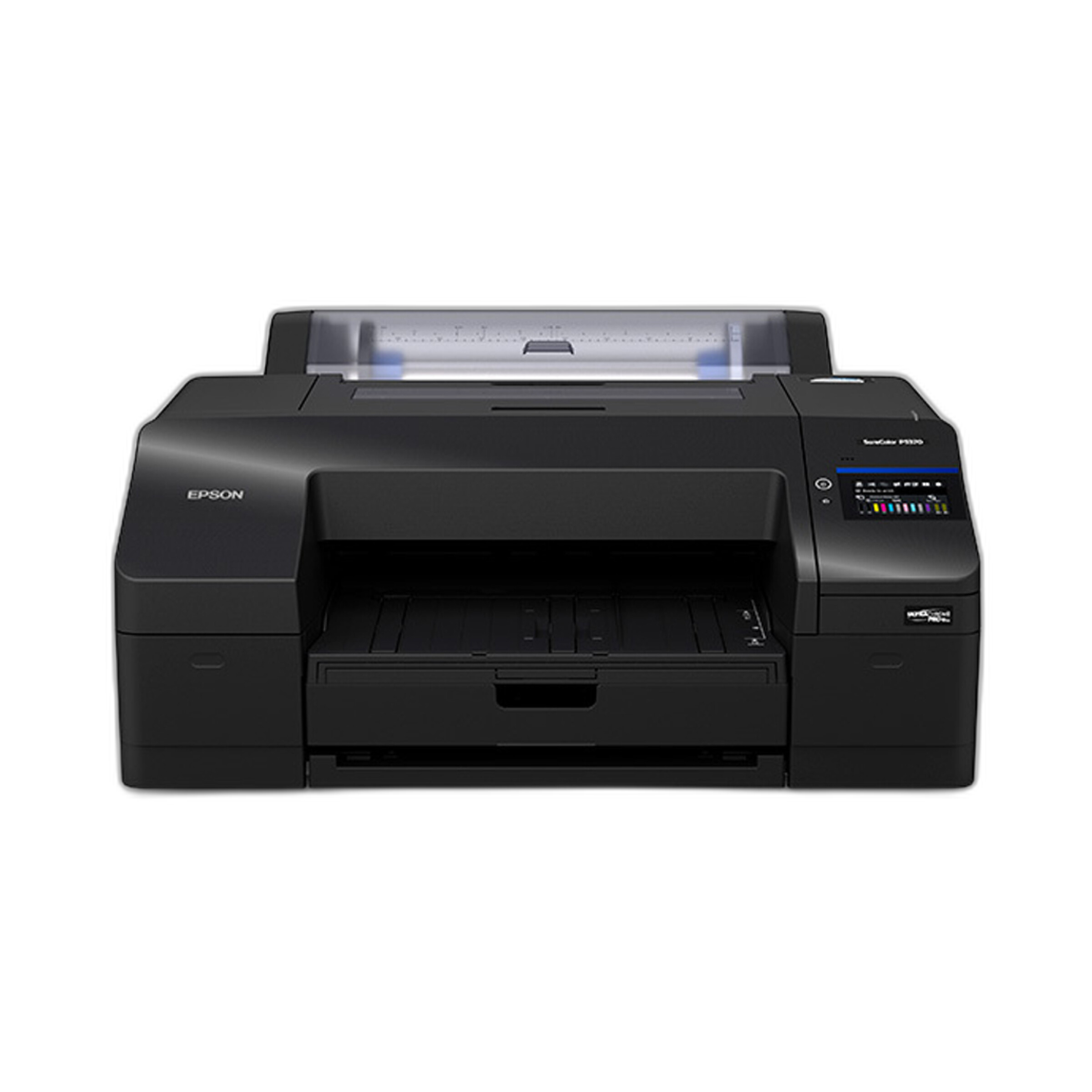
Photographers trading advice about home-developing color film usually focus on chemistry, temperature control, agitation, and drying. But just as important is what happens before and after the tank: the film you choose and the way you evaluate or print your results. In that sense, this comparison looks at two very different but highly relevant products in a home color film workflow: the KODAK KODACOLOR 200 CB-135-36 for making C-41 negatives, and the Epson SureColor P5370 for turning those negatives or scans into refined final prints. One is about getting dependable color negatives into your developing reels; the other is about accurately assessing color, density, and correction after development.
For photographers troubleshooting common home-processing issues like color shifts, muddy shadows, thin negatives, or uneven development, this head-to-head helps clarify where each product fits and which one is the smarter buy depending on your stage in the workflow.
Side-by-Side Specs
| Product | Type | Best Use | Color Workflow Role | Format / Size | Who It's For |
|---|---|---|---|---|---|
| KODAK KODACOLOR 200 CB-135-36 | Color negative film | Shooting and home C-41 development | Creates the negative you will process | 35mm, 36 exposures | Film shooters learning or refining home color development |
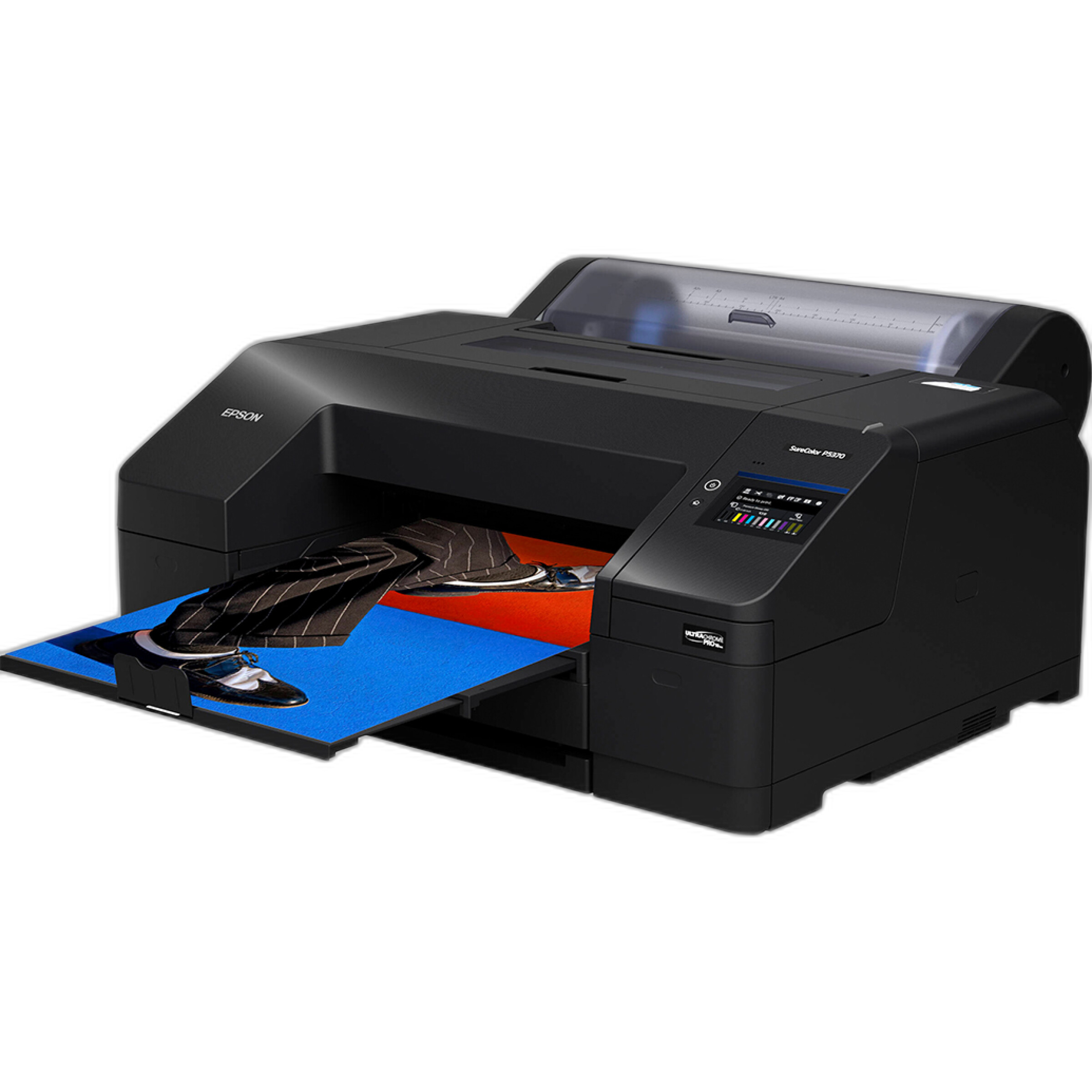
| Epson SureColor P5370 17-Inch Professional Photographic Printer | Photo printer | Printing scans or digital files from developed negatives | Evaluates and outputs corrected color results | 17-inch printer | Advanced users making high-quality prints from film scans |
Why These Two Products Matter in Home Color Development
At first glance, a roll of film and a professional printer may not seem like direct competitors. In practice, they represent two common investment paths for people discussing home-developed color film: improving the negative itself or improving how the final image is judged and printed.
If your biggest challenge is getting started with C-41 at home, film choice matters most. If you are already developing consistently but need a better way to identify subtle color crossover, judge density, and produce finished work, a high-end printer becomes the more transformative tool.
1. Starting the Process: Film Stock vs Output Device
The Kodak roll is the obvious starting point because no home-developing conversation happens without exposed film. For people working through step-by-step C-41 processes, the basic sequence remains familiar: expose the film properly, load it in darkness, maintain chemistry at the correct temperature, process according to kit times, wash, stabilize, and dry carefully. Using a mainstream ISO 200 color negative film stock gives beginners a practical baseline when learning how temperature drift or underexposure affects final color.
The Epson, on the other hand, enters later in the chain. After development and scanning, it lets you examine your corrections in print form. That is especially useful when online discussions turn to questions like, “Is this magenta shift from my chemistry, my scan, or my monitor?” A strong print workflow can reveal whether the issue is truly in the negative or simply in interpretation.
2. Equipment Requirements for Home Color Film
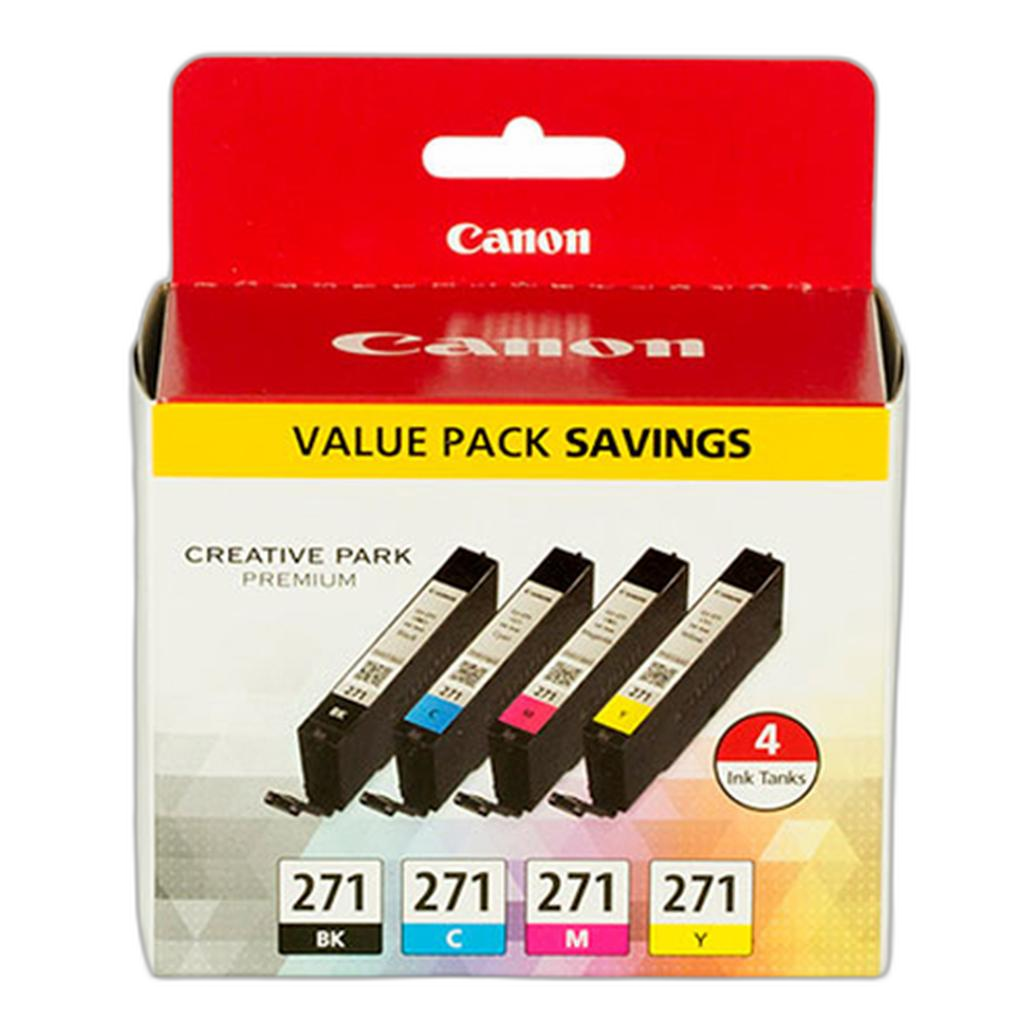
When users ask what equipment is required for home color developing, the film stock itself is the least complicated part. The Kodak option works with the standard gear most C-41 hobbyists already discuss: a daylight tank, reels, accurate thermometer, tempered water bath, C-41 chemistry kit, timer, clips for drying, and ideally a clean dust-controlled space. In this context, Kodak film is a practical consumable rather than a technical barrier.
The Epson printer has different requirements altogether: workspace, paper, ink, calibration discipline, and a scan-to-print workflow. It is not necessary for developing film, but it becomes valuable if your home process has matured beyond “Can I develop color at home?” into “How can I consistently produce polished final results?”
3. Troubleshooting Common Problems
Most home color film problems fall into a few predictable categories:
- Color shifts from exhausted chemistry, wrong temperature, or scanning interpretation
- Uneven development from poor agitation, improper loading, or chemistry volume issues
- Thin negatives from underexposure or underdevelopment
- Dense negatives from overexposure or development errors
- Drying marks or dust during the finishing stage
The Kodak film helps you standardize your process by giving you a consistent test subject for repeated experiments. If you are changing only one variable at a time—say, tightening temperature control or altering agitation—you can learn a lot from shooting multiple rolls of the same stock.
The Epson helps with diagnosis after the fact. Printing the same scan with subtle correction variations can make it easier to identify whether a yellow cast is baked into the negative, introduced in scanning, or exaggerated on screen. For experienced users, that makes a printer a problem-solving tool, not just an output device.
4. Step-by-Step Value in Real Use
Kodak KODACOLOR 200: Best suited to the classic home-development learning loop: shoot, develop, evaluate, adjust, repeat. It supports the essential step-by-step discipline users talk about most—consistent exposure, controlled chemistry, and reviewing negatives for repeatability.
Epson SureColor P5370: Best suited to the refinement loop after scanning: compare files, soft-proof, print test strips, adjust color balance, and make exhibition-quality prints. For photographers already getting decent negatives, this may be the bigger leap in image quality.
5. Which Delivers More Immediate Benefit?
For most people specifically asking about home developing color film, the Kodak film is the more immediate and relevant purchase. It is directly tied to every part of the C-41 learning process. You cannot troubleshoot development problems without film to expose and test.
The Epson is more aspirational and specialized. It becomes highly attractive once your negatives are good enough that output quality is the next bottleneck. If your chemistry control is still inconsistent, the printer will not solve that. If your negatives are already solid, it can dramatically elevate the final stage.
Our Pick
Recommended for most home color film developers: KODAK KODACOLOR 200 CB-135-36.
Why? Because it is the product that directly supports the actual process users are discussing: exposing, developing, and troubleshooting C-41 film at home. It is the more practical comparison winner for beginners and intermediate film photographers trying to fix color shifts, improve consistency, and understand how process changes affect negatives.
Choose the Epson SureColor P5370 instead if your home development routine is already reliable and your next goal is premium print output from scanned negatives.
Final Thoughts
Home color film development is all about control: exposure control, temperature control, agitation control, and evaluation control. The Kodak film gives you a strong foundation for learning and testing your C-41 workflow, while the Epson printer serves photographers who are ready to turn successful negatives into serious finished prints. If you are building out your color film workflow, Unique Photo is a great place to find both the film and output tools that match your stage of experience.