Home B&W Film Developing: Kits, Tanks, and Chemistry Compared
Developing black-and-white film at home is one of the most rewarding ways to take control of your photographic process. Whether you want a simple starter setup, a traditional tank-and-reel workflow, or a more specialized chemistry path, choosing the right equipment can make home processing easier, more consistent, and more enjoyable. In this comparison, we look at several useful options for building a home B&W developing setup, from all-in-one kits to standalone tanks and chemistry solutions.
This guide compares beginner-friendly kits, core processing tools, and specialty chemistry so you can better match your gear to your method, budget, and experience level.
Side-by-Side Comparison
| Product | Type | Best For | Strengths | Considerations |
|---|---|---|---|---|
| Photographic Darkroom Film and Paper Developing Kit | Complete darkroom kit | Users wanting film and paper capability | Broad starter setup, supports more traditional darkroom workflows | More than some film-only users need |
| Unique Black and White Film Developing Kit | B&W film starter kit | Beginners and convenient home processing | Focused on film developing essentials, approachable all-in-one option | Less flexible than building a custom setup over time |
| Samigon Universal Plastic Developing Tank with 2 Reels | Developing tank | Traditional hand processing | Simple reusable tank, includes 2 reels, scalable core tool | Requires separate chemistry and accessories |
| Lomography Lomo Daylight Developing Tank 35 mm | Daylight tank | 35mm shooters seeking simplified loading | Daylight-oriented approach can reduce darkroom dependence | More specialized format use |
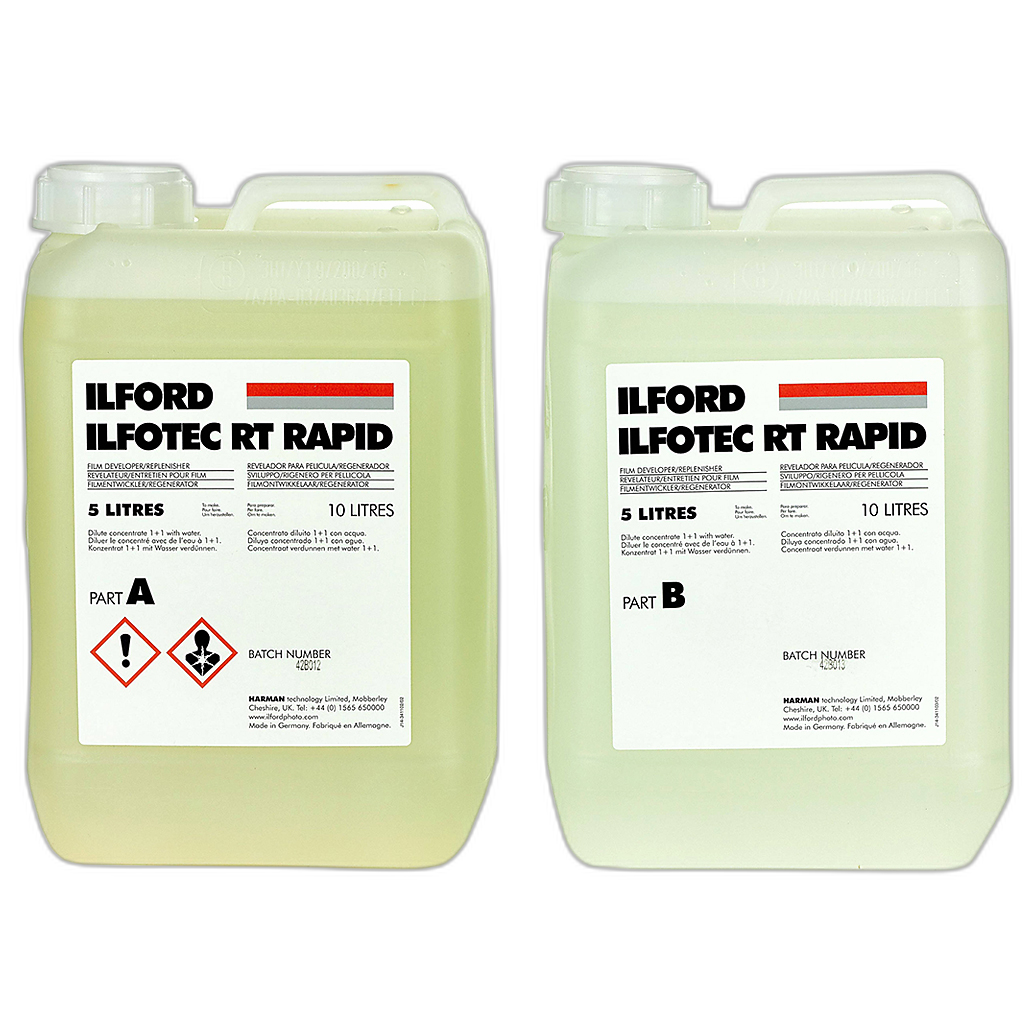
| Ilford Ilfotec RT Rapid Developer/Replenisher 25L | Film developer chemistry | High-volume processing | Large-capacity replenisher workflow, efficient for repeated use | Overkill for most home beginners |
| Ilford Ilfotec DD Developer Replenisher 5L | Film developer chemistry | Home users wanting quality developer capacity | Trusted Ilford chemistry, practical volume for regular use | Still requires the rest of the workflow setup |
| ADOX Scala Reversal Kit for B&W Slide Processing | Specialty chemistry kit | Experimental B&W reversal processing | Enables black-and-white slide results, unique creative option | More advanced and specialized than standard negative development |
| Beseler Printmaker Darkroom Kit | Darkroom kit | Users expanding into printing | Useful for broader darkroom work beyond film developing | Best suited to those wanting printmaking too |
What You Actually Need to Develop B&W Film at Home
At minimum, home black-and-white developing requires a light-tight developing tank, reels matched to your film format, developer, stop bath or water rinse method, fixer, accurate measuring tools, and a drying workflow. For many photographers, the easiest path is a complete starter kit. For others, a pieced-together setup built around a reliable tank and chemistry provides better long-term flexibility.
If your goal is simply to process negatives cleanly and consistently, a film-focused kit is usually the fastest route. If you also want to make darkroom prints, then a more expansive film-and-paper kit makes more sense.
Best Starter Kit for Most Beginners
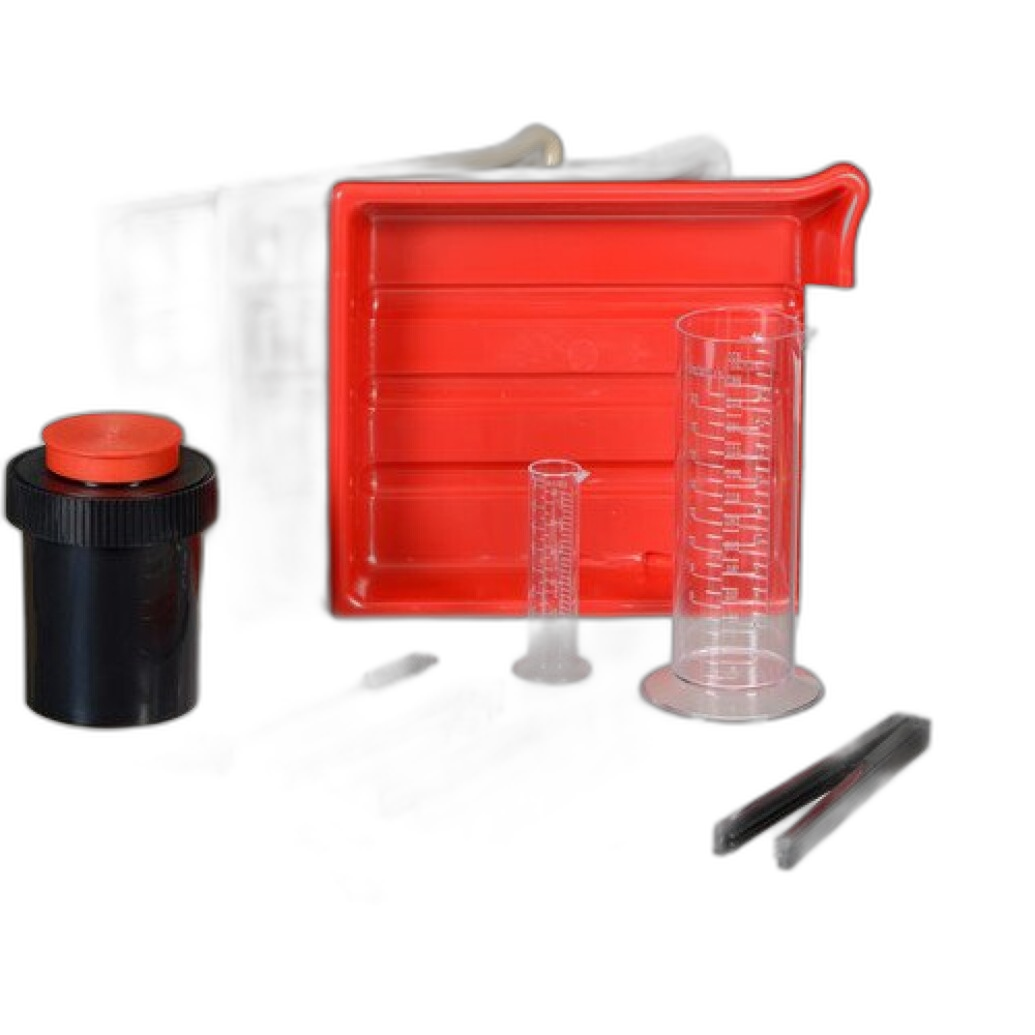
The Unique Black and White Film Developing Kit is the most straightforward option here for someone starting home B&W processing. Instead of asking you to assemble separate tools and chemistry piece by piece, it centers the workflow around film development essentials. That makes it especially appealing for first-time users who want to move from exposed rolls to developed negatives without a lot of guesswork.
Compared with a larger darkroom package, this kind of focused kit avoids the added complexity of paper printing gear. For photographers whose immediate goal is developing film for scanning, that narrower approach is usually the smartest buy.
Best If You Want Film and Paper Capability
The Photographic Darkroom Film and Paper Developing Kit is better suited to photographers who want a broader darkroom foundation. If you envision developing negatives and eventually making prints, a more comprehensive darkroom kit can be the better long-term investment.
Compared with a film-only kit, this option is less minimal, but it opens the door to a more traditional analog workflow. That makes it attractive for students, enthusiasts setting up a home darkroom, or anyone who wants to do more than just process film for scanning.
Best Standalone Tank for Traditional Processing
The Samigon Universal Plastic Developing Tank with 2 Reels is a practical choice for photographers who want to build a custom processing setup. A solid tank is the centerpiece of manual B&W developing, and including two reels adds useful flexibility for handling multiple rolls.
Compared with buying a full kit, choosing a standalone tank like this gives you freedom to select your preferred chemistry, thermometer, graduates, and accessories. It is often the better route for photographers who already own some darkroom tools or want to upgrade gradually.
Best for Simplified 35mm Daylight Loading
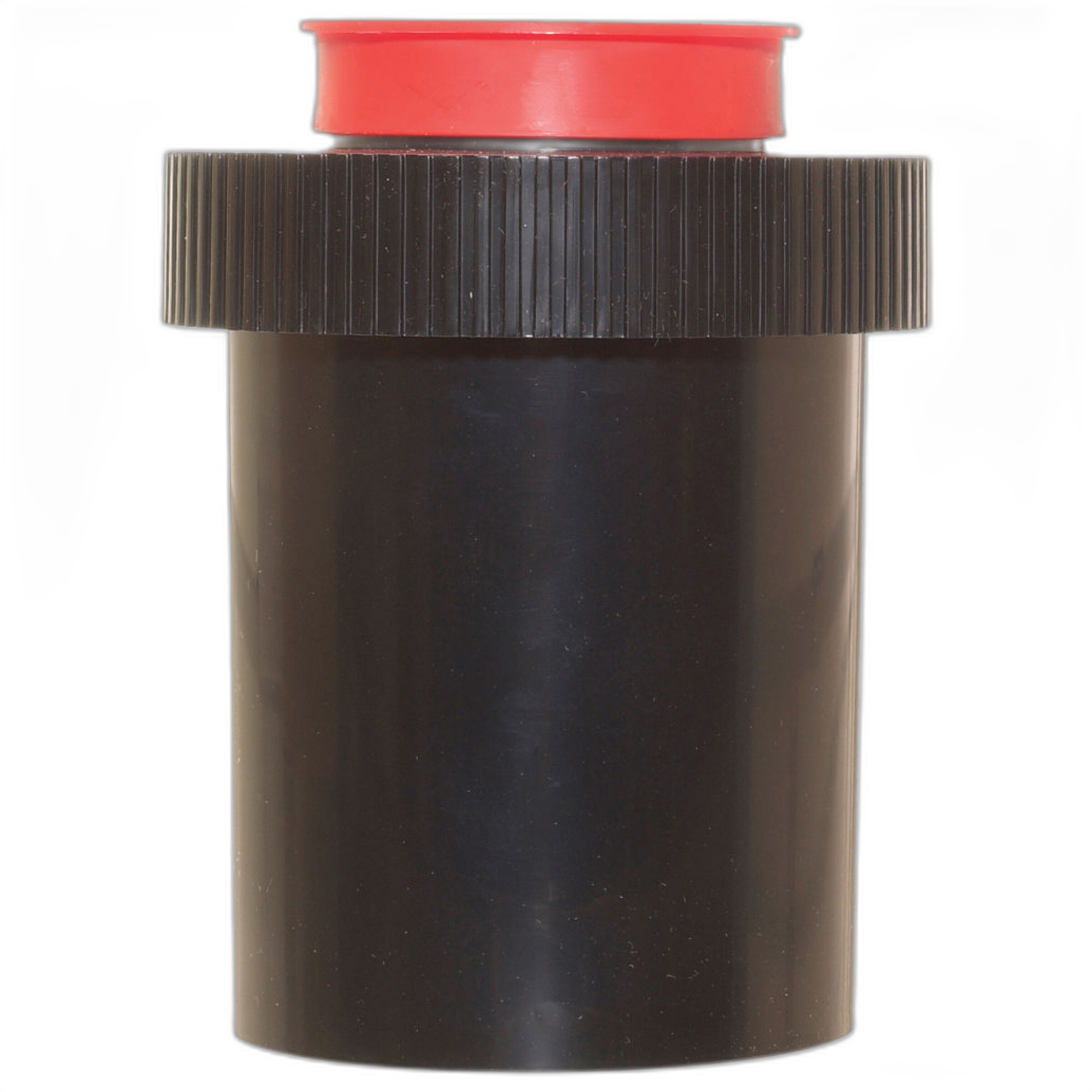
The Lomography Lomo Daylight Developing Tank 35 mm stands out because it approaches film loading a bit differently than a conventional dark-bag-or-darkroom tank workflow. For 35mm photographers who are intimidated by loading reels in darkness, a daylight-oriented tank can make the process feel more approachable.
Its biggest advantage is convenience, especially for beginners who find reel loading to be the hardest part of home developing. The tradeoff is specialization: it is more format-specific and less universally flexible than a traditional multi-format tank system.
Choosing the Right Chemistry
Chemistry choice shapes both your results and your workflow. Some photographers prioritize convenience and economy, while others care most about tonal rendering, replenishment systems, or specialty outcomes like reversal processing.
Best Developer for Regular Home Use
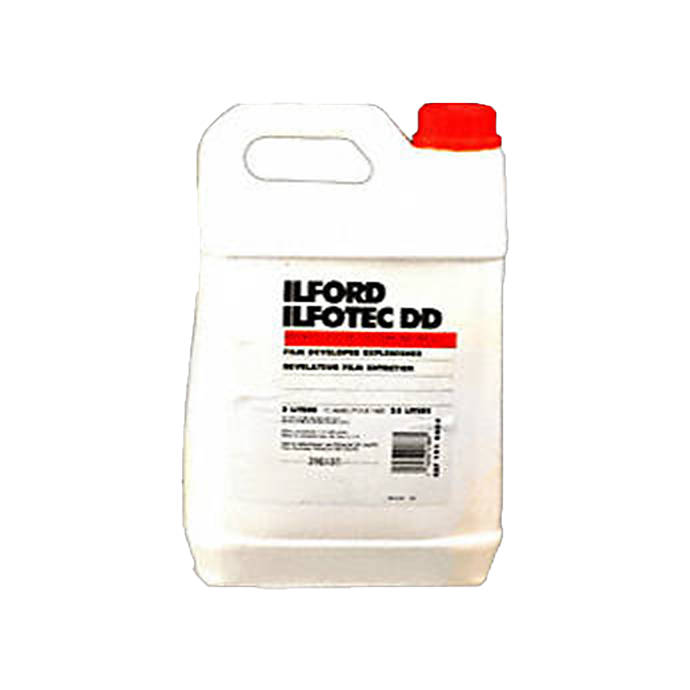
The Ilford Ilfotec DD Developer Replenisher 5 Liters is the more practical chemistry option here for many active home users. It offers a manageable volume compared with larger lab-style solutions, while still giving enough capacity for photographers who process film consistently.
Compared with the 25-liter Ilfotec RT option, the 5-liter DD replenisher is more realistic for a home darkroom. It strikes a better balance between capacity and storage practicality, especially if you are not running a high-throughput setup.
Best for High-Volume Processing
The Ilford Ilfotec RT Rapid Developer/Replenisher 25 Liter is a more specialized choice. Its larger volume and replenisher orientation make it better suited to users processing a lot of film on a regular basis, such as classrooms, small labs, or highly active photographers.
For the average home user, though, it may simply be too much chemistry to manage efficiently. Unless your processing volume is high enough to justify it, smaller-volume chemistry is generally more practical and economical.
Best Specialty Option for Creative Reversal Processing
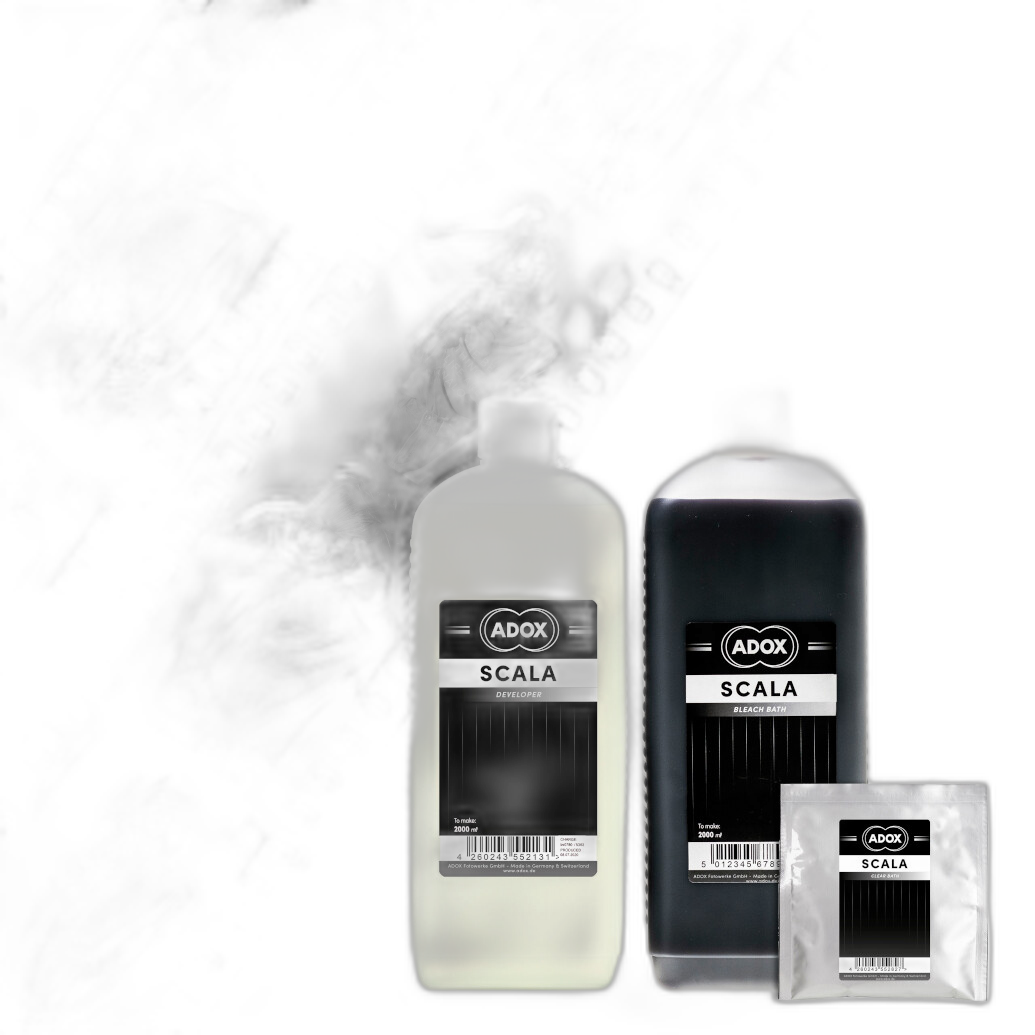
The ADOX Scala Reversal Kit for B&W Slide Processing is the outlier in this comparison, and that is exactly why it is interesting. Rather than producing standard black-and-white negatives, it is designed for reversal processing, allowing you to create black-and-white slides.
This is not the first chemistry kit most beginners should buy, but for experienced film users who want to experiment with projection, direct positives, or a different monochrome workflow, it offers a creative path that standard developer-fixer routines do not.
When a Darkroom Kit Makes More Sense Than a Film Kit
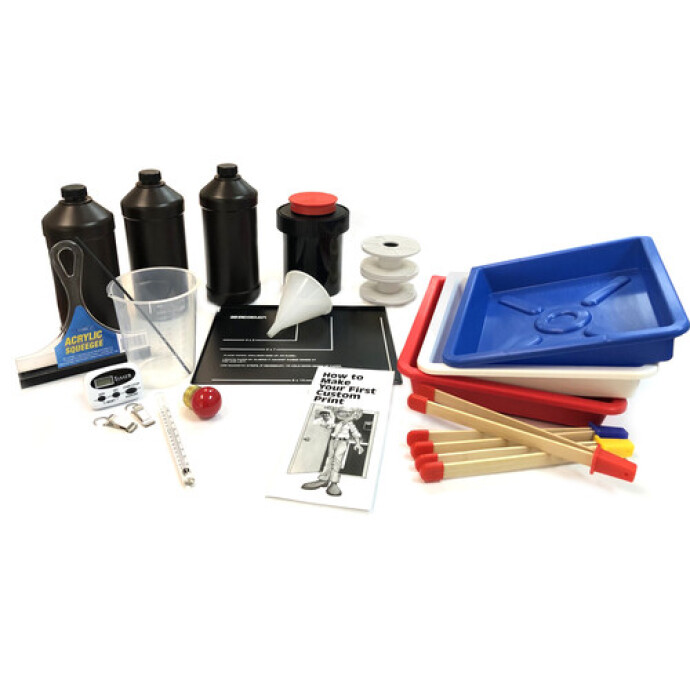
If your interest in home developing is part of a larger analog practice, a full darkroom-oriented package can offer more value. The Beseler Printmaker Darkroom Kit is more relevant for photographers who want to move beyond processing rolls and into printmaking.
Compared with a film-specific starter kit, a printmaker kit supports a more complete wet darkroom experience. That makes it less essential for scanning-focused shooters, but potentially more rewarding for photographers who want to produce physical prints at home.
Our Pick
Our Pick: Unique Black and White Film Developing Kit
For most photographers getting started with home B&W film processing, the Unique Black and White Film Developing Kit is the clearest recommendation. It is the most directly aligned with the core task of developing black-and-white film at home, without pushing beginners into a larger print-darkroom investment before they are ready.
If you want the easiest path to developing your own negatives, this is the best place to start. If you already know you want a broader darkroom setup, the Photographic Darkroom Film and Paper Developing Kit is the better step-up option. And if you are building a custom system, pair a tank like the Samigon with the Ilford chemistry that best fits your processing volume.
Final Thoughts
The best home B&W developing setup depends on whether you value simplicity, expandability, or experimentation. A focused starter kit is ideal for beginners, a standalone tank-and-chemistry workflow offers the most flexibility, and specialty chemistry opens the door to more advanced techniques. No matter which route you choose, having the right equipment makes the process cleaner, more repeatable, and more enjoyable.
If you are ready to start developing black-and-white film at home, Unique Photo offers a strong selection of film kits, tanks, chemistry, and darkroom essentials to help you build the workflow that fits your style.