Best Mirrorless Cameras for Low-Light Photography: FAQ for 2024 Buyers
Low-light photography is one of the biggest reasons photographers upgrade to a newer mirrorless camera. Whether you shoot events, street scenes at night, concerts, travel interiors, or moody portraits, the right camera body and lens combination can make a major difference in image quality, autofocus confidence, and overall keeper rate.
Below, our team at Unique Photo answers the most common low-light mirrorless camera questions we hear from shoppers comparing today’s most popular formats and feature sets. While many buyers start by comparing well-known full-frame bodies, it’s also important to look at lens options, stabilization, autofocus, and how you actually plan to shoot.
1. What matters most in a mirrorless camera for low-light photography?
Low-light performance is about more than a single spec. Sensor size matters, but so do image stabilization, autofocus sensitivity, lens brightness, and how clean the files remain at higher ISO settings. Full-frame cameras generally offer an advantage in noise control and dynamic range, especially when you need to recover shadow detail. That said, a well-stabilized system with a bright lens can outperform a larger sensor paired with a slower lens in many real-world situations.
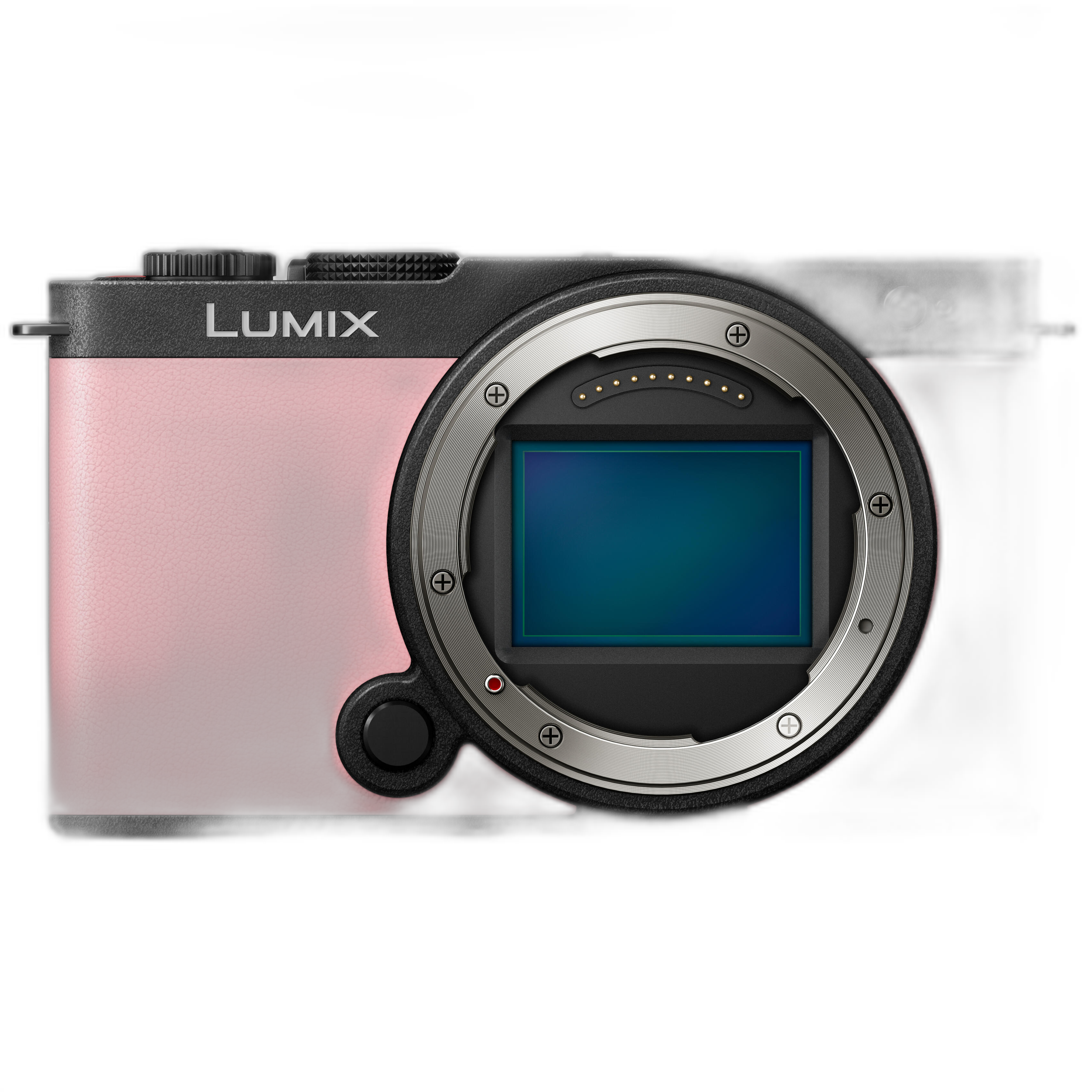
For example, if you want a compact full-frame option for available-light shooting, the Panasonic LUMIX S9 is an appealing choice thanks to its full-frame sensor and portable design. If your style involves slower shutter speeds for static scenes, body stabilization can be just as valuable as raw sensor size.
2. How should buyers think about comparisons like Sony A7 IV vs. Canon R6 Mark II in low light?
When photographers compare two advanced full-frame bodies for low-light work, the differences are usually smaller than expected. In this class, both image quality and autofocus are strong enough for demanding work, and the final result often depends more on lens choice, exposure technique, and subject movement than on a dramatic gap in sensor performance.
What usually separates cameras at this level is the shooting experience: autofocus behavior in dim conditions, burst performance, in-body stabilization, color response, menu system, and lens ecosystem. If you often photograph people in motion under poor lighting, dependable subject detection and fast focus acquisition become critical. If you shoot architecture, interiors, or static night scenes, stabilization and dynamic range may matter more.
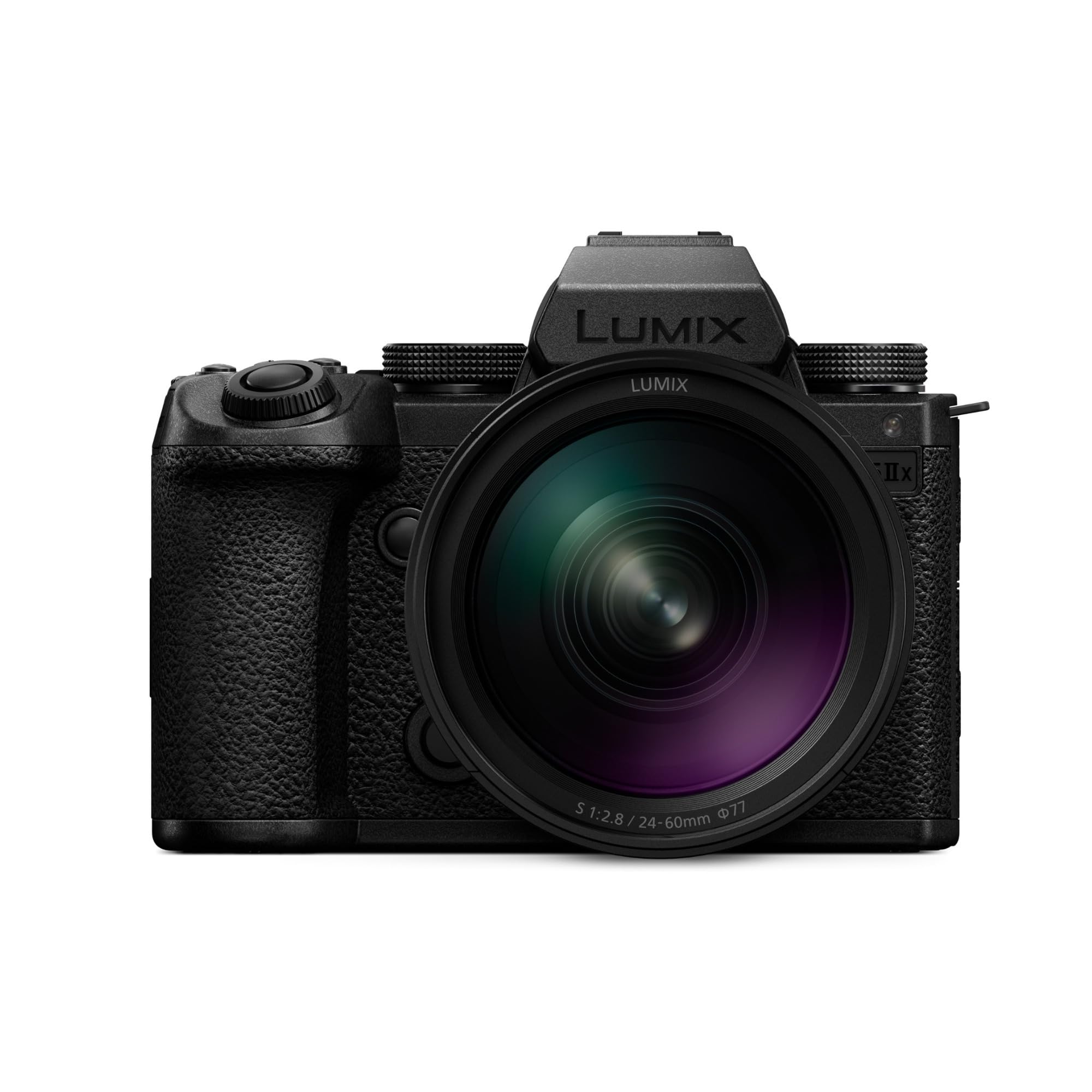
At Unique Photo, we often suggest looking beyond brand-vs.-brand debates and instead matching the camera to your workflow. For buyers considering a full-frame mirrorless system for low-light stills and hybrid shooting, the Panasonic Lumix S5IIX with 24-60mm f/2.8 lens kit is a strong example of a practical setup: full-frame capture, a bright standard zoom, and strong all-around performance for photo and video users.
3. Are full-frame cameras always better than APS-C or Micro Four Thirds in low light?
Full-frame cameras typically have the edge when you compare files at the same exposure and output size, especially at higher ISO settings. You can usually expect cleaner shadows, smoother tonal transitions, and more flexibility when editing underexposed frames. That is why full-frame remains a top recommendation for event photographers, wedding shooters, and anyone who regularly works in dim available light.
However, smaller formats should not be dismissed. Modern APS-C and Micro Four Thirds cameras are extremely capable, especially when paired with fast lenses and strong stabilization. If your subjects are not moving quickly, in-body stabilization can let you handhold at slower shutter speeds and keep ISO lower. For travel, documentary, and handheld night scenes, that can offset part of the sensor-size gap.
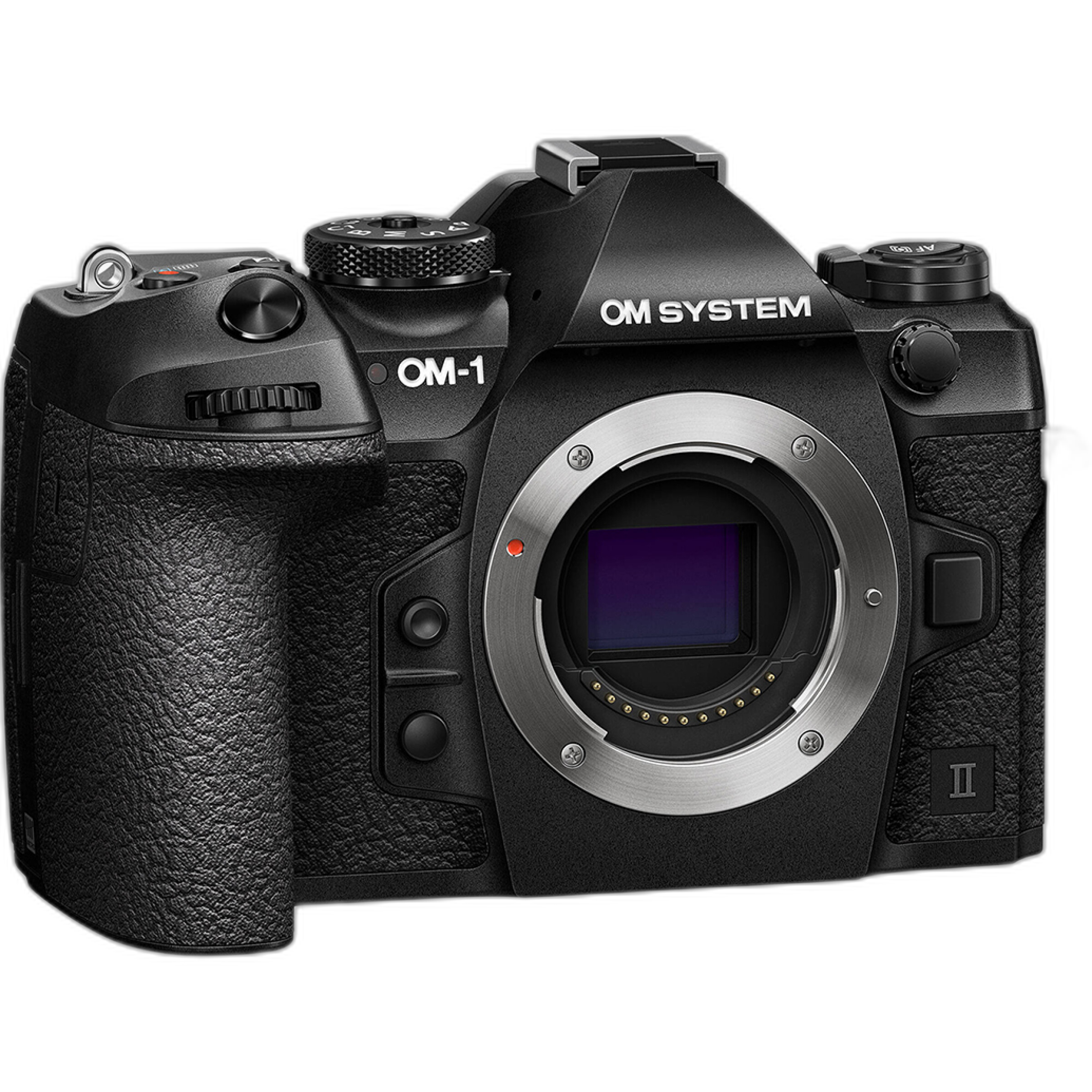
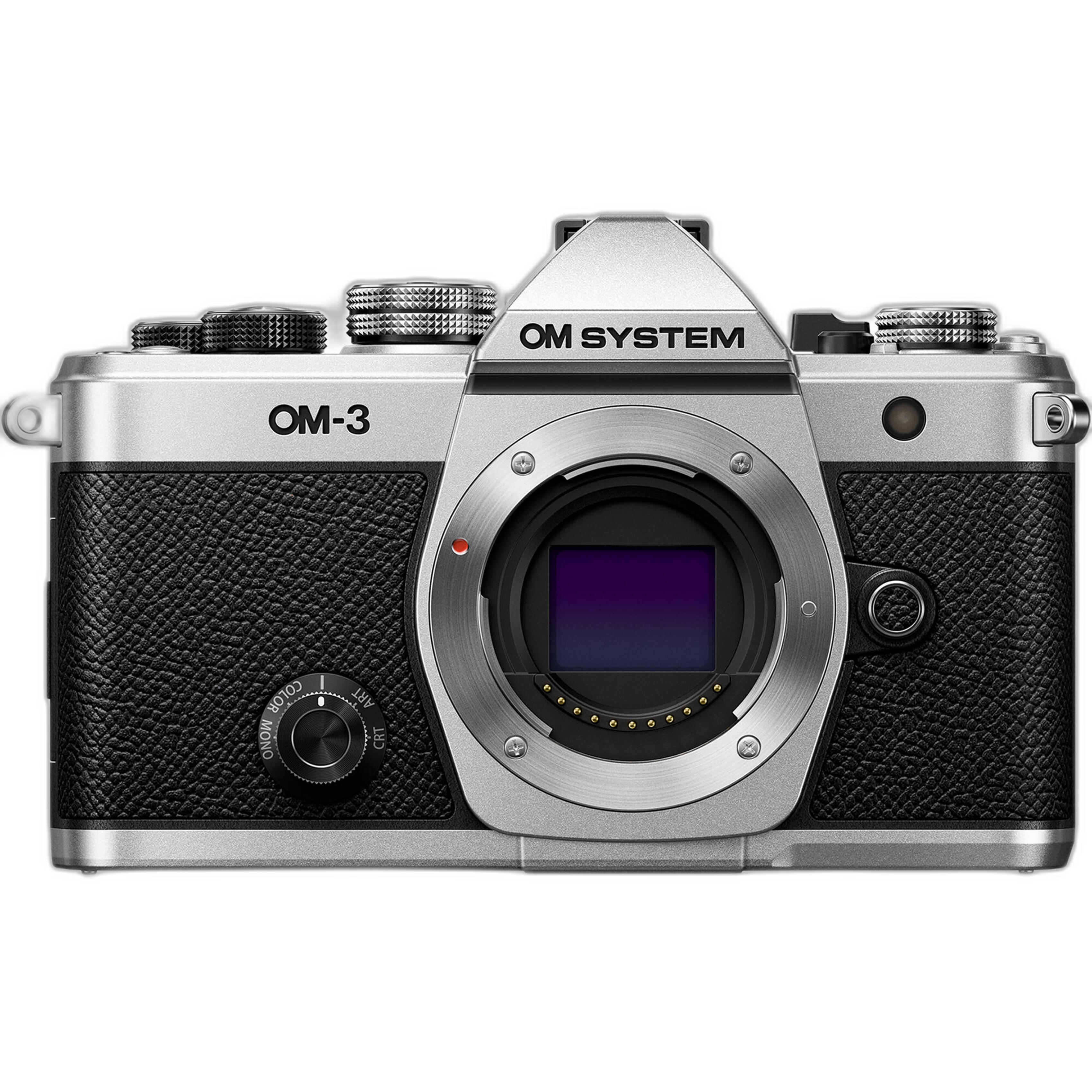
The OM SYSTEM OM-1 Mark II is a great example of how a smaller format body can still be highly effective in challenging light, especially for photographers who value speed, portability, and stabilization. The OM SYSTEM OM-3 is another option for shooters who want a more compact mirrorless body without carrying a larger full-frame setup.
4. What kind of low-light results can you expect from a Nikon Z6 II class camera?
Cameras in the Nikon Z6 II category have earned a strong reputation because they balance resolution, speed, and relatively clean high-ISO output. In practical terms, this type of full-frame camera is well suited for receptions, music venues, indoor portraits, twilight landscapes, and city scenes after dark. You can expect solid detail retention through moderate to high ISO values, especially if you expose carefully and avoid lifting severely underexposed shadows in post.
When evaluating sample images from any camera in this class, look for more than just noise. Pay attention to autofocus hit rate, skin tone consistency, highlight roll-off, and how much fine detail survives noise reduction. A good low-light image is not only clean; it also needs believable color and usable dynamic range.
If you want a similar full-frame approach within the products we carry, Panasonic’s S-series bodies deserve close attention. A model like the Panasonic Lumix S1II with 24-60mm f/2.8 lens kit gives photographers a modern full-frame platform and a useful constant-aperture zoom that can handle a wide range of low-light situations.
5. Is a bright lens more important than the camera body for low-light photography?
In many cases, yes. A fast lens can have a bigger impact on low-light shooting than moving from one recent camera body to another. A wider maximum aperture lets in more light, which can help you lower ISO, raise shutter speed, or improve autofocus performance. That matters enormously for action, portraits, and events.
Even a capable camera will struggle if paired with a slow kit lens in dim conditions. By contrast, a strong body with an f/2.8 zoom or faster prime becomes much more versatile after sunset. This is one reason lens-kit combinations deserve attention. The Panasonic Lumix S5IIX with 24-60mm f/2.8 lens kit is attractive because the included lens starts at f/2.8, giving photographers a meaningful advantage over slower variable-aperture zooms.
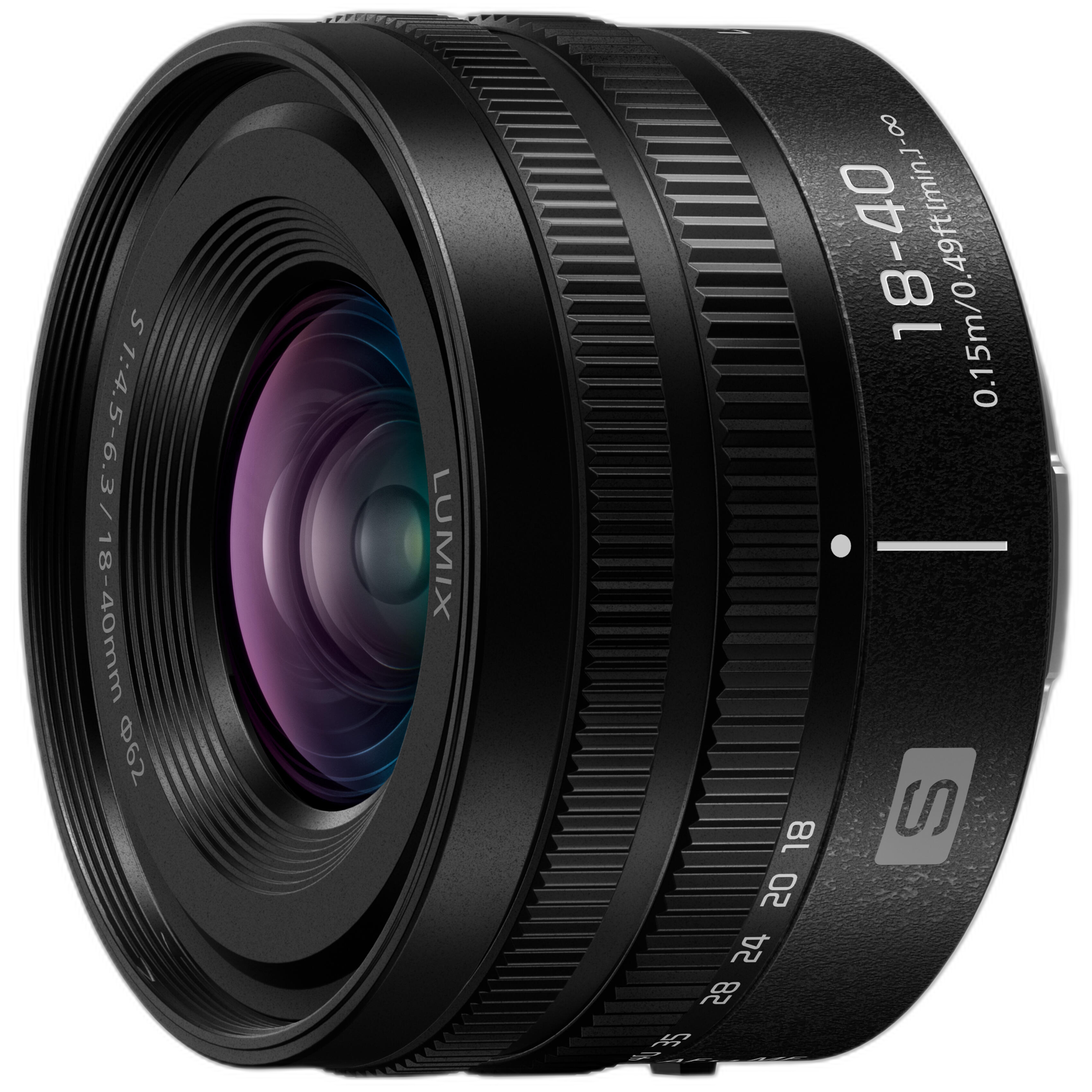
For shooters who prioritize compactness and wide-angle flexibility for travel or city photography, the Panasonic LUMIX S 18-40mm F4.5-6.3 is a lightweight option, though its slower maximum aperture makes it better suited to brighter conditions, tripod work, or situations where portability outweighs ultimate low-light speed.
6. Does in-body image stabilization really help in low light?
Absolutely, but with an important caveat. Stabilization helps most when your subject is relatively still. It allows you to use slower shutter speeds while keeping the camera steady, which means you can avoid raising ISO as quickly. This is especially useful for nighttime street scenes, architecture, museum interiors, and environmental portraits where the subject can hold still.
It does not freeze motion, though. If you are photographing dancers, children, pets, or live performers, you still need a shutter speed fast enough to stop subject movement. In those situations, stabilization complements a fast lens but does not replace it.
Systems known for effective stabilization are often attractive for available-light photography. The OM SYSTEM OM-1 Mark II, for instance, is worth considering if your low-light work includes handheld static scenes and you value mobility. For photographers who want full-frame rendering with stabilization in a compact package, the Panasonic LUMIX S9 is another smart option.
7. Are compact mirrorless cameras still good for low light, or should I go larger?
Compact mirrorless cameras can be excellent in low light if they fit your shooting habits. A smaller camera is easier to carry, which often means you will have it with you more often for spontaneous evening photography or travel. The tradeoff is that very compact systems may offer fewer direct controls, shorter battery life, or less comfortable handling with larger lenses.
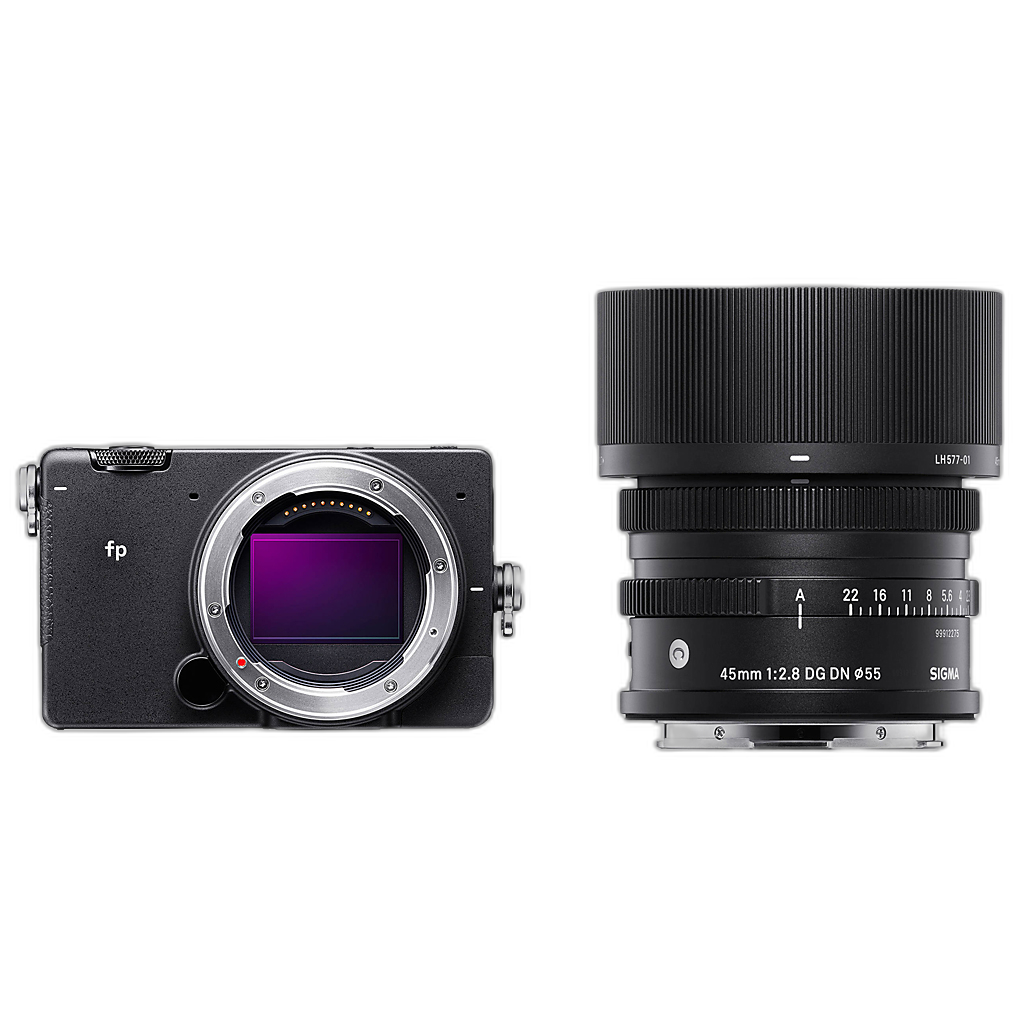
The Sigma fp Mirrorless Digital Camera with 45mm Lens is a distinctive option for photographers who want an especially compact full-frame setup. Its small footprint makes it appealing for creative shooting, travel, and minimalist kits, while the included 45mm lens offers a natural field of view for portraits, documentary work, and low-light available-light imagery.
If you prefer a small body but want a more modern all-purpose full-frame option, the Panasonic LUMIX S9 also deserves a look. The best choice depends on whether you prioritize portability, ergonomics, lens selection, or hybrid features.
8. Should I consider a used full-frame mirrorless camera for low-light photography?
For many buyers, a used full-frame camera is one of the smartest ways to step into better low-light performance without stretching the budget for the newest release. If your priority is image quality rather than the latest autofocus algorithm or connectivity feature, a used body can deliver excellent value.
The Used Panasonic S1R Mirrorless Camera is a good example of how shoppers can access advanced full-frame imaging at a lower cost. While buyers should always think about shutter count, cosmetic condition, and intended use, the used market can be a very practical route if you want stronger low-light files and more editing flexibility than an entry-level model may provide.
9. What is the best low-light mirrorless camera choice for different types of photographers?
There is no single best answer for every photographer. If you want the broadest image-quality advantage for dim conditions, a full-frame camera with a fast lens remains the classic recommendation. If you shoot both stills and video and want a ready-to-work package, the Panasonic Lumix S5IIX with 24-60mm f/2.8 lens kit stands out as a balanced option. If you want an ultra-portable full-frame body, the Panasonic LUMIX S9 or Sigma fp can be compelling choices.
If your work emphasizes travel, outdoor shooting, and handheld flexibility, the OM SYSTEM OM-1 Mark II is worth serious consideration thanks to its compact system size and stabilization strengths. And if budget is a major factor, a used full-frame body may be the most cost-effective step up for low-light image quality.
The key is to build a system, not just buy a body. Camera, lens speed, stabilization, handling, and your typical subject matter all play a role in low-light success.
If you are ready to compare mirrorless cameras for night scenes, events, portraits, or everyday available-light photography, Unique Photo can help you choose the right fit. Explore our current mirrorless camera selection, compare lenses, and shop with confidence from a team that understands real-world photography needs.