Shopping for your first serious camera can feel surprisingly complicated. Some photographers still love the familiar handling and value of older DSLR systems, while many new shooters are jumping straight into mirrorless for better autofocus, lighter bodies, and stronger video features. At the same time, smartphones keep getting better, which means the “best” entry-level camera really depends on what you want to shoot, how much you want to carry, and how much you want to spend.
If you are trying to decide between a traditional interchangeable-lens camera and the phone already in your pocket, these practical tips can help you narrow it down without overthinking the specs.
Start With What You Actually Want to Photograph
1. Match the camera to your subjects, not the hype
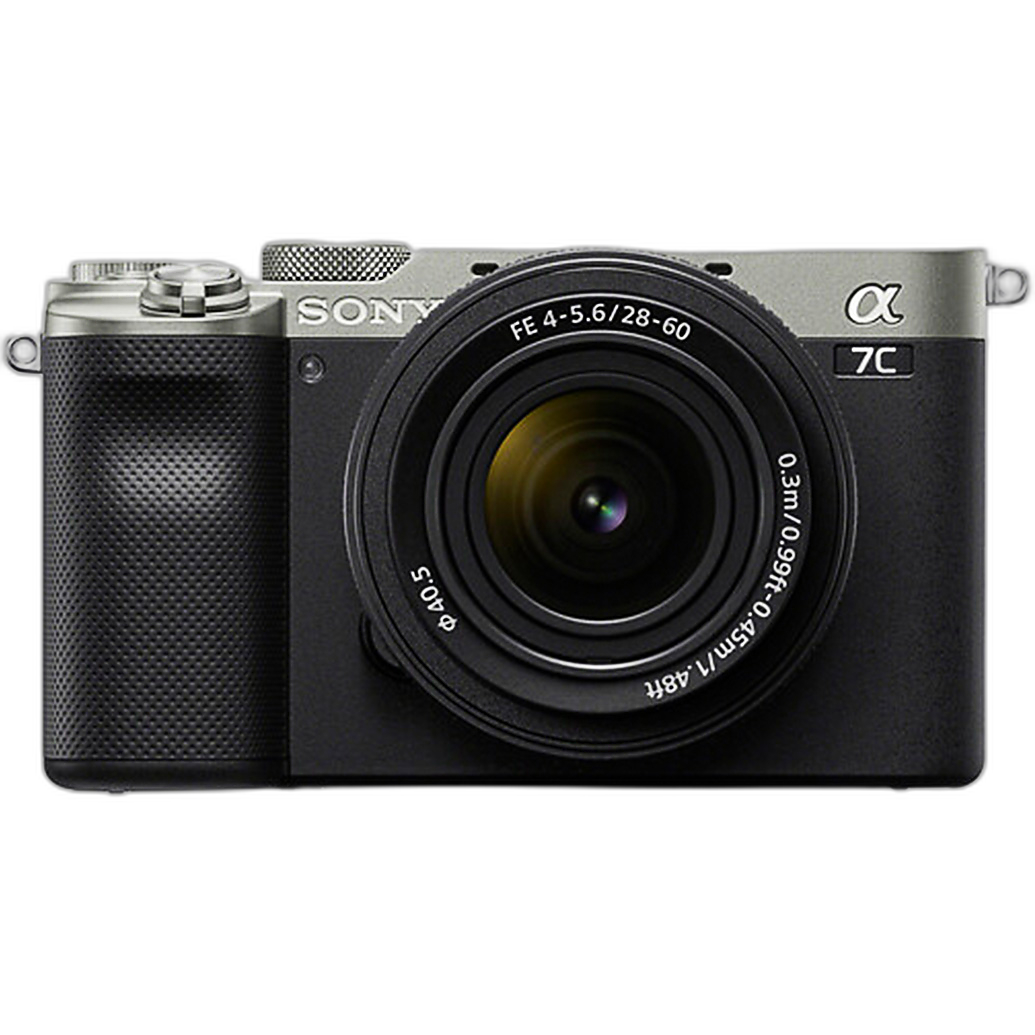
The best beginner camera is the one that makes your favorite kind of photography easier. If you mostly capture family moments, travel, pets, and everyday life, a compact mirrorless body can be a great starting point. Something like the Used Sony Alpha a7C Mirrorless Digital Camera with 28-60mm Lens gives you full-frame image quality in a small package, which is especially appealing for new photographers who do not want a bulky kit.
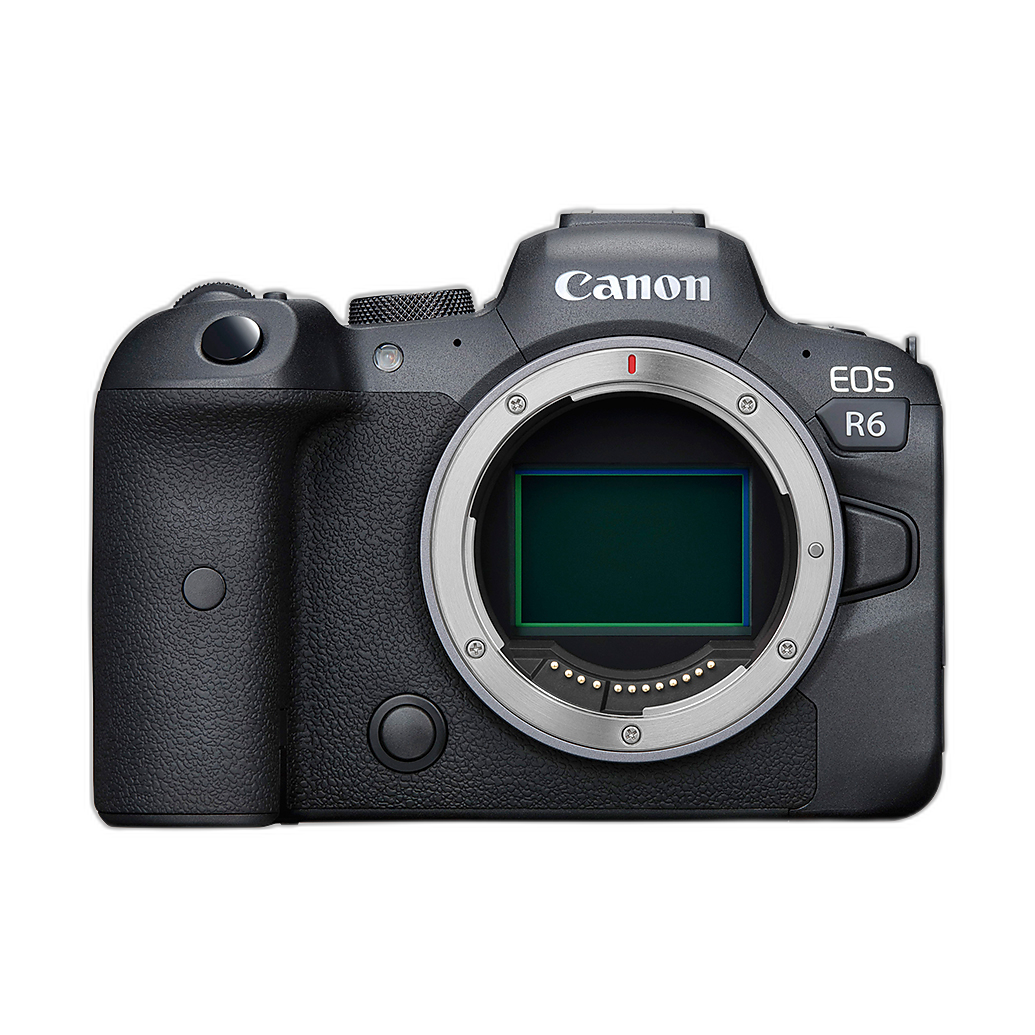
If your interests lean toward sports, kids in motion, or low-light events, stepping into a more advanced used body can make a big difference. A camera such as the Used Canon EOS R6 Mirrorless Digital Camera is often attractive because of its strong autofocus and all-around performance, even though it may be more camera than some absolute beginners need.
Meanwhile, if you mostly share online and value convenience over manual control, your smartphone may still be the smartest place to begin. Learning composition, timing, and light matters more than buying the most expensive body on day one.
Set a Real Budget Beyond the Camera Body
2. Remember that lenses, batteries, and cards count too
One of the biggest mistakes first-time buyers make is spending the entire budget on the camera body. Whether you choose DSLR, mirrorless, or even a premium compact, you should leave room for essentials like memory cards, an extra battery, and possibly a lens upgrade later.
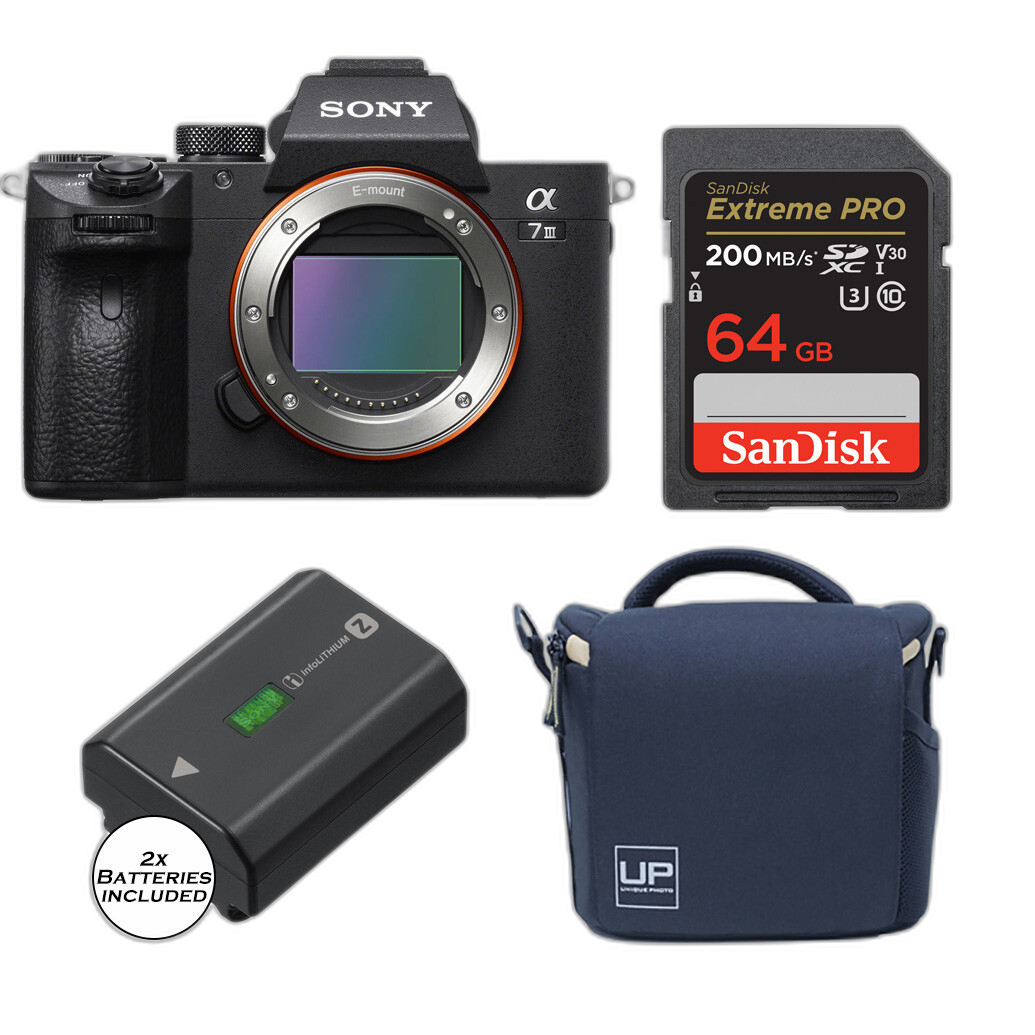
This is where used gear becomes especially appealing. For example, a Used Sony Alpha a7 III Mirrorless Digital Camera can be a very smart value-focused choice for someone who wants a capable full-frame system without paying current-generation pricing. Buying used can open the door to better image quality and features while preserving budget for accessories and glass.
If you are comparing an older DSLR kit to a used mirrorless body, think about the long-term system cost too. A cheaper body is only a bargain if the lenses you need are still easy to find and reasonably priced.
Do Not Dismiss Smartphones Too Quickly
3. A phone is often the best training tool for complete beginners
Smartphones have improved dramatically in exposure control, HDR processing, portrait modes, and video quality. If you are brand new to photography, your phone can teach you framing, storytelling, and light without any additional cost. It is also always with you, which means you are more likely to practice.
The limitation shows up when you want more control over shutter speed, lens choice, subject isolation, or low-light quality. That is when a dedicated camera starts to make more sense. Even a compact specialist option like a Used Ricoh GR III can appeal to someone stepping beyond smartphone photography while still wanting something portable and simple to carry.
In short: if your phone is meeting your needs, keep using it. Upgrade when you can clearly explain what it is not letting you do.
Mirrorless Makes a Lot of Sense for Many New Shooters
4. If you want room to grow, mirrorless is often the easiest path
For many buyers entering photography today, mirrorless systems are the most practical middle ground. You get interchangeable lenses, modern autofocus, live exposure preview, and strong video capability in a form factor that is often smaller than DSLR alternatives.
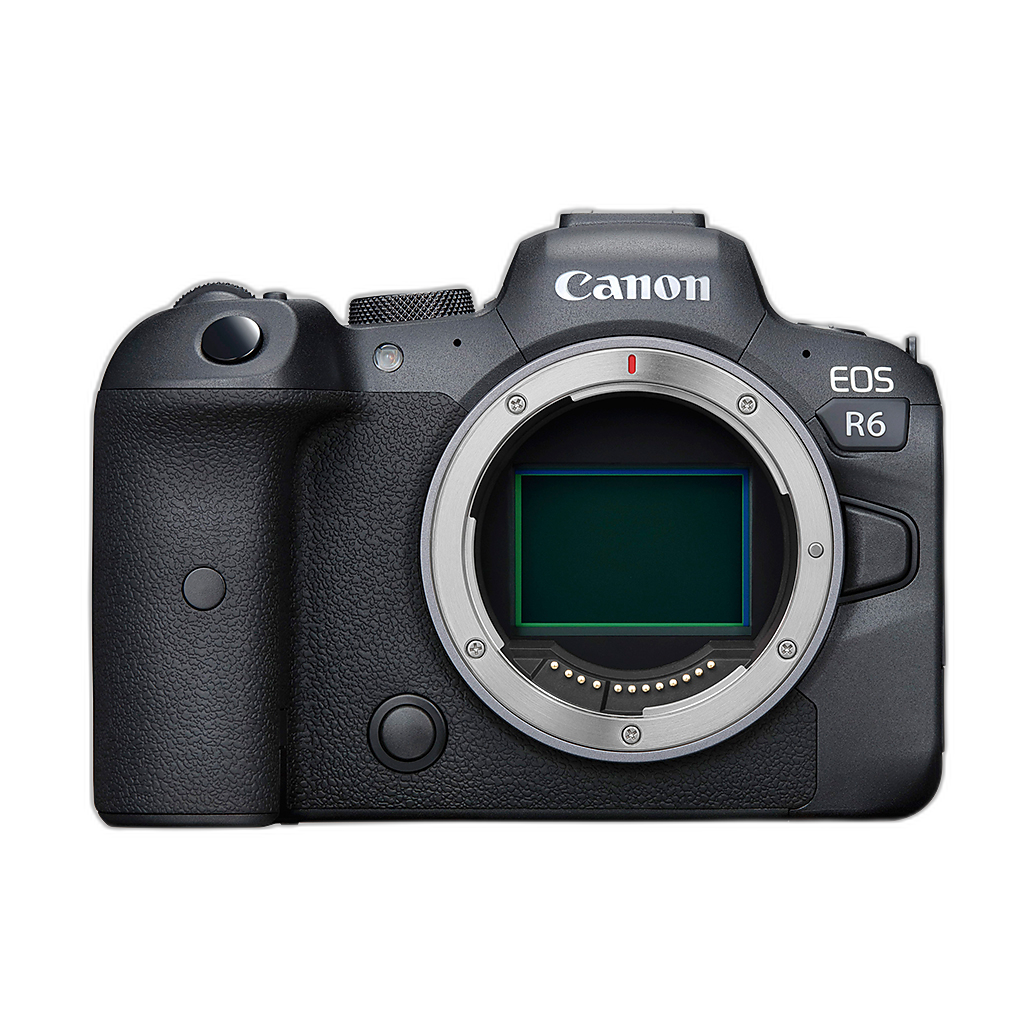
A model such as the Used Fair Canon EOS R6 Mirrorless Digital Camera (Body Only) can be worth considering if you want advanced performance and are comfortable building a lens kit over time. For someone who wants high-resolution stills on a budget, a camera like the Used Sony Alpha a7R II Mirrorless Digital Camera may also come up in the conversation, especially for portraits, landscapes, and detail-heavy work.
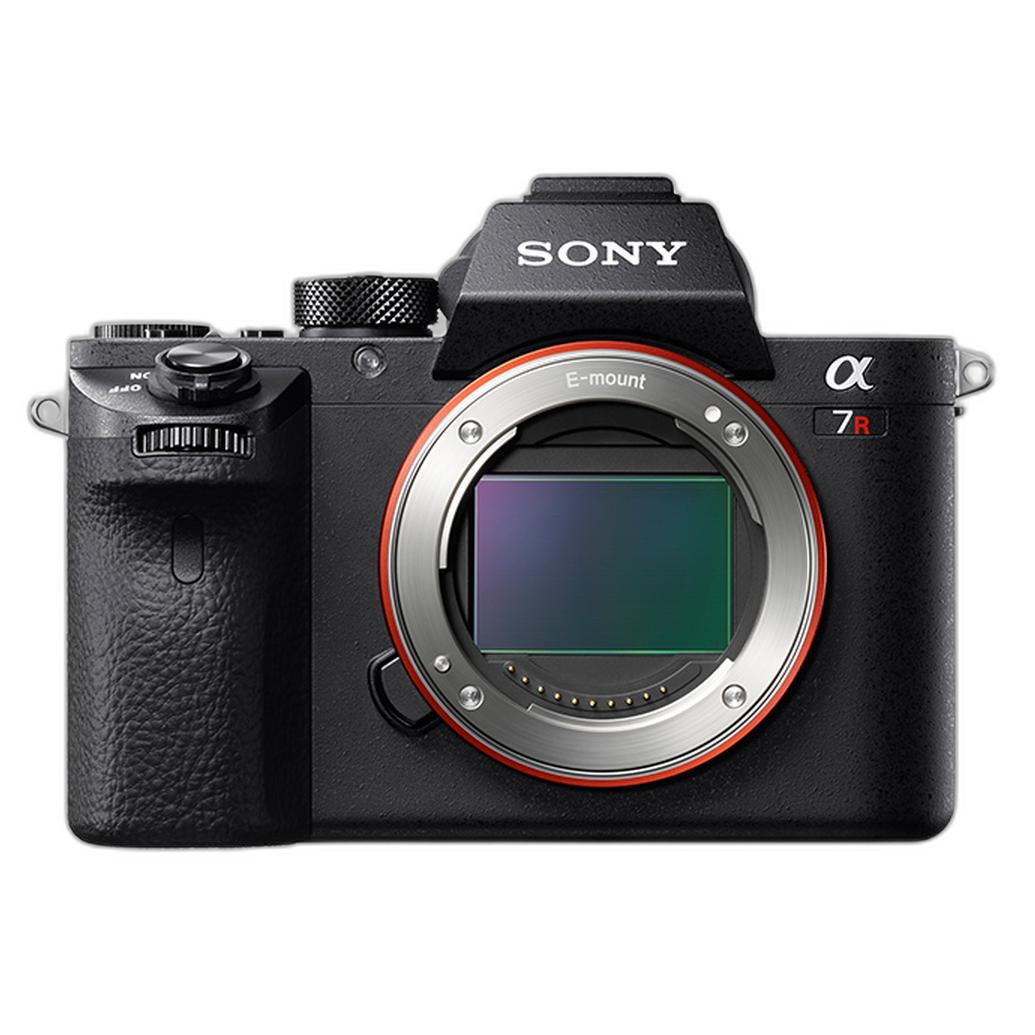
The key is to avoid buying for an imaginary future. If you only shoot casually, a smaller and simpler mirrorless body may encourage more real-world use than a heavier camera loaded with features you may never touch.
Used Gear Can Be a Better First Camera Than a Cheap New One
5. Prioritize value and condition over chasing the newest release
Entry-level buyers often assume they should only consider brand-new gear, but used equipment can offer much better performance per dollar. A well-chosen used mirrorless camera may outperform a cheaper new model in autofocus, sensor quality, stabilization, and overall shooting experience.
That said, condition matters. Listings marked excellent or fair can both be worthwhile depending on your budget and expectations, but you should read the description carefully. Cosmetic wear may not matter much for a learner, while functional issues might. Shopping from a trusted camera retailer helps reduce the guesswork compared with buying from an unknown seller.
For some photographers, even niche used bodies from brands with a different shooting style, such as Leica, can be interesting. But for most first-time buyers, mainstream systems from Canon and Sony usually make more practical sense because lenses and support are easier to find.
Think About Size, Weight, and How Often You Will Carry It
6. The best camera is the one you will actually bring with you
This sounds simple, but it is one of the most important tips in the whole decision process. If a camera is too heavy, too complicated, or too intimidating, it may stay home. A smaller mirrorless setup often wins here, especially for travel, street photography, and everyday family use.
That is one reason cameras like the Sony a7C have become so appealing. They offer serious image quality without feeling like a dedicated “gear bag only” camera. On the other hand, if you do not mind carrying more and want a larger grip and more direct controls, a bigger body like the Canon EOS R6 may feel more comfortable in the hand.
Before buying, imagine your real usage: weekend trips, school events, casual walks, portraits of friends, or video clips for social media. Your answer should shape your choice more than online arguments about which format is “better.”
Conclusion
There is no single right answer in the DSLR-versus-mirrorless-versus-smartphone debate. The right entry-level camera depends on your budget, your subjects, your tolerance for size and weight, and how much you want to learn. For many new photographers, a used mirrorless body offers the best balance of quality, flexibility, and long-term value. For others, a smartphone is still the perfect place to begin.
The most important thing is to start shooting, learn what you enjoy, and upgrade with purpose. If you are ready to explore dependable used camera options, Unique Photo is a great place to compare gear and find a setup that fits how you actually photograph.