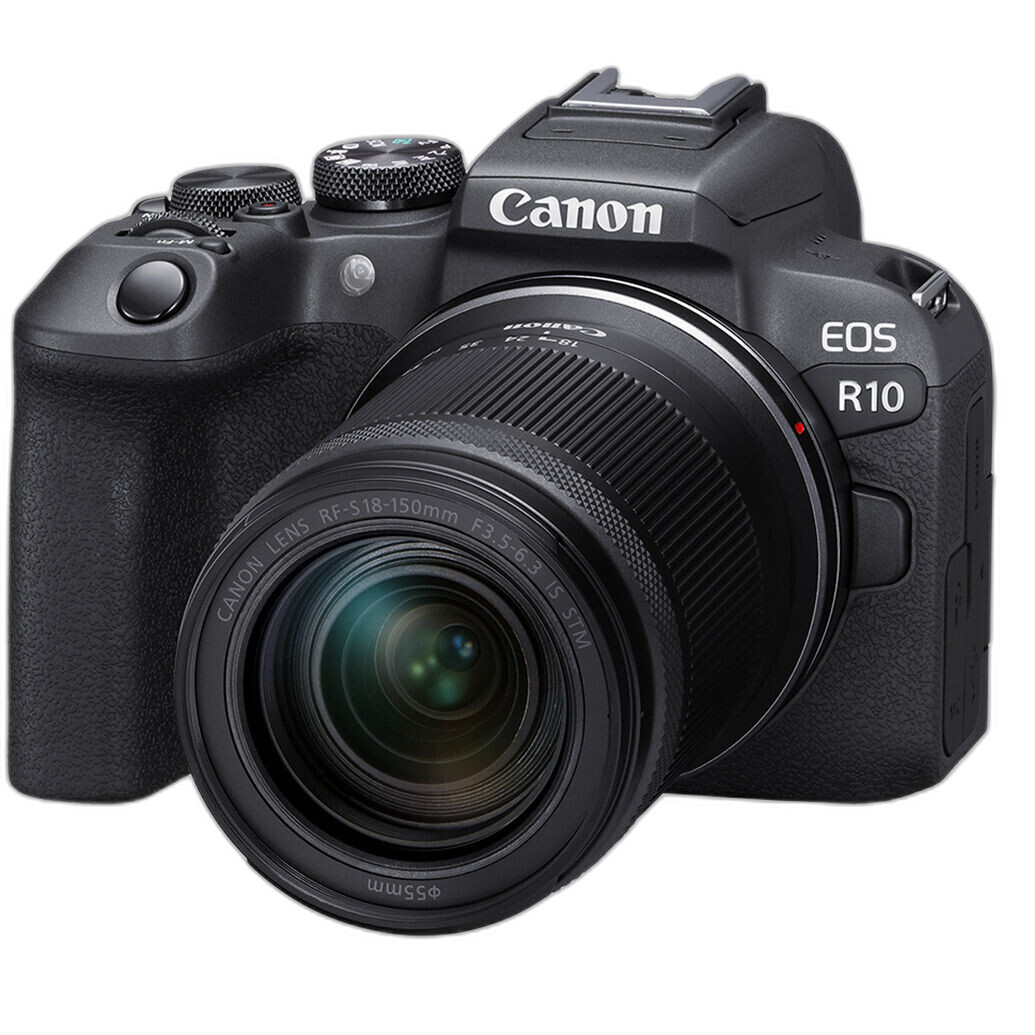
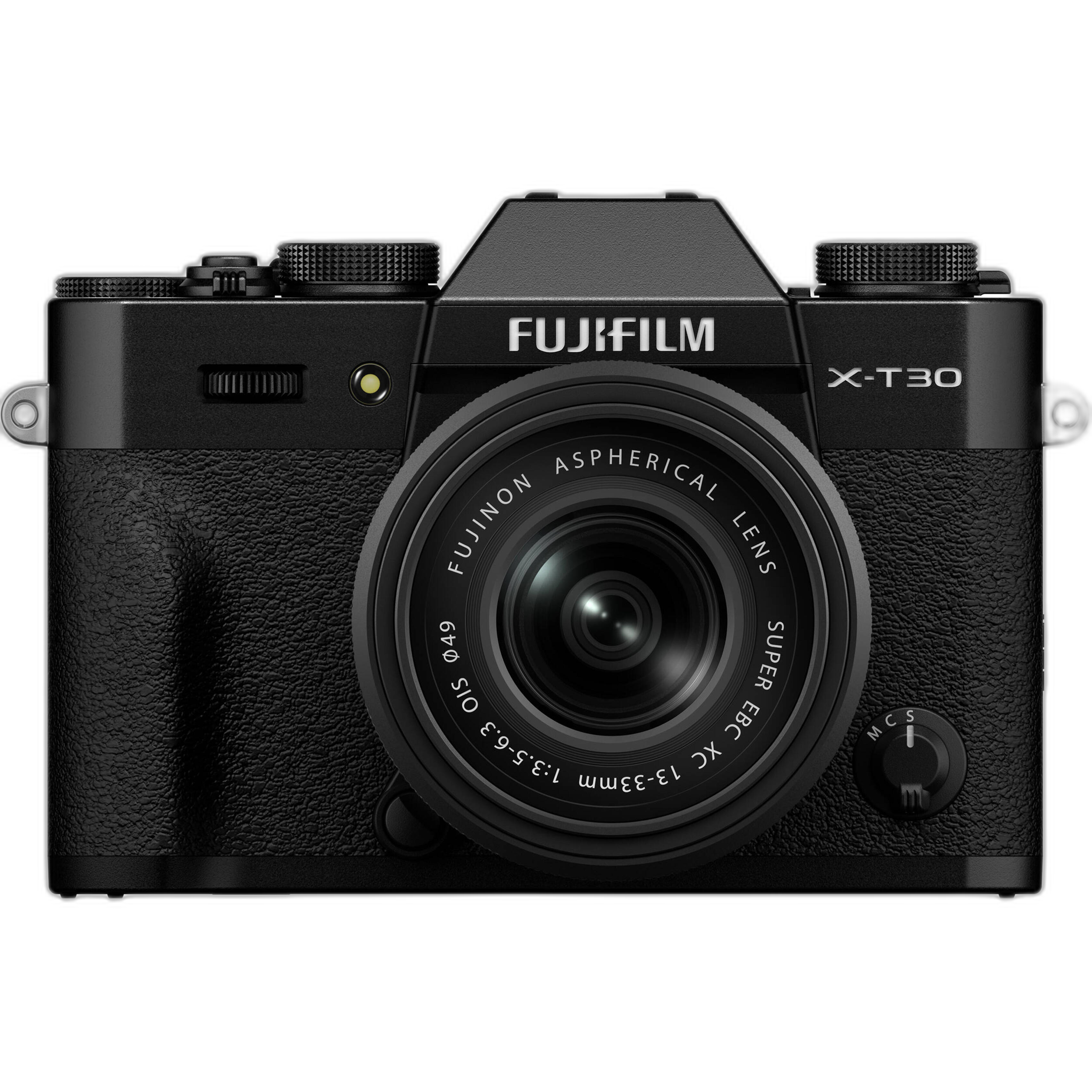
Choosing between Sigma and Tamron is one of the most common lens-buying questions for photographers who want strong performance without jumping straight to first-party glass. The good news is that both brands make excellent lenses, and the better image quality choice often depends less on the logo and more on how you shoot. If you're pairing lenses with cameras like the Canon EOS R10 Mirrorless Camera with 18-150mm Lens or a compact travel body such as the FUJIFILM X-T30 III Mirrorless Camera Body with XC13-33mm Lens Kit, understanding what each brand tends to do best can help you make a smarter purchase.
Start by Defining What “Better Image Quality” Means for You
1. Sharpness is only one part of the story
Sigma has built a strong reputation for lenses that look impressively sharp, especially in the center and often across the frame. For photographers who love crisp detail for landscapes, studio portraits, or product work, Sigma often gets the early attention. Tamron, meanwhile, frequently balances sharpness with lighter weight, practical zoom ranges, and strong close-focusing performance. In real-world shooting, that can matter just as much as test-chart results.
If you're using a versatile body like the Canon EOS R50 Mirrorless Camera with RF-S 18-45mm and 55-210mm Lenses, a lens that performs consistently across travel, portraits, and day-to-day shooting may feel like the better image-quality choice because you're more likely to carry and use it.
2. Contrast, color, and rendering style matter too
Some photographers prefer Sigma's punchy, high-contrast look, while others enjoy Tamron's more balanced rendering in certain zooms. Neither approach is universally better. If you shoot portraits, pay attention to transitions from sharp focus to blur, skin tones, and background rendering. If you shoot landscapes, edge detail, flare control, and micro-contrast may matter more.
Compare Prime Lenses vs Zoom Lenses Separately
3. Sigma often shines in primes
When image quality is the top priority, Sigma primes are often the benchmark in the third-party space. Their fast prime lenses are popular because they can deliver excellent resolution, attractive bokeh, and strong low-light performance. If you're building a lightweight but capable kit around a camera like the FUJIFILM X-T30 III Mirrorless Camera Body with XC13-33mm Lens Kit - Black, a high-quality prime can dramatically change the look of your images.
4. Tamron is especially compelling in zooms
Tamron has earned a loyal following for zoom lenses that combine very good image quality with practical focal ranges and manageable size. For photographers who want one lens to do more, Tamron can be the stronger value. A lens that's slightly less clinical on a chart but more useful in the field may actually produce better photos for your workflow.
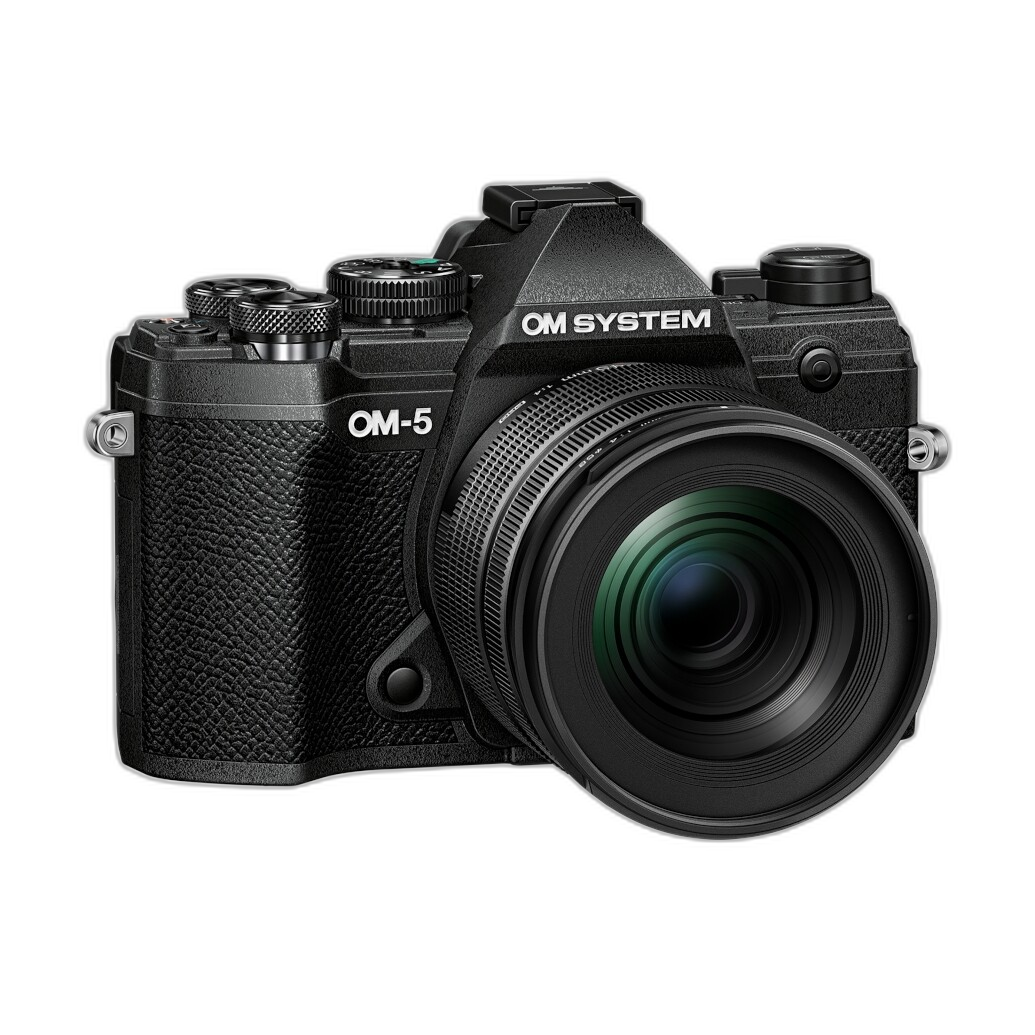
This is especially true for travel and walkaround photographers using kits similar in spirit to the OM SYSTEM OM-5 Mirrorless Camera with 12-45mm f/4.0 PRO Lens, where portability and flexibility are part of the image-making equation.
Think About Your Camera System Compatibility
5. The “better” lens depends on your mount options
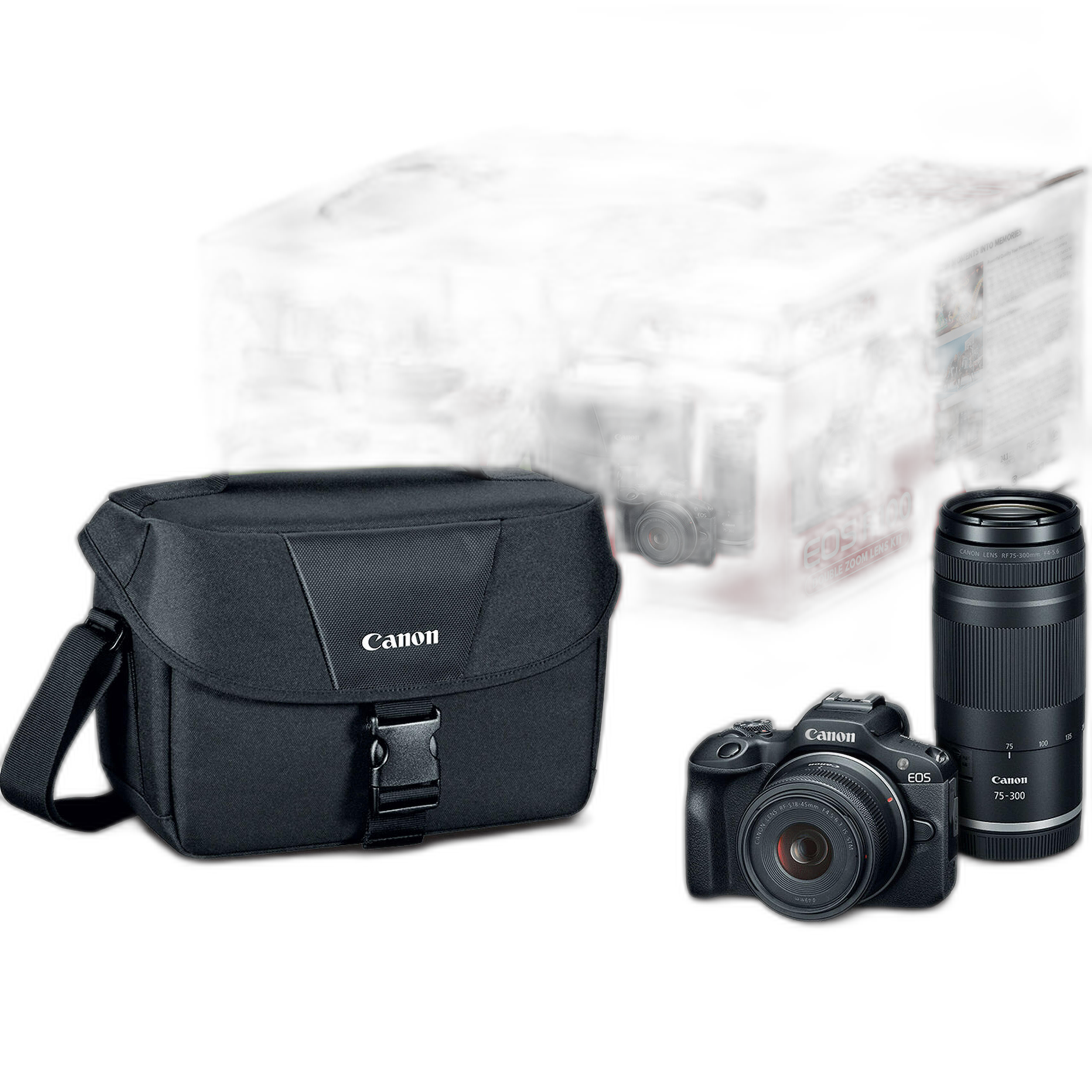
Lens quality is never judged in a vacuum. Availability for your camera mount matters. If you're shooting Canon APS-C mirrorless bodies like the Canon EOS R100 Double Lens Zoom Kit or the Canon EOS R10 Mirrorless Camera with 18-150mm Lens, check current Sigma and Tamron support for your mount before assuming one brand has the edge. The best optical performer on paper is irrelevant if it isn't available for your system.
6. Autofocus performance affects perceived image quality
A lens can be extremely sharp, but if autofocus misses, your results won't show that quality. Depending on the mount and camera body, one brand may offer a better AF experience than the other. On fast-moving subjects, dependable focusing can matter more than tiny differences in corner sharpness. For family, events, and casual action on cameras like the Canon EOS R50, this is a major part of real-world image quality.
Look Beyond Lab Tests and Consider Real-World Use
7. Weight and handling can improve your images
If a lens is heavy enough that you leave it at home, its theoretical superiority doesn't help. Tamron often appeals to photographers who want strong performance in a smaller, more travel-friendly design. Sigma lenses, depending on the series, may lean more toward maximum optical performance even if size increases. The better image quality brand for you may simply be the one you actually enjoy carrying on long days out.
8. Close-focusing ability can be a hidden advantage
Tamron lenses are often praised for useful close-focus distances, which can add creative flexibility for food, detail shots, and semi-macro work. That capability can make a zoom more versatile than expected. If your shooting style includes travel details, product snapshots, or environmental portraits, this practical edge may outweigh a minor difference in wide-open sharpness.
Match the Lens Character to Your Subject
9. For portraits, evaluate bokeh and subject separation
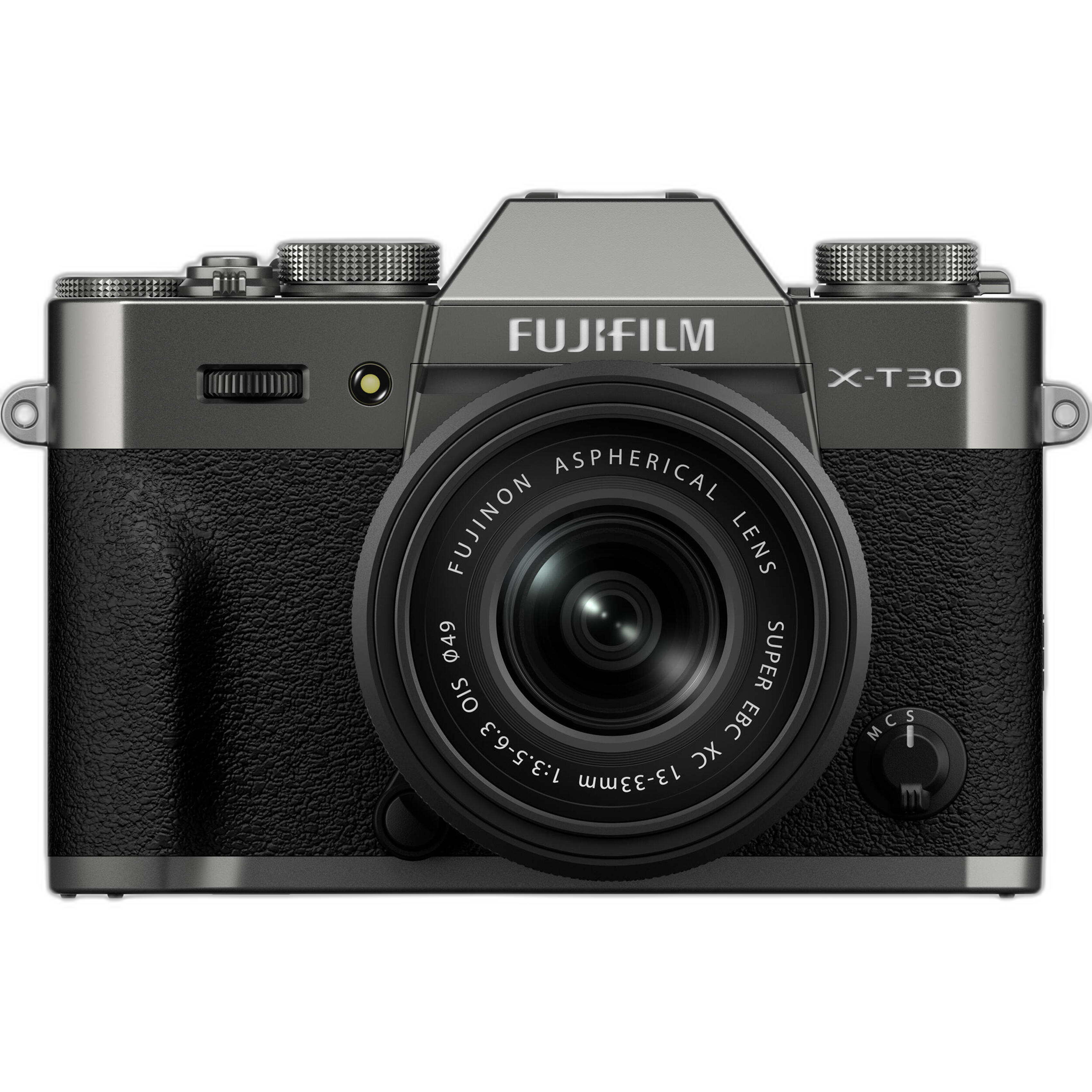
Sigma often stands out when photographers want dramatic subject isolation and a polished, premium rendering style. Tamron can still produce beautiful portrait results, but if your priority is a fast prime with a distinctive look, Sigma frequently gets the nod. Pairing a strong portrait lens with a compact body like the FUJIFILM X-T30 III Mirrorless Camera Body with XC13-33mm Lens Kit - Charcoal can create a capable everyday portrait setup.
10. For travel and general photography, versatility may win
If you're shooting a mix of street scenes, landscapes, family moments, and casual close-ups, Tamron's flexible zoom philosophy may be more useful. A versatile lens with very good image quality can be the better choice than a specialized lens with excellent image quality. Think about what kind of compromises help you make more photos, not just better test results.
So, Which Brand Offers Better Image Quality?
11. Choose Sigma if your top priority is optical punch
If you want standout sharpness, strong contrast, and especially impressive prime-lens performance, Sigma often has the edge. Photographers who prioritize detail, low-light capability, and a more premium rendering style frequently gravitate toward Sigma.
12. Choose Tamron if you want balanced quality and flexibility
If you value strong sharpness, practical zoom ranges, lighter designs, and excellent everyday usability, Tamron is often the smarter all-around option. For many photographers, that balance translates into better real-world images because the lens fits more situations.
Final Tip: Test for the Type of Photography You Actually Do
The Sigma vs Tamron debate doesn't really have one universal winner. Sigma often leads when pure optical performance is the goal, especially in primes. Tamron often wins when versatility, size, and value are part of the image-quality equation. The best move is to match the lens to your camera, your subjects, and your shooting habits.
Whether you're building a kit around a Canon EOS R10, Canon EOS R50, FUJIFILM X-T30 III, or OM SYSTEM OM-5, Unique Photo is a great place to explore camera bodies, lenses, and accessories that fit your style. The right lens is the one that helps you make images you love—so get out there, shoot often, and trust what works in your hands.