Best Hybrid Cameras for Photo and Video in 2024: FAQ Guide
Choosing a camera that handles both high-quality stills and strong video performance can feel complicated, especially when you are balancing budget, autofocus, stabilization, and sensor size. At Unique Photo, we help creators narrow the field by focusing on what actually matters for hybrid shooting in real-world use.
Whether you are filming handheld content, capturing client portraits, or building a creator kit that can grow with you, this FAQ covers the key things to look for in a hybrid camera in 2024.
What makes a camera a good hybrid model for both photo and video?
A strong hybrid camera needs to do more than simply offer a photo mode and a video mode. For still photography, you want reliable autofocus, solid burst performance, good dynamic range, and a comfortable shooting experience. For video, features such as oversampled 4K, dependable subject tracking, microphone and headphone support, long recording times, and useful codecs all matter.
In practice, the best hybrid cameras are the ones that let you move quickly between shooting a portrait session and recording polished video without changing your entire workflow. If you are building out a lightweight kit, accessories also matter. A comfortable strap can make all-day shooting easier, especially for event coverage or travel work. The PGYTECH Camera Strap Slim is a practical addition for creators who carry their camera for long stretches while switching between photo and video setups.
Which camera features matter most on a reasonable budget?
If you are trying to get the most value for your money, prioritize performance over headline specs. Good autofocus, clean 4K video, strong battery life, and image stabilization usually have a bigger impact on your finished work than chasing the highest resolution or the most advanced recording format.
For budget-conscious hybrid shooters, look for a body that gives you reliable eye-detection autofocus for stills, uncropped or minimally cropped 4K, and usable low-light performance. It is also smart to save room in your budget for lenses and support gear. Many creators discover that the right lens or carrying setup improves results more than spending every dollar on the camera body alone.
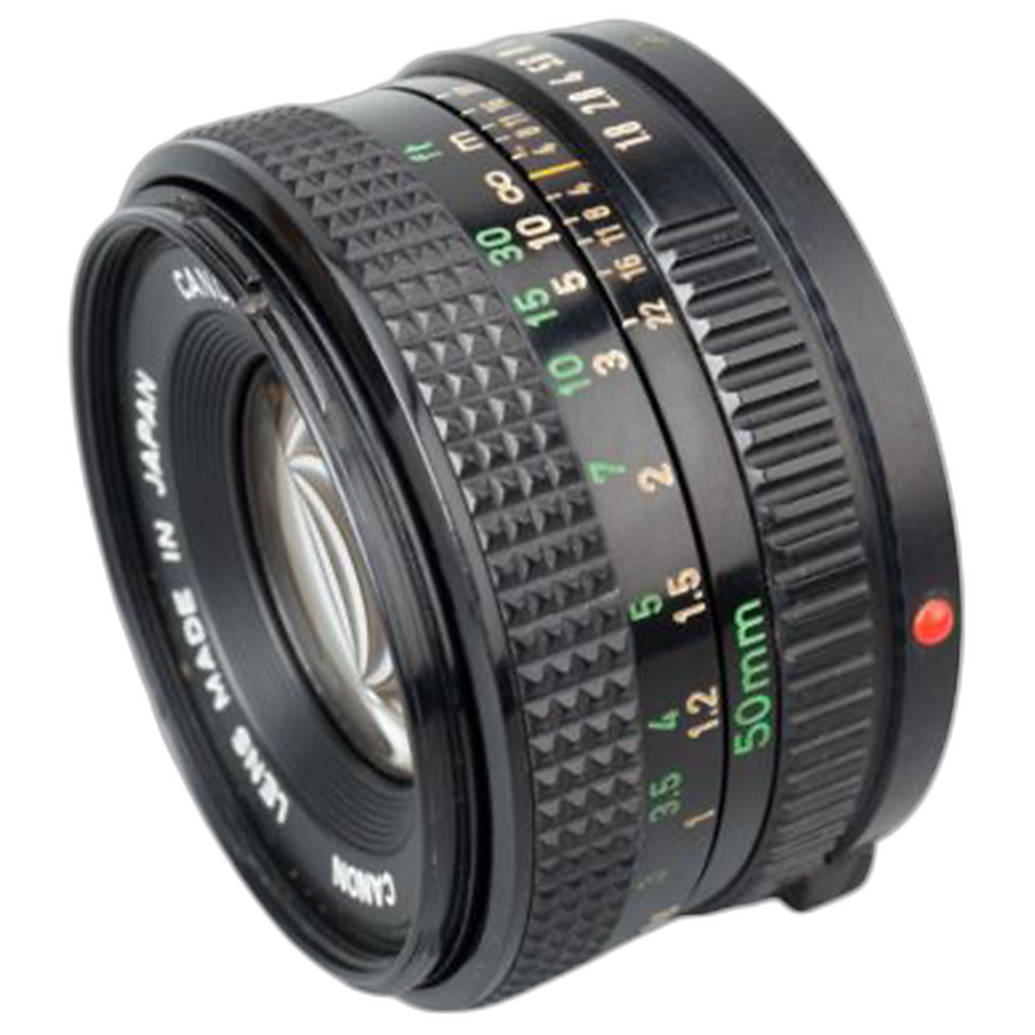
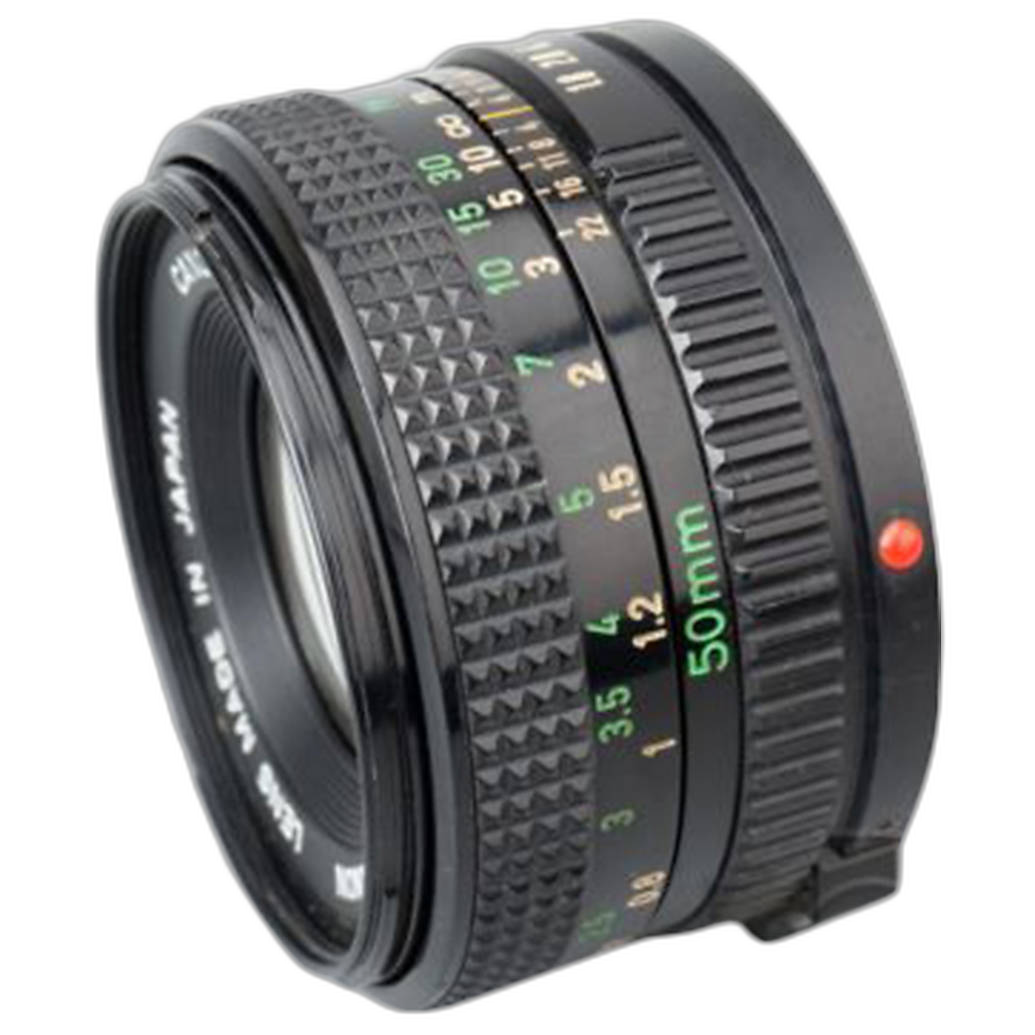
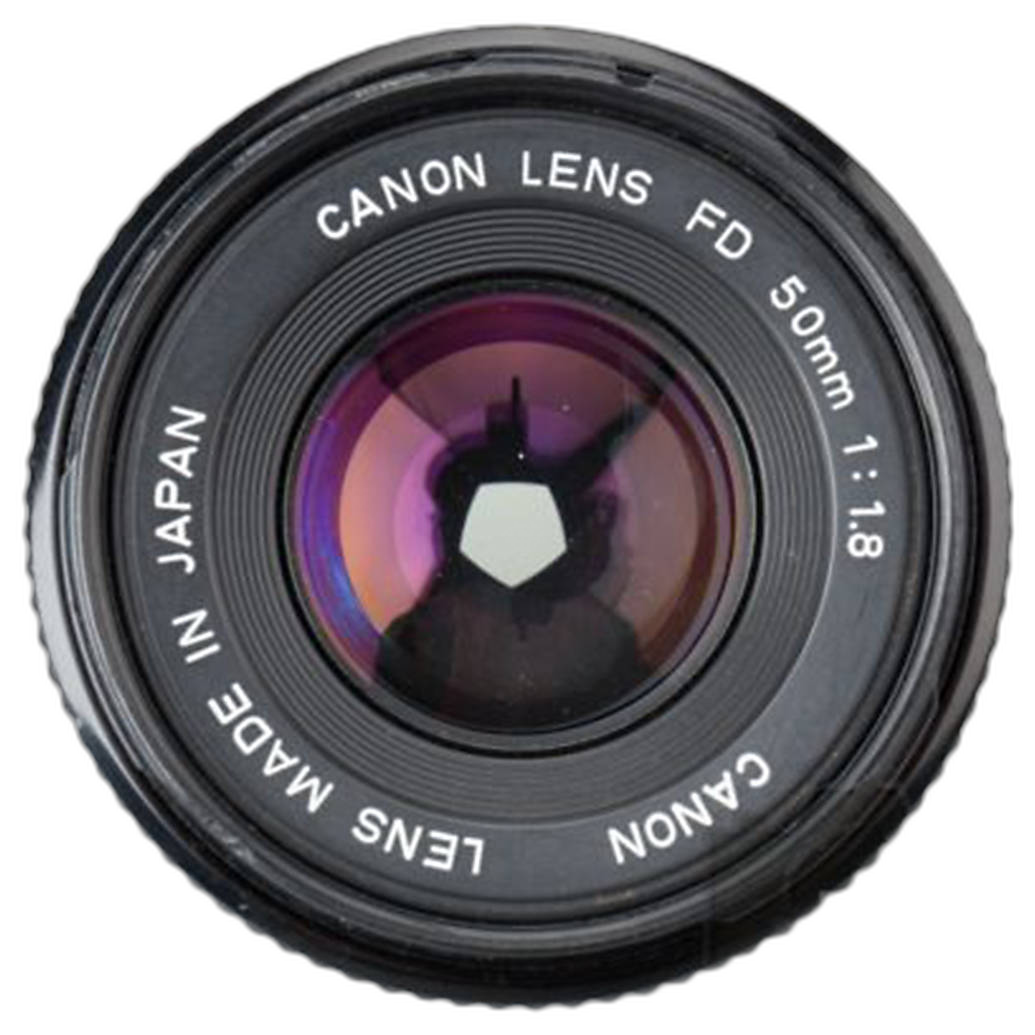
At Unique Photo, used gear can also be a smart way to stretch your budget. Even if you are shopping for a modern hybrid body, adding a classic still-photo lens for creative work can expand your look at a lower cost. For example, a used prime such as the Canon FD 50mm f/1.8 can appeal to photographers who enjoy adapting vintage glass for stills or more stylized video projects.
Are Sony and Panasonic still leading for video-focused hybrid cameras?
Sony and Panasonic remain two of the most important brands in the hybrid space, but they lead in different ways. Sony is often the first choice for creators who want excellent autofocus, strong lens selection, and a polished balance between stills and video. Panasonic continues to be highly respected for video-first features, robust codecs, and bodies designed with filmmakers in mind.
If your work depends on fast-moving subjects, solo shooting, or dependable continuous autofocus, Sony bodies are still especially compelling. If you care more about advanced recording tools, in-body stabilization, and filmmaker-friendly operation, Panasonic remains very competitive. The right choice depends less on brand loyalty and more on your shooting style.
That said, no brand wins every category for every user. A wedding shooter, YouTuber, documentary filmmaker, and product photographer will all define “best hybrid camera” differently. At Unique Photo, we usually recommend evaluating autofocus, stabilization, ergonomics, and lens ecosystem together before choosing a system.
How important is internal stabilization for handheld video?
Internal stabilization, often called IBIS, can be one of the most important features for handheld video. It helps reduce small jitters and camera shake when you are walking, reframing, or shooting without a gimbal. For creators filming vlogs, events, behind-the-scenes footage, or quick social content, good stabilization can make footage look dramatically more polished.
That said, IBIS is not a magic fix. It works best when combined with good handheld technique and, when possible, lenses that also offer optical stabilization. If you shoot mostly locked-off interviews, tripod-based content, or gimbal work, IBIS becomes less critical. But if handheld shooting is central to your workflow, it should be high on your priority list.
Comfort also affects stability. A secure carry setup helps you stay ready and move efficiently between shots. Accessories like a slim camera strap can support a more agile handheld workflow, especially during long shooting days.
Do you really need full-frame for good video quality?
No, full-frame is not strictly necessary for excellent video. Full-frame cameras can offer advantages such as improved low-light performance, shallower depth of field, and often stronger dynamic range, but many APS-C and Micro Four Thirds cameras deliver outstanding video quality. Sensor size is only one part of the overall imaging pipeline.
Lens choice, color science, bitrate, autofocus, stabilization, and how the camera reads out the sensor can all matter just as much. Plenty of creators produce professional work on cropped-sensor cameras because those systems often provide lower cost, lighter gear, and more affordable lenses. If your budget is limited, a well-rounded APS-C or Micro Four Thirds body may be a better investment than stretching for full-frame and compromising on lenses or support gear.
For photographers who enjoy experimenting with optics and rendering styles, lens selection often influences the image more than sensor size alone. A fast prime, for example, can still create strong subject separation and a cinematic look without requiring a full-frame body.
Is autofocus more important than video specs for hybrid shooters?
For many users, yes. On paper, advanced video specs are appealing, but if your camera struggles to keep a subject in focus, your footage becomes much harder to use. Hybrid shooters often switch quickly between stills and video, work alone, or shoot people in motion. In those situations, dependable autofocus can be more valuable than specialized recording modes you may rarely use.
That does not mean specs are irrelevant. Frame rates, bit depth, and recording options still matter for professional workflows. But if you are choosing between a camera with excellent autofocus and one with marginally better video specifications, the camera that helps you consistently nail focus may be the better real-world tool.
This is especially true for content creators, family photographers adding video, and event shooters who do not have time for repeated takes. The best hybrid camera is often the one that lets you work confidently and quickly.
What lenses should hybrid creators prioritize first?
If you are starting from scratch, a standard zoom and a fast prime are usually the smartest first purchases. A zoom covers flexibility for travel, events, and general-purpose work, while a prime gives you better low-light capability, shallower depth of field, and often a more intentional look for portraits or interviews.
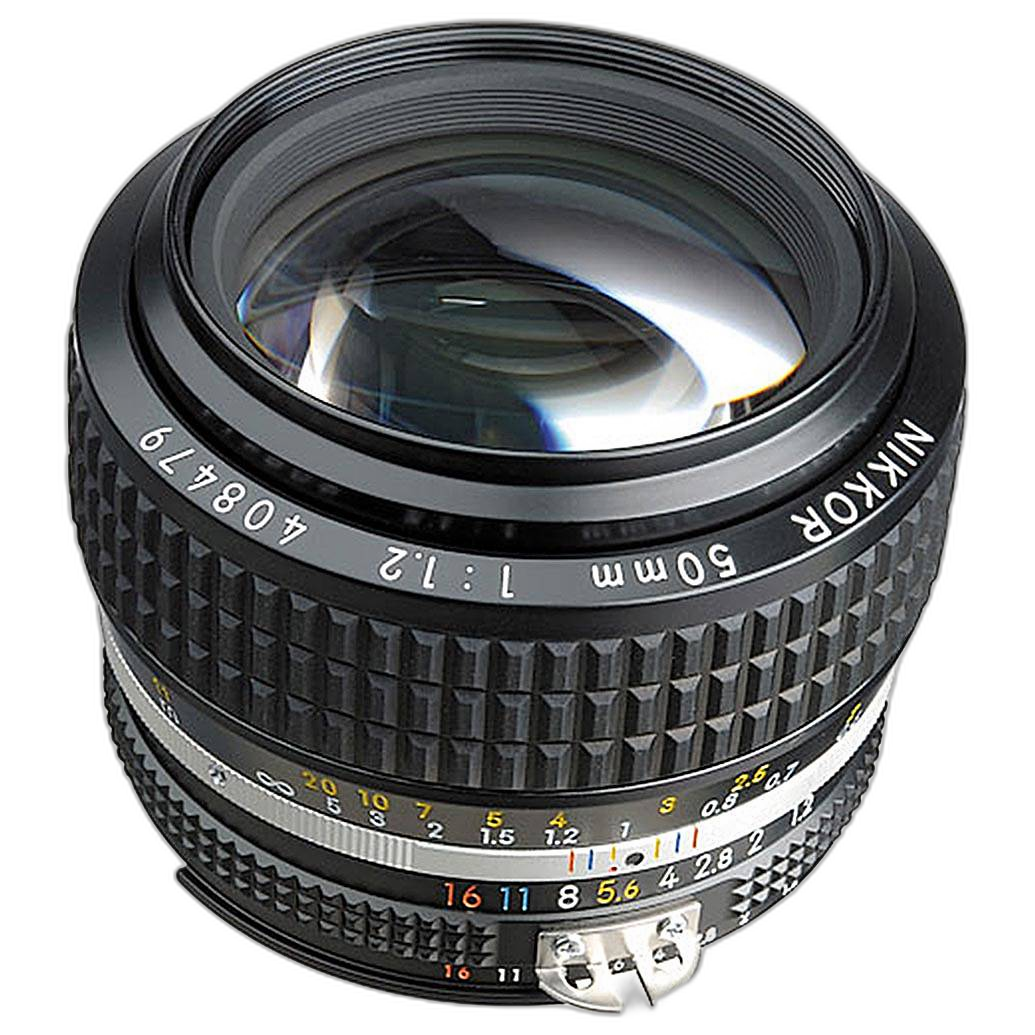
For photographers and filmmakers who like manual focus or vintage rendering, used lenses can add character to a hybrid kit. Unique Photo carries a range of used lenses that can appeal to creative shooters building specialty looks. A classic option like the Used Canon FD 50mm f/1.8 can be interesting for adapted setups, while a lens like the Used Nikon 50mm f/1.2 Ai offers a very fast aperture that may attract those chasing a distinctive aesthetic in stills or controlled video work.
Can older or used gear still play a role in a hybrid setup?
Absolutely. While most creators will want a modern digital body for serious hybrid work, used lenses and even classic cameras can still have a place in a broader creative kit. Vintage lenses can introduce a unique visual signature, and used accessories or specialty gear can help you explore different styles without overspending.
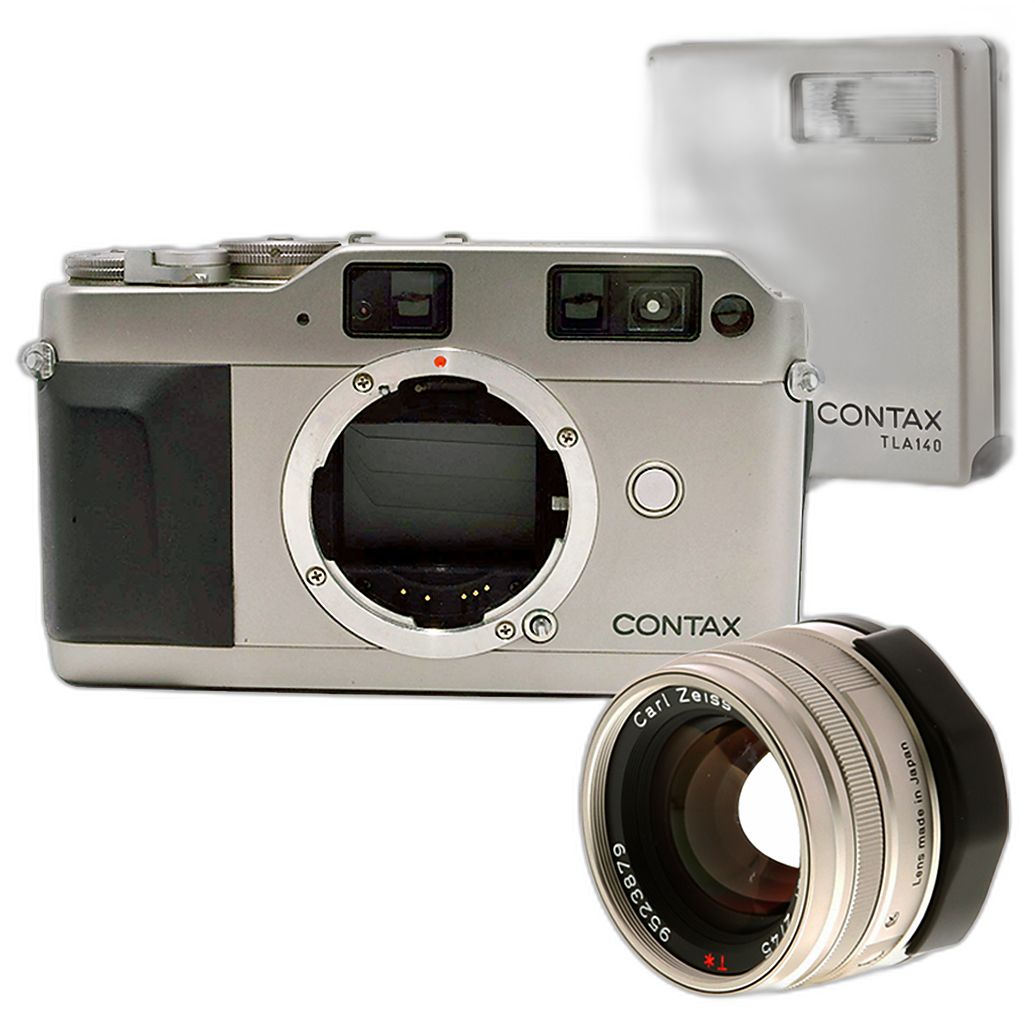
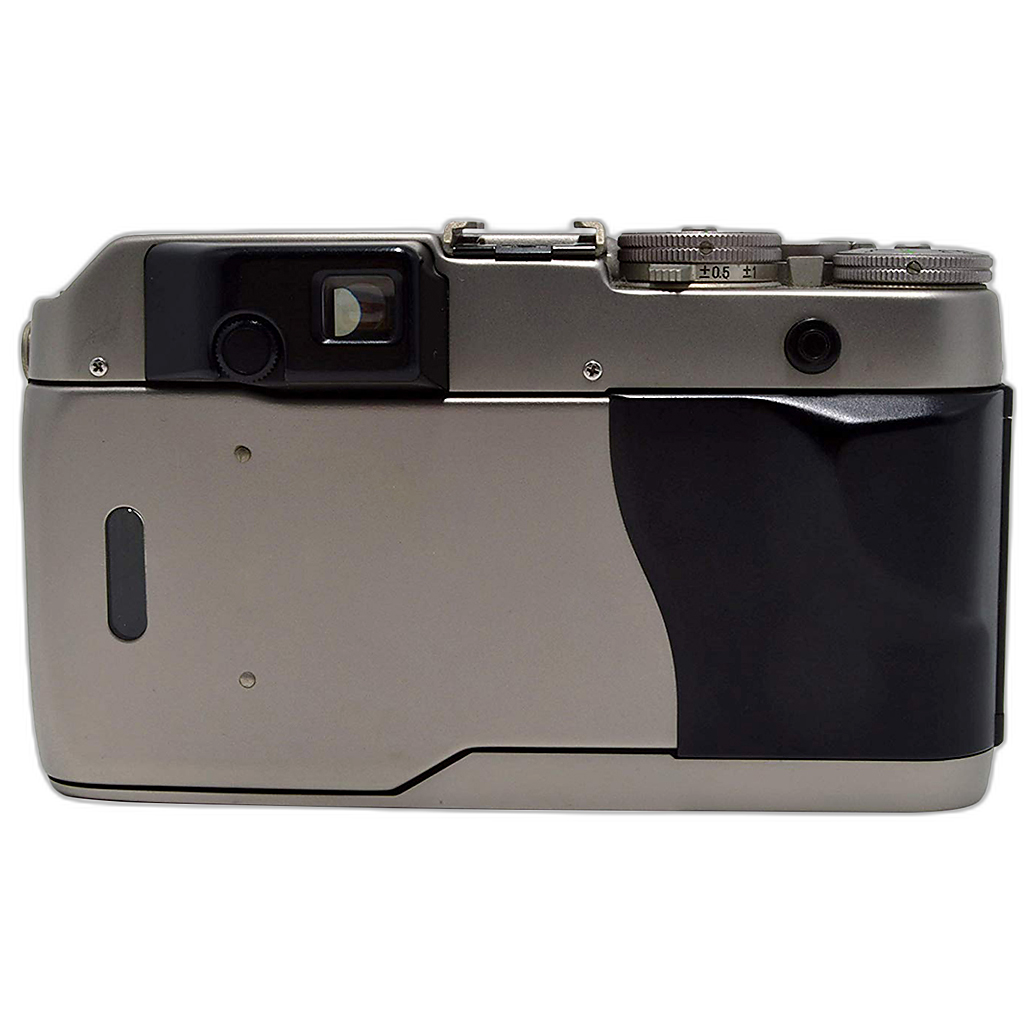
For example, film cameras and classic optics remain popular for photographers who want to complement digital work with analog projects. Unique Photo also offers used collectibles and film gear for enthusiasts interested in mixing modern content creation with traditional image-making. The Used Contax G1 with 45mm f/2 is a strong example of a classic film option for photographers who want a compact, premium rangefinder-style experience alongside their digital workflow.
What is the best upgrade path if you are just getting into hybrid shooting?
Start with a camera body that covers the essentials well, then build your system around how you actually shoot. Your first upgrades should usually be lenses, audio, support gear, batteries, and storage rather than immediately replacing the body. A camera with strong autofocus, good 4K, and effective stabilization can stay useful for years if the rest of your kit supports your workflow.
For many creators, the smartest path is to buy a capable body now, add a reliable standard lens, then expand into a fast prime and practical accessories. Even small additions, such as a more comfortable strap or an extra lens for low light, can noticeably improve your daily experience.
The goal is not to chase every new release. It is to build a balanced hybrid kit that helps you shoot confidently, edit efficiently, and deliver better results to clients or audiences.
Hybrid cameras in 2024 are better than ever, but the best choice still comes down to your priorities: autofocus, stabilization, sensor format, lens options, and budget. If you are ready to build a smarter photo-and-video setup, shop new and used gear at Unique Photo and explore the tools that fit your style of shooting.