Best Budget Travel & Street Photography Camera FAQ Under $1000
Choosing a travel and street photography camera on a budget is all about balance: image quality, portability, durability, and how likely you are to actually carry it every day. At Unique Photo, we often find that the best camera under $1000 is not simply the one with the biggest specs list, but the one that fits your shooting style, travel habits, and comfort level on the street.
Below, we answer the most common questions photographers ask when shopping for an affordable travel setup, including whether compact cameras are worth it, how smartphones compare, and when weather sealing matters.
What camera offers the best image quality and portability under $1000?
For most photographers, an entry-level or older-generation mirrorless camera with a compact prime lens delivers the best overall balance of image quality and portability under $1000. A camera in this category typically gives you a larger sensor than a phone, better low-light performance, more natural background blur, and faster handling for quick street moments.
If your priority is the highest image quality for the money, a mirrorless body paired with a small lens is usually the sweet spot. You get interchangeable lenses, better autofocus than many older compact cameras, and enough flexibility for everything from city walks to landscapes and food photography on the road. If your priority is absolute portability, a premium compact can still be a strong choice, but it may cost more for fewer upgrade options.
At Unique Photo, we generally recommend thinking in terms of a complete travel kit rather than body-only pricing. Leave room in your budget for a comfortable strap, spare power, and education that helps you get more from the gear you already own.
Are compact cameras like the Fuji X100 series worth it for travel and street photography?
Yes, compact large-sensor cameras can be excellent for travel and street photography, especially if you value simplicity and discretion. Cameras in the fixed-lens rangefinder-style category are popular because they are lightweight, quiet, and less intimidating than larger interchangeable-lens setups. They encourage a more deliberate style of shooting that many street photographers love.
That said, whether they are “worth it” depends on your budget and expectations. A compact camera with a fixed lens often delivers beautiful image quality and a premium shooting experience, but it may not be the best value if you want flexibility. If you need zoom, ultra-wide, or portrait lens options later, an interchangeable-lens mirrorless camera usually makes more financial sense.
For travel photographers who walk all day, comfort matters just as much as camera choice. A slim strap can make a compact camera much easier to carry for hours without fatigue. The PGYTECH Camera Strap Slim - Vintage-Olive Green is a practical accessory for a lightweight street kit.

Can a smartphone compete with an entry-level mirrorless camera for street photography?
In good light, smartphones can absolutely produce impressive street photos. They are always with you, highly discreet, and excellent for spontaneous scenes. Computational photography also helps phones create punchy results with minimal effort, which is one reason many travelers rely on them.
However, an entry-level mirrorless camera still holds major advantages when image quality and control matter most. Larger sensors handle low light better, preserve more natural detail, and generally offer stronger dynamic range. You also get better ergonomics, more responsive shooting, longer sustained performance, and the option to use lenses that suit your style.
In practical terms, a smartphone is often enough for casual travel memories and social sharing. But if you care about editing latitude, cleaner files after dark, or building a more intentional street photography workflow, a dedicated camera remains the better tool.
How important is weather sealing for a travel camera?
Weather sealing is useful, but it is not essential for every traveler. If you regularly shoot in light rain, dusty streets, coastal environments, or changing conditions, weather sealing adds peace of mind. It can be especially valuable on longer trips where you cannot easily replace gear or wait out bad weather.
That said, many photographers travel successfully with cameras that are not weather sealed. Good habits matter just as much: keeping gear in a bag when conditions worsen, wiping off moisture quickly, and using a secure strap to reduce accidental drops while moving through crowded areas.
If you tend to travel light and walk all day, a reliable strap is one of the simplest ways to improve security and comfort. The PGYTECH Camera Strap Slim is a smart addition for a minimalist travel setup.
Should I choose a compact fixed-lens camera or an interchangeable-lens mirrorless camera?
Choose a compact fixed-lens camera if you want the smallest possible setup, prefer a simpler experience, and are comfortable working within one focal length. This kind of camera can be ideal for street photography because it keeps your kit unobtrusive and encourages consistency in how you see and compose.
Choose an interchangeable-lens mirrorless camera if you want room to grow. It gives you more flexibility for travel, whether that means a wide lens for architecture, a fast prime for night scenes, or a short telephoto for portraits. For many buyers under $1000, mirrorless systems also provide better long-term value because you can upgrade lenses over time instead of replacing the whole camera.
The best answer often comes down to how you shoot. If you want a camera that feels almost invisible in daily use, compact may win. If you want one camera to handle many different travel situations, mirrorless is usually the safer investment.
What features matter most for street photography on a budget?
The most important features are fast startup, responsive autofocus, good image quality in mixed light, and a size you are willing to carry every day. Street photography rewards readiness. A technically impressive camera does little good if it is left behind in the hotel room because it feels bulky or inconvenient.
Look for a camera with a dependable autofocus system, a comfortable grip or carrying solution, and controls that let you change shutter speed, aperture, or exposure compensation quickly. Quiet operation can also be a major benefit in candid situations. If your budget is limited, prioritize usability and lens quality over chasing the newest body.
Accessories can also improve your results more than many people expect. A comfortable strap keeps your camera accessible and secure, which helps you react quickly when a moment appears.
Do I need extra power or accessories for travel photography?
Yes, especially if you are traveling all day. The most useful extras are a comfortable strap, spare batteries or power accessories, and a simple charging plan for nights in hotels or long transit days. Power management becomes more important if you shoot heavily, use the rear screen often, or record video clips along the way.
For creators who use cinema-oriented compact systems or hybrid setups, dependable power solutions are essential. The Blackmagic Design Power Supply for Pocket Cinema Camera is a good example of the kind of support accessory that helps keep a camera ready for longer shooting sessions.
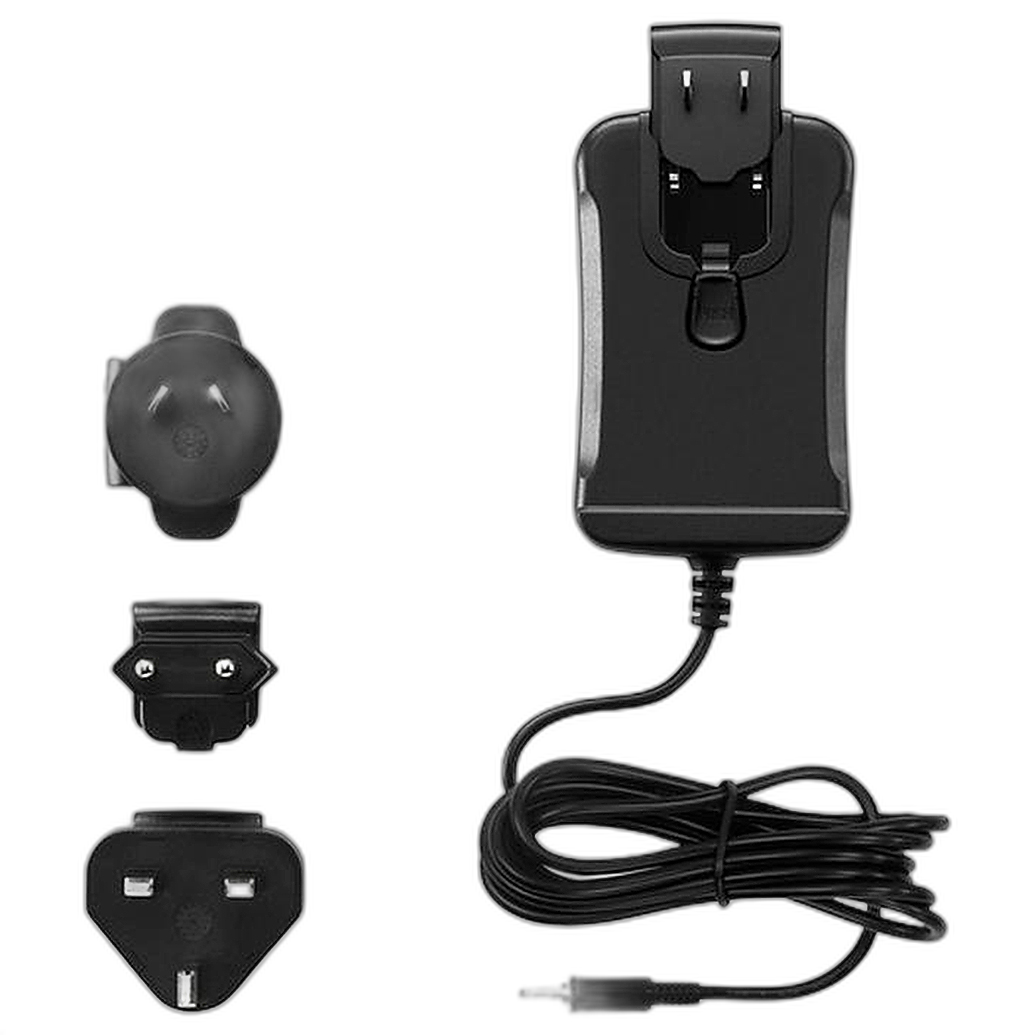
Even if your travel camera is a stills-focused model, the broader lesson is the same: plan for power, comfort, and convenience, not just the camera body itself.
How can I improve my travel and street photography without upgrading my camera?
One of the best ways to improve is to invest in experience and technique instead of immediately replacing your gear. Composition, timing, anticipation, and confidence in public spaces often matter more than small spec differences between cameras. Learning how to work with available light and how to move through an environment discreetly can dramatically elevate your results.
Unique Photo offers educational experiences that help photographers strengthen these skills in practical settings. Macro and Landscape Photography at Duke Farms may sound specialized, but workshops like this build observation, framing, and light-reading skills that carry over to travel photography.

For travel-focused inspiration, EXPO: Stories from the Road - Photography Across Worlds w. Matthew Borowick is especially relevant for photographers interested in visual storytelling while on the move.

Is buying used a smart way to stay under budget?
Buying used can be an excellent strategy if you want more camera for your money. A well-chosen used camera may let you step into a higher-quality system, add a lens, or reserve budget for accessories and travel expenses. The key is to buy from a trusted retailer that clearly describes condition and helps you evaluate whether a particular item suits your needs.
Used gear is especially appealing for photographers exploring different creative approaches, including film. While most budget travel buyers today lean digital for convenience, some photographers enjoy carrying a second camera for a slower, more deliberate process. Unique Photo's used department can be a valuable resource for shoppers comparing options and stretching a budget.
Whether you go new or used, think carefully about total kit weight, battery life, and how confidently you can operate the camera in real-world travel situations.
The best budget travel and street photography camera is the one that gives you strong image quality, fits comfortably into your day, and encourages you to keep shooting. If you are ready to build a lightweight kit, add practical accessories, or sharpen your skills through workshops and events, explore the selection at Unique Photo and find the setup that matches how you travel.