Best Hybrid Cameras for Photo and Video: What We’re Comparing
If you want one camera that can confidently handle both high-quality stills and serious video, a modern full-frame hybrid body is usually the sweet spot. For this comparison, we’re focusing on Panasonic’s current hybrid-oriented options from the LUMIX S lineup: the LUMIX S5IIX, LUMIX S5II, LUMIX S1II, and LUMIX S1RII. These cameras are all aimed at creators who shoot a mix of photography and video, but they target slightly different priorities.
The S5II and S5IIX are especially popular with content creators, wedding shooters, and solo filmmakers because they balance portability, strong autofocus, and robust video features. The S1II and S1RII move further into higher-end territory, appealing to users who want a more premium body and a stronger lean toward either video speed or higher-resolution stills. If you’ve been wondering which one is the best hybrid camera overall, this head-to-head breakdown will help clarify which model fits your workflow best.

Side-by-Side Specs Comparison
| Camera | Sensor Format | Best For | Video Focus | Stills Focus | Kit Option Available |
|---|---|---|---|---|---|
| Panasonic LUMIX S5IIX | Full Frame | Advanced hybrid creators | Most video-centric of the S5 series | Strong all-around stills performance | Yes, with 24-60mm f/2.8 |
| Panasonic LUMIX S5II | Full Frame | Balanced photo/video shooters | Excellent hybrid video toolset | Excellent all-around stills performance | Yes, with 20-60mm lens |
| Panasonic LUMIX S1II | Full Frame | Higher-end hybrid users | Premium hybrid/video workflow | Strong stills plus speed-oriented shooting | Yes, with 24-60mm f/2.8 |
| Panasonic LUMIX S1RII | Full Frame | Resolution-focused hybrid shooters | Capable hybrid video platform | Most stills-oriented in this group | Yes, with 24-60mm f/2.8 |
How to Choose the Best Hybrid Camera
The best hybrid camera is not always the one with the biggest spec sheet. It’s the one that matches how you actually work. Some photographers need fast, dependable autofocus and polished still-image handling first, with video as an important second feature. Others need deep recording options, pro connectivity, and a workflow that leans heavily into filmmaking. And some creators need both in equal measure.
That’s why this comparison matters. All four of these Panasonic bodies are full-frame mirrorless cameras designed for modern creators, but the differences become meaningful once you look at priorities like portability, lens kits, likely use cases, and whether you lean more toward video production or high-end still photography.
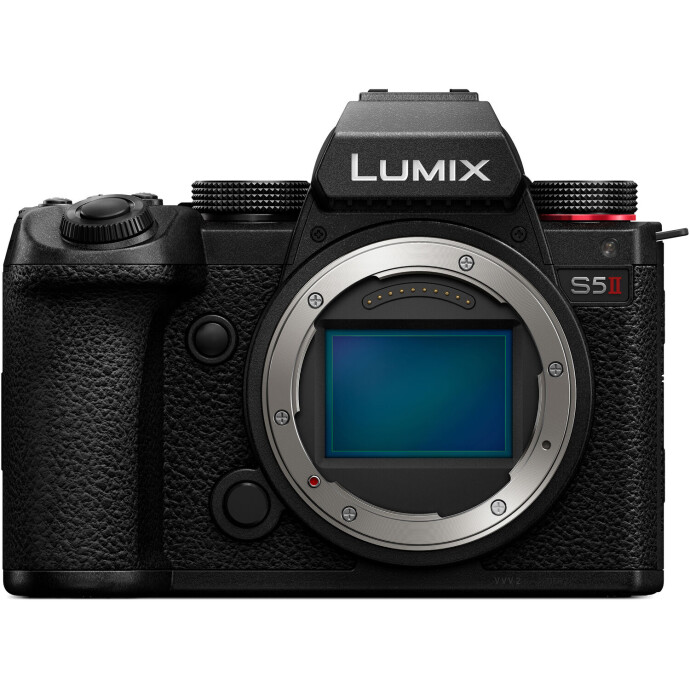
1. Best Overall Balance: Panasonic LUMIX S5II
The Panasonic LUMIX S5II is the most approachable all-around hybrid camera in this group. It gives photographers and video shooters a well-balanced body without overcommitting to one side of the equation. For many buyers, that makes it the easiest recommendation.
It’s a great fit for weddings, portraits, events, travel, content creation, and small commercial work. If you need one camera that can shoot strong stills during the day and switch into serious video capture when needed, the S5II hits the sweet spot.
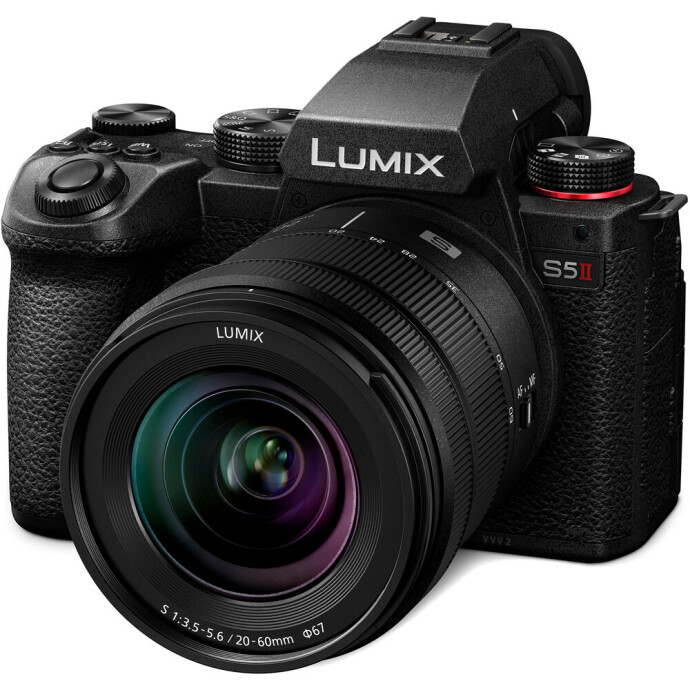
The version bundled with the 20-60mm lens is especially attractive for new full-frame users because it creates a versatile starter kit right out of the box.
2. Best for Video-First Creators: Panasonic LUMIX S5IIX
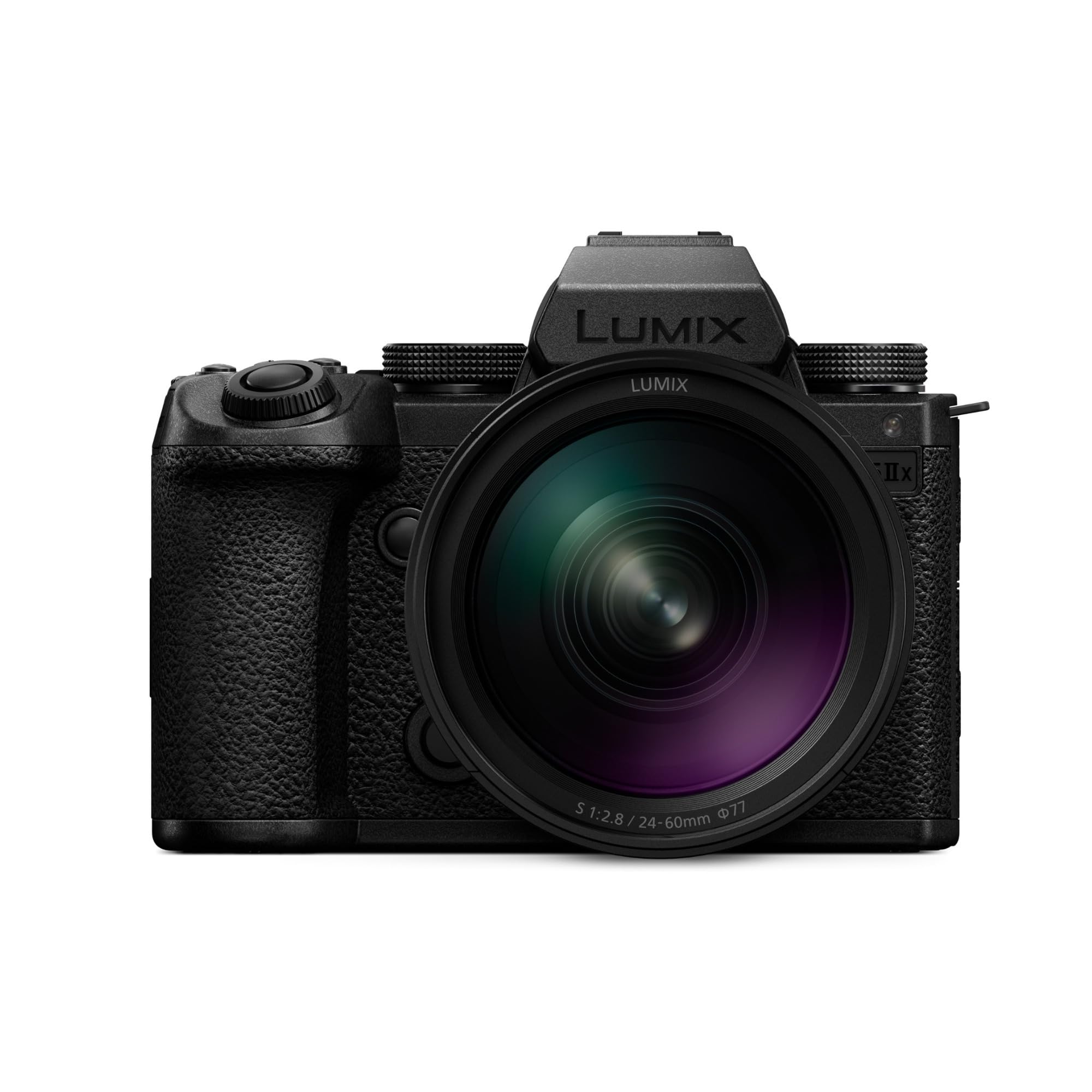
If your hybrid work leans more heavily toward filmmaking, the Panasonic LUMIX S5IIX stands out. It shares the same basic hybrid philosophy as the S5II, but its identity is more video-forward. For creators building a workflow around professional video production, the S5IIX is often the more compelling pick.
This is the camera for users who shoot interviews, branded content, documentaries, social media campaigns, music videos, and short-form narrative work, but who still want a capable stills camera in the same body. You’re getting a camera that feels like it was built with serious motion work top of mind.
The S5IIX with the 24-60mm f/2.8 lens kit is especially appealing for buyers who want a brighter, more premium everyday zoom to pair with that video-first body.
3. Best Step-Up Hybrid Body: Panasonic LUMIX S1II
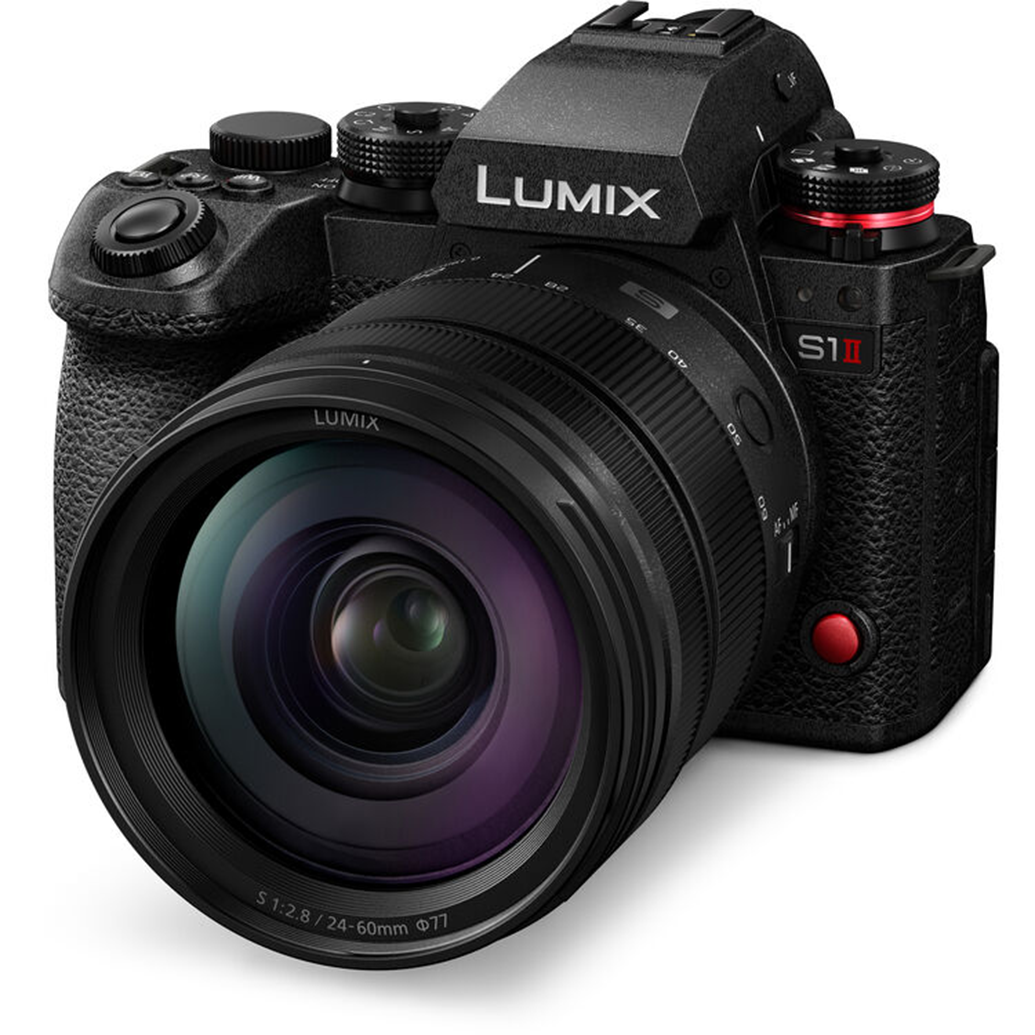
The Panasonic LUMIX S1II sits as a more advanced option for creators who want a higher-end full-frame hybrid platform. Compared to the S5 series, the S1II is the kind of camera you consider when your assignments are getting more demanding and you want a body that feels more premium and more purpose-built for heavy professional use.
This makes it especially attractive for experienced hybrid shooters, commercial creators, and professionals who want a more elevated body-and-lens combination. The included 24-60mm f/2.8 lens kit also positions it as a strong ready-to-work package.
If the S5II is the value-balanced recommendation, the S1II is the enthusiast-to-pro upgrade path for users who want to stay deeply invested in both stills and video.
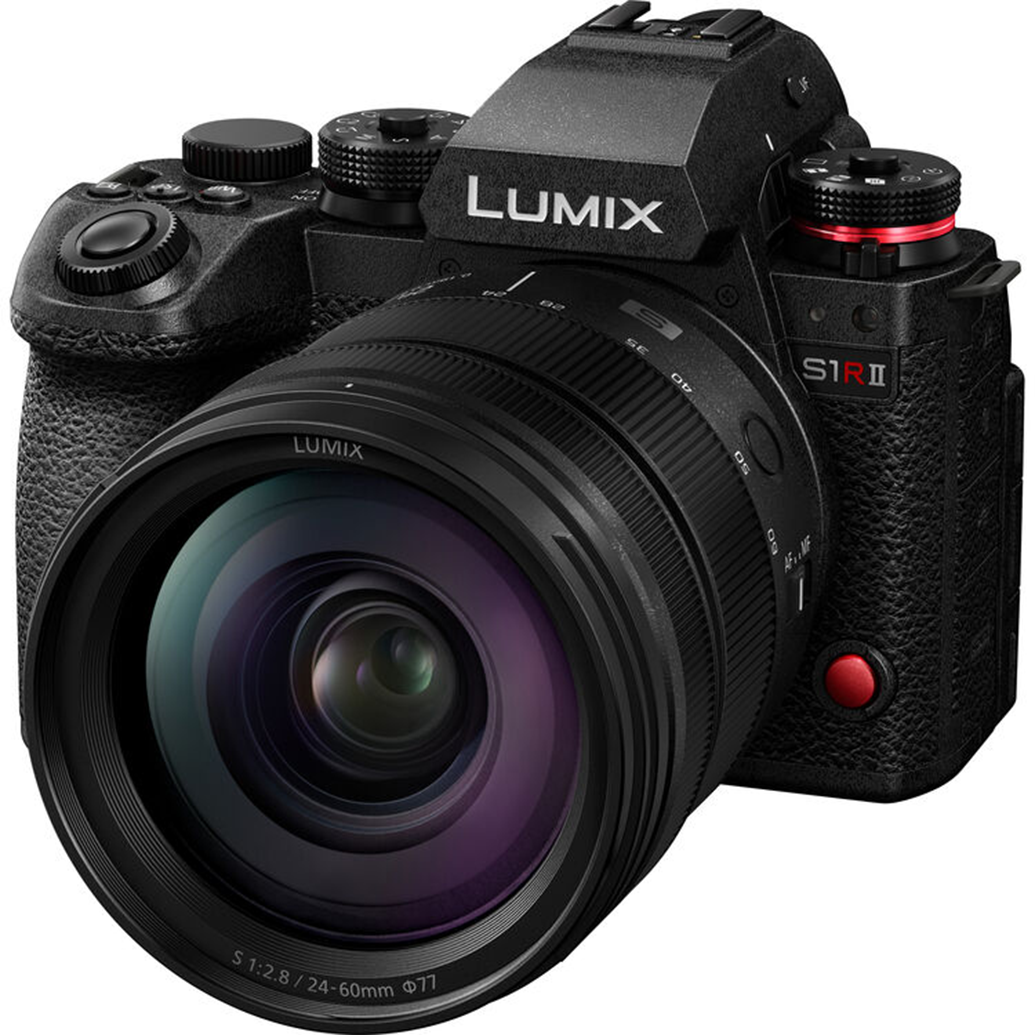
4. Best for High-Resolution Stills with Hybrid Flexibility: Panasonic LUMIX S1RII
The Panasonic LUMIX S1RII is the camera in this comparison that most clearly tilts toward photographers who still need real video capability. If your work depends heavily on detail, resolution, commercial image quality, or cropping flexibility, this is the body that deserves the closest look.
It’s ideal for portrait photographers, studio shooters, landscape photographers, editorial users, and commercial creators who want a premium stills machine that can also deliver when video is part of the job. In other words, if you are a photographer first and a videographer second, the S1RII may be the best hybrid choice for your needs.
Category-by-Category Comparison
Video Performance
For creators prioritizing video, the S5IIX is the strongest pick among the S5 models and arguably the most obvious answer for hybrid users who think like filmmakers. It offers the most video-centric identity in this roundup.
The S5II remains excellent for video and is more than enough for a huge percentage of creators, especially those splitting their time fairly evenly between stills and motion.
The S1II also deserves serious attention if you want a more premium hybrid body. It makes sense for advanced users who want stronger overall positioning without stepping fully away from stills.
The S1RII is capable, but in this particular group it’s the one most likely to appeal to users who value still-image output first.
Stills Performance
If still photography is the priority, the S1RII is the natural standout because it is the most photography-leaning camera in this comparison. It’s the body to consider when image detail and high-end photographic output are your biggest concerns.
The S5II remains the most balanced stills-and-video option for the broadest audience. It’s a smart choice for photographers who also create video regularly but don’t want to overpay for features they may not fully use.
The S5IIX still performs very well for stills, but buyers usually choose it because video plays a larger role in their work.
The S1II sits in an appealing middle space for users wanting a more premium all-around camera without going fully resolution-first.
Value
In terms of pure value, the LUMIX S5II body is arguably the strongest option. It gives most hybrid shooters the best blend of modern performance, full-frame image quality, and serious video capability at a more approachable level than the S1-series bodies.
The S5II with 20-60mm lens is an even better value for first-time buyers entering the L-Mount system. It provides a practical focal range for travel, lifestyle, general photography, and video.
For budget-conscious shoppers, the Used Panasonic LUMIX S5II - Excellent is also worth mentioning. If you want the same balanced hybrid concept at a potentially lower price point, buying used can be a very smart way to stretch your budget.
Lens Kit Appeal
The available kits here matter. The S5II with 20-60mm is a highly practical, flexible starter package for general-purpose shooting. It’s travel-friendly and versatile.
The S5IIX, S1II, and S1RII kits with the 24-60mm f/2.8 are more premium-feeling combinations for buyers who want a faster standard zoom and a more advanced out-of-the-box setup. For many hybrid shooters, that brighter aperture makes these kits especially compelling.
Our Pick
Best Overall Hybrid Camera for Most People: Panasonic LUMIX S5II
If you want the best mix of still-image quality, strong video capability, everyday usability, and value, the Panasonic LUMIX S5II is our pick. It’s the most balanced camera in this comparison and the one that makes the most sense for the widest range of creators.
Choose the S5IIX instead if video is clearly your top priority and you want the most video-oriented option in the S5 family.
Choose the S1II if you want a more premium step-up hybrid body.
Choose the S1RII if you’re primarily a photographer and want stronger stills-oriented appeal with hybrid flexibility.
Final Thoughts
For most creators asking, “What’s the best hybrid camera for both video and stills?” the answer comes down to how evenly you split your work. The LUMIX S5II is the best all-around answer, the S5IIX is the best video-first answer, the S1II is the premium hybrid upgrade, and the S1RII is the best fit for stills-led users who still need strong video capability.
If you’re ready to compare Panasonic hybrid cameras in more detail, explore kits, or shop new and used options, Unique Photo is a great place to find the right LUMIX body for your workflow.