Photography Contest Themes FAQ: How to Interpret Them and Stand Out
Photography contests often sound simple on the surface, but theme-based entries can be surprisingly nuanced. The strongest submissions usually do more than match a keyword—they show clear intent, thoughtful execution, and a perspective that feels personal.
At Unique Photo, we regularly help photographers refine ideas, improve technique, and prepare images for competitive review. If you are trying to decide how closely to follow a theme, whether to go literal or abstract, or how to make a familiar subject feel fresh, this FAQ will help.
How closely should I follow a contest theme?
You should follow the theme closely enough that a judge can recognize your connection without needing a long explanation. In most contests, creativity is a plus, but clarity still matters. If the theme is too loosely interpreted, the image may be viewed as off-topic even if it is technically excellent.
A practical approach is to ask yourself two questions before submitting: first, does the image clearly relate to the theme; second, does it bring something distinctive to that theme? The best contest entries often sit in the middle ground between obvious and unexpected. They respect the prompt while giving the viewer a reason to look longer.
How creative can I get with my interpretation?
You can be very creative, as long as the theme remains readable in the image. Originality often helps your work stand out, especially when many entrants are likely to photograph the same obvious subjects. A theme like reflection, for example, does not have to mean only a mirror or a lake. It could involve reflective surfaces in architecture, emotional introspection suggested through composition, or layered imagery that implies duality.
What matters is whether your concept feels intentional rather than random. Judges tend to respond well when a creative interpretation still has strong visual anchors. If your concept is more abstract, composition, light, color, and subject placement become even more important because they help communicate the idea quickly.
Do literal or abstract submissions usually perform better?
Neither style wins by default. Literal entries can perform well because they are immediately understandable and often satisfy the brief in a straightforward way. Abstract entries can also do very well if they are visually compelling and still tied clearly to the theme.
In practice, judges often reward images that combine accessibility with originality. A literal submission may struggle if it looks too familiar. An abstract submission may struggle if it feels disconnected from the assignment. If you are unsure, aim for a concept that is easy to identify at first glance but layered enough to reveal more on closer inspection.
For example, in a theme like nature, a beautiful landscape can work—but so can a tightly framed detail of growth, decay, texture, or interaction between wildlife and environment. The key is execution and intent, not whether the concept is literal or conceptual.
How do I brainstorm unique ideas for common themes like “nature” or “reflection”?
Start by writing down the most obvious interpretations first. Then deliberately move beyond them. For nature, the obvious list might include forests, flowers, sunsets, and wildlife. Your second list should push deeper: patterns in bark, weathered leaves, human impact on natural spaces, macro details, seasonal transitions, or motion blur in wind and water.
For reflection, think beyond mirrors and puddles. Consider glass buildings, chrome surfaces, sunglasses, projected light, repetition, or even portrait concepts that suggest self-examination. A good brainstorming method is to break the theme into categories: subject, mood, symbolism, technique, and location. That process usually produces more original ideas than relying on the first thing that comes to mind.
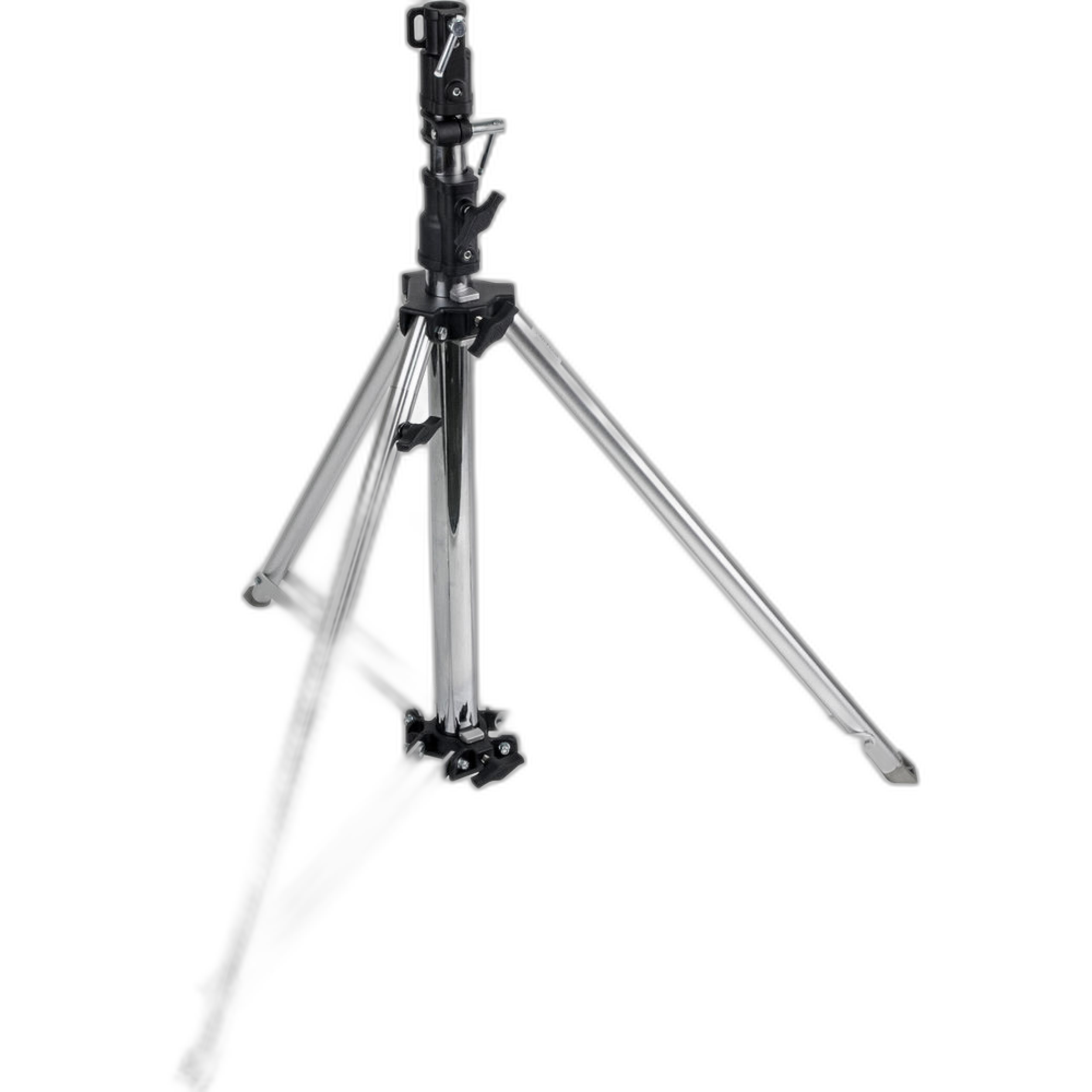
If you are working on a more polished concept or planning a controlled shoot, stable support gear can help you execute precisely. A sturdy stand can be useful for lighting or shaping reflections in studio-inspired setups. The Kupo Followspot Stand is one example of a durable support option for carefully arranged scenes.
Should I explain my interpretation in the title or caption?
If the contest allows titles or captions, use them strategically—but do not rely on them to rescue an unclear photo. A strong title can reinforce mood, direct attention, or add a layer of meaning. It should complement the image, not do all the work for it.
If your photo is more conceptual, a concise title can help bridge the gap between viewer and intent. Still, judges generally want the image itself to carry the theme. Before finalizing your submission, show the photo to someone unfamiliar with your concept and ask what theme they think it represents. If their answer is far from your goal, the image may need refinement.
What makes a contest entry feel original without becoming confusing?
Original work usually comes from a personal point of view, not just an unusual subject. You can photograph a common theme in a way that feels fresh by changing your angle, using unusual light, simplifying the frame, emphasizing timing, or introducing emotional context. Originality often shows up in decisions about what to include—and what to leave out.
To avoid confusion, make sure there is one dominant visual idea. Even an experimental image benefits from a clear focal point. If multiple concepts compete in the frame, the theme can become diluted. Strong contest images tend to feel deliberate and edited, both in capture and in post-production.
How important is technical execution when interpreting a theme?
Technical quality matters because it supports the idea. Even a brilliant concept can lose impact if focus, exposure, distracting backgrounds, or poor cropping get in the way. Contest judges often evaluate both creativity and craftsmanship, so your image should be intentional on both levels.
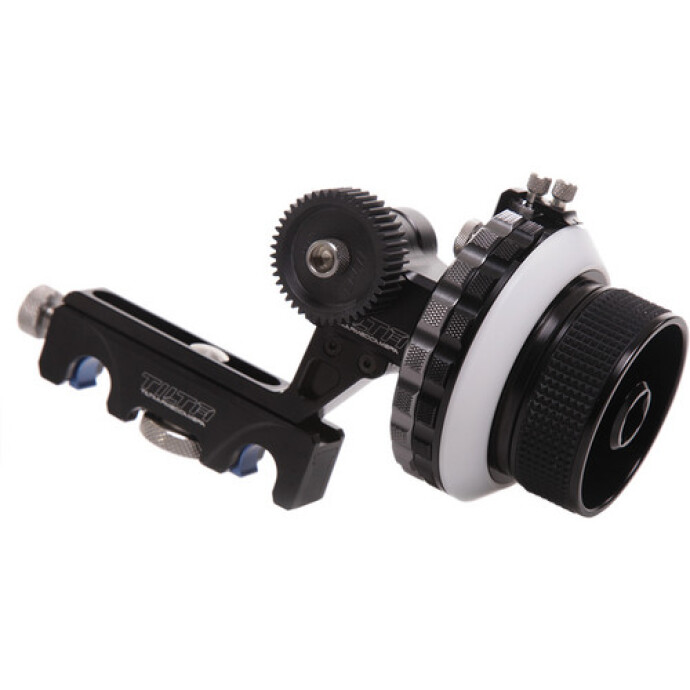
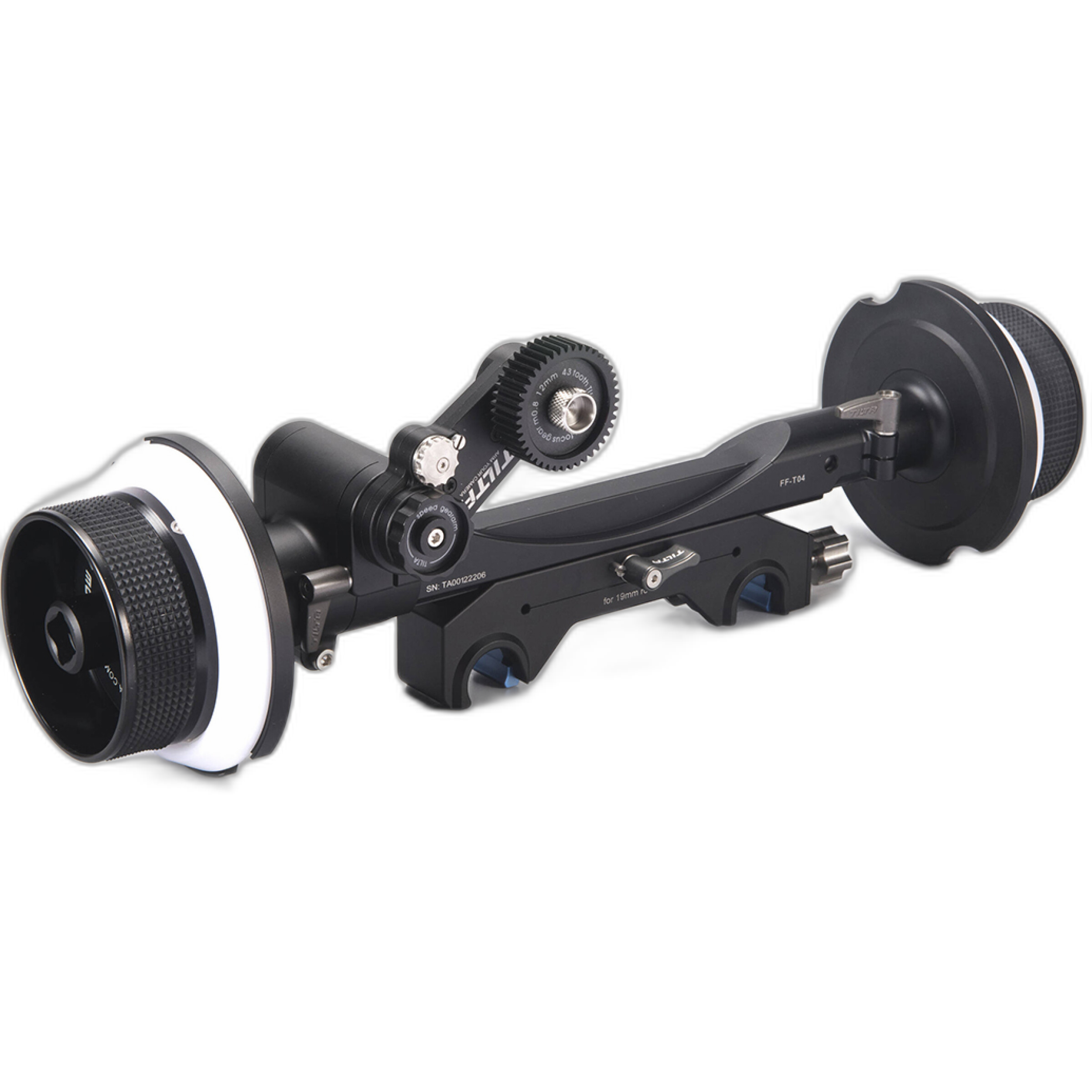
If your concept depends on precise focus control—such as a shallow-depth portrait, macro detail, or a carefully staged reflective composition—having better control during capture can make a noticeable difference. Photographers building more controlled rigs for video-capable hybrid workflows may benefit from tools like the Tilta FF-T03 15mm Follow Focus with Hard Stops or the Tilta FF-T04 Dual-Sided Follow Focus Kit when producing theme-driven motion projects or hybrid submissions.
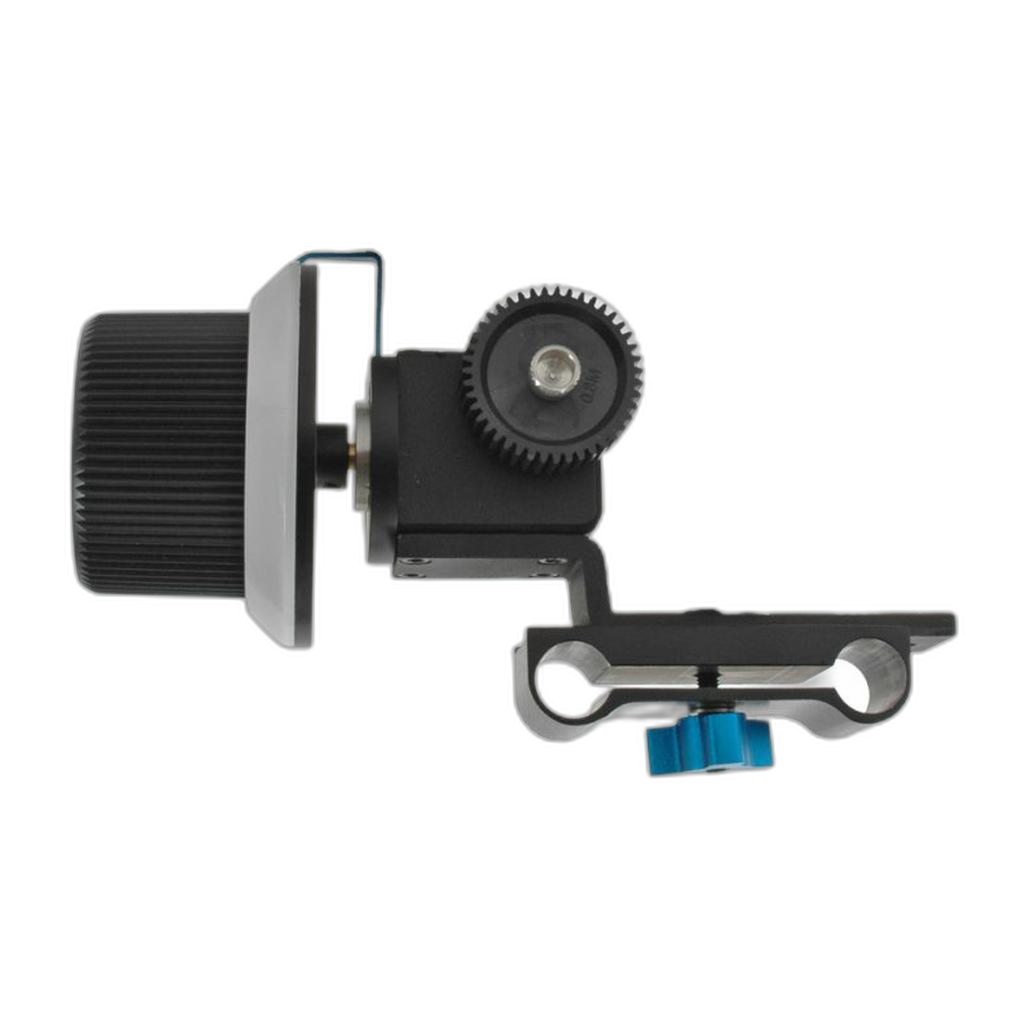
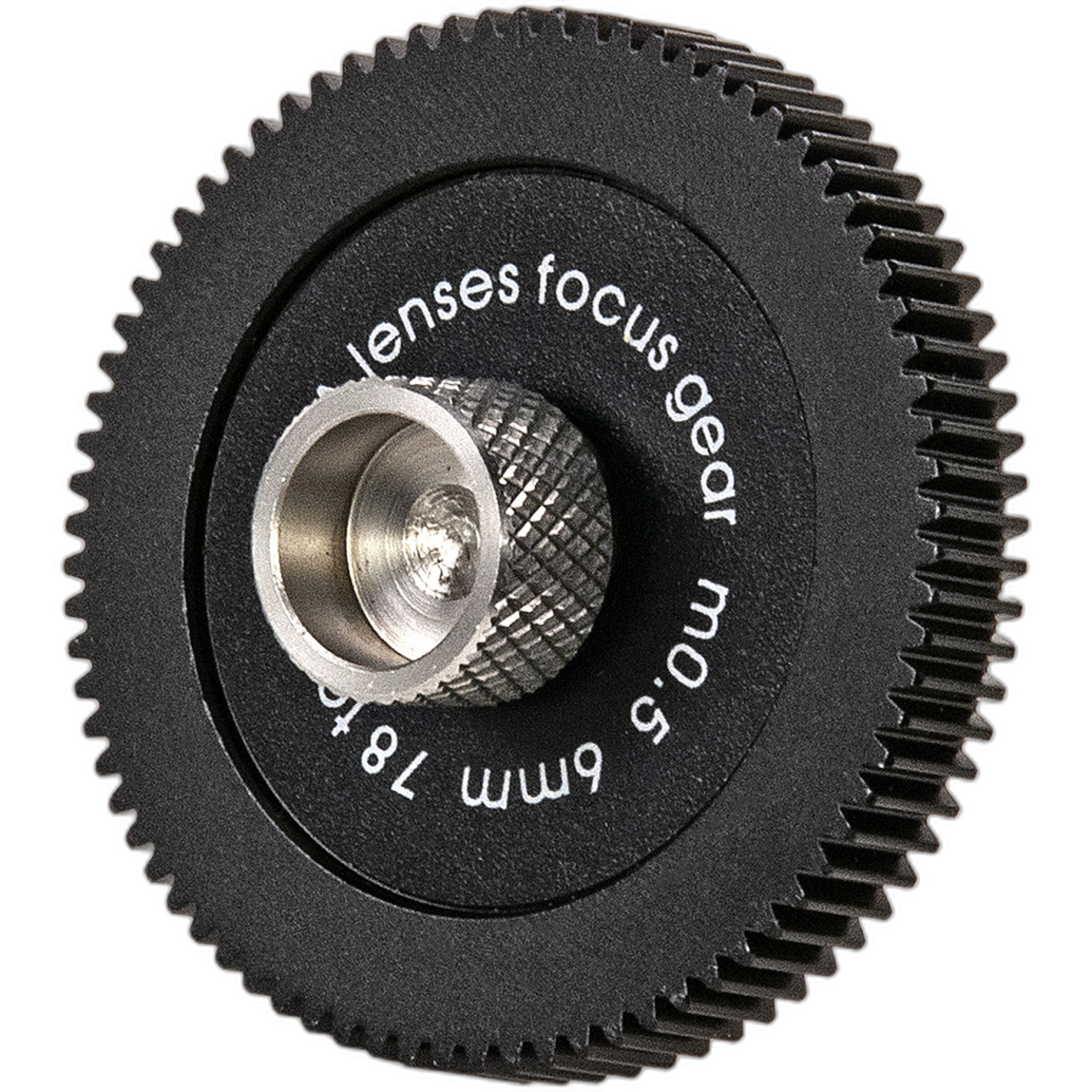
For creators exploring alternative focus setups, the DLC DL-V/FF2 Follow Focus F1 and Tilta Follow Focus Lens Drive Gear can also support more repeatable focus pulls in planned visual concepts.
How can I test whether my image really communicates the theme?
One of the best methods is to remove your own bias and get outside feedback. Show the image to a few people without telling them the contest theme. Ask what idea, mood, or subject they think it represents. If their responses align with your intended theme, you are probably on the right track.
You should also compare your image against a simple checklist: is the subject clear, does the composition support the idea, is there anything distracting, and would the image still make sense as a thumbnail? Since judges may review many entries quickly, immediate readability can be a real advantage.
What should I avoid when entering a themed photography contest?
Avoid being so obvious that your image feels generic, but also avoid being so vague that the theme disappears. Over-editing is another common problem. Heavy effects, exaggerated HDR, or excessive color treatment can distract from the concept instead of strengthening it. Keep your processing aligned with the mood and message of the photo.
You should also avoid submitting an image simply because it is your favorite if it does not fully fit the theme. Contest success often comes from choosing the image that best answers the prompt, not the one that means the most to you personally. Selection discipline is part of the process.
Can studying winning contest images help me improve?
Absolutely. Looking at successful entries can help you understand how strong photographers interpret prompts, build visual hierarchy, and create memorable images without losing the theme. The goal is not to imitate, but to recognize patterns in what makes an image effective.
Unique Photo offers educational resources that can inspire this process, including content like the NJ Monthly 2020 Cover Search Contest Winners Reveal. Reviewing contest-winning work can be a useful way to see how concept, execution, and audience appeal come together in real-world judging.
Whether you are entering your first theme-based competition or refining a more advanced submission strategy, the most effective images balance interpretation, originality, and technical polish. If you are ready to build your next contest concept, explore gear, education, and inspiration at Unique Photo.