Best Photo Contests for Beginners and Hobbyists: FAQ
Entering a photo contest can be a great way to build confidence, discover your strengths, and put your work in front of a wider audience. For newer photographers, the key is not just finding contests to enter, but choosing reputable opportunities that match your experience level, budget, and goals.
At Unique Photo, we encourage photographers to approach contests strategically. A well-chosen contest can motivate you to edit more carefully, print more professionally, and keep building a stronger portfolio over time.
Which photo contests are best for beginners and hobbyists?
The best contests for newer photographers are the ones with clear categories, transparent rules, realistic entry fees, and judging that values creativity as much as technical perfection. Look for local camera club contests, community arts organizations, nonprofit exhibitions, regional fairs, photo festivals, and brand-sponsored competitions with beginner-friendly categories. These opportunities are often more accessible than highly competitive international awards and can still provide meaningful exposure.
Another smart option is to enter contests connected to themes you already enjoy photographing, such as nature, travel, portraits, or local culture. If you are still building your body of work, participating in photo walks, workshops, and guided shooting events can help you create stronger images for future submissions. Unique Photo classes and excursions are especially useful if you want to build contest-ready images while learning in the field.

For example, hands-on experiences like Macro and Landscape Photography at Duke Farms with Michael Downey can help you create polished landscape and close-up images that fit common contest categories.
Likewise, a specialty excursion such as Photograph Fluorescent Zinc Ore at Sterling Hill Mine can give you unusual subject matter that stands out in themed competitions.
Are free photo contests worth entering?
Free contests can absolutely be worth entering, especially when you are new and want experience reading rules, selecting images, writing captions, and meeting deadlines. They can be a low-risk way to learn how contests work. However, free entry alone should not be your only deciding factor.
Always check who is organizing the contest, whether previous winners are publicly listed, what the prizes are, and how submitted images may be used. A reputable free contest should still have detailed terms, a recognizable organizer, and a clear explanation of judging criteria. If the rules are vague or the organizer seems impossible to verify, it is best to skip it.
What is a reasonable entry fee for a beginner-friendly contest?
Low-cost contests can be a good middle ground for hobbyists. A modest fee may indicate that the organizers are funding judging, exhibition space, or administration, but the value needs to be clear. In many cases, beginner-friendly contests charge either nothing, a small flat fee, or a limited fee per image.
Before paying, ask yourself what you are getting in return. Is there genuine judging by experienced photographers or editors? Is there a chance for exhibition, publication, feedback, or portfolio visibility? If a contest charges premium fees but offers little transparency, little prestige, and extremely broad usage rights over your images, it may not be the best investment.
How can I tell whether a photo contest is legitimate?
A legitimate photo contest should be transparent in five key areas: organizer identity, judging process, deadlines, prizes, and image rights. You should be able to clearly identify who is running it, how winners are selected, when results will be announced, and what happens to your images after submission.
Look for these positive signs:
Clear rules: Categories, eligibility, file requirements, and judging criteria are easy to understand.
Named judges or organization: Reputable contests usually identify judges, sponsors, or a known institution.
Published winners: Past winners and finalist galleries are available to review.
Reasonable rights language: The organizer may request permission to promote the contest using submitted images, but should not claim unlimited ownership of your work.
Professional communication: The website, email contact, and submission process should feel established and trustworthy.
If any of those pieces are missing, proceed carefully. Contest scams often rely on vague promises, poor rule pages, or rights grabs that go far beyond promotion of the event itself.
What contest terms and conditions should photographers watch out for?
The most important section of any contest is the image rights clause. You should avoid contests that require entrants to give up copyright ownership or allow the organizer to use your image forever, in any context, without compensation. Limited promotional use tied to the contest itself is common and usually reasonable. Broad commercial usage rights are a red flag.
You should also check whether the contest accepts AI-generated work, whether excessive editing is allowed, and whether model or property releases are required. In wildlife, journalism, and documentary categories, authenticity rules can be especially strict. Reading every line before submitting can save you from disqualification or from agreeing to unfair usage terms.
How do I find reliable photo contests without wasting time?
Start with trusted sources. Photography organizations, museums, galleries, established publications, educational institutions, camera clubs, and recognizable brands are generally safer places to look than random contest aggregator sites. You can also follow photographers, educators, and retailers that regularly share educational opportunities and industry news.
At Unique Photo, we often recommend building your contest plan around your own growth. Attend events, workshops, and talks where you can improve your work and stay connected to the photo community. Educational events can also help you understand what judges respond to in storytelling, sequencing, and visual impact.
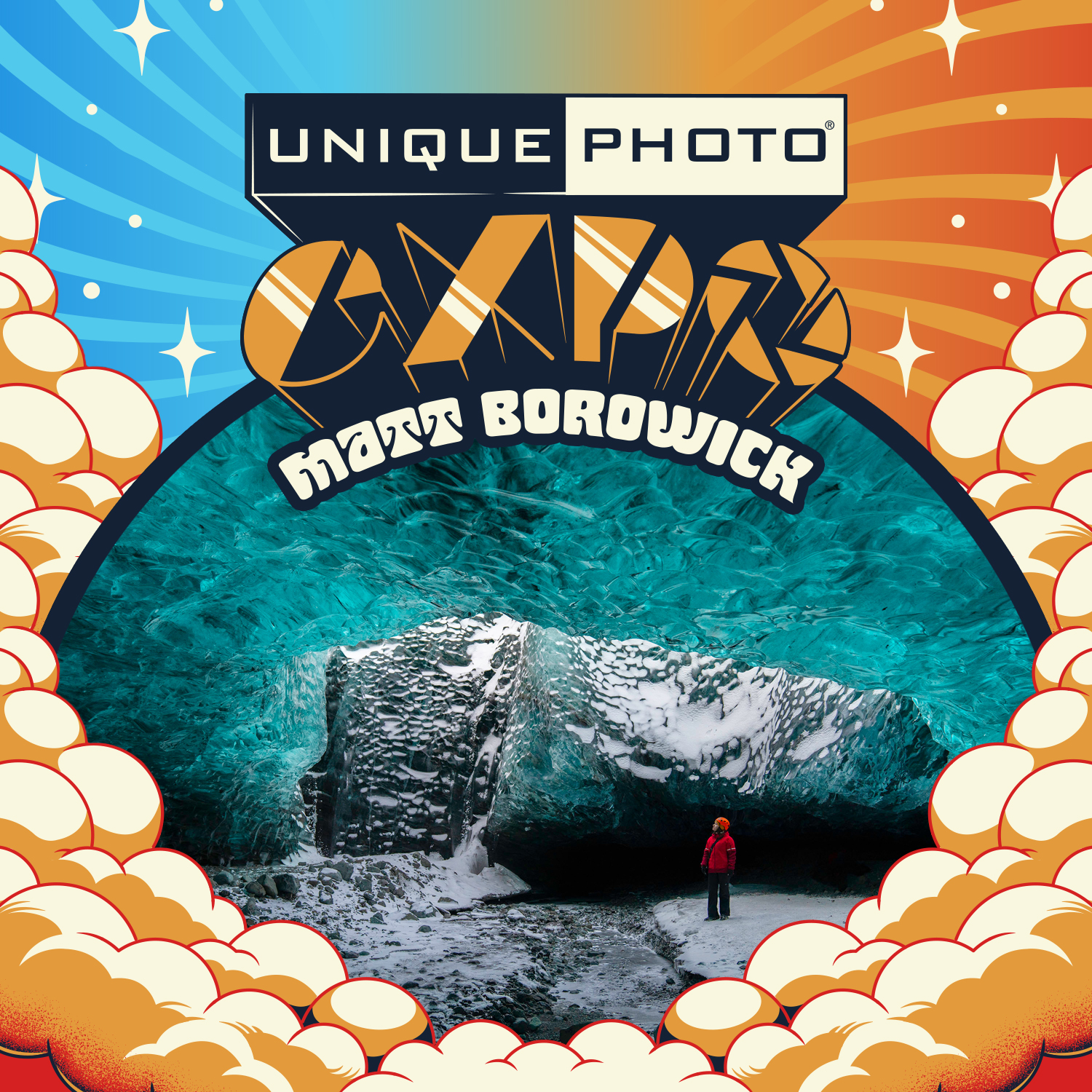
Programs like EXPO: Stories from the Road - Photography Across Worlds w. Matthew Borowick can be especially valuable if you want insight into creating images with stronger narrative power.
Should beginners enter local contests or international contests first?
For most photographers, local and regional contests are the better starting point. They often have lower fees, more approachable competition, and themes that are easier to shoot for. They can also lead to local recognition, gallery inclusion, and networking opportunities that help you grow faster than chasing major international awards right away.
That said, there is nothing wrong with entering a selective national or international contest if your image fits the category and you understand the odds. The important thing is to balance ambition with realistic expectations. A strong strategy is to mix a few aspirational contests with several smaller, reputable ones where your work has a better chance to be seen.
How do I choose the right photos to submit?
Choose images that match the contest theme first, then narrow your selection based on clarity, emotional impact, and technical quality. An image does not need to be complicated to be successful, but it should feel intentional. Judges often respond well to photographs with a clear subject, strong composition, and a memorable point of view.
If you are deciding between several images, step back and ask which one still holds attention after repeated viewing. It can also help to print your finalists instead of evaluating everything only on a screen. Prints make it easier to notice color problems, distracting edges, and missed details before you submit.
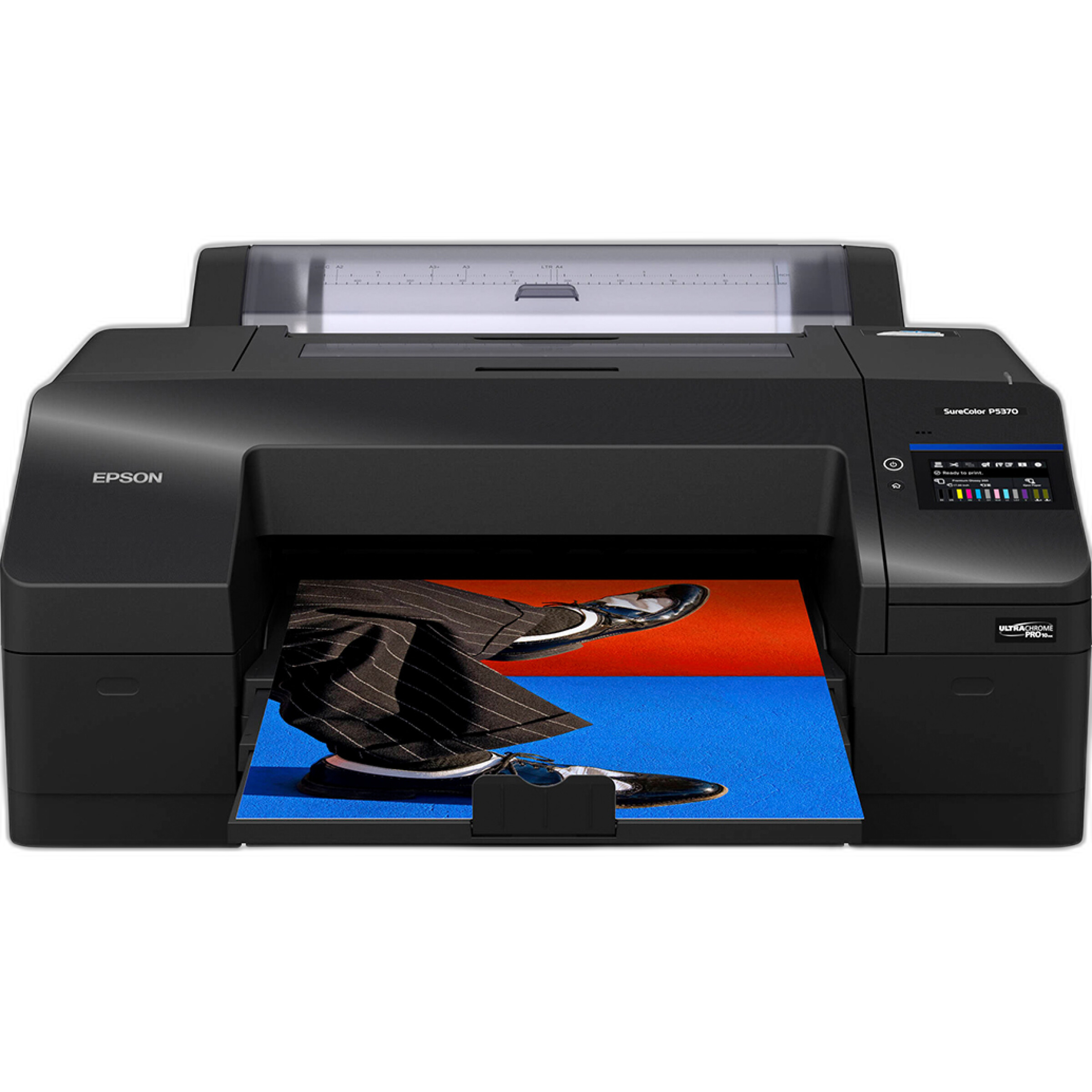
For photographers who want greater control over presentation, the Epson SureColor P5370 17-Inch Professional Photographic Printer is an excellent option for making detailed evaluation prints at home or in studio.
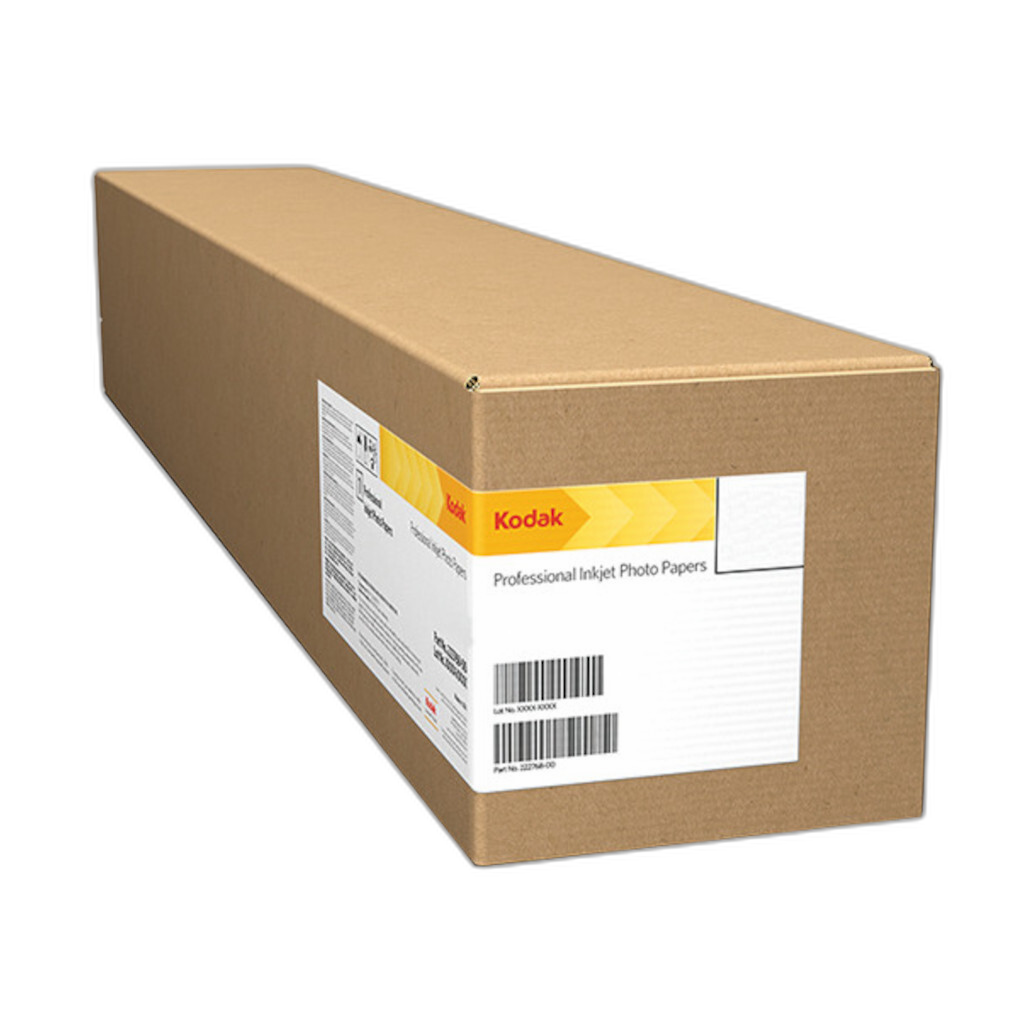
If your style benefits from dramatic contrast or a more luminous finish, Kodak Professional Metallic Photo Inkjet Paper can help certain contest images stand out in print-based reviews and exhibitions.
Do I need to print my work for contests?
Not always. Many contests are now digital-only for the entry stage, but some exhibitions and juried shows still require prints from finalists or ask for framed presentation later. Even when printing is not required, printing your best images remains one of the smartest ways to improve your submissions. It reveals details you may miss on a monitor and helps you assess whether an image truly has exhibition quality.
If you are creating a physical portfolio or keeping a record of your strongest images, organized storage matters too.
A product like the Pioneer 4 x 6 In. Bi-Directional Memo Photo Album is a practical way to keep contest ideas, printed proofs, and personal favorites in one place.
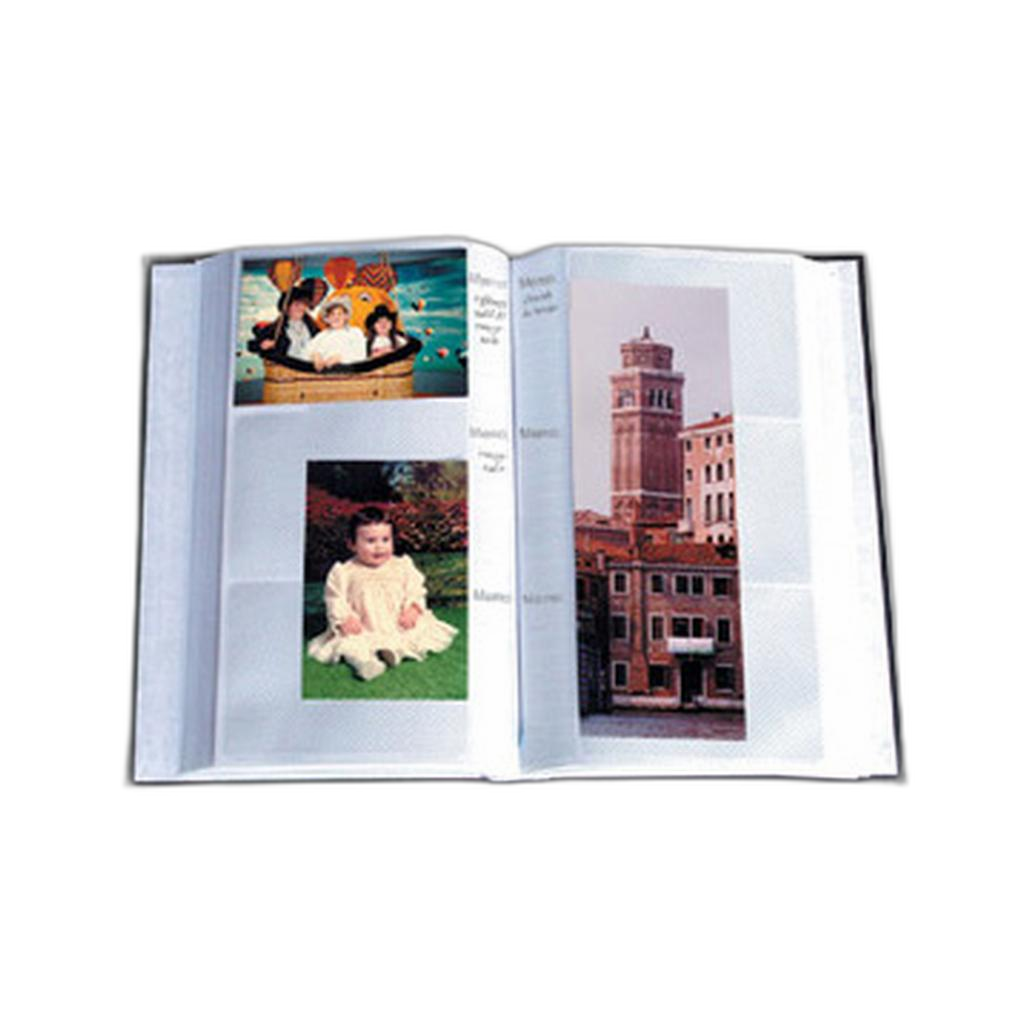
If your portfolio grows quickly, Pioneer Album Refill Pages for BP-200 Album can help you expand your archive without losing organization.
What should I do if I do not win?
Not winning is part of the process for photographers at every level. Contest results are influenced by theme fit, judge preferences, category size, and timing, not just image quality. Instead of treating every result as a verdict on your ability, use each entry as practice in editing, sequencing, and presenting your work.
It is helpful to save your best prints and keep a record of what you submitted where. Reviewing older entries can show how much your work has improved and help you identify patterns in the kinds of images you are most successful with.
Building a physical archive can make that easier over time. Albums are simple but effective for tracking your progress and preserving printed highlights from your photography journey.
How often should hobbyists enter contests?
A steady, selective approach is usually better than entering everything you find. Rather than submitting to many contests at random, focus on a few quality opportunities each season. This gives you time to create stronger work, review the rules carefully, and invest in thoughtful submissions.
As your skills grow through shooting, editing, printing, and learning from others, your contest strategy should evolve too. Workshops, excursions, and educational events can keep your photography moving forward while giving you fresh material to submit.
Photo contests can be a valuable tool for beginners and hobbyists when you choose them carefully. Focus on reputable organizers, fair terms, and categories that genuinely fit your style. If you are ready to build stronger contest entries, explore Unique Photo's classes, excursions, printing tools, and photo presentation products to support your next submission.