Landscape photography often starts with one big question: should you reach for a wide-angle lens to capture the full scene, or use a zoom to isolate the details that make a location memorable? The truth is that both approaches are valuable, and knowing when to use each can dramatically improve your results. Whether you are hiking with a compact kit or building a more flexible mirrorless setup, these tips will help you choose the right focal length for the landscape in front of you.
Why This Comparison Matters in Landscape Photography
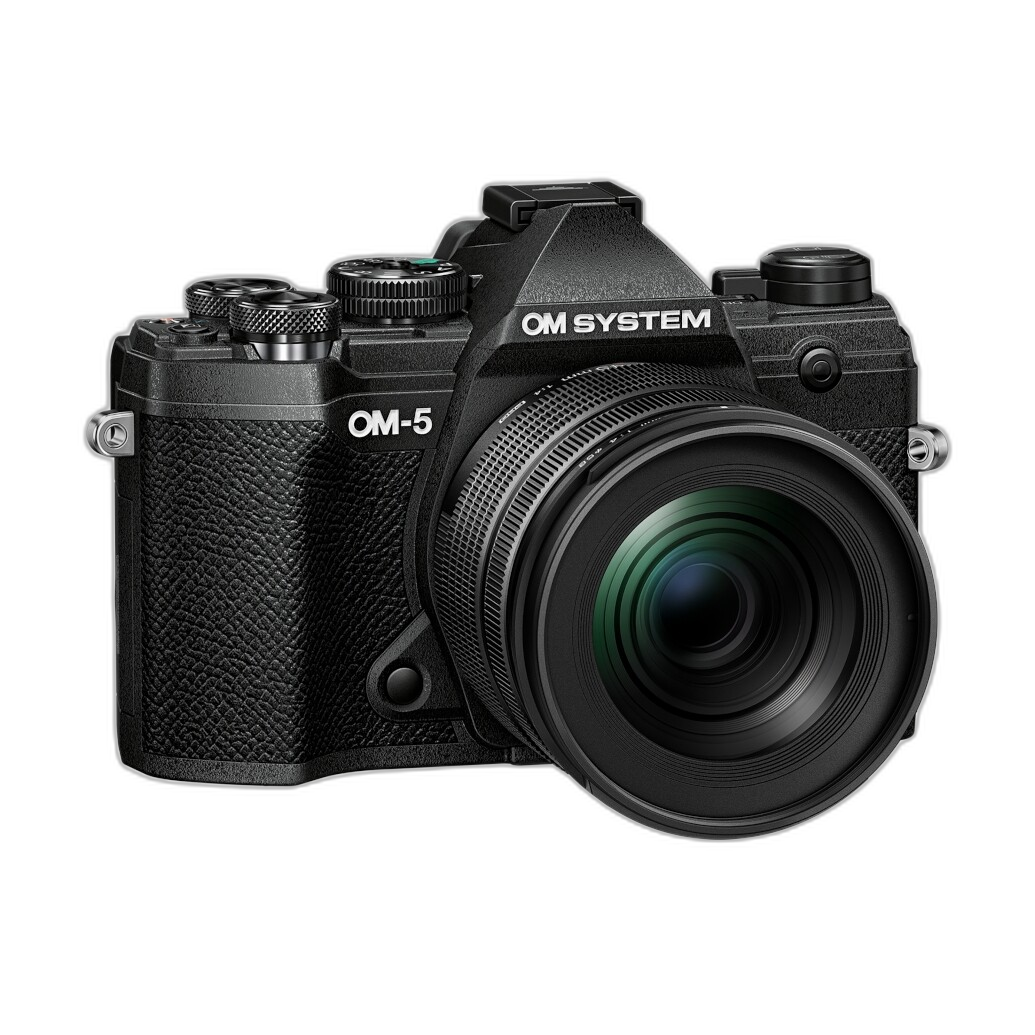
Wide angles are popular because they can include sweeping skies, foreground texture, and a sense of scale all in one frame. Zooms, however, are just as important because they let you simplify a busy scene, compress distant mountains, and crop in-camera without changing your position. For many photographers, a flexible kit like the OM SYSTEM OM-5 Mirrorless Camera with 12-45mm f/4.0 PRO Lens offers a useful middle ground, covering wide views while still giving you enough reach to refine compositions on the trail.
Tips for Choosing Wide Angles vs Zooms
1. Use wide angles when the foreground is part of the story
- If you have strong foreground interest like wildflowers, rocks, tide pools, or leading lines, a wider lens can pull viewers into the image.
- Wide focal lengths help create depth by making nearby subjects feel more prominent against the background.
- This works especially well at sunrise or sunset, when dramatic skies and textured foregrounds can share the frame.
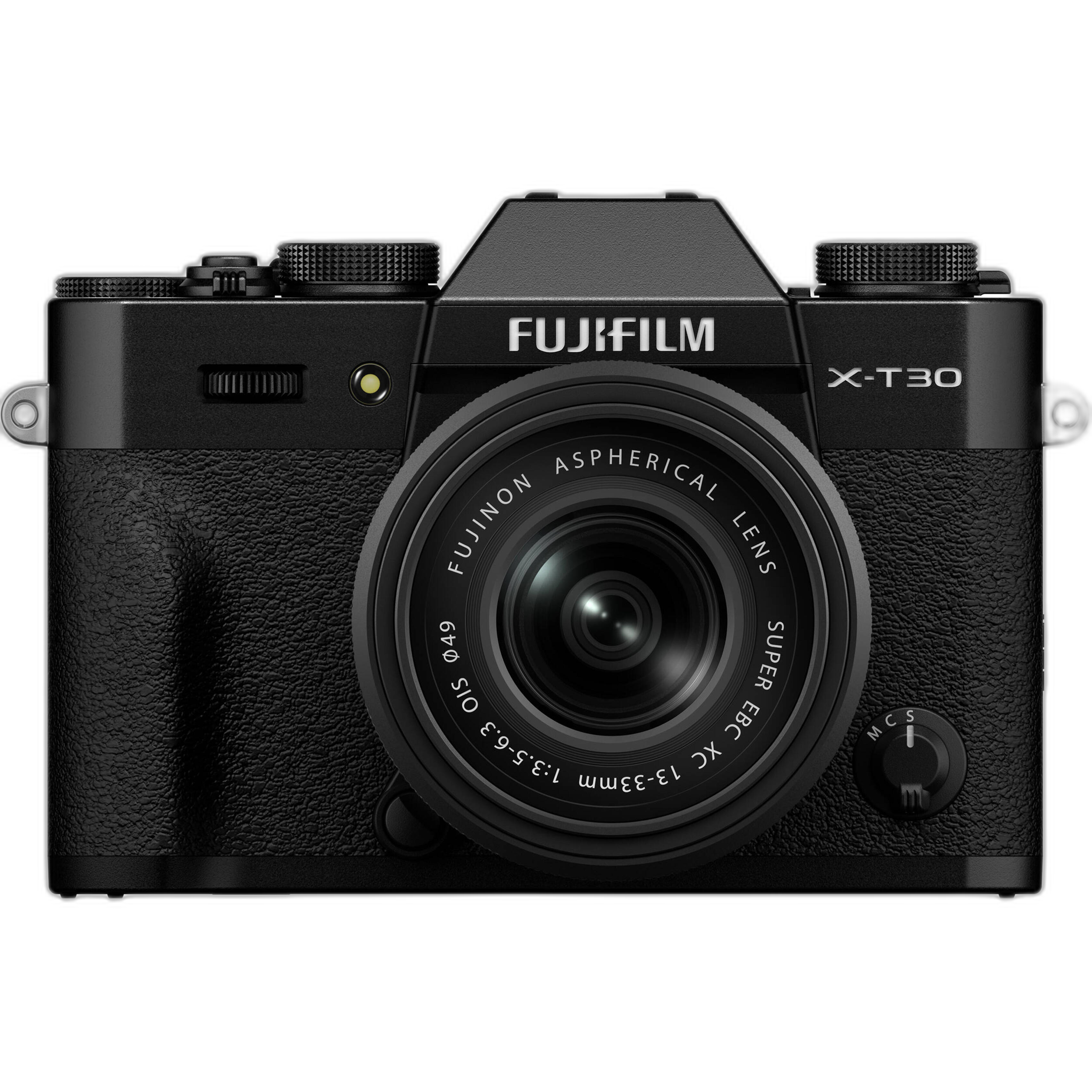
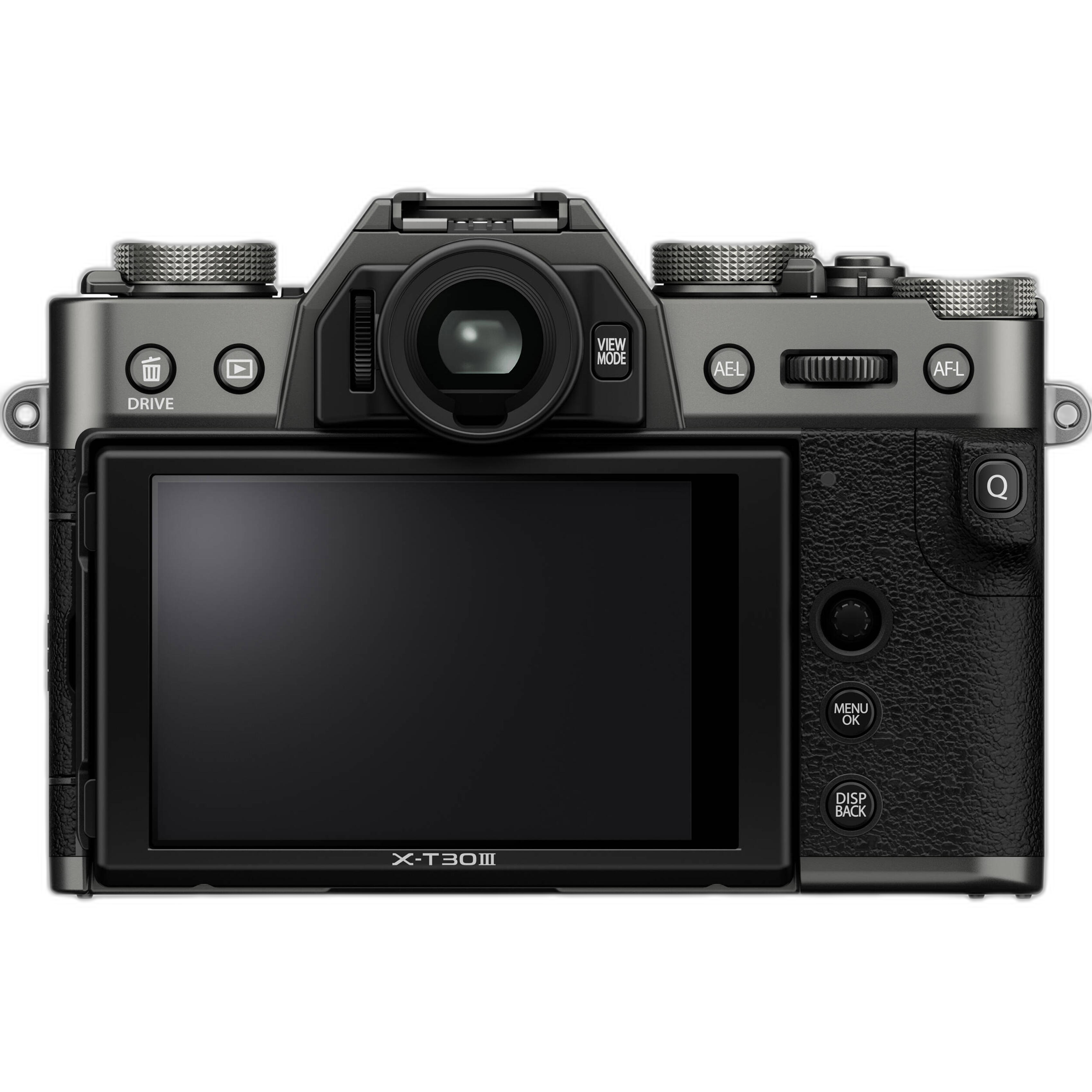
A kit such as the FUJIFILM X-T30 III with XC13-33mm Lens is well suited for this style of shooting, giving you broad landscape coverage while staying light enough for travel and day hikes.
2. Choose a zoom when the scene feels cluttered
- Not every landscape benefits from fitting everything into the frame.
- A zoom helps you remove distractions around the edges and focus on a mountain ridge, a patch of light, or repeating patterns in the terrain.
- Longer focal lengths can make a composition feel cleaner and more intentional.
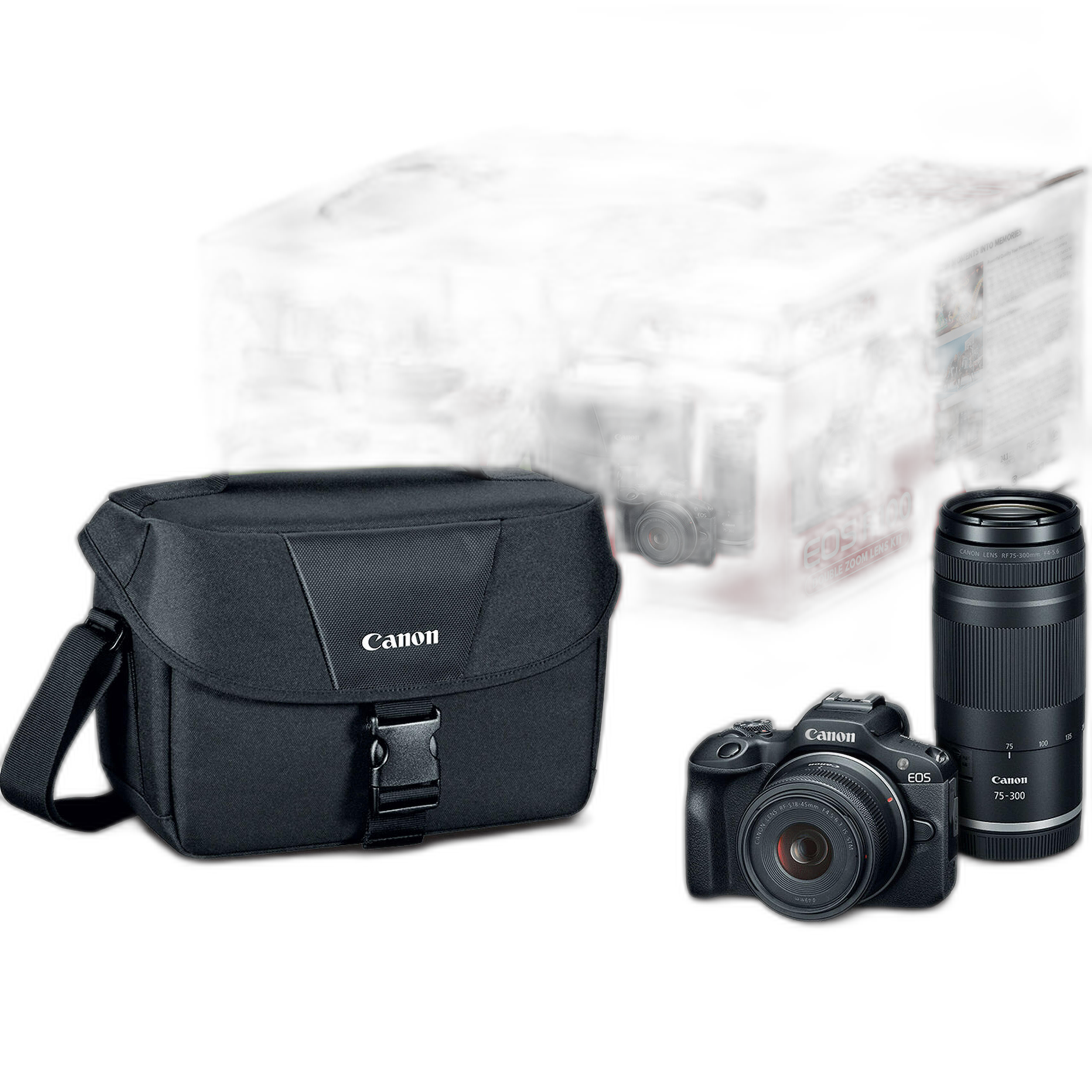
This is where a package like the Canon EOS R100 Double Lens Zoom Kit becomes especially practical. Having two zoom options lets you move from a broader vista to tighter compositions without being limited to a single look.
3. Remember that wide-angle lenses can exaggerate space
- Wide lenses make near objects look larger and distant mountains look smaller.
- That can be powerful if you want to emphasize depth, but it can also make a dramatic landscape feel less impressive if the background becomes tiny.
- Step closer to your foreground subject when shooting wide, or rethink the composition if the background loses impact.
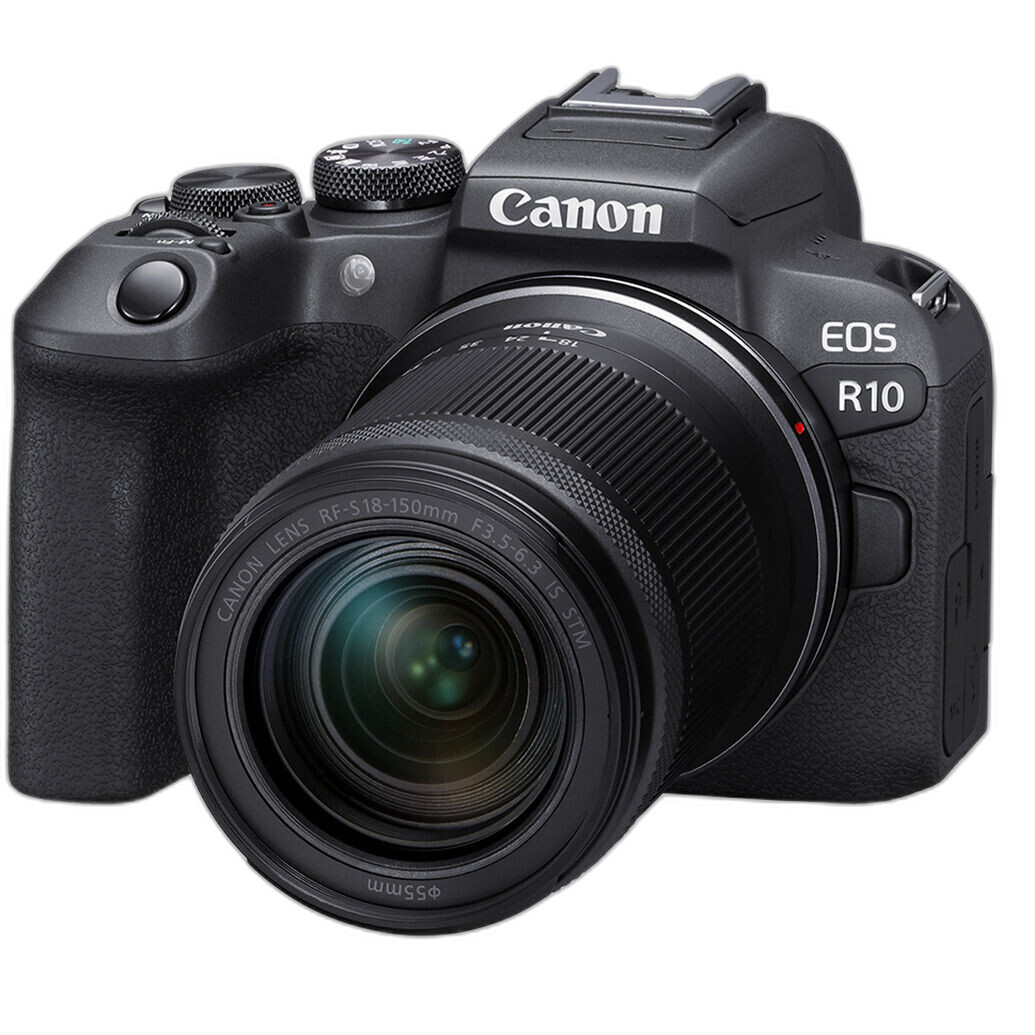
If you want flexibility for experimenting with this effect, the Canon EOS R10 Mirrorless Camera with 18-150mm Lens gives you a broad range to compare wide environmental frames with more compressed telephoto views in the same outing.
4. Use zooms to isolate layers, peaks, and changing light
- One of the biggest advantages of a zoom lens in landscape photography is selective framing.
- Telephoto focal lengths are excellent for capturing atmospheric layers in hills, sunlight hitting one section of a valley, or a lone tree against a distant ridgeline.
- These compositions often feel more graphic and dramatic than an ultra-wide scene.
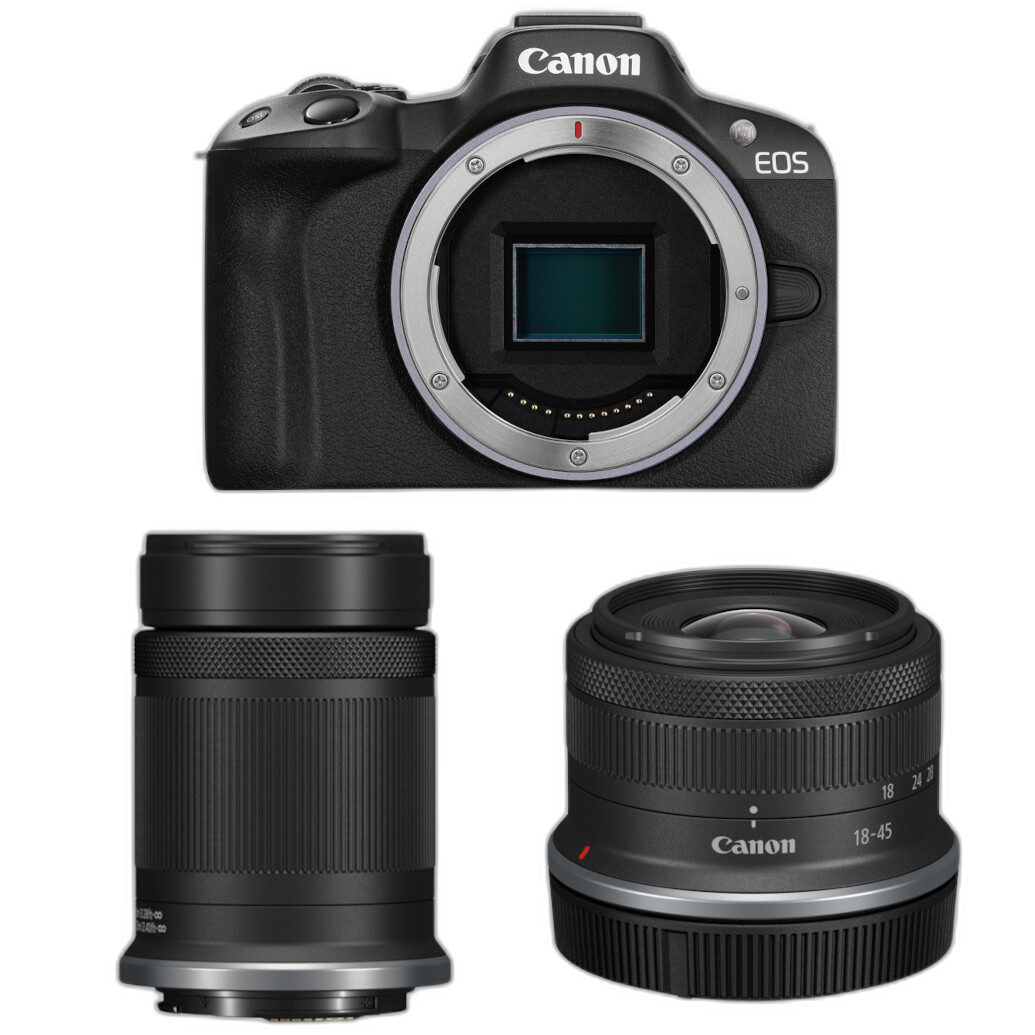
A versatile setup like the Canon EOS R50 with RF-S 18-45mm and 55-210mm Lenses makes this especially appealing, because you can start with an establishing shot and then switch to the longer lens when the light begins picking out distant details.
5. Consider travel weight and hiking distance
- If you are walking long distances, the best landscape lens is often the one you are happy to carry all day.
- A compact standard zoom can be more realistic than packing multiple specialty lenses.
- For many photographers, a moderate zoom offers the best balance of portability and creative range.
The OM SYSTEM OM-5 with 12-45mm f/4.0 PRO Lens stands out here because it keeps the kit compact while still covering focal lengths that work well for both wider scenic views and tighter natural details.
6. Wide angles are great for dramatic skies, but not always for intimate landscapes
- When the sky is colorful and the clouds are active, wide-angle framing can make the atmosphere a major part of the image.
- But when the sky is plain, an ultra-wide composition may include too much empty space.
- In those moments, zooming in often creates a stronger photo by focusing attention on landforms, texture, or light.
That is why a flexible lens kit, such as the FUJIFILM X-T30 III with XC13-33mm Lens, can be so useful for landscape shooters who want wide coverage without being locked into the widest possible perspective all the time.
7. Use your zoom to compose before you move
- Zoom lenses are excellent learning tools because they let you preview multiple compositions from one position.
- You can compare how the same scene feels at a wider setting versus a tighter crop.
- Once you see what works, you can reposition for the strongest foreground, balance, and perspective.
The Canon EOS R10 with 18-150mm Lens is particularly handy for photographers refining their eye, since its broad focal range helps reveal whether a scene is better as a grand vista or a more focused study of shape and light.
8. The best landscape kit often includes both perspectives
- You do not have to choose wide angles or zooms forever.
- Many landscape photographers rely on a two-lens approach: one wider lens for immersive scenes and one zoom for compression and detail.
- This gives you creative options no matter how the weather, terrain, or light changes.
If you want to build toward that kind of versatility, kits like the Canon EOS R50 with 18-45mm and 55-210mm lenses or the Canon EOS R100 Double Lens Zoom Kit can be smart starting points for exploring both sides of landscape composition.
Final Thoughts
Wide-angle lenses excel when you want to immerse viewers in a place, while zooms shine when you want to simplify, isolate, or emphasize distant features. The strongest landscape photographers know how to use both approaches depending on the scene rather than sticking to one style. As you refine your eye, experimenting with flexible kits like those from Canon, Fujifilm, and OM SYSTEM can help you discover what suits your landscapes best. For more camera and lens options for your next outdoor adventure, explore the selection at Unique Photo.